Witold Pilecki: The Man Who Volunteered for Auschwitz to Tell the World

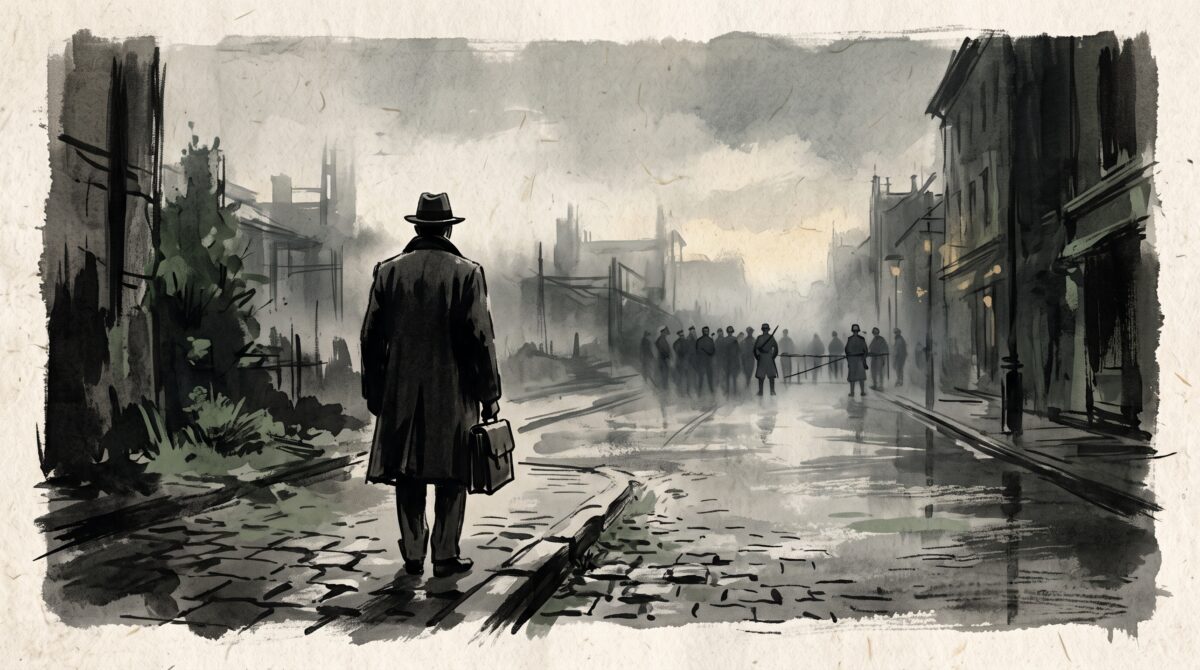
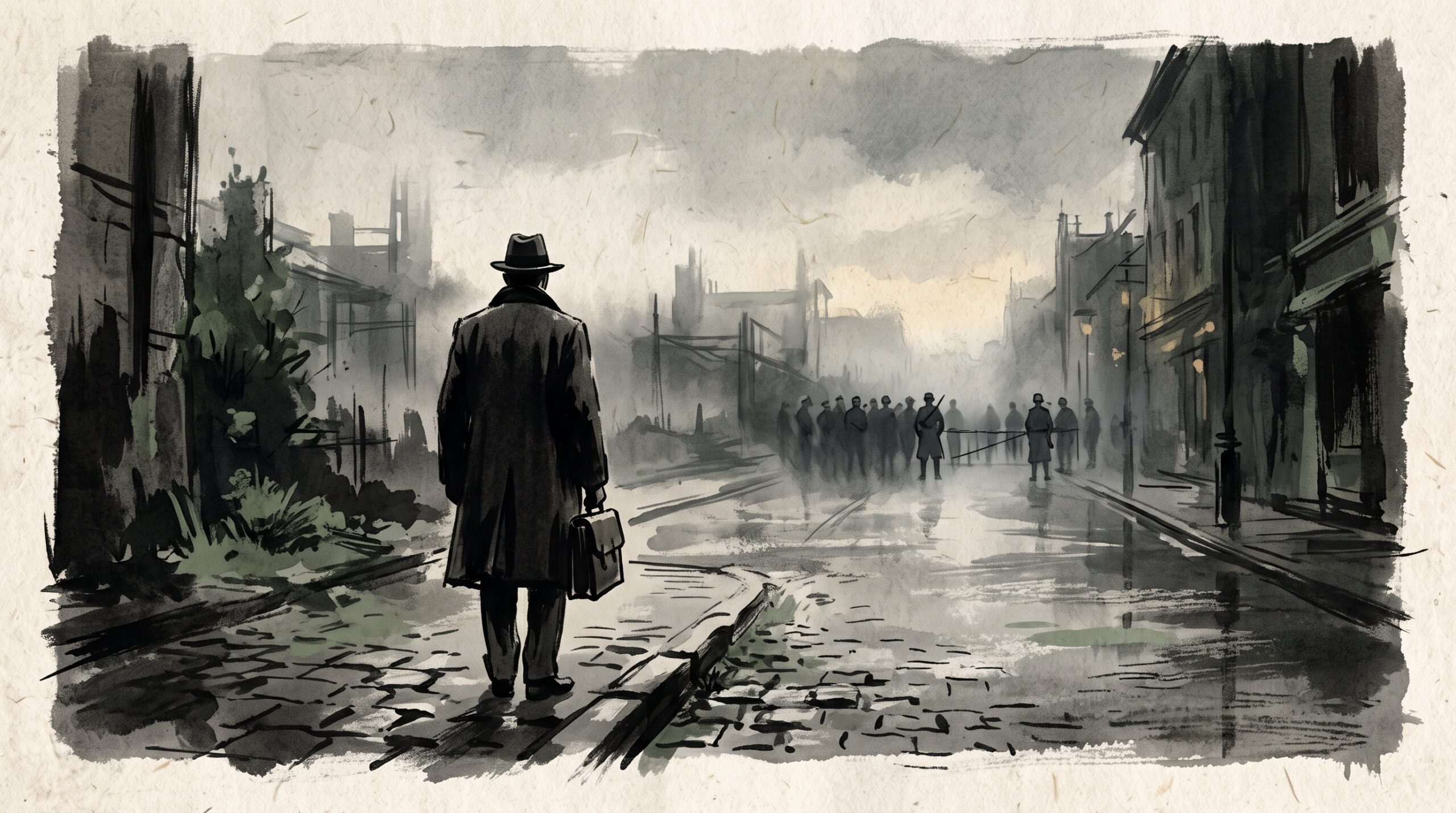
On a September morning in 1940, in German-occupied Warsaw, a man stepped deliberately into the one place everyone else was running from. The occupiers had thrown a cordon around a city block and were sweeping up every man in sight in one of their random mass arrests. Most people caught in such a roundup were bound for a prison, a labor camp, or worse. This man had arranged to be standing exactly where the net would fall. His name was Witold Pilecki, and he had volunteered for a mission so strange that his own commanders hesitated to approve it: he intended to be sent to Auschwitz on purpose.
No one at that point fully understood what Auschwitz was. That was the whole point. Pilecki meant to go inside, find out, build a resistance among the prisoners, and smuggle the truth back out to a world that had no idea what was being done in its name.
The Officer Who Would Not Stop Fighting
Pilecki was born in 1901 into a patriotic Polish family and grew into exactly the kind of man his country kept asking too much of. He fought as a young cavalryman in the wars that followed the collapse of empires, settled into the life of a country landowner between the wars, and then went back to war in September 1939 when Germany and the Soviet Union carved Poland in two. When the fighting ended in defeat, he did not go home and wait. He helped found one of the first underground resistance groups in occupied Warsaw, the Secret Polish Army.
It was through that network that word reached him of a new camp the Germans had opened near the town of Oswiecim, which they called Auschwitz. People were disappearing into it and not coming back, and the resistance knew almost nothing about what happened behind its wire. Pilecki proposed an answer that bordered on madness: let him get himself arrested and deported there, so he could report from the inside. His superiors agreed, and he walked into the roundup.
Prisoner 4859
After a brutal couple of days in a holding prison, Pilecki was packed into a transport and delivered to Auschwitz, where he was beaten, shaved, tattooed, and reduced to a number: 4859. The camp he found was a machine built to work men to death through starvation, exposure, disease, and casual murder. Prisoners who faltered were killed; survival was measured in weeks. And in the middle of this, Pilecki quietly began doing the thing he had come to do.
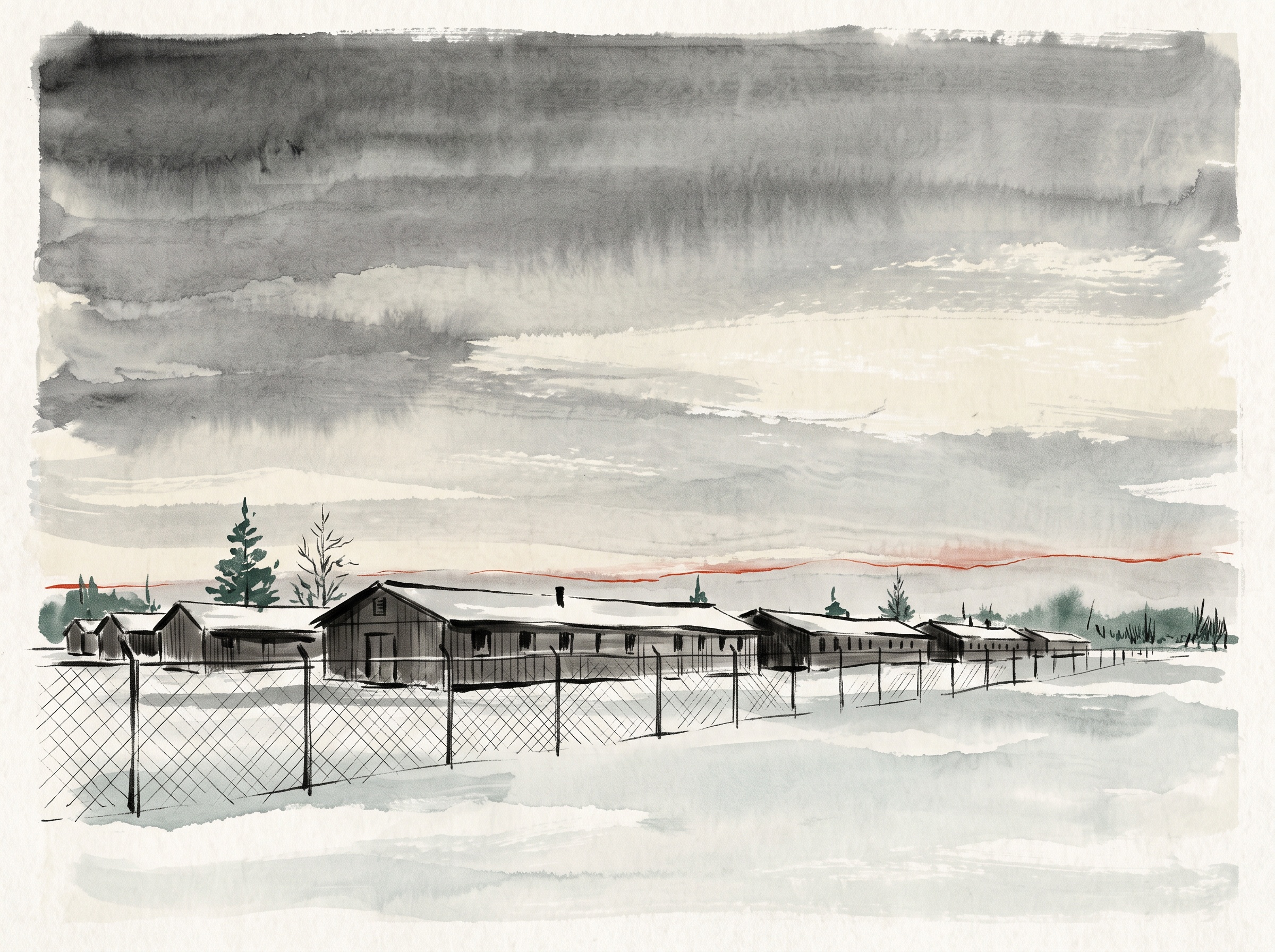
He built an underground organization inside the camp, cell by careful cell, recruiting prisoners he judged he could trust and organizing them into a network he called the Union of Military Organization. Its members shared scraps of food and clothing to keep key people alive, passed news to lift morale, prepared for a possible uprising, and, above all, gathered information. They tracked the transports, the killings, the growing scale of the slaughter as Auschwitz was expanded into the center of the Nazi extermination program. Pilecki did all of this while enduring the same hunger, cold, and savagery as every other inmate, and while watching friends die around him.
The Reports the World Refused to Believe
Gathering the truth was only half the task. Getting it out was the other, and it was almost as dangerous. Pilecki’s network found ways to smuggle intelligence past the wire — messages hidden in laundry sent for cleaning, details memorized by the rare prisoner who was released or who escaped, information relayed to the resistance in the surrounding countryside. His accounts, compiled over his years in the camp and after, became some of the earliest detailed, firsthand intelligence on Auschwitz to reach the Polish underground and, through it, the Allied governments in the West.

And here the story turns heartbreaking. The reports were so appalling — mass gassings, an industrial scale of killing, numbers that climbed into the hundreds of thousands — that many officials who read them simply could not accept that they were literally true. The scale seemed like propaganda, an exaggeration too monstrous to be real. His weapon was not the clever illusion of a war of deception, like the inflatable tanks and fake armies the Allies used to fool the enemy; it was the plain, unbearable truth. And for a long time, the plain truth was the harder thing to make the world believe.
The Escape
By 1943 Pilecki had concluded that no Allied raid or rescue was coming, and that he could do more on the outside, arguing in person for an attack on the camp, than he could by waiting inside it. So after nearly two and a half years as prisoner 4859 — an almost unthinkable span of survival in that place — he decided to escape.
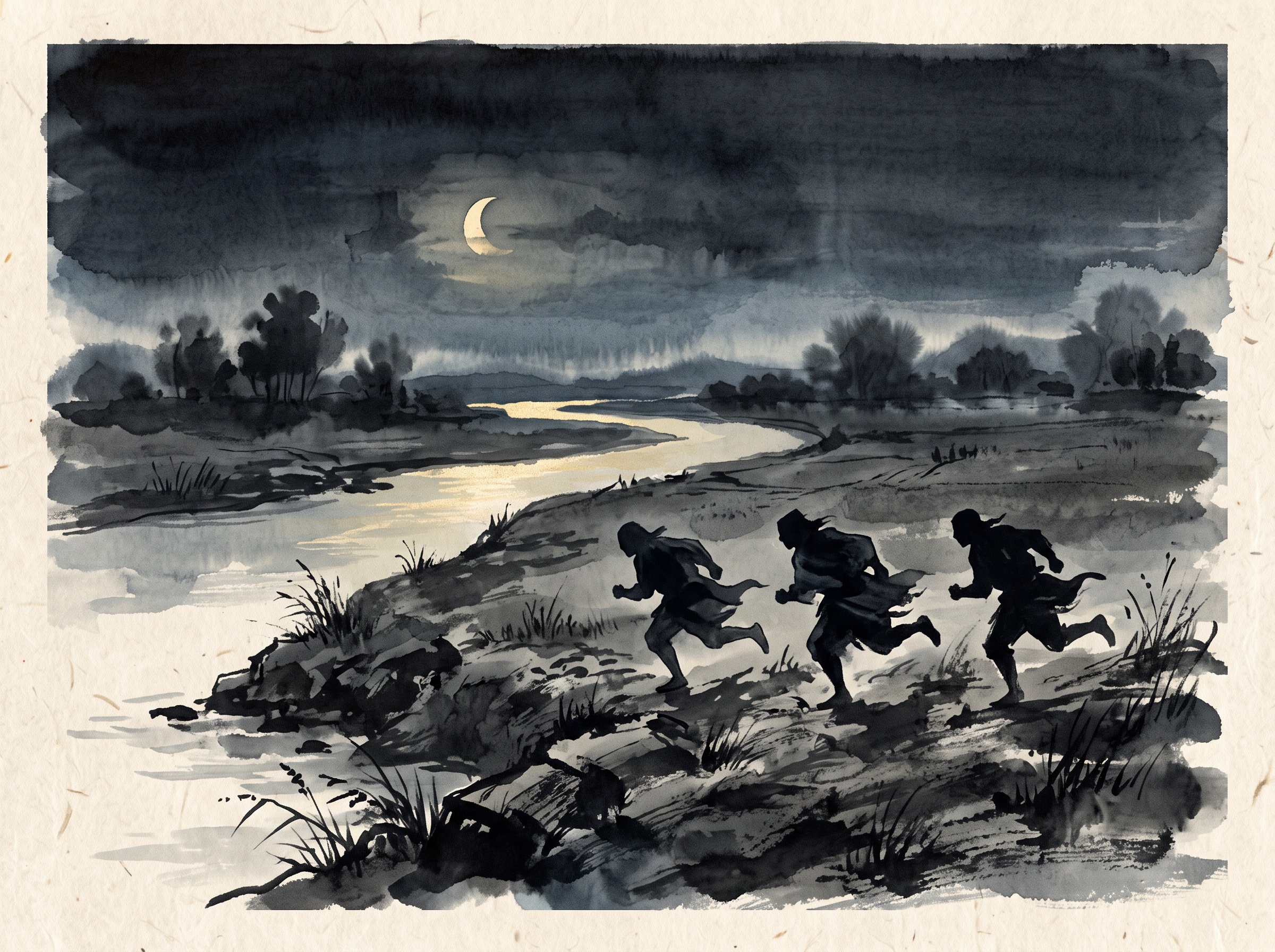
On the night of April 26, 1943, he and two fellow prisoners made their move, slipping away during a work assignment at a camp bakery, overpowering the moment, and breaking out into the dark. They ran through the countryside, hunted, exhausted, and half-starved, and against enormous odds they made it to safety and back into contact with the resistance. Pilecki carried out of Auschwitz something no document could fully capture: the certain, eyewitness knowledge of what the camp had become.
The War That Never Ended for Him
Freedom did not mean rest. Pilecki pressed his case for striking at Auschwitz, which never came, and then threw himself back into the fight. In 1944 he took up arms in the Warsaw Uprising, the doomed and ferocious revolt in which the Polish underground tried to free its own capital. When it was crushed, he was taken prisoner of war by the Germans and held until the end of the conflict.
But the peace that followed was, for Pilecki, simply a different occupation. Poland emerged under Soviet domination, ruled by a communist government loyal to Moscow. Pilecki, still loyal to the free Polish government-in-exile in London, went back into his homeland undercover to gather intelligence on the new regime — the same impossible courage that had carried him into Auschwitz, now turned against a different tyranny.
A Bullet From His Own Country
In 1947 the communist secret police arrested him. He was interrogated and tortured so severely that he later told his family he had been through worse than Auschwitz. At a show trial in 1948 he was convicted as a foreign agent and enemy of the state — a man who had risked his life against the Nazis condemned as a traitor by the government now ruling his country. On May 25, 1948, Witold Pilecki was executed in Warsaw’s Mokotow Prison with a shot to the back of the head, and buried in an unmarked location that has never been found.
Then came the final cruelty: silence. Under communist rule his name was all but erased. His reports were buried in archives, mention of him forbidden, his heroism deliberately forgotten. For more than forty years, one of the bravest men of the twentieth century was a nonperson in the land he had died for. Only after the collapse of communism was he exonerated, in 1990, and slowly restored to memory. In 2006 Poland awarded him the Order of the White Eagle, its highest honor, long after there was anyone left to pin it on.
Why the Story Still Matters
It is tempting to admire Witold Pilecki from a safe distance, as a hero whose courage belongs to a harder age. But what makes his story endure is more human than that. He kept choosing: to walk into the roundup, to build a resistance where any slip meant death, to carry the truth out and keep arguing for it, to go back under cover when the war was supposedly won.
In the end he was destroyed not by the enemy he infiltrated but by the regime that followed, and then nearly erased from history altogether. That he is remembered at all is a kind of victory over the silence he died in. We tell his story for the simplest of reasons: he risked everything to make sure the world would know the truth, and the least the world can do is refuse to forget him.
Sources & further reading:
Related Reading
- Wojtek the Bear — The Polish Soldier Bear of World War II
- Operation Mincemeat: The Dead Man Who Fooled Hitler and Saved Sicily
- The Collar Bomb Heist: The Pizza Deliveryman With a Bomb Locked to His Neck