Operation Mincemeat: The Dead Man Who Fooled Hitler and Saved Sicily


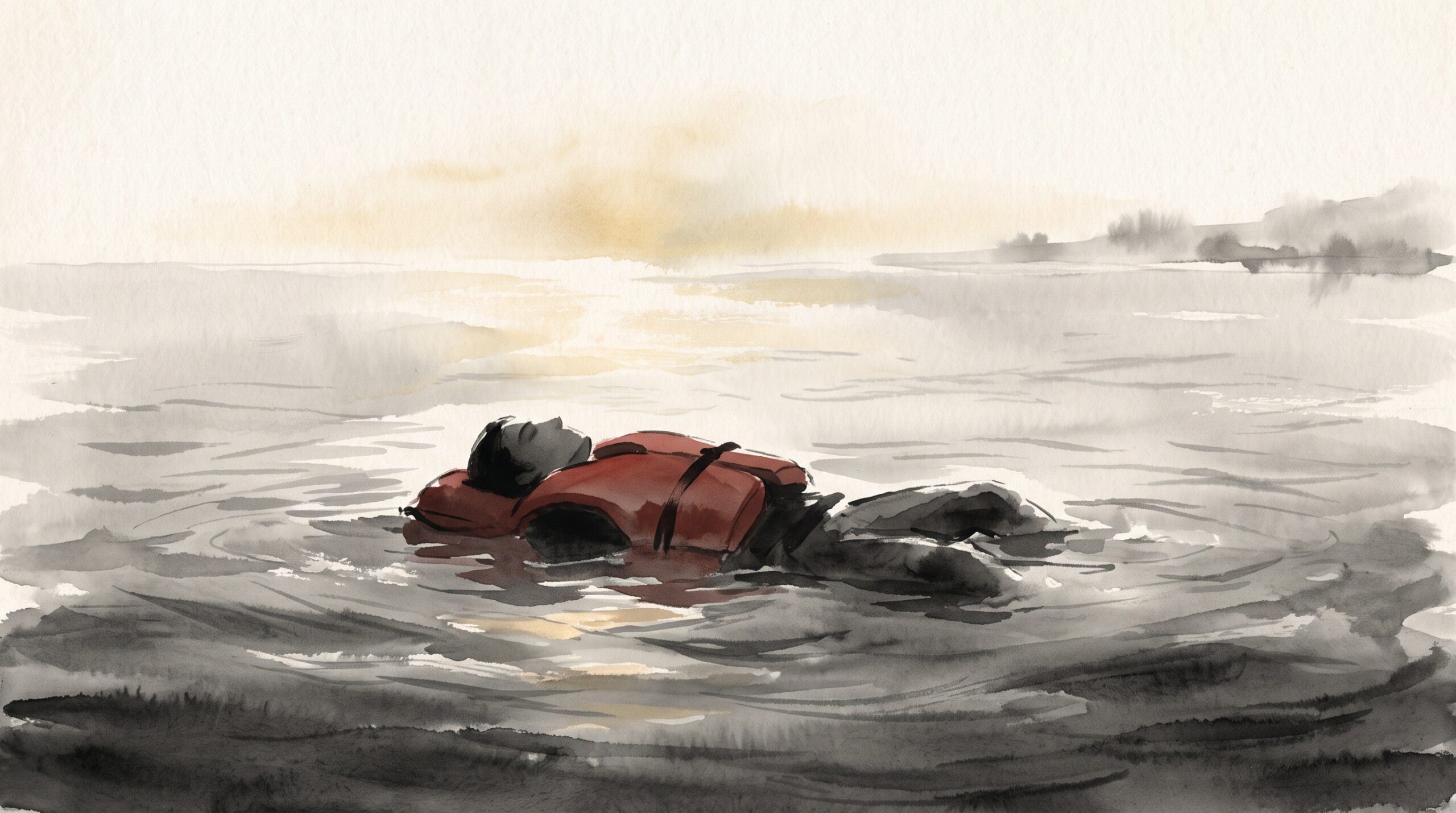
On the morning of 30 April 1943, a fisherman off the southern coast of Spain found a body floating in the sea. It wore the uniform of a British Royal Marine, a life jacket, and the swollen, sea-battered look of a man who had drifted for days. Chained to the wrist was a black briefcase. Inside the man’s pockets were love letters, a photograph of his fiancee, theatre-ticket stubs, and a testy note from his bank about an overdue overdraft. Everything about him said Major William Martin, Royal Marines — an officer whose plane had gone down over the Atlantic while carrying secret documents.
Almost none of it was true. The man had never been a marine, never had a fiancee, and had never flown anywhere. He was the centrepiece of the most audacious act of deception in the Second World War — a scheme so improbable that its own planners could barely believe it worked. This is the story of Operation Mincemeat: the dead man who fooled Adolf Hitler.
The problem: everybody knew where the Allies had to go next
By the spring of 1943, the Allies had cleared the Axis out of North Africa and were poised to strike back into Europe from the south. The obvious steppingstone was Sicily — the island sitting like a football at the toe of Italy, gateway to the Mediterranean. Winston Churchill put it bluntly: “Everyone but a bloody fool would know it’s Sicily.”
That was exactly the problem. If it was obvious to the Allies, it was obvious to the Germans, who could pack the island with troops and turn the landings into a slaughter. British intelligence needed to make Hitler look somewhere else. They needed him to move his divisions to Greece, to Sardinia, to anywhere but the one place the invasion was actually coming. And to do that, they reached for an idea so macabre it read like fiction.
A memo, a corpse, and a plan
The seed had been planted years earlier in a document known as the “Trout Memo,” a list of dirty tricks for wrong-footing the enemy, circulated under the Director of Naval Intelligence. One of its contributors was a young naval officer named Ian Fleming — the man who would later invent James Bond. Buried in the list was an idea borrowed from a detective novel: plant misleading papers on a dead body and let the enemy find them.
Two men turned that grim notion into a plan: Ewen Montagu, a barrister serving in Naval Intelligence, and Charles Cholmondeley of MI5. Their scheme, codenamed Mincemeat, required a specific and unsettling ingredient — a fresh corpse that could pass, on inspection, as a man who had drowned after an air crash. Finding one, quietly, without grieving relatives asking questions, was its own delicate horror.
The body they used belonged to Glyndwr Michael, a homeless Welshman in his thirties who had died in London after ingesting rat poison. He had drifted through life unnoticed and nearly unmourned. In death, the state would hand him a rank, a name, a sweetheart, and a secret mission — and send him to change the course of a war he had never fought in. There is a quiet, uncomfortable poignancy in that, the same unsettling weight that hangs over Britain’s stranger wartime schemes, like the plan to bury nuclear landmines kept warm by live chickens.
Building a man who never existed
The genius of Mincemeat was in the details. A body with a briefcase of secrets would fool no one; a person might. So Montagu and Cholmondeley built Major Martin a life out of paper, a technique they called “wallet litter.”
They gave him a fiancee named Pam and wrote him love letters in a woman’s hand, tucking in a photograph of a real War Office clerk who agreed to pose. They added a receipt for an engagement ring, ticket stubs from a London theatre dated just before his supposed departure, a letter from his father, a stern note from Lloyds Bank about his overdraft, and a religious medallion. Each scrap made him more human, and each human detail made the deadly documents in his briefcase more believable. To slow anyone doing the maths, the theatre stubs pinned him in London days before the crash — a small, brilliant touch of authenticity.
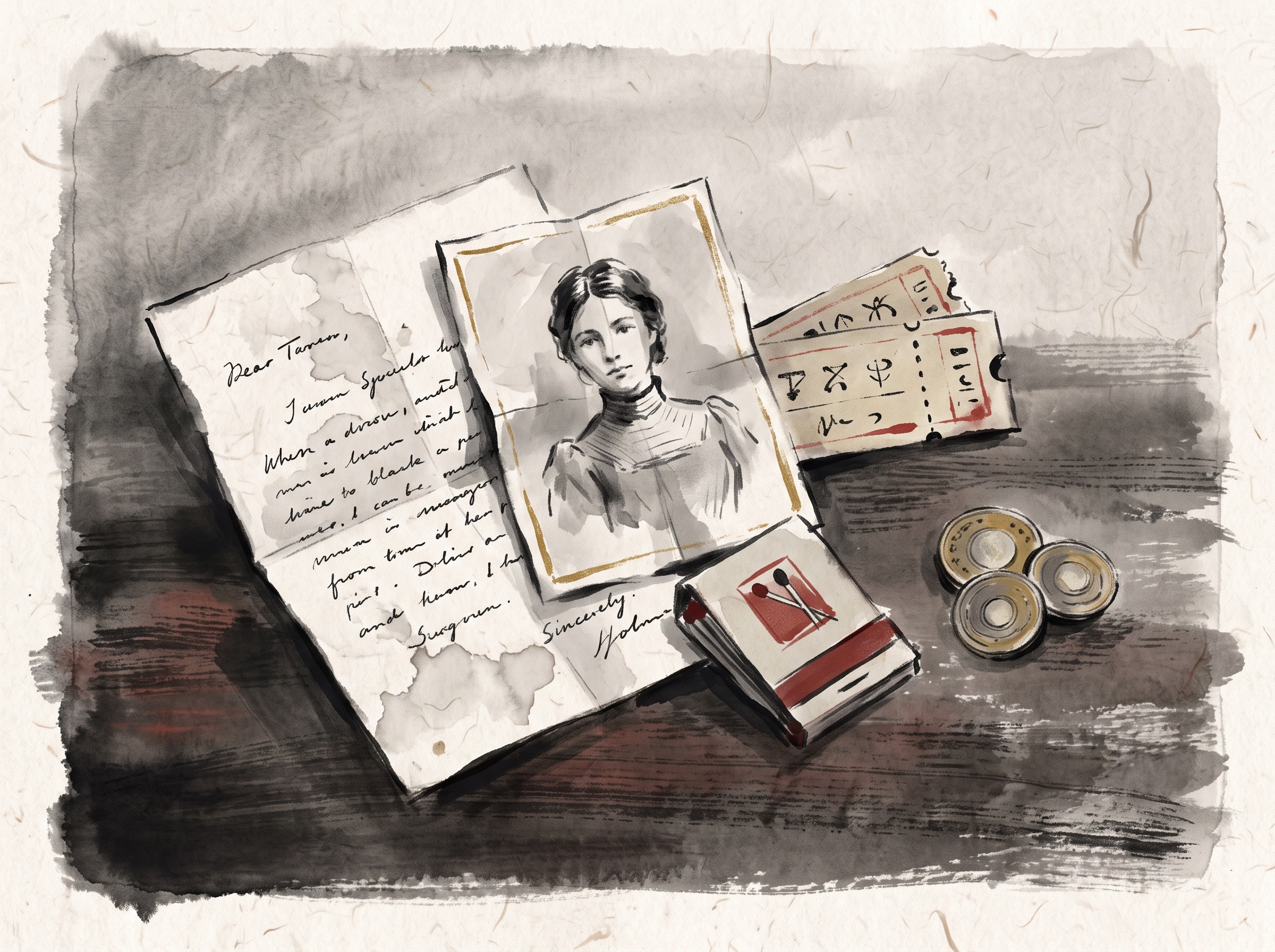
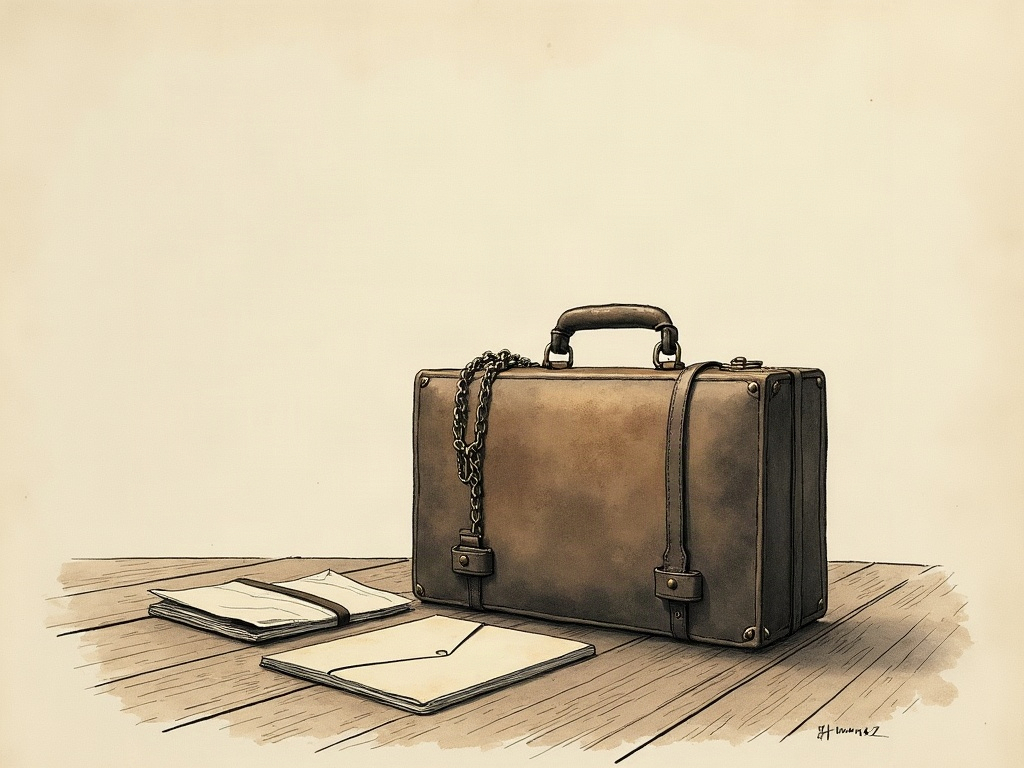
The payload sat in the chained briefcase: a set of forged letters between senior British generals, most importantly one from General Archibald Nye to General Harold Alexander in North Africa. Written in a chatty, informal tone — the kind of thing no forger would dare invent — it discussed, as though in passing, Allied plans to invade Greece and Sardinia. Sicily, the letters implied, was merely a feint to draw German attention away from the real targets. It was the truth turned exactly inside out.
Delivery by submarine
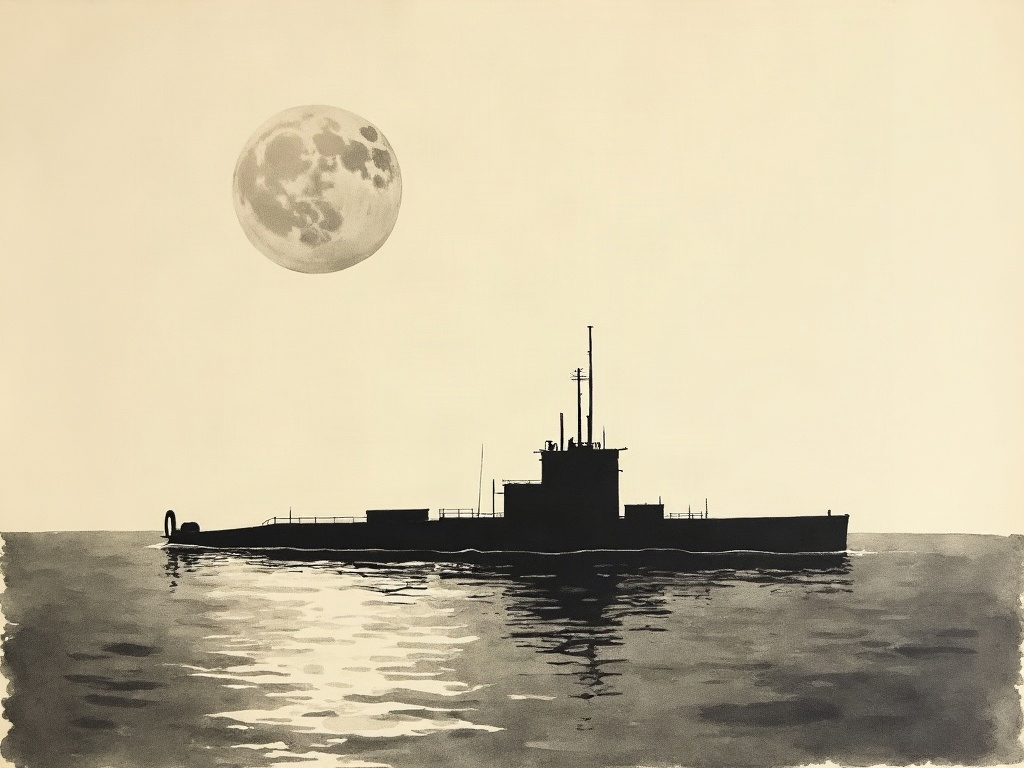
The body was packed in a sealed steel canister full of dry ice to keep it preserved and loaded aboard the submarine HMS Seraph. The crew were told only that they were carrying secret meteorological equipment. On 30 April 1943, off the port of Huelva in southern Spain, the officers brought the canister up, read a short burial service, fitted the life jacket, and slipped Major Martin into the sea to drift ashore on the tide.
Huelva was chosen with care. Spain was officially neutral, but its coast crawled with German agents, and the local Abwehr representative was known to be energetic and well-connected. The British were counting on a specific chain of events: a Spaniard would find the body, the Spanish authorities would recover the briefcase, and — despite neutrality — its contents would somehow find their way to German intelligence before being handed back. It was a plan built almost entirely on predicting other people’s dishonesty.
“Mincemeat swallowed whole”
It worked better than anyone dared hope. The body was found, the briefcase recovered, and the letters quietly extracted. Spanish officials let German agents photograph the documents before the papers were carefully resealed — the British could tell, when the briefcase came back, that the envelopes had been opened and dried out — and returned through diplomatic channels with the reassurance that nothing had been touched. The Germans believed they had struck intelligence gold.
The forged letters climbed the Nazi chain of command until they reached the very top. Hitler was convinced. Persuaded that Greece and Sardinia were the true targets, he ordered reinforcements sent east and west of Sicily: additional divisions to Greece, minefields laid, an entire experienced Panzer division shifted away from the coming fight. Even his most trusted field commander was dispatched toward Greece to prepare defences against an invasion that would never come. When London confirmed the deception had taken hold, the message to Churchill — then travelling abroad — was gleefully brief: “Mincemeat swallowed rod, line and sinker.”
The dead man’s victory
On 10 July 1943, the Allies stormed ashore in Sicily. The defenders were weaker, and the German high command was slow to accept that this was the main event and not the diversion they had been warned about. Reserves that could have contested the beaches were sitting in Greece, waiting for ghosts. The island fell in weeks, opening the road into Italy and hastening the collapse of Mussolini’s regime. Historians still debate how many Allied soldiers survived because of a corpse and a briefcase, but the estimate runs well into the thousands.
Operation Mincemeat took its place among the great deceptions of the war — a companion to the elaborate feints and rehearsals that made the later Normandy landings possible, and to lesser-known tragedies of D-Day preparation like the disaster at Slapton Sands. It was later immortalised in Ewen Montagu’s own book and film, both titled The Man Who Never Was.

And the man himself? For decades the body’s true identity was kept secret, the headstone in Huelva reading only for the fictional Major Martin. Not until the late 1990s was the truth officially added: the grave holds Glyndwr Michael, a penniless Welshman who died unknown and alone. In life the world had no use for him. In death, dressed in a borrowed uniform and armed with lies, he outwitted a dictator and helped crack open a continent. It is the strangest kind of heroism — one that asks us to remember that history’s decisive figures are not always the generals and kings, but sometimes the forgotten, handed a role they never auditioned for and playing it, in silence, to perfection. For more of the war’s audacious eccentrics, meet the officer who went into battle with a longbow and a broadsword.
Sources & further reading:
- Operation Mincemeat — the WWII deception that misled Nazi Germany about the invasion of Sicily
- The Man Who Never Was — Ewen Montagu and the deception off Huelva
Related Reading
- Agent Garbo: The Spy Who Invented an Army and Fooled Hitler on D-Day
- The Ghost Army: The WWII Con Artists Who Fooled Hitler With Inflatable Tanks
- Mad Jack Churchill: The Officer Who Fought World War II With a Longbow, a Sword, and Bagpipes