Agent Garbo: The Spy Who Invented an Army and Fooled Hitler on D-Day

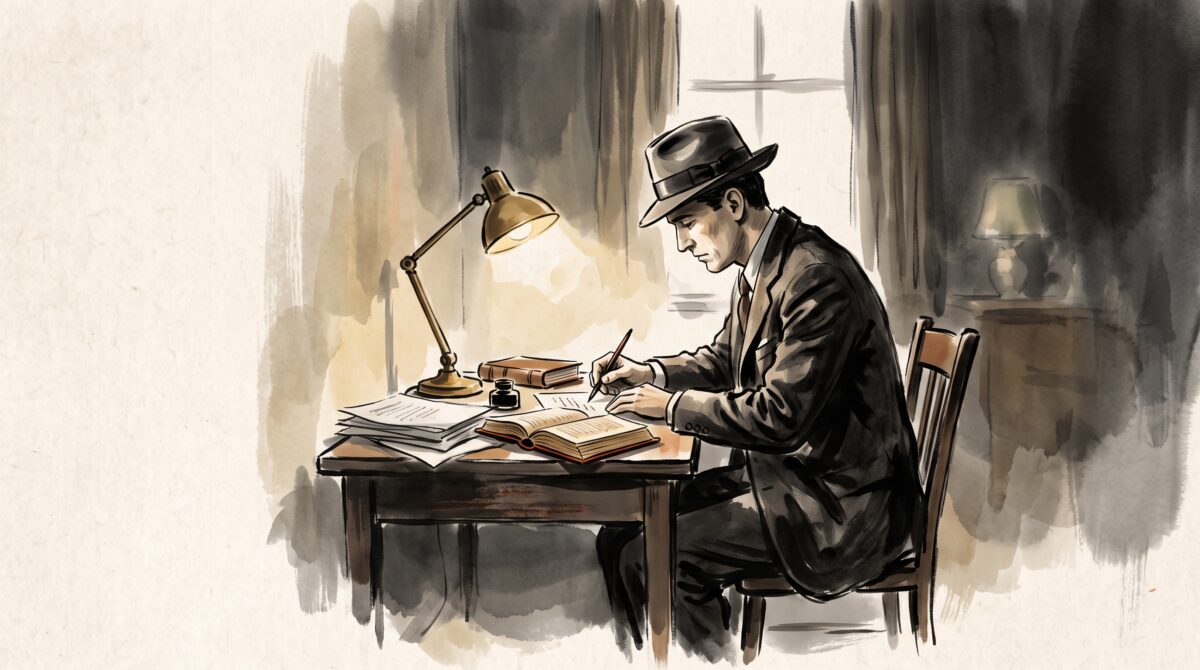
On the morning of June 6, 1944, as Allied soldiers waded ashore in Normandy, one of the most important men in the entire operation was sitting at a desk in London writing fiction. His name was Juan Pujol García. To the British he was Agent Garbo. To the Germans, who trusted him above almost any other source, he was their finest spy in Britain — the head of a sprawling network of informants feeding Berlin a steady stream of secrets. The catch was that the network did not exist. Pujol had invented all twenty-seven of its members, and on D-Day he used his imaginary army of spies to tell Hitler the most valuable lie of the war.
It is the strangest kind of war story: a man who won the fight by making things up, and who is, to this day, the only person decorated by both Nazi Germany and Great Britain for the very same work.
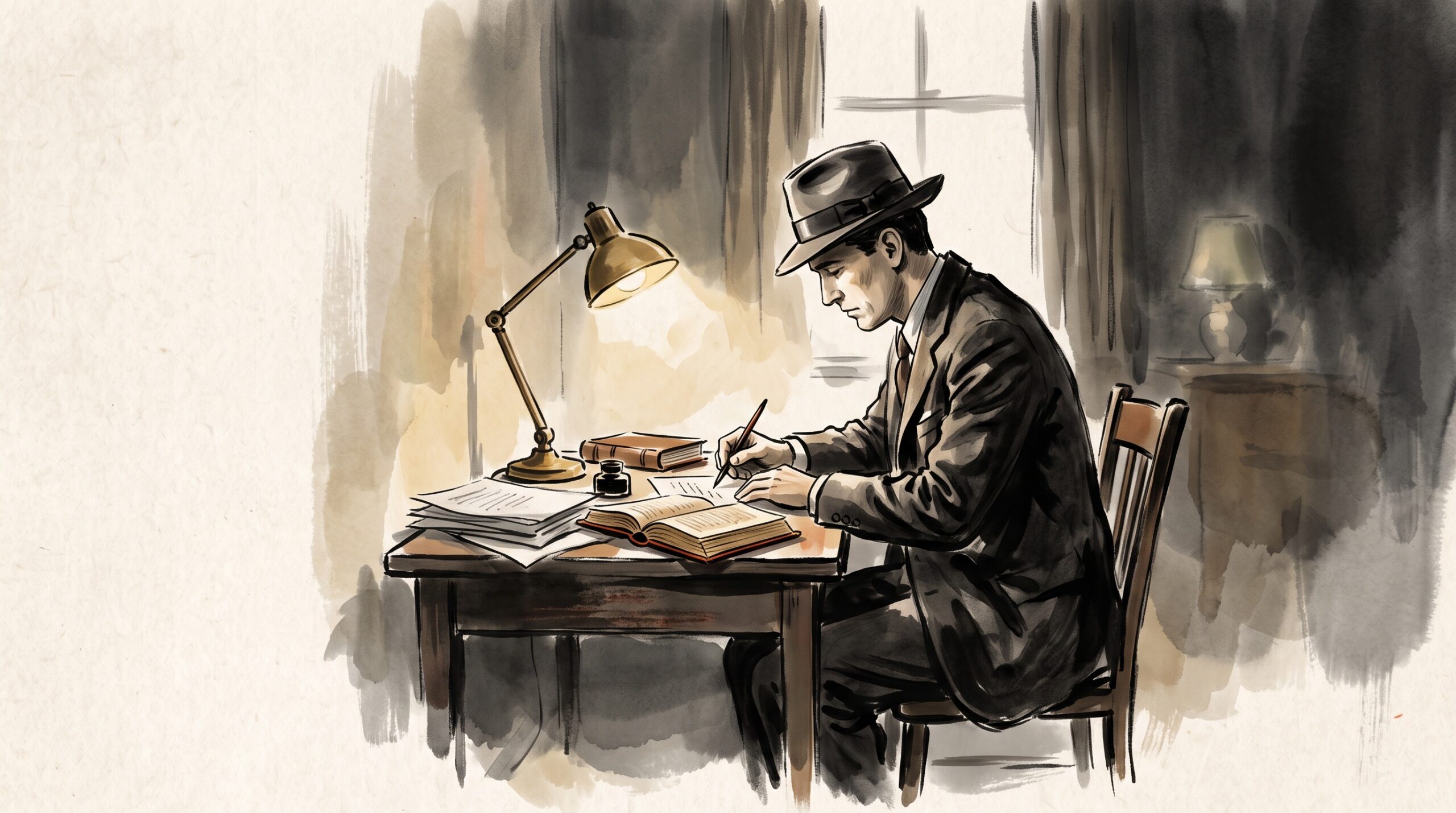
The Man Who Volunteered to Spy on His Own Side
Pujol was an unlikely hero. Born in Barcelona in 1912, he drifted through a string of failures — a dropped engineering course, a poultry farm that went under, a stint running a cinema. He had lived through the Spanish Civil War and come out of it with a deep, personal loathing of totalitarianism in every shade, fascist and communist alike. When the Second World War broke out, he decided, as he later put it, that he wanted to make a contribution “for the good of humanity” by helping the British.
So he went to the British embassy in Madrid and offered his services. They turned him away. Undeterred, Pujol hatched an audacious plan: he would make himself useful first, then let the British come to him. He approached German intelligence, the Abwehr, and convinced them he was a fanatical pro-Nazi Spanish official who could travel to Britain and spy for the Reich. The Germans trained him, gave him money, invisible ink, and a list of questions, and sent him on his way.
A Spy Who Never Set Foot in Britain
Pujol never went to Britain at all. He went to Lisbon. And from there, with no training as a writer and almost no real information, he began to invent a Britain for his German handlers — assembling his reports from a tourist guidebook, a map, a Portuguese publication on the British fleet, and whatever he could glean from newsreels and reference books in the public library.
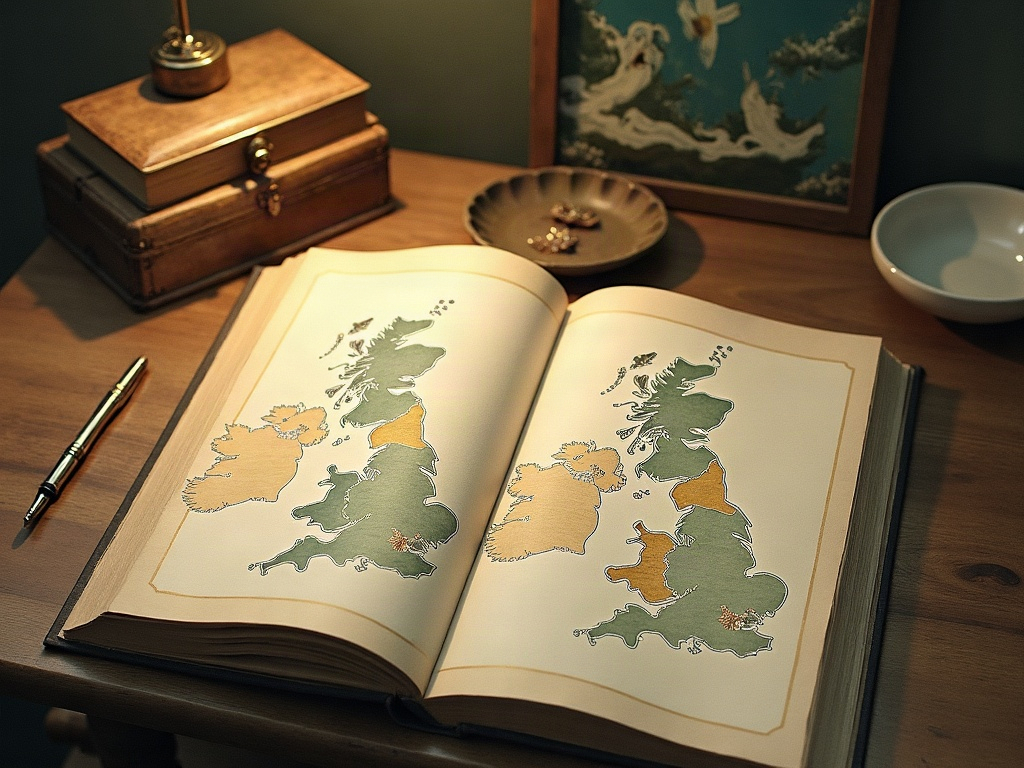
The results were, inevitably, imperfect. He reported on Glasgow dockworkers who, he said, “would do anything for a litre of wine,” apparently unaware that this was not quite the local temperament. He miscalculated distances and invented expenses in currencies that did not add up. Yet the sheer volume and confidence of his reports convinced the Germans they had a productive agent at the heart of the enemy. Some of his fictional warnings even sent the Royal Navy scrambling after convoys that were never there — which is precisely how the British first realized that someone, somewhere, was feeding the Germans invented intelligence. When Pujol approached the Allies again, this time they understood what they had been handed.
Garbo Comes In From the Cold
In 1942 the British finally brought him in, spirited him to London, and gave him the code name Garbo — a nod to his talent as an actor, said to be the greatest in the double-agent stable. He was paired with an MI5 case officer, Tomás Harris, himself part Spanish, and together the two men turned Pujol’s amateur fictions into a professional industry of deception.
The scale of what they built is hard to overstate. Pujol and Harris expanded his imaginary network to twenty-seven fictional sub-agents: a Welsh fascist, a Venezuelan student, a disgruntled RAF officer, secretaries, merchant seamen, and more, each with a personality, a history, and a reason to be where they claimed to be. When the deception needed one of them to miss a crucial event, Pujol simply had the agent fall ill — and later wrote a grieving obituary notice that so moved the Germans they sent condolences and a pension to the man’s nonexistent widow. Every report was crafted in London, often laced with real but harmless truths to keep Berlin’s trust, and sent on to Madrid as if from a loyal Nazi spymaster.
Operation Fortitude: The Lie That Won the Day
All of it was building toward a single moment. The Allies knew that the success of the Normandy landings depended not just on getting ashore but on what the Germans did next. If Hitler threw his powerful reserves — especially the armored divisions near the Pas-de-Calais — against the beachhead in the first days, the invasion could be crushed before it took hold. So the Allies mounted Operation Fortitude, an elaborate deception to convince the Germans that Normandy was a diversion and that the real blow would fall at Calais.
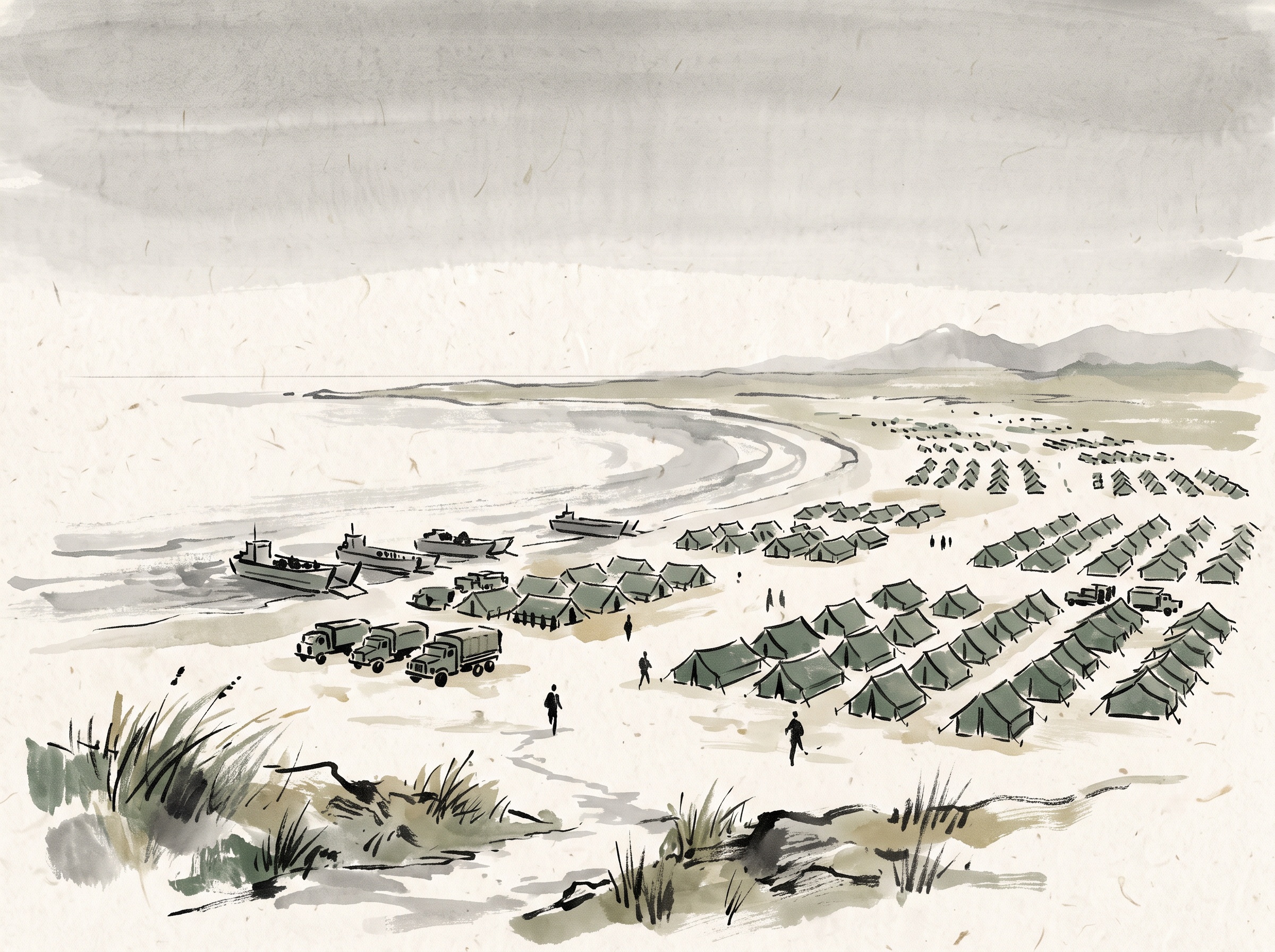
The centerpiece was a phantom army: the First United States Army Group, supposedly massing in southeast England under General George Patton, aimed straight across the narrowest part of the Channel at Calais. It was built from inflatable tanks, dummy landing craft, and fake radio traffic — the same theatrical sleight of hand perfected by the American “Ghost Army” that fooled the enemy with rubber tanks and sound effects. But a stage set is only convincing if a trusted witness swears it is real. That witness was Garbo.
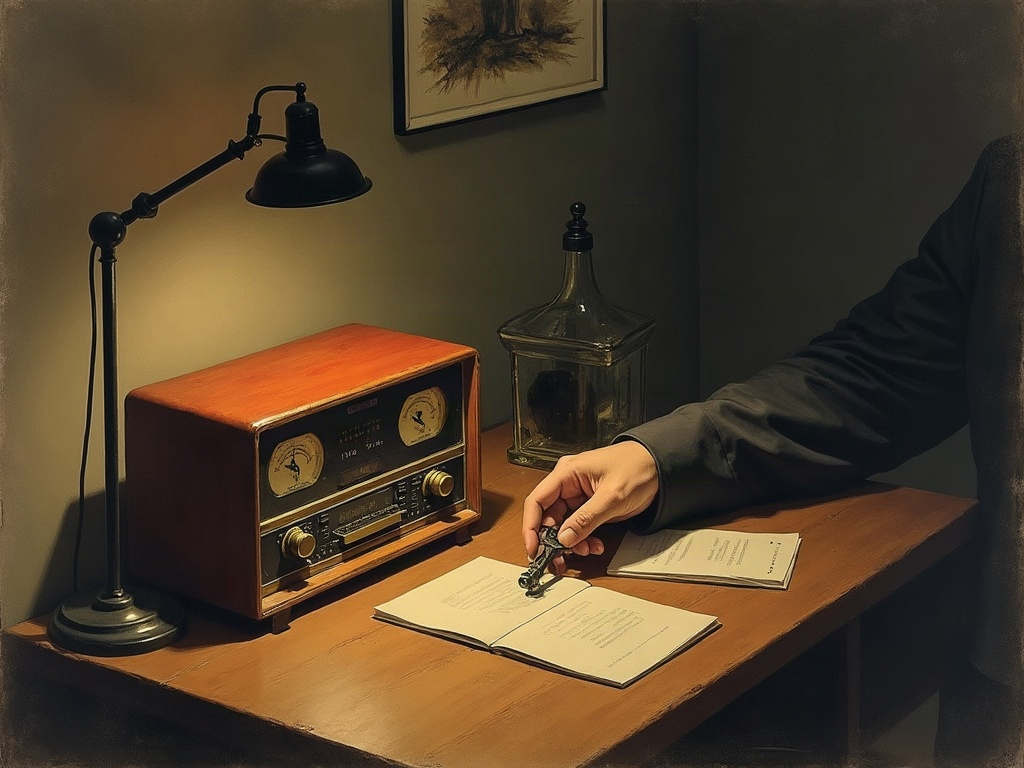
In the hours before the Normandy landings, Pujol did something extraordinary. He radioed Madrid with an accurate warning that the invasion was coming — timed so that it arrived too late for the Germans to act on, but early enough to cement his reputation as the one spy who had called it correctly. Having proved himself infallible, he then delivered the real payload.
The Message That Froze an Army
On June 9, three days after the landings, Pujol sent Berlin an urgent report from his network. Normandy, he insisted, was a feint — a massive diversion designed to pull German reserves away from the true target. The main assault, by Patton’s First United States Army Group, was still to come at the Pas-de-Calais. Hold the reserves, he warned, or lose the real battle.
The message climbed the German chain of command all the way to Hitler, who found it entirely consistent with his own instincts. Two powerful panzer divisions that had been ordered toward the Normandy front were halted and held back to defend against an attack that would never come. For weeks, elite German formations sat idle near Calais, waiting for a phantom army, while the real Allied armies in Normandy dug in, reinforced, and broke out. It was a single piece of inspired fiction, and it may have saved the entire invasion.
It belongs beside the handful of deceptions that quietly bent the course of the war — none more famous than the dead man and false papers of Operation Mincemeat, which steered Hitler’s attention away from Sicily a year earlier. Where Mincemeat used a corpse, Garbo used a cast of characters who had never drawn breath at all.
The Spy Who Won Both Sides’ Medals
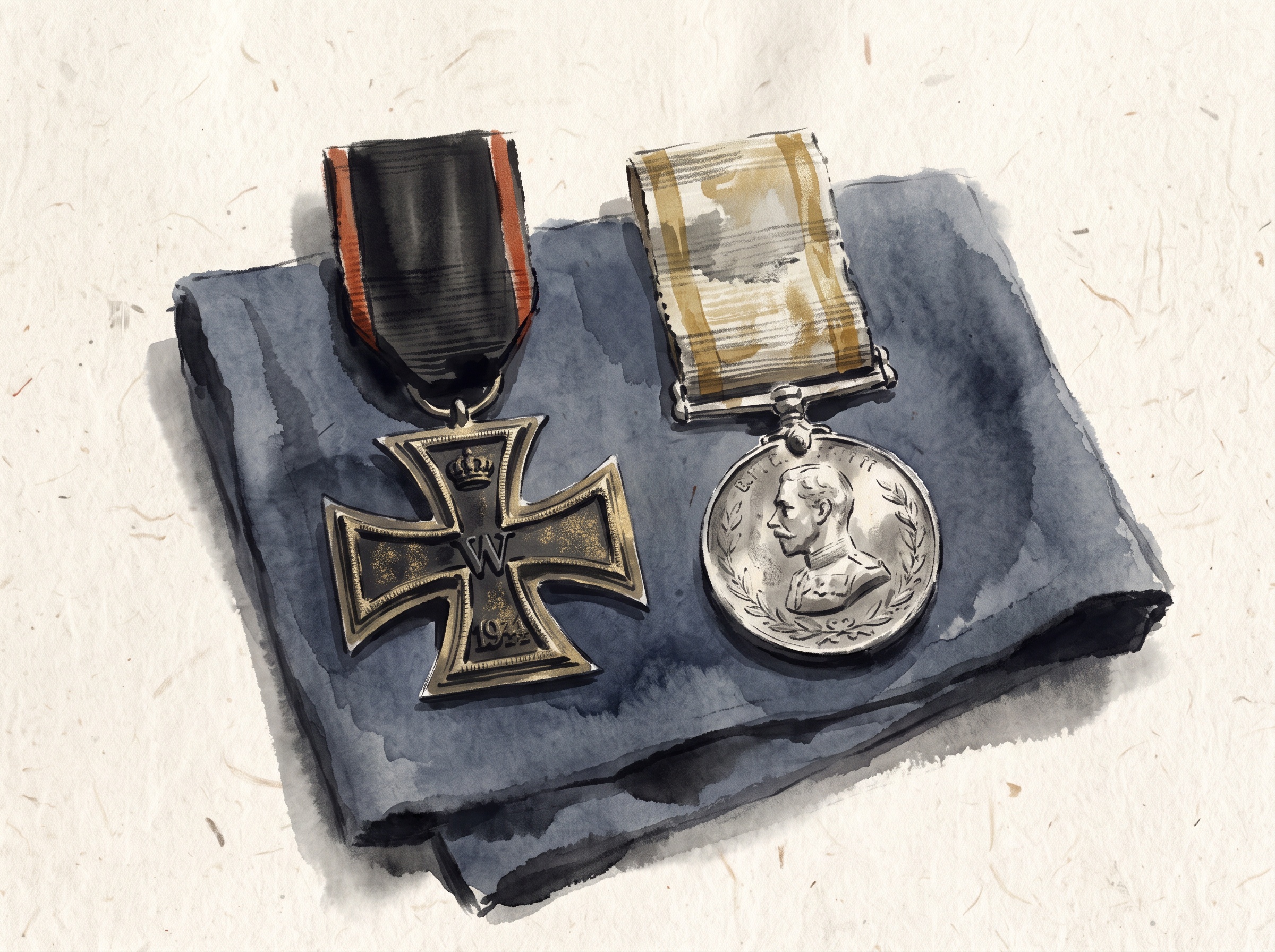
The most remarkable proof of Garbo’s success is that the Germans never suspected him. So pleased was Berlin with his D-Day reporting that, a few weeks later, Hitler’s intelligence service awarded Juan Pujol García the Iron Cross for his services to the Reich — an honor normally reserved for those who had seen combat. Not long after, a grateful Britain quietly made him a Member of the Order of the British Empire. He is the only known person to have been decorated by both sides in the war, for the same deception, in the same summer.
After the war, Pujol feared reprisals from surviving Nazis. With MI5’s help he faked his own death — the story went that he had died of malaria in Angola in 1949 — and vanished into a new life in Venezuela, where he ran a bookshop and a gift shop and told almost no one who he had been. Unlike the traitors history remembers with contempt, such as the turncoat Benedict Arnold who died disgraced in exile, Pujol had played the double game in service of something he believed in, and then simply walked away from the credit. It was not until the 1980s that a researcher tracked him down, still living, and the full story came out. He was finally brought to London, honored, and in 1984 taken to Normandy to pay his respects at the graves of the men his fictions had helped protect.
Why the Story Still Matters
We like to imagine that wars are won by firepower and courage, and they are. But Garbo’s story is a reminder that they are also won by imagination — by one man with a guidebook, a case officer, and the nerve to make an enemy believe in an army that was never there. Pujol had no military training and no network, only a conviction that fascism had to be beaten and a strange genius for making the unreal feel true.
In the end, the most powerful weapon he ever wielded was a story, told well enough that the most dangerous men in Europe staked their decisions on it. That the fiction held, and that so many real lives were saved by it, is why a failed chicken farmer from Barcelona deserves to be remembered as one of the quiet architects of victory.
Sources & further reading:
Related Reading
- Operation Mincemeat: The Dead Man Who Fooled Hitler and Saved Sicily
- The Ghost Army: The WWII Con Artists Who Fooled Hitler With Inflatable Tanks