Benedict Arnold’s Forgotten London Grave: How America’s Most Infamous Traitor Died in Exile

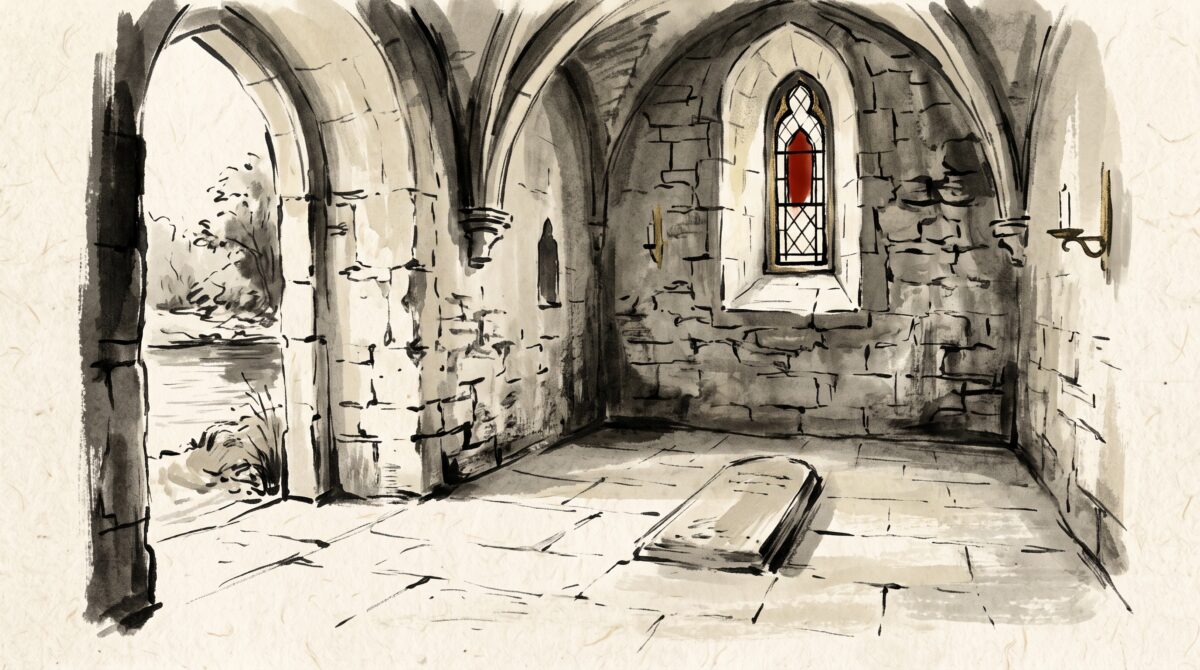
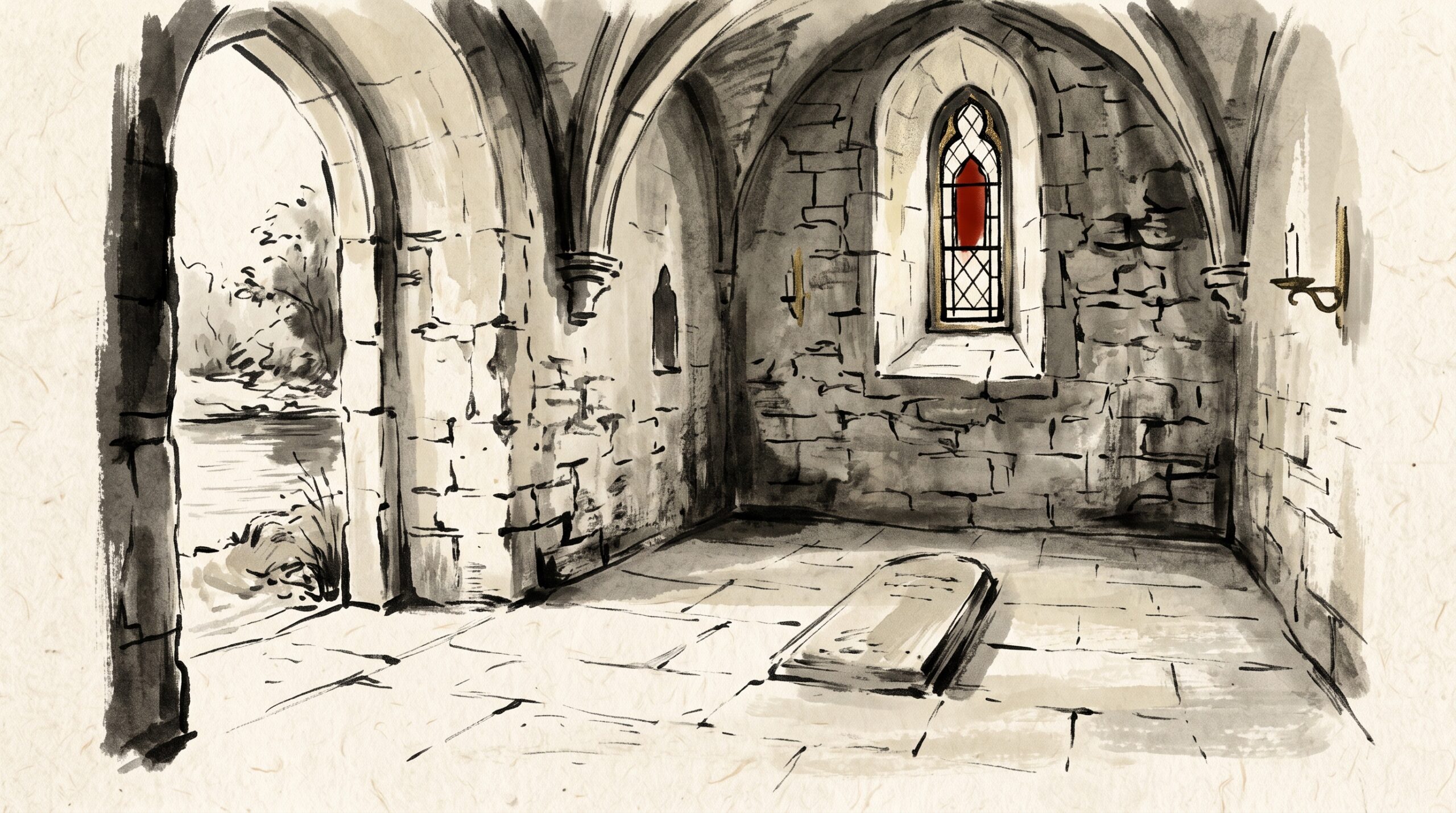
In the summer of 1780, no name in the Continental Army inspired more confidence than Benedict Arnold’s. He was the man who had stormed Fort Ticonderoga, marched an army through a frozen Maine wilderness to the gates of Quebec, and turned the tide at Saratoga with a leg shattered by British lead. George Washington trusted him completely. Within weeks, that same name would become the ugliest word in the American language — a synonym for betrayal that still lands like a slap two and a half centuries later. And yet the traitor’s bones do not lie in American soil at all. They rest, half-forgotten and nearly misplaced, in the crypt of a church beside the River Thames in London.
The Hero Before the Villain
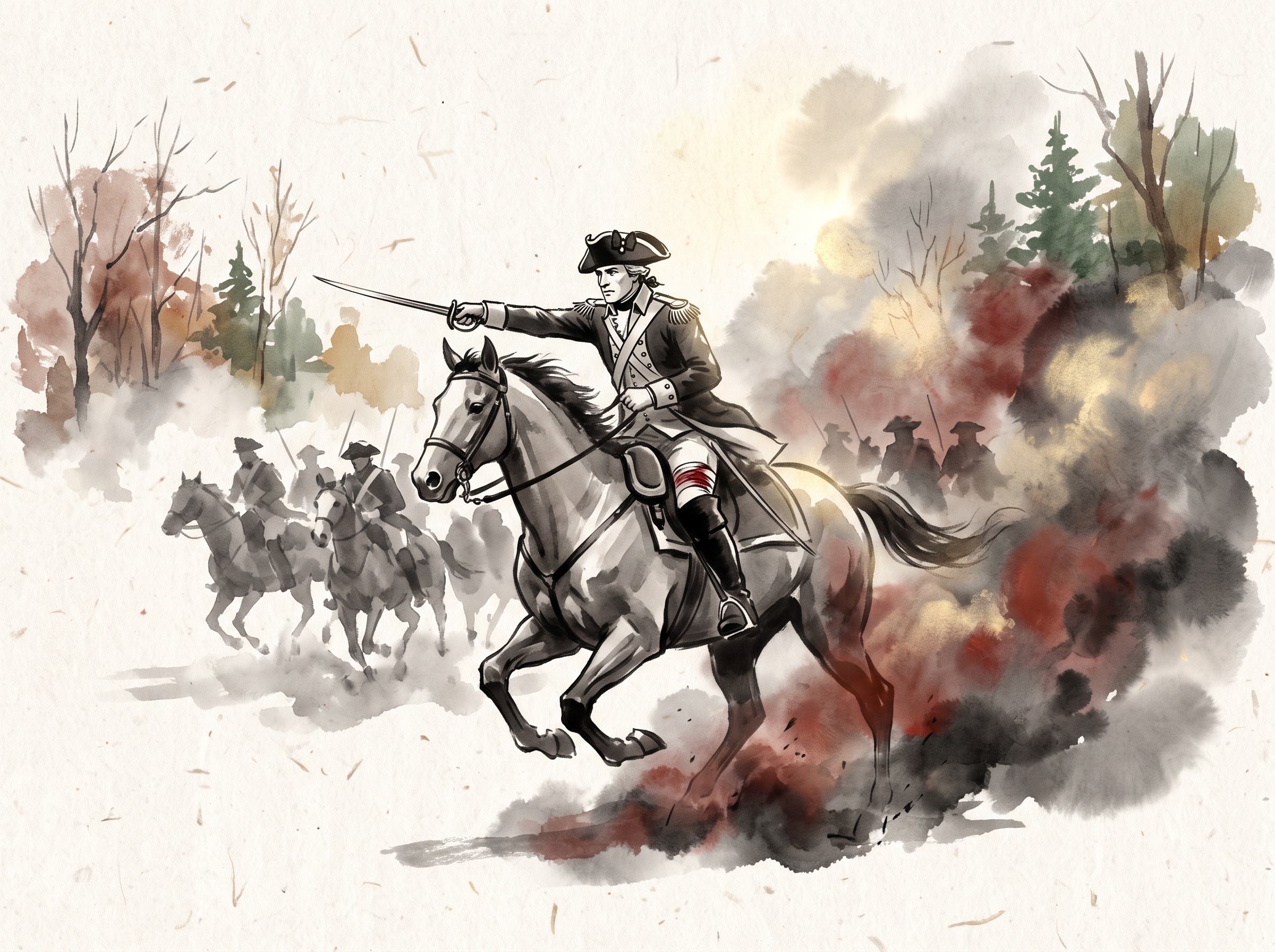
It is easy to forget that Benedict Arnold was, for a time, one of the finest battlefield commanders the Revolution produced. Born in Norwich, Connecticut, in 1741, he threw himself into the war effort with a ferocity that bordered on recklessness. At Valcour Island he built a fleet from green timber to delay a British invasion down Lake Champlain. At Saratoga in 1777 — the battle historians call the turning point of the entire war — he ignored orders, charged into the thick of the fighting, and was shot in the same leg that had been wounded at Quebec. The victory helped convince France to enter the war on the American side.
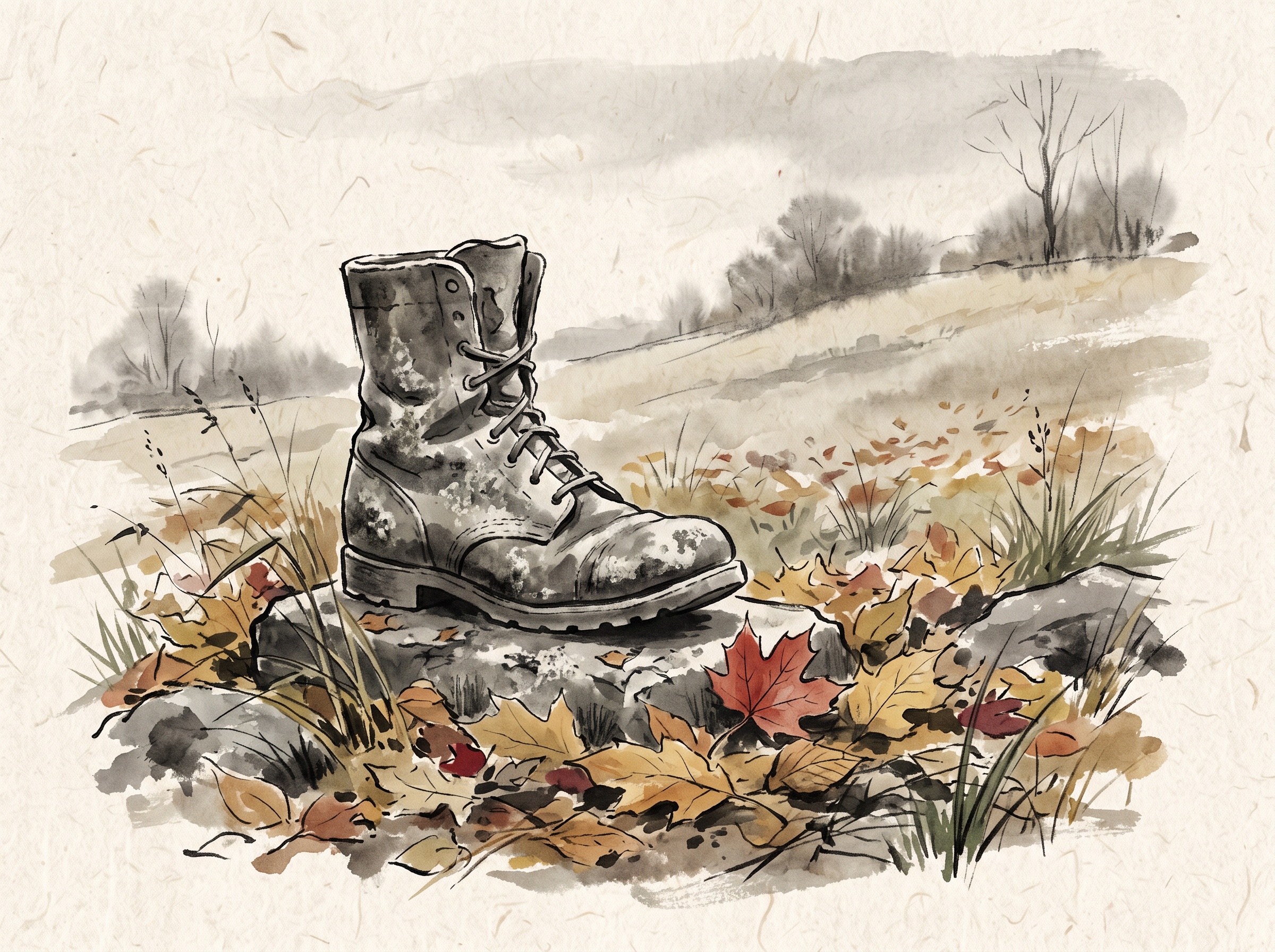
That leg would become a strange monument of its own. On the Saratoga battlefield today stands the Boot Monument: a carved stone boot honoring the “most brilliant soldier” of the fight, who gave his leg for his country. It is the only war memorial in the United States that deliberately refuses to name the man it commemorates. The reason is the rest of this story.
Resentment, Debt, and a Loyalist Bride
Arnold was brave, but he was also proud, prickly, and perpetually convinced he was being cheated. Congress repeatedly passed him over for promotion in favor of lesser men. He faced courts-martial over his finances and his high-handed conduct as military governor of Philadelphia. He sank into debt and simmered with the belief that a grateful nation had abandoned him.
In Philadelphia he married Peggy Shippen, a young woman from a family of Loyalist sympathies who was socially close to the dashing British intelligence officer Major John André. Through that connection, in 1779, Arnold opened a secret correspondence with the enemy. For eighteen months he fed the British information while angling for the right moment — and the right price.
The Plot to Sell West Point
By 1780 Arnold had maneuvered himself into command of West Point, the fortress that controlled the Hudson River and, with it, the strategic spine of the northern states. His offer to the British was breathtaking in its treachery: he would hand over the fort, its garrison, and the river itself for roughly £20,000 and a commission in the British Army. Had it worked, it might have split the colonies in two and ended the Revolution.
Wars are often decided by deception and the thin line between a clever ruse and a fatal mistake — the kind of gamble that, generations later, would let the Allies fool Hitler with a corpse carrying false invasion plans. Arnold’s scheme was undone by something far more ordinary: bad luck and a pair of boots.
Caught in a Stocking
On September 23, 1780, three American militiamen stopped a traveler near Tarrytown, New York, who called himself “John Anderson.” He was Major André, returning from a clandestine meeting with Arnold. Tucked inside his stocking, beneath his boot, were the papers detailing the West Point plot in Arnold’s own hand. The militiamen could not read much of the material, but they knew enough to hold him.
When word reached Arnold that André had been taken, he understood instantly that he was finished. He kissed his sleeping son, mounted his horse, and raced to the Hudson, where he was rowed out to the British sloop HMS Vulture waiting downstream. He escaped by a matter of hours. André was not so fortunate: tried as a spy, he was hanged on October 2, 1780, mourned even by the Americans who condemned him. The man who had engineered the whole affair sailed away untouched.

The Redcoat Years
The British made Arnold a brigadier general, and he set about fighting the country he had once bled for. He led raids into Virginia and burned much of Richmond. In September 1781 he put the torch to New London, Connecticut — a few miles from where he had been born — and his troops carried out a notorious slaughter of surrendering defenders at Fort Griswold. To Americans it confirmed everything the name Arnold had come to mean. Acts of destruction on home soil carried a particular sting, a wound that nations remember long after the smoke clears, as the United States would rediscover when saboteurs blew up a munitions depot in New York Harbor more than a century later.
When the war ended in American victory — a war that had begun with improbable gambles like a hand-cranked submarine creeping beneath the British fleet — Arnold had nowhere to go home to. He sailed for England in 1782.
A Stranger in Two Countries
Exile was not the comfortable reward Arnold had imagined. In London he was received politely by some and openly despised by others; British officers who had lost friends like André made little secret of their contempt for the turncoat. A venture resettling in Saint John, New Brunswick, ended with his effigy burned by neighbors who could not abide him. He returned to London, dabbled in privateering during the wars with Revolutionary France, and watched his fortunes and his health decline together.
Benedict Arnold died in London on June 14, 1801, at the age of sixty. Legend has it that on his deathbed he asked to be dressed in his old Continental Army uniform, begging God’s forgiveness for ever having put on another — a story too neat to be verified, and probably invented. He was buried in the crypt of St. Mary’s Church in Battersea, on the south bank of the Thames.

The Grave the World Misplaced
There was no state funeral, no procession of mourners, no monument worthy of the soldier who had once saved the Revolution. Over the following decades, as the church was reorganized and its crypt rearranged, Arnold’s remains were reportedly moved — and in the shuffle, the precise location of his coffin was lost. For years the most infamous traitor in American history lay in an unmarked spot beneath an English church, his resting place a matter of guesswork. Only much later was a modest stained-glass window and a small plaque installed to acknowledge that he lies somewhere within.
It is a strange and fitting end. A man who gambled everything — his glory, his country, his name — to be remembered as a great man of history instead ensured he would be remembered as its most famous Judas, and then nearly vanished from the ground entirely.
Why the Story Still Matters
We remember Benedict Arnold as a cardboard villain, but the truth is more unsettling than a simple tale of greed. He was a genuine hero who convinced himself that his grievances justified anything — that because he had been wronged, he could not himself do wrong. Every act of betrayal in history begins somewhere smaller: a slight, a debt, a wounded pride nursed in the dark until it curdles into something monstrous. Arnold’s forgotten grave by the Thames is a reminder that history keeps its own ledger, and that a single choice can outweigh a lifetime of courage. The boot on the Saratoga battlefield still stands, nameless — honoring the leg of a hero while refusing to speak the name of the man it belonged to. Few monuments have ever told the truth so completely.
Sources & further reading:
Related Reading
- The Aftermath: Richard II’s Broken Promises and the Bloody Reprisals
- The Night Saboteurs Blew Up New York Harbor: The Forgotten Black Tom Explosion of 1916
- Operation Mincemeat: The Dead Man Who Fooled Hitler and Saved Sicily