The Man Who Refused to Start World War III: Stanislav Petrov and the Night He Didn’t Press the Button

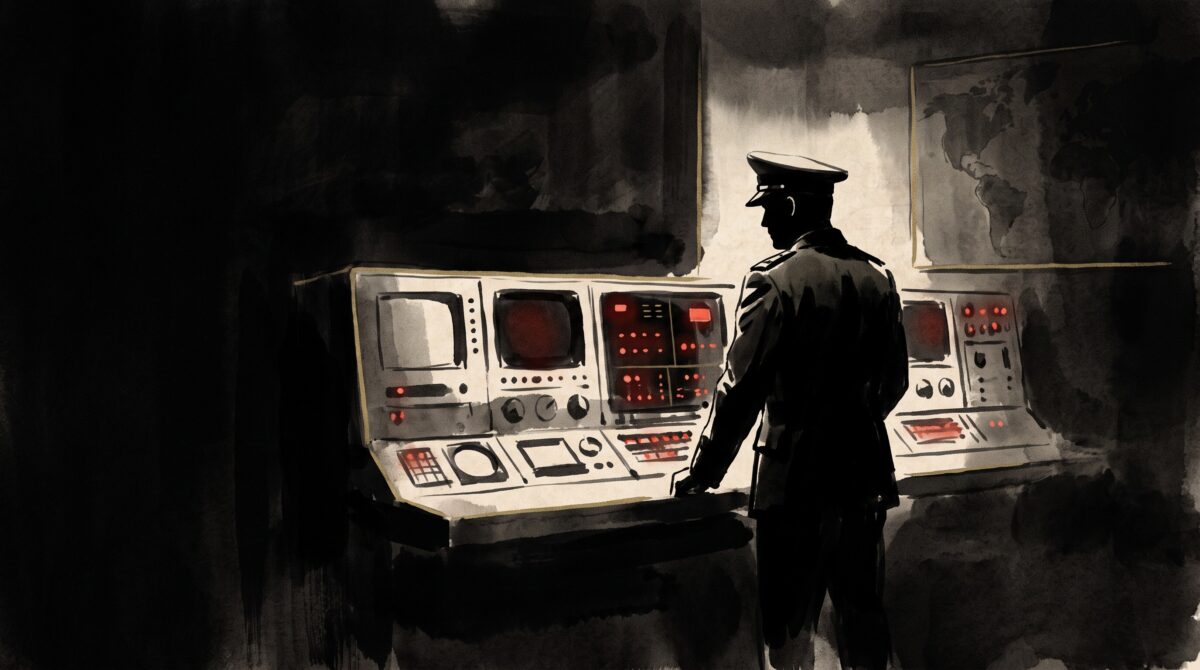
Just after midnight on September 26, 1983, in a secret bunker called Serpukhov-15 south of Moscow, the alarms went off. On the giant screen above the duty officer’s desk, a single, world-ending word lit up in red: LAUNCH. A missile had been fired from the United States, the early-warning system reported, and it was headed for the Soviet Union. The officer on duty, Lieutenant Colonel Stanislav Petrov, had perhaps fifteen minutes to make a decision that no human being should ever have to make. And the fate of hundreds of millions of people was going to hang on what one tired man, in the middle of the night, chose to believe.
The worst possible night to be on duty
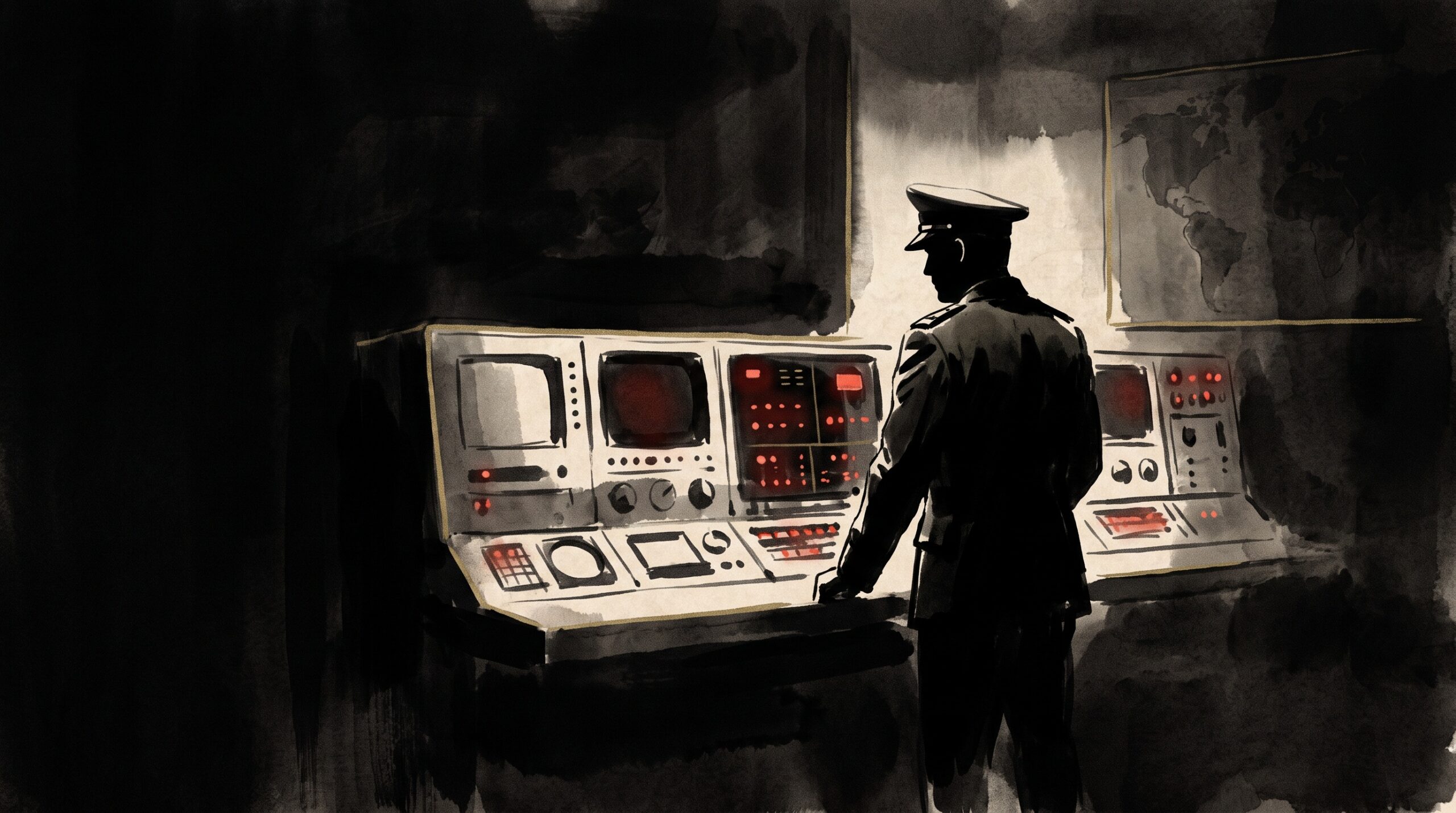
Petrov was not supposed to be there. He was a software engineer by training, an officer in the Soviet Air Defence Forces, and he happened to be filling in as the duty officer that shift. His job was to monitor Oko — “Eye” — the new network of satellites the Soviet Union had placed in orbit to watch American missile fields and give the Kremlin precious extra minutes of warning if the Americans ever launched a first strike.
The timing could hardly have been more dangerous. The autumn of 1983 was one of the coldest, most paranoid stretches of the entire Cold War. Just three weeks earlier, a Soviet fighter had shot down a Korean airliner, killing everyone aboard, and the world had recoiled in horror. Both superpowers were bristling, rhetoric was venomous, and each side genuinely feared the other might strike first. Into that atmosphere, Petrov’s screen now flashed the word every protocol had trained him to act on instantly.
Report it, and the machine of war starts turning
His orders were unambiguous. If the system detected a launch, he was to report it immediately up the chain of command. He was a single link in a vast, automatic apparatus — and if he passed the warning along, the men above him, with only minutes to react and the memory of the downed airliner fresh in their minds, would be under enormous pressure to order a retaliatory strike before the incoming warheads could destroy their own missiles on the ground. A Soviet launch would trigger an American launch. That was the whole grim logic of the age.
So the word on the screen was not just a warning. It was the first domino of the end of the world, and Petrov’s hand was resting on it.
The doubt that saved everyone
And yet, something nagged at him. The system reported one missile — then a second, then more, until it showed five intercontinental missiles inbound. Logically, that should have made the threat more credible. To Petrov, it made it less.
He reasoned it through in the time he had. If the Americans were truly launching a surprise first strike, why would they send only five missiles? A real attack designed to cripple the Soviet Union before it could respond would be massive — hundreds of warheads at once, not a handful. Five felt wrong. It felt like a glitch dressed up as an apocalypse.
There was another thread to pull. The satellites were new, and Petrov didn’t fully trust them. The Soviet Union’s ground-based radar — which would pick up the missiles a little later, as they rose over the horizon — was showing him nothing. No corroboration. Just the satellites, screaming, and the quiet radar saying all was calm.
The decision in the dark
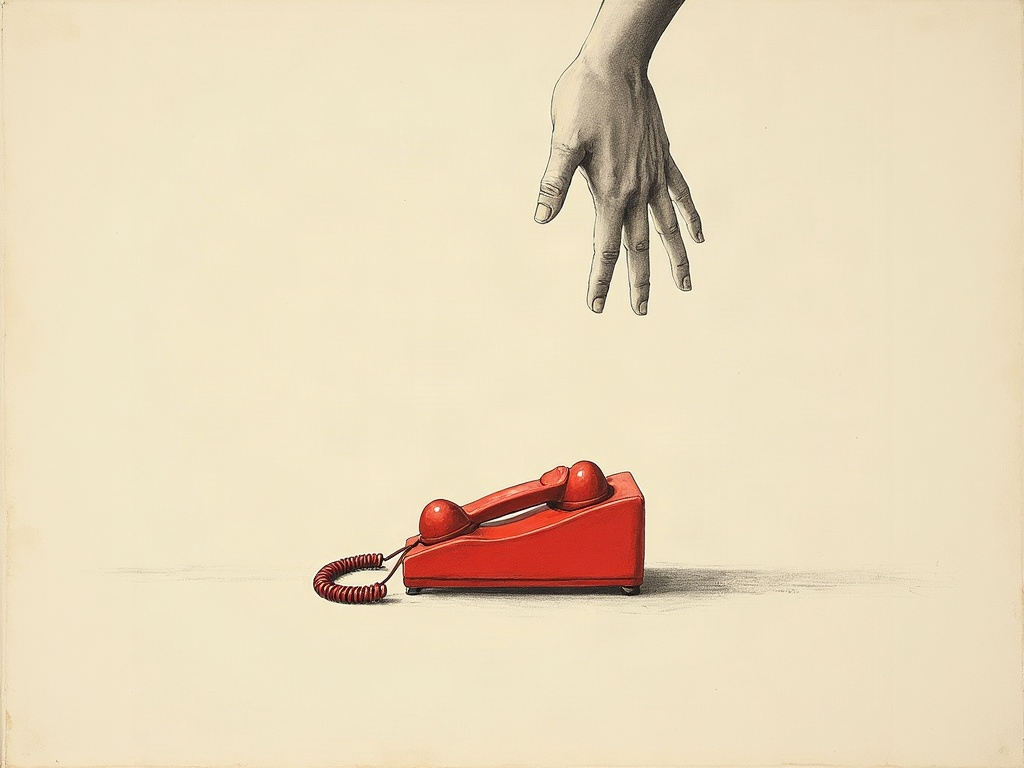
So Stanislav Petrov made a choice that violated the plain instructions in front of him. He picked up the phone — not to report an incoming attack, but to tell his superiors that the system was giving a false alarm. A malfunction. He declared it, in effect, a lie told by a machine, and he staked everything on being right.
And then came the part almost no one talks about: he had to wait. If he was wrong, the first nuclear warheads would begin striking Soviet soil within minutes, and he would know, in his final living moments, that he had been the man who could have sounded the alarm and didn’t. He sat in that bunker and watched the clock, his own stomach in knots, and counted down the minutes that would either pass in silence or end in fire.
The minutes passed. Nothing came. No missiles, no detonations, no end of the world. The screens had lied, exactly as he’d gambled. Petrov had been right.
A false alarm born of sunlight
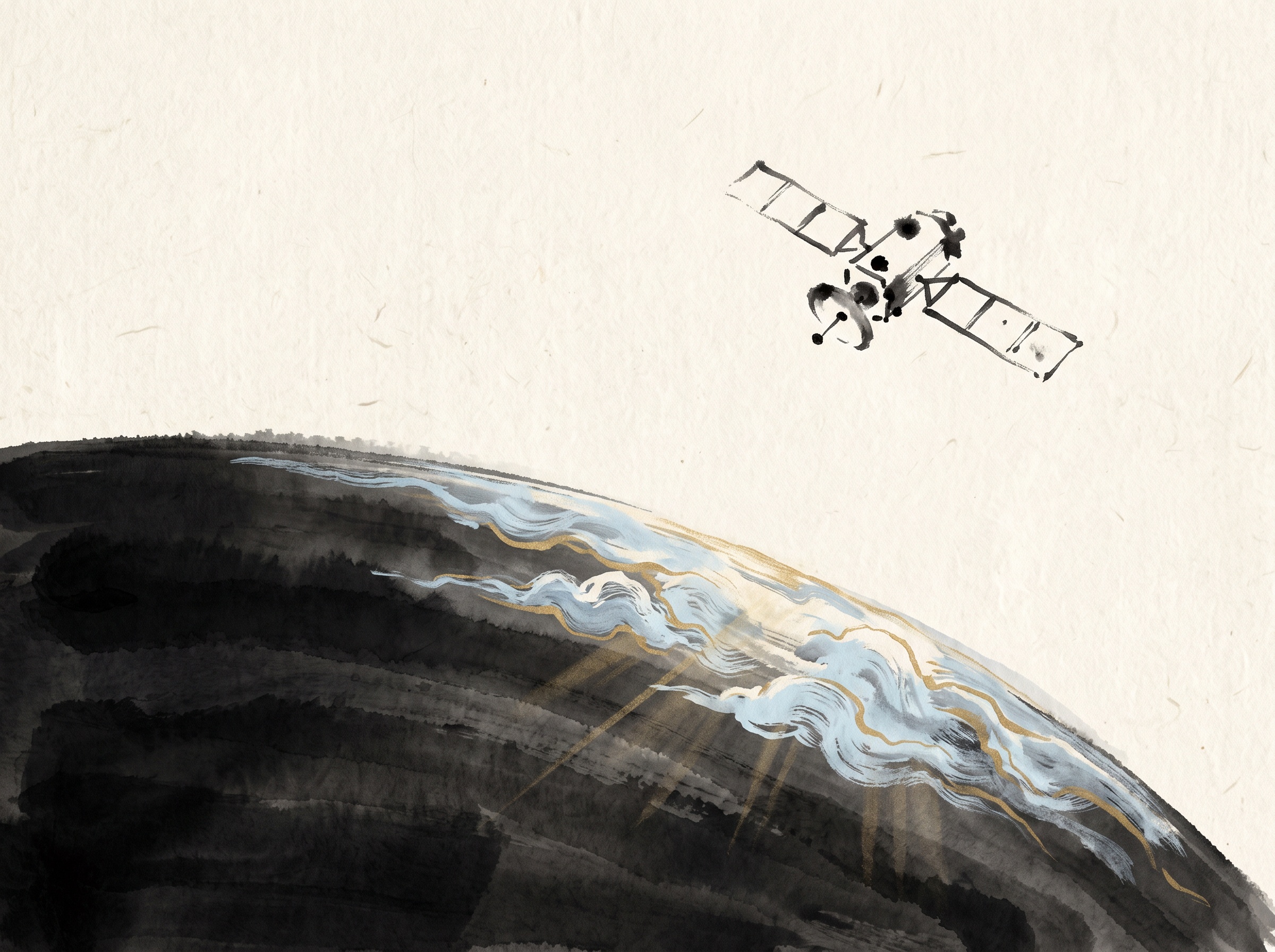
The cause, investigators later determined, was almost poetic in its innocence. The Oko satellites had caught sunlight glinting off the tops of high-altitude clouds over the northern United States and, through a rare alignment of sun, cloud, and orbit, had misread those bright flashes as the infrared bloom of missiles leaving their silos. The deadliest warning in history had been nothing more than light on clouds — the kind of freak natural coincidence that, like a man struck by lightning seven times, seems impossible until it happens. Petrov’s instinct that the machine was fooling itself had been exactly correct.
No medal, no parade, and then silence
Here is the bitter twist. Petrov was not celebrated. There was no medal, no promotion, no hero’s welcome. His refusal to follow protocol was an embarrassment — it implied the shiny new early-warning system had nearly started a nuclear war, and the engineers and officers responsible for it had no wish to advertise that. Petrov was quietly reassigned, took early retirement, and faded into an ordinary, difficult life in a small town. For years, the world had no idea how close it had come, or that a single man’s judgement had been all that stood between it and catastrophe. The secret stayed buried in the Soviet machine much as the Lykov family stayed lost in the Siberian taiga — unknown to the wider world simply because no one was looking.
Only after the Cold War ended did the story emerge, when a former Soviet general wrote about that night. Belatedly, the recognition came: international awards, honors at the United Nations, a quiet fame as “the man who saved the world.” Petrov himself always waved the title away. He hadn’t been a hero, he insisted; he’d simply been the right person, doing his job, on the one night it mattered most. He died in 2017, in near-obscurity, and the world barely noticed the passing of the man who had once ensured it had a future at all.
Why his night still matters
We like to imagine that the great catastrophes are prevented by great systems — treaties, safeguards, fail-safes, redundancy. Petrov’s night tells a more unsettling and more human truth. On the evening the automated systems failed, what stood between the world and annihilation was not another machine. It was a single person willing to doubt the screen in front of him, to think instead of merely obey, and to bet his own life on his judgement. The machines said the world was ending. One man said no — and because he did, you are here to read this.
Related Reading
More from the archive
- Wojtek the Bear — The Polish Soldier Bear of World War II
- Witold Pilecki: The Man Who Volunteered for Auschwitz to Tell the World