The Last Queen of Hawaii: Lili’uokalani and the Overthrow of a Kingdom

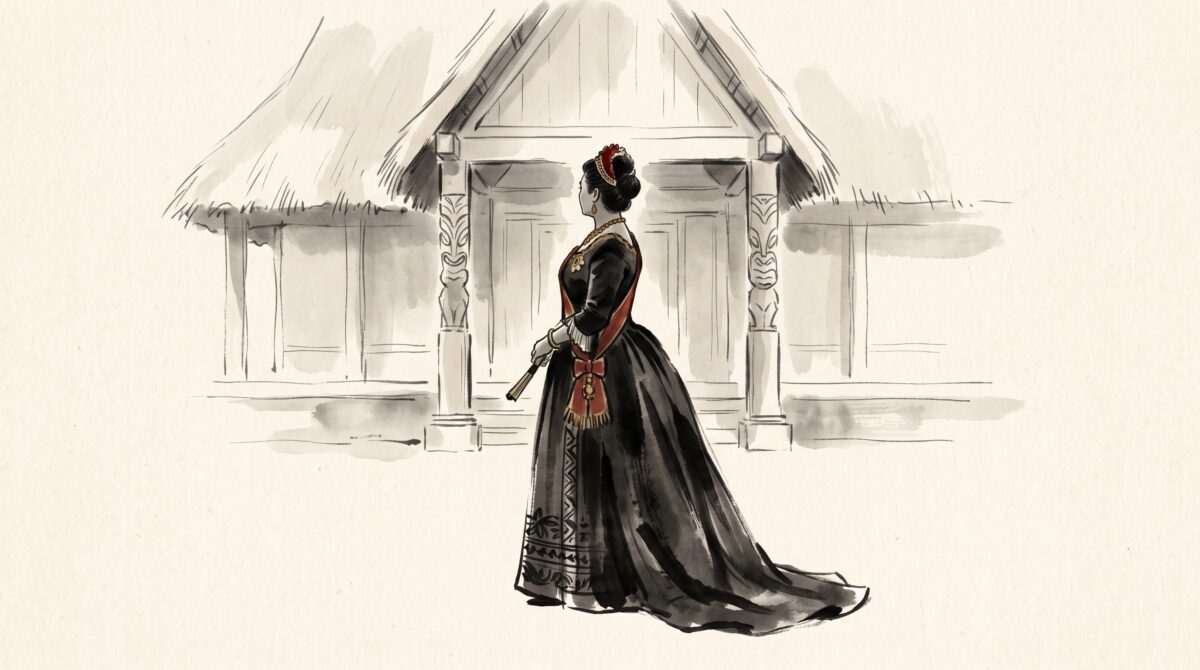
On the afternoon of January 17, 1893, the ruler of an independent nation sat down and composed a letter of surrender. She was not surrendering to a conquering army. There had been no battle. Her kingdom had been taken by a committee of roughly a dozen businessmen, nearly all of them foreigners or the sons of foreigners, propped up by a company of marines from a warship anchored in her own harbor. Queen Lili’uokalani yielded her throne that day under formal protest — and she chose to yield precisely so that none of her people would die defending it. It was the last sovereign act of the Hawaiian Kingdom, and it set her on a thirty-year fight for a crown already gone.
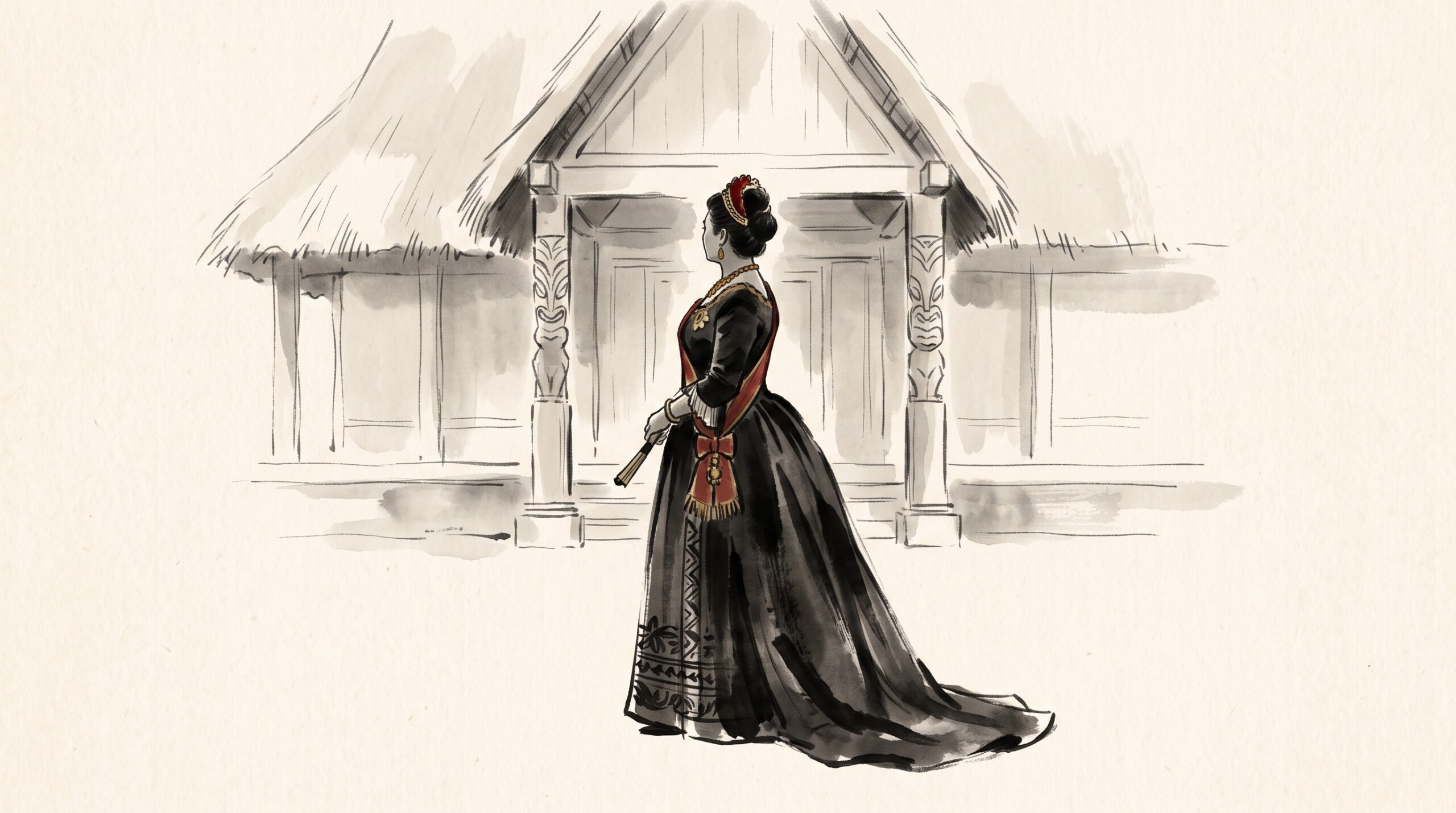
A kingdom in the path of empire
Lili’uokalani was born in 1838 into the high chiefly ranks of a kingdom that had, remarkably, survived the first century of Western contact as a recognized independent state. By the time she came to the throne in 1891 — succeeding her brother, King Kalakaua — that independence was more fragile than it looked. American sugar planters had grown enormously wealthy on Hawaiian soil, and with wealth came the hunger for political control. The islands sat astride the Pacific like a prize, and the United States had long eyed Pearl Harbor.
The planters had already shown their hand. In 1887 they had forced King Kalakaua, under threat of violence, to sign a new constitution that stripped the monarchy of most of its power and handed political weight to wealthy foreign residents while disenfranchising the majority of Native Hawaiians. It was remembered, bitterly and accurately, as the Bayonet Constitution. Lili’uokalani inherited a throne that had been hollowed out before she ever sat on it.
The queen who tried to take her kingdom back
She did not intend to preside quietly over the monarchy’s decline. Lili’uokalani believed the Crown should answer to her people, and in January 1893 she moved to proclaim a new constitution that would restore voting rights to Native Hawaiians and return real authority to the throne. To her, it was the correction of a theft. To the planter class, it was the pretext they had been waiting for.
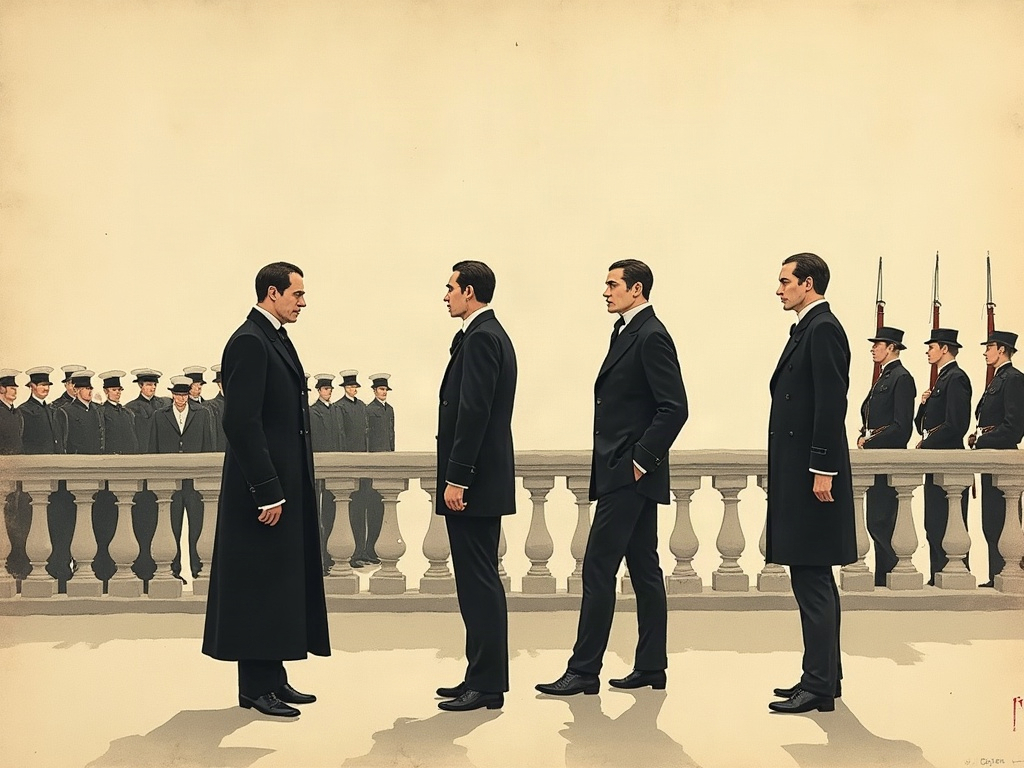
Within days a self-appointed Committee of Safety organized to depose her. Their trump card was not numbers but leverage: the United States Minister to Hawaii, John L. Stevens, sympathetic to annexation, ordered marines ashore from the USS Boston, ostensibly to protect American lives and property. In practice, the presence of armed American troops in the streets of Honolulu made resistance by the queen’s forces suicidal.
Surrender under protest
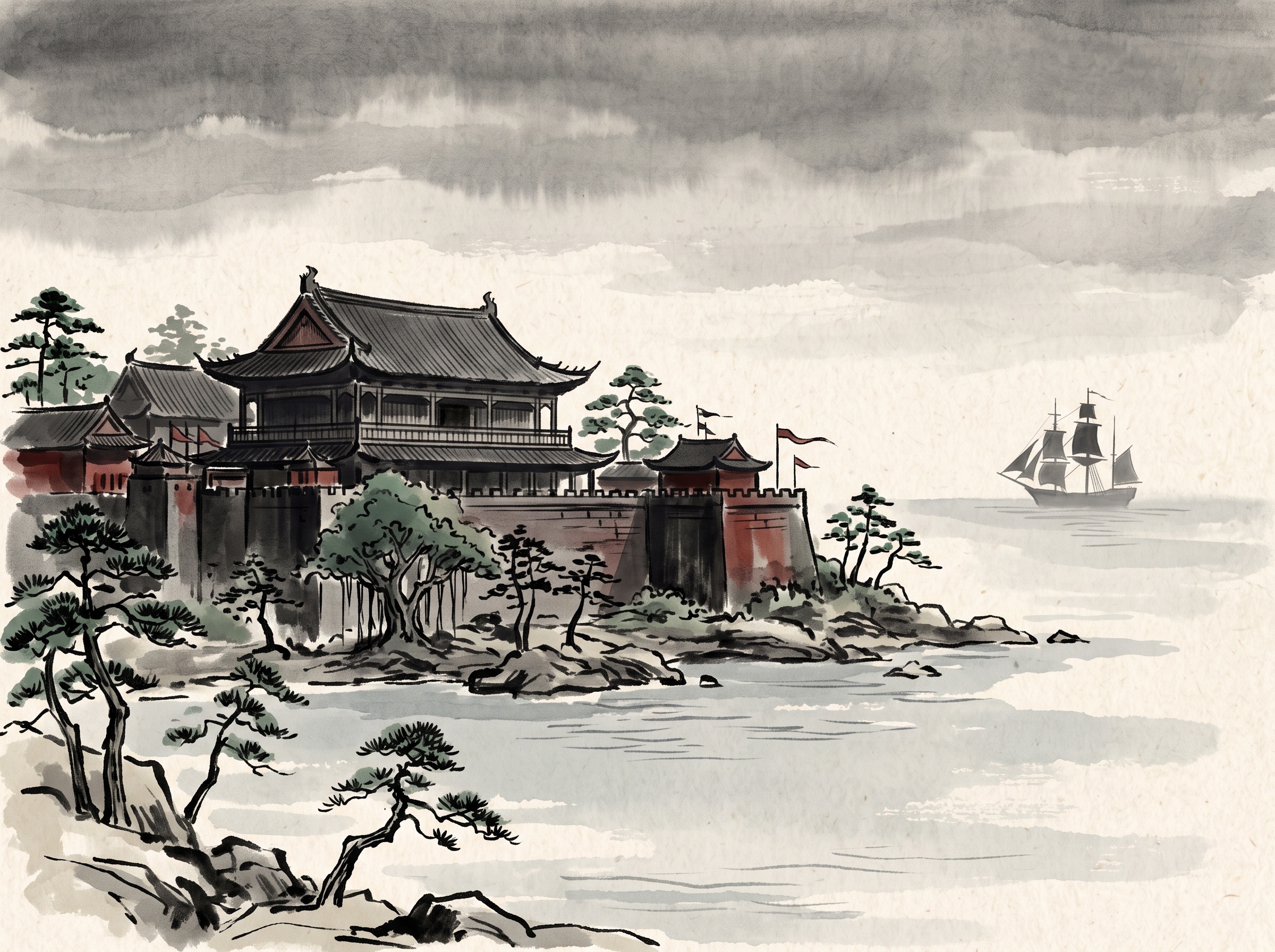
Lili’uokalani had loyal men and the legal right to use them. She also understood exactly what facing down the marines would cost: Hawaiian blood spilled in a fight that could not be won. So she made a calculated, agonizing choice. She surrendered her authority — but not to the Committee of Safety. In a carefully worded protest, she yielded to the superior force of the United States of America, trusting that when Washington understood what had been done in its name, a just government would undo it and restore her throne.
It was a sovereign’s gamble on American conscience. For a moment, it even seemed it might pay off. President Grover Cleveland, on investigating, concluded the overthrow had been an unlawful act carried out with improper American support, and he called for the queen to be restored. But the provisional government, now led by Sanford Dole, simply refused to step down — and declared itself the Republic of Hawaii instead. A president’s disapproval, it turned out, was not the same as a president’s action.
A prisoner in her own palace
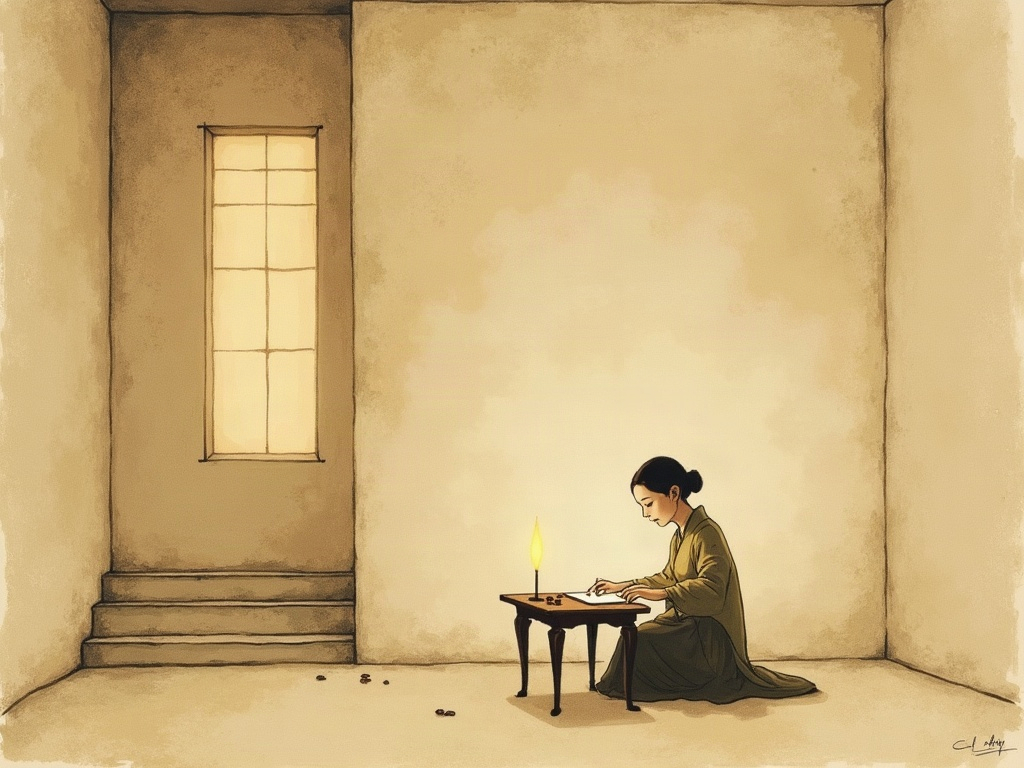
The cruelest chapter came in 1895. An attempted counter-revolution by royalists loyal to the queen failed, and a cache of weapons was discovered in the garden of her home. Whether or not she had foreknowledge, the new government had its excuse. Lili’uokalani was arrested, tried before a military tribunal, and sentenced — then confined for roughly eight months in an upstairs room of ‘Iolani Palace, the very seat of the monarchy she had led. To secure clemency for her condemned supporters, she was pressured into signing a formal abdication, renouncing the throne.
She answered captivity the only way left to a queen with no army and no power: she wrote. During her imprisonment she composed music, including the sorrowful Ke Aloha o Ka Haku — “The Queen’s Prayer” — a petition for her people set to melody. A gifted composer long before her fall, she poured her grief and her faith into songs that would outlast every politician who had wronged her. Later she would write her own account, Hawaii’s Story by Hawaii’s Queen, so that the record could never be told solely by the men who took her kingdom.
Annexation, and the long echo
In 1898, with a war against Spain making Pacific bases suddenly urgent, the United States annexed Hawaii. The kingdom that had surrendered “under protest” five years earlier was absorbed outright. Lili’uokalani lived on in Honolulu, a deposed queen among her people, until her death in 1917. She never saw her throne restored.
But her protest did not die with her. She had insisted, in writing and in song, that a wrong had been done — and history slowly came around to her view. In 1993, on the hundredth anniversary of the overthrow, the United States Congress passed a formal resolution apologizing for its role in the illegal toppling of the Hawaiian Kingdom, acknowledging that Native Hawaiians had never directly surrendered their sovereignty. It was a century late, and it changed no borders. Yet it was, in a sense, the verdict the queen had gambled on in 1893 — arriving long after she could hear it.
Why her story still matters
It would be easy to remember Lili’uokalani as a tragic figure, a monarch who lost. That misses what she actually did. Handed an impossible choice, she refused to buy her throne with her people’s lives, and she refused to let the theft be forgotten. Her weapons in the end were a pen, a melody, and a stubborn insistence on the truth of what happened — and those proved durable enough to shape how an entire nation would one day judge its own conduct. The last queen of Hawaii lost her kingdom. She never lost the argument.