The Forty-Seven Ronin: The Samurai Who Waited Two Years to Avenge Their Master

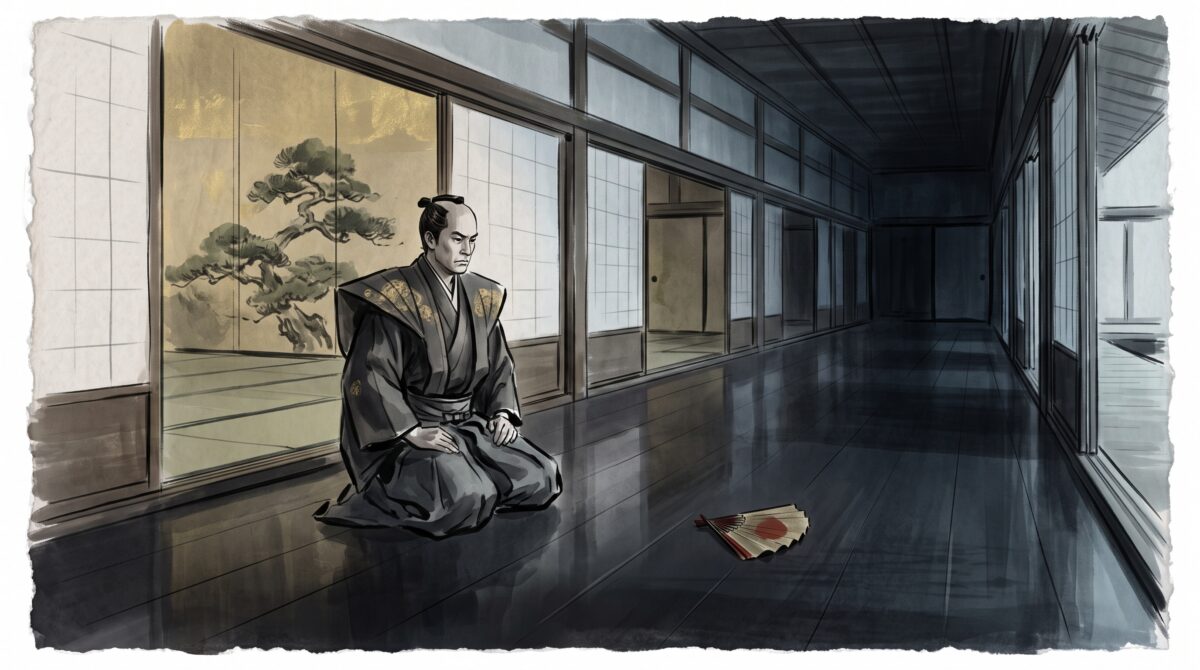
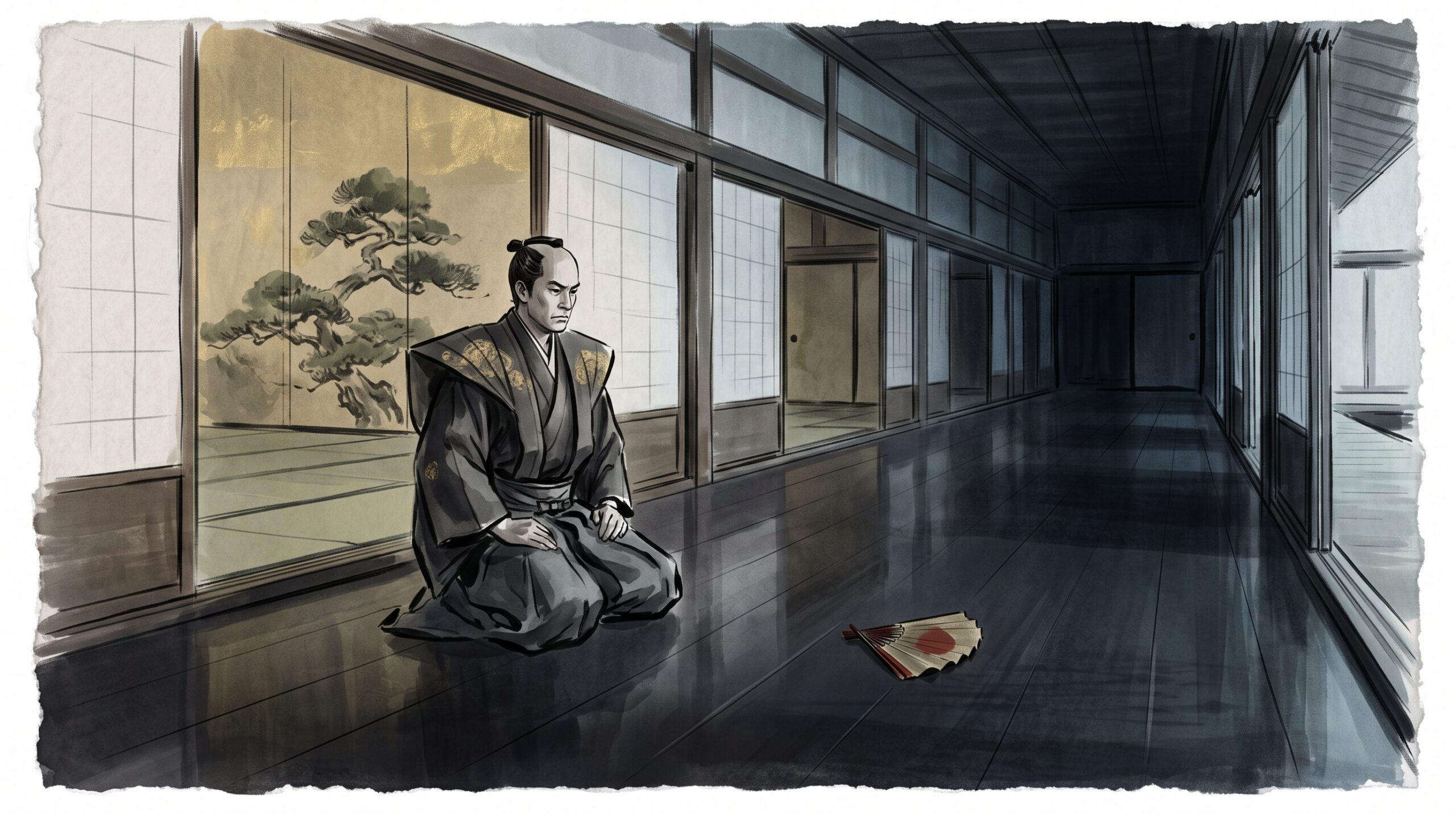
On a spring morning in 1701, inside Edo Castle, the seat of the shogun himself, a provincial lord did something for which there could be only one punishment. Asano Naganori, the young daimyo of Ako, drew his short sword and slashed at a senior official named Kira Yoshinaka, cutting him across the face and shoulder. Kira survived. Asano would not. To bare a blade in anger within the shogun’s castle was a capital offense, and the sentence came down the same day. By evening the young lord knelt on white cloth and opened his own belly, as honor and the law demanded. He was dead before the sun had set.
The Quarrel No One Fully Understood
Exactly what passed between the two men has been argued over ever since. Asano had been given the delicate, expensive duty of helping to receive envoys from the imperial court in Kyoto, and Kira, a master of courtly protocol, was supposed to guide him through its endless rituals. The stories say Kira treated the younger man with contempt, perhaps because Asano had failed to offer the customary gifts that greased such relationships, perhaps out of simple arrogance. Humiliated past endurance, Asano struck. Whatever the true cause, the outcome was ruthless and one-sided: Asano was ordered to die, his lands were confiscated, his castle at Ako was surrendered, and his house was abolished. Kira, the man who had provoked him, walked away without so much as a reprimand.
With their lord dead and their domain erased, Asano’s samurai were cast adrift. They became ronin — masterless warriors, men whose entire identity had been bound to a house that no longer existed. More than three hundred had served Asano. Most quietly accepted their ruin and drifted away to find new lives. But a core of them could not let the injustice stand.
The Patient Man
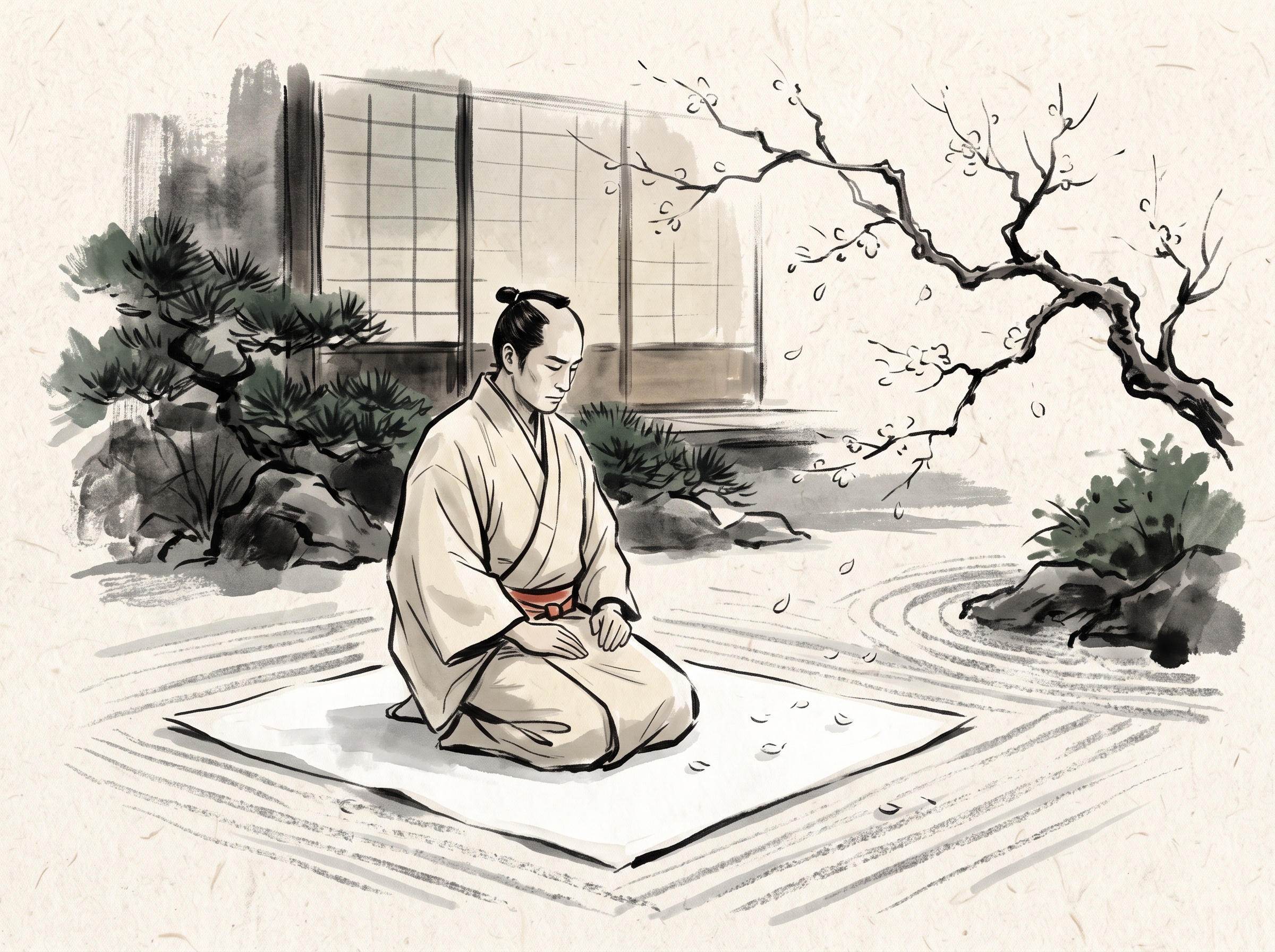
Their leader was Asano’s former chief retainer, Oishi Kuranosuke Yoshio. He understood at once that revenge would be neither easy nor fast. Kira, knowing full well that loyal retainers might come for him, surrounded himself with guards and kept spies watching the scattered ronin for any sign of a plot. To move too soon was to die for nothing.
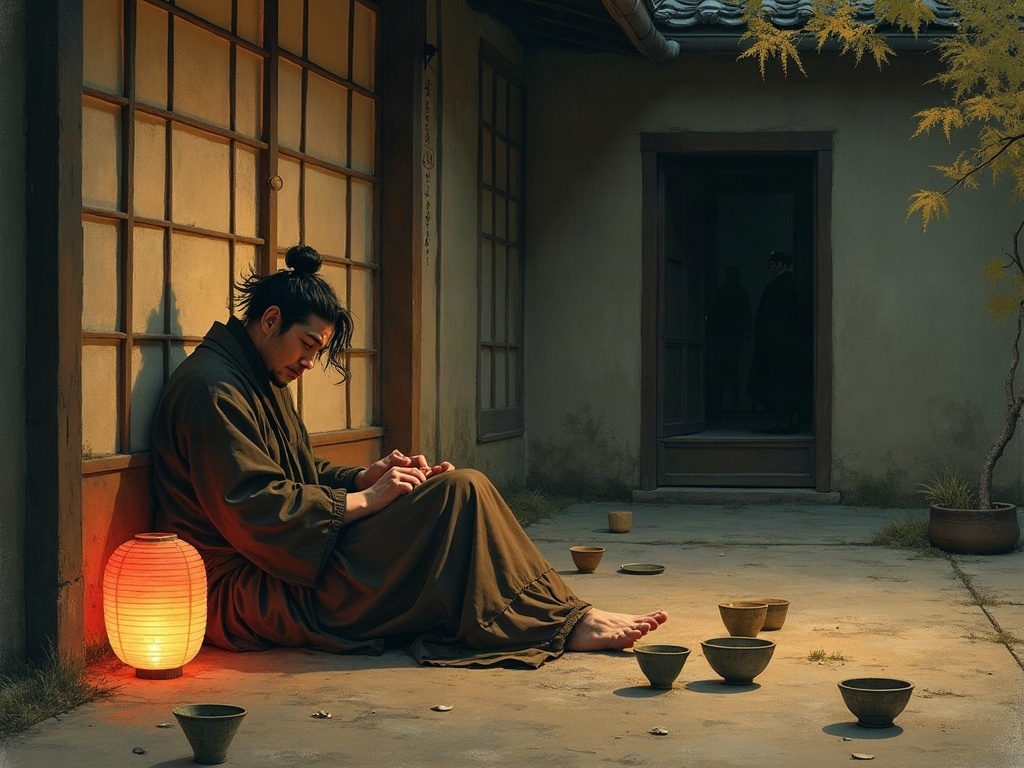
So Oishi did something that must have cost his pride more than any battle. He set out to appear a broken man. He moved to Kyoto, abandoned himself to drink, and spent his days and nights in the pleasure quarters, drunk and dissolute in full public view. He let himself be seen collapsed in the street. He went so far as to divorce his wife and send her away with their children, so that no harm would come to them when the reckoning finally arrived. Kira’s agents watched this ruin unfold and reported back that the famous retainer had lost his nerve and his honor. Slowly, the watchers relaxed their guard. That was exactly what Oishi wanted.
The Snowy Night
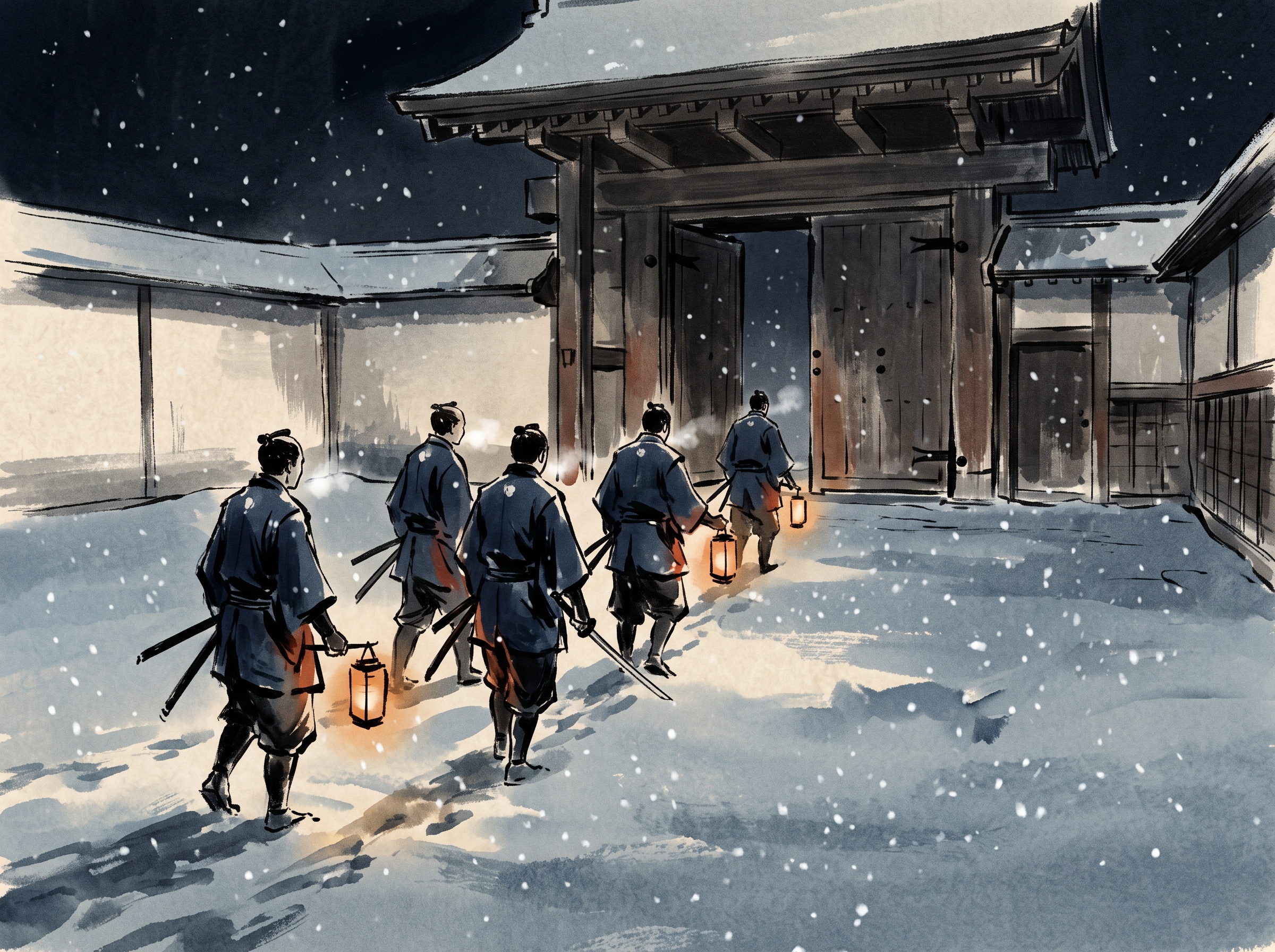
In secret, the conspirators had never stopped preparing. They gathered weapons without drawing notice, memorized the layout of Kira’s heavily defended mansion in the Honjo district of Edo, and bound themselves by oath. By the deep winter of 1702 — in the old Japanese calendar, the fourteenth night of the twelfth month — they were ready. Forty-seven men assembled in the dark and the falling snow.
They split into two parties and attacked the mansion from front and rear at once. In the chaos they overwhelmed Kira’s guards, taking care, the accounts insist, to warn the neighbors that this was a lawful vendetta and not a robbery, so that no innocent household would panic. They searched the great house room by room and could not find their quarry — until they discovered a hidden courtyard and, cowering in an outbuilding used for charcoal, an old man who would not give his name. When they saw the scar on his face from Asano’s blade, they knew.
A Death Offered, Not Forced
What happened next is the heart of the legend. The ronin did not simply cut Kira down. Oishi knelt before him and, with great formality, explained who they were and why they had come, then offered Kira the chance to die honorably by his own hand, as a samurai should — even offering him the very dagger with which Asano had taken his own life. Kira, frozen with fear, could not or would not answer. And so Oishi carried out the sentence himself, beheading the man who had destroyed their master.
In the cold dawn they formed up and marched across the city carrying Kira’s head, a strange and solemn procession that drew astonished crowds. They walked all the way to Sengakuji, the temple where Asano was buried, washed the head in a well, and laid it upon their lord’s grave. Their vow, nearly two years in the keeping, was fulfilled. Then they turned themselves in and waited to learn what the shogunate would decide.
Honor Against the Law
It was an impossible judgment, and everyone knew it. The forty-seven had embodied the highest ideal of the warrior’s code — absolute loyalty to a master, even unto death, the same unbending devotion that runs through so many of history’s great samurai stories, from the admiral who defied impossible odds for his king to warriors across East Asia whose names outlived empires, like the undefeated Mongol princess of the steppe. By the values the whole society claimed to hold sacred, the ronin were heroes.
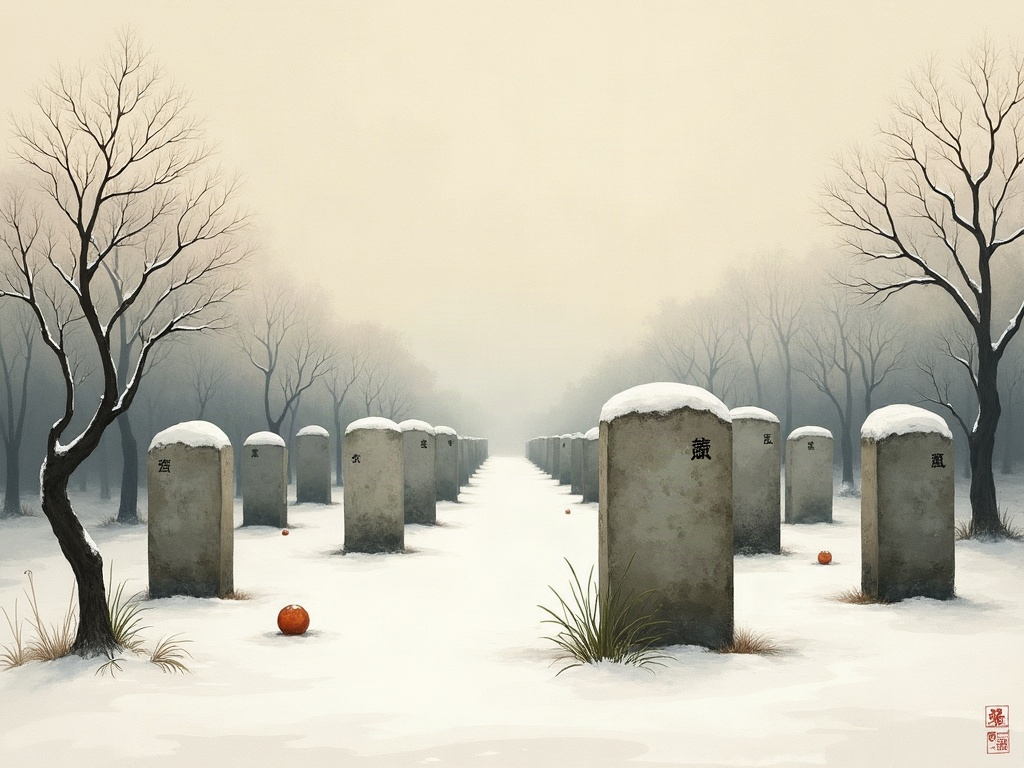
Yet they had also carried out a planned, unauthorized killing in defiance of the law, and a government that excused that would be inviting every grievance in the land to settle itself in blood. After long and anguished debate, the shogunate reached a verdict meant to honor both truths at once. The ronin were not treated as common criminals to be executed in disgrace. Instead they were permitted to die as samurai, by their own hand. In early 1703, forty-six of them committed seppuku together and were buried at Sengakuji, in a row beside the master they had avenged. The forty-seventh, the youngest, had been sent away as a messenger before the raid’s end; he was spared, lived into old age, and was finally laid to rest among his comrades when his time came.
Why the Story Never Died
The tale of the forty-seven ronin seized the Japanese imagination almost at once and never let go. Within decades it was being staged as Chushingura, “The Treasury of Loyal Retainers,” and it remains one of the most beloved stories in kabuki and puppet theater, retold endlessly in prints, novels, and films down to the present day. Every December, crowds still gather at Sengakuji to lay incense at the mossy graves.
Part of its power is that it refuses to be simple. It is a story about loyalty so total that forty-seven men spent their honor, their families, and finally their lives to keep a promise to a dead man — and also a story about the collision between private justice and public law, a collision Japan has never entirely stopped arguing about. The men who kept faith with a lord the world had forgotten understood something that still unsettles us: that devotion and duty do not always run in the same direction, and that choosing between them can cost everything. Three centuries on, the snow still falls in the retelling, and we still cannot quite decide whether to call them criminals or saints. Perhaps that uncertainty is exactly why they are remembered.
Sources & further reading: