The Man Who Survived Two Atomic Bombs: Tsutomu Yamaguchi at Hiroshima and Nagasaki

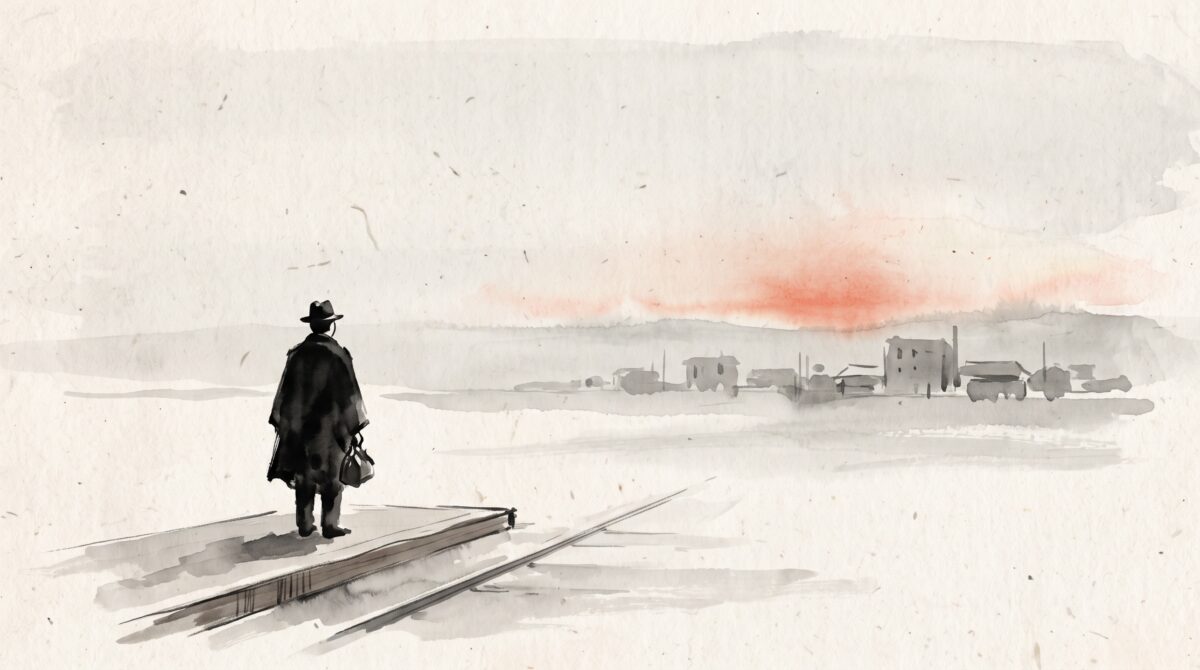
On the morning of August 6, 1945, a young engineer named Tsutomu Yamaguchi was walking through the outskirts of Hiroshima toward a shipyard, his mind already on the journey home. He was twenty-nine years old, and he had spent a long, homesick summer far from his wife and infant son. That afternoon he was finally due to leave. He never made his train. Instead, at a quarter past eight, the sky above the city tore open with a light so bright it seemed to swallow the sun — and Yamaguchi became a witness to the opening of the atomic age. What makes his story almost impossible to believe is that it did not end there. Three days later, and a hundred and eighty miles away, it happened to him again.
A Draftsman a Long Way From Home
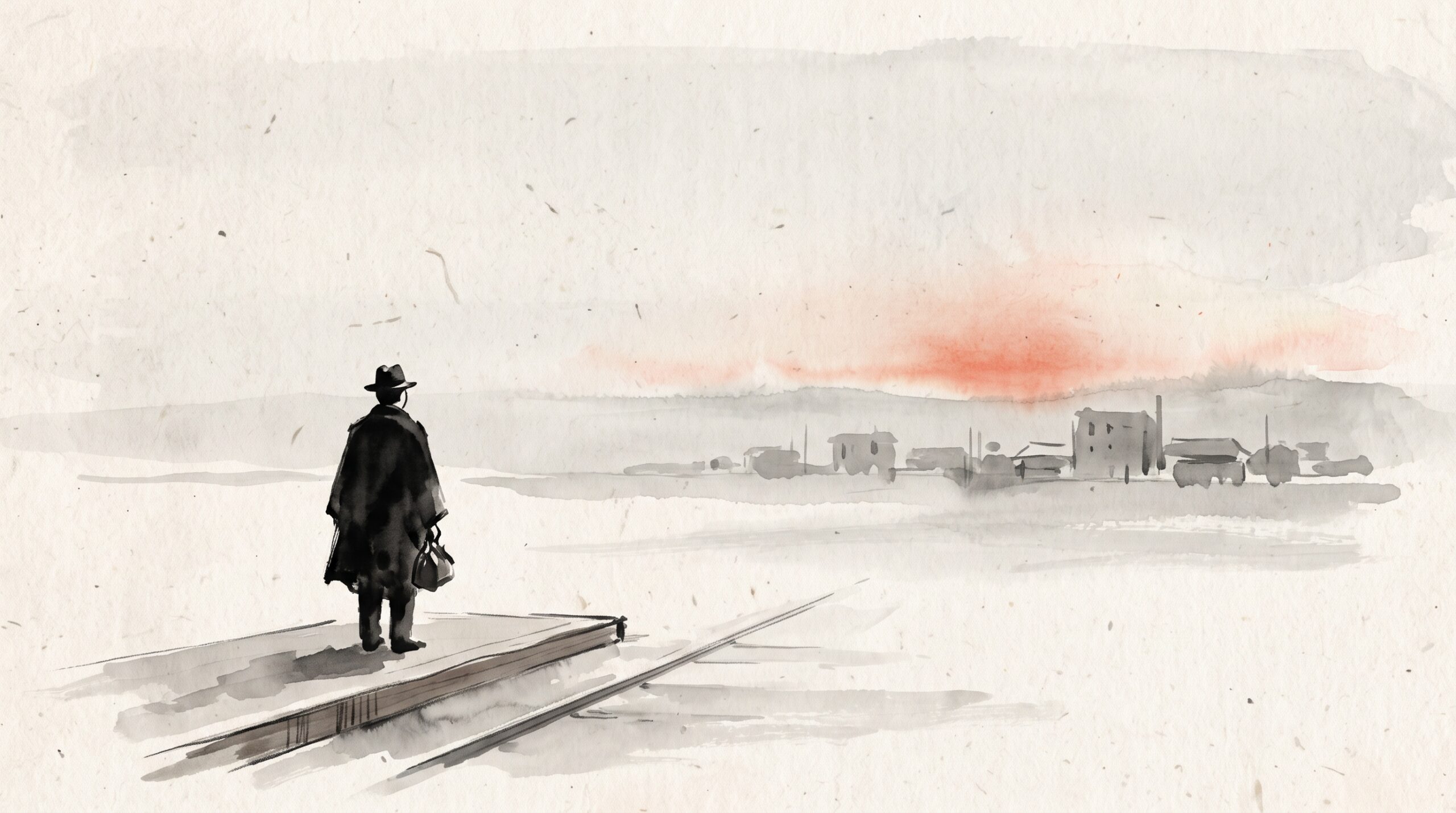
Yamaguchi was born in Nagasaki in 1916, studied technical drawing, and went to work for Mitsubishi Heavy Industries as a draftsman, designing oil tankers. He was a quiet, methodical man in a country consumed by a war he privately opposed. In the summer of 1945 the company sent him on a three-month assignment to Hiroshima, and by early August the trip was mercifully coming to an end.
August 6 was to be his last day in the city. He had already packed. Walking to the shipyard that morning, he realised he had left his travel permit behind and turned back to fetch it — a small, ordinary errand that placed him out in the open, roughly three kilometres from the point over which the bomb would detonate.
8:15 in the Morning
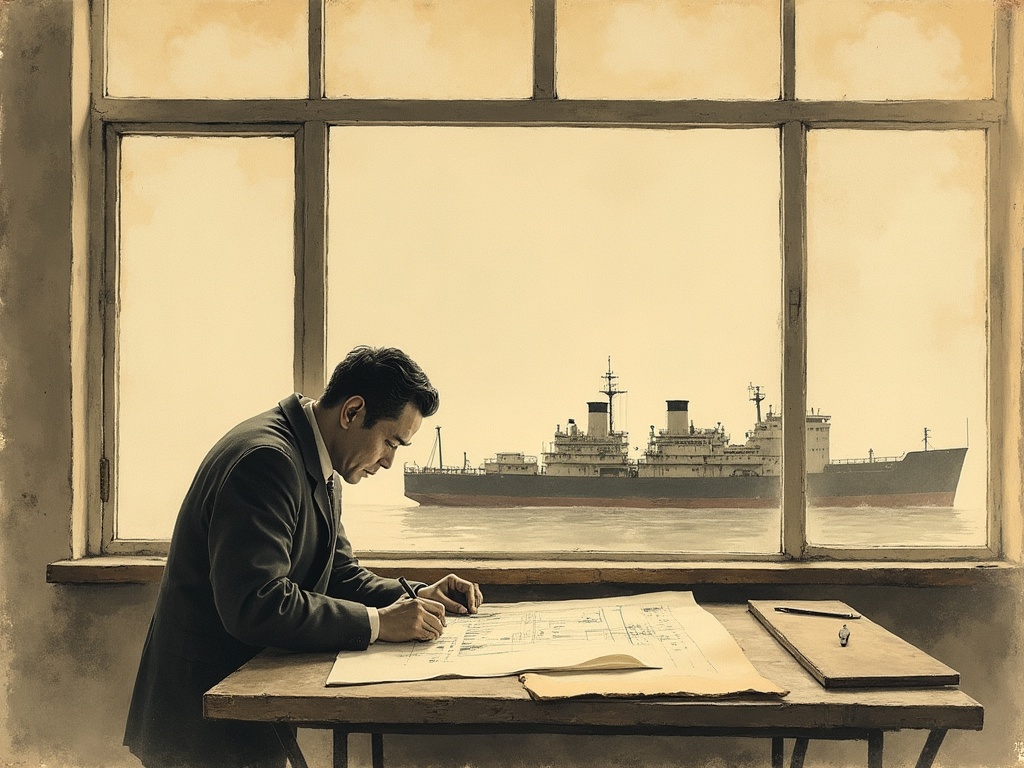
He remembered a droning aircraft high overhead, and then a great flash of white-and-silver light rolling across the sky, like the flare of a colossal magnesium flame. Instinct threw him into a ditch. A moment later the blast wave lifted him from the ground, spun him through the air, and slammed him back down. When he opened his eyes the morning had turned to a strange, dust-choked twilight, and a vast pillar of fire and smoke was climbing into the heavens where the centre of the city had been.
Yamaguchi had been badly burned across his upper body and left side. His eardrums were ruptured, and for a time he could barely see. Around him the survivors moved like ghosts through the ruins, skin hanging from their arms, calling for water. He spent that night in an air-raid shelter, and the next day he searched out the remains of the train line, determined to do the only thing that made sense to a wounded man: go home.
The Long Way Home
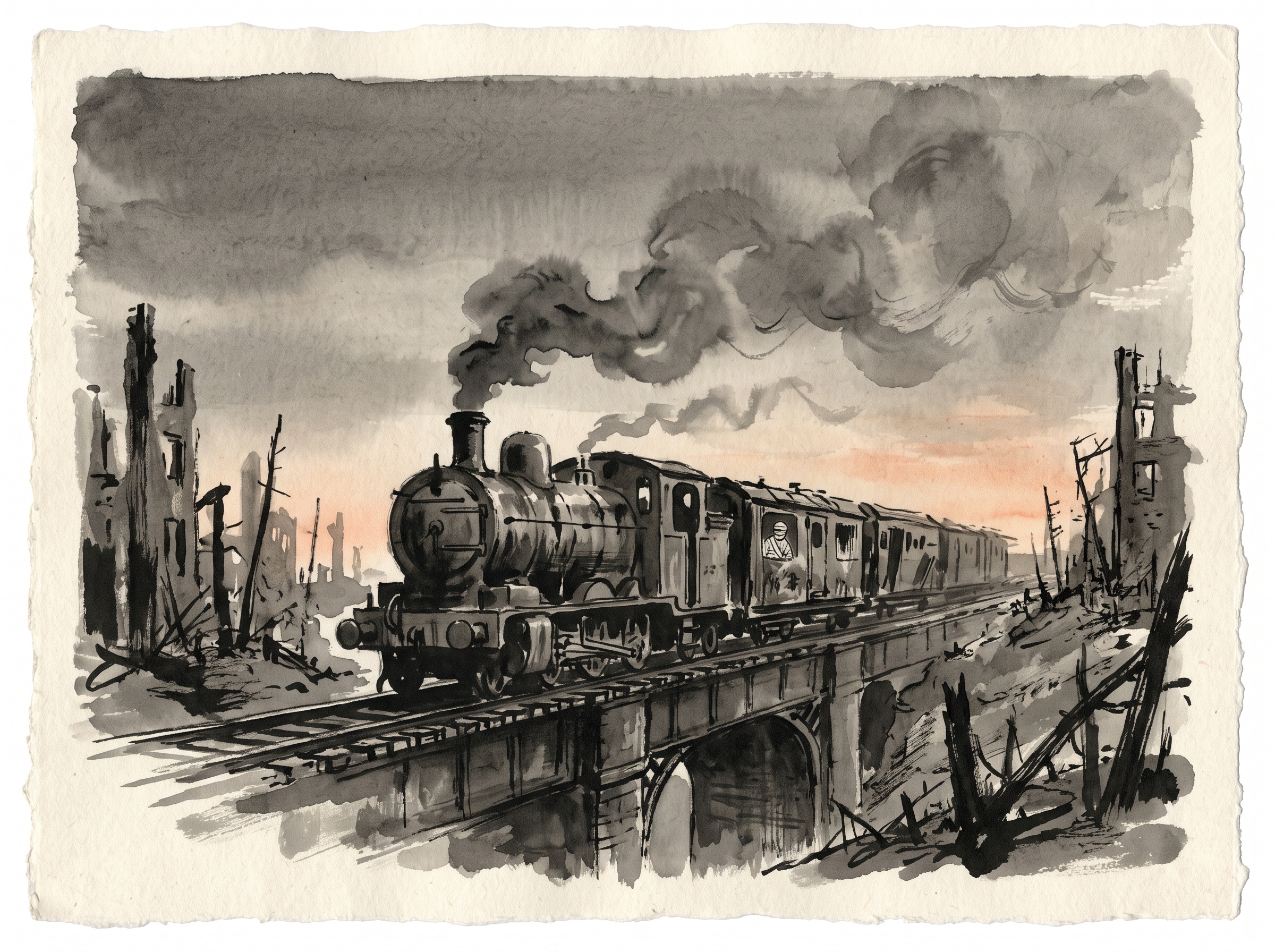
The journey out of Hiroshima was a passage through hell. Trains, improbably, were still running in places, packed with the burned and the dying. Yamaguchi, swathed in bandages, made the long trip across the country toward the one place that meant safety and family. That place was Nagasaki.
He reached home, was tended to, and by the morning of August 9 he had bandaged his wounds and, astonishingly, gone back to work. He believed the worst was behind him. He wanted to tell someone what he had seen — to make his colleagues understand that a single bomb had erased an entire city in an instant.
“You Are a Madman”
That morning Yamaguchi stood in his Mitsubishi office describing the impossible thing he had witnessed. His supervisor listened with mounting disbelief. One bomb, one aircraft, an entire city gone? The man told him he had clearly lost his mind — no single weapon could do such a thing. Yamaguchi was still trying to convince him when, at two minutes past eleven, the office window filled once more with that same searing white light.
The second bomb had fallen on Nagasaki, and once again Yamaguchi was around three kilometres from its centre. This time the hills and buildings of the city absorbed some of the blast, and though he was knocked down again, his bandages held. He staggered home through a second burning landscape to find that his wife and son had survived — his wife had gone out looking for burn ointment for him, an errand that likely spared her. In two cities, three days apart, the same man had stood at the edge of the same fire, and lived.
The Word for What He Was
Japanese has a word for those who survived the bombs: hibakusha. For Yamaguchi and a small number of others, an even rarer term applies — nijuu hibakusha, the twice-bombed. Perhaps a hundred and sixty-five people are believed to have experienced both blasts, but for decades no one was officially acknowledged to have endured both. Yamaguchi carried his double burden quietly through the post-war years, recognised only as a Hiroshima survivor, living with the long shadows the radiation cast over his health and his family.
It was not until March 2009, when he was ninety-three, that the Japanese government formally certified him as a survivor of both Hiroshima and Nagasaki — the only person ever officially recognised as such. He accepted the distinction not with pride but with a sense of duty, believing it gave him a reason, and a voice, to speak.
The Voice He Chose
In his last years Yamaguchi became an advocate for nuclear disarmament. He wrote poetry about what he had seen, told his story to visitors and filmmakers, and travelled — frail and elderly — to the United Nations to plead that no one should ever again have to live through what he had survived twice. “I could have died on either of those days,” he reflected. “Everything that follows is a bonus, and the most important thing is to pass it on.”

Tsutomu Yamaguchi died of stomach cancer on January 4, 2010, at the age of ninety-three. He had outlived both bombs by nearly sixty-five years.
It is tempting to call his survival luck, and in the coldest sense it was — a forgotten travel permit, a wife sent out for ointment, a hillside that broke a blast wave. But luck is not the reason we remember him. Yamaguchi mattered because he refused to let his impossible survival be merely a curiosity. He turned it into testimony. In a century that learned how to end the world twice in three days, he became living proof of both the horror we are capable of and the stubborn, human insistence on going home, on healing, and on warning those who come after. That is why, all these years later, his story still deserves to be told.
Sources & further reading:
Related Reading
- The Demon Core: The Plutonium Sphere That Killed Two Scientists With a Slip of the Hand
- The Man Who Refused to Start World War III: Stanislav Petrov and the Night He Didn’t Press the Button
- The Morning Halifax Vanished: The 1917 Explosion That Rehearsed the Atomic Age