The Demon Core: The Plutonium Sphere That Killed Two Scientists With a Slip of the Hand

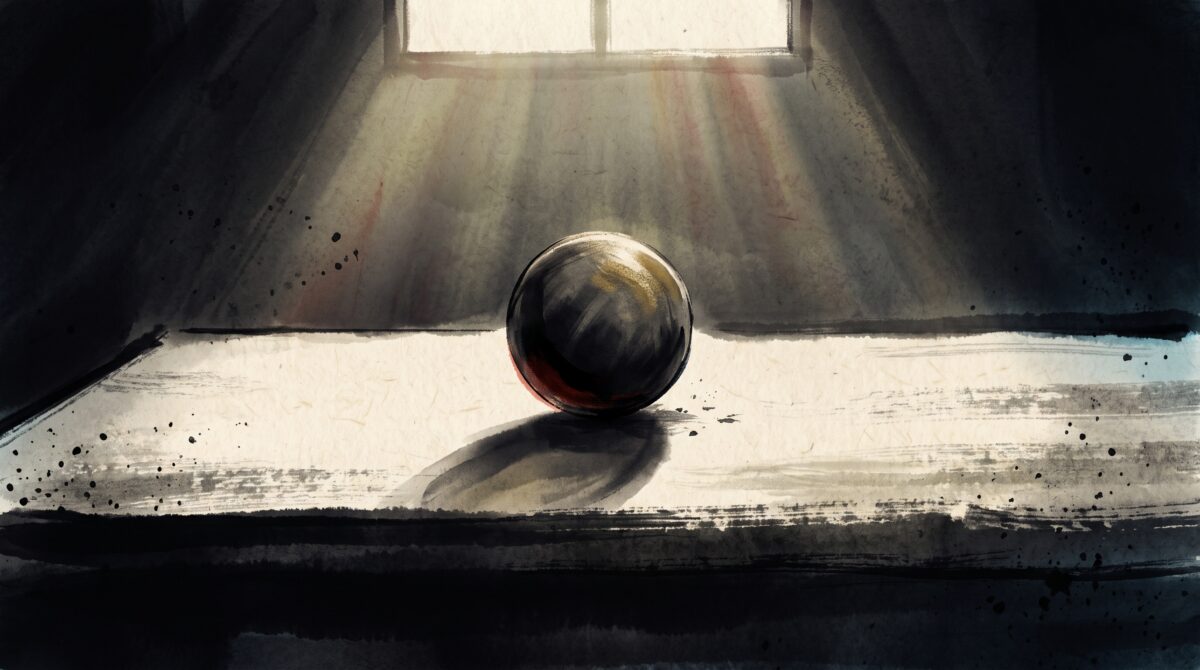
It was a sphere of plutonium about the size of a grapefruit, dull and dark and surprisingly heavy, warm to the touch from the energy quietly seething inside it. It had been forged in the last desperate months of the Second World War to be the heart of a third atomic bomb, one meant to fall on Japan around the nineteenth of August, 1945. But Japan surrendered first, and so the sphere never flew. Instead it stayed behind at the Los Alamos laboratory in the New Mexico desert, a finished weapon’s core with no war left to end, handed over to physicists who wanted to learn exactly how close such a thing could be brought to the edge of a nuclear chain reaction without tipping over it.
Twice they got too close. Twice the man leaning over the sphere made a small, human mistake that took a fraction of a second to commit and the rest of his short life to pay for. The scientists who worked with it gave it a grim nickname that has outlived almost everything else about it. They called it the Demon Core.
The Sphere That Missed Its War
To understand how a lump of metal can kill a healthy young man in a room full of air, you have to understand what the physicists were playing with. A critical mass is the amount of fissile material needed to sustain a runaway chain reaction. The Demon Core, by itself, sat just below that threshold — stable, if left alone. But surround it with the right material, a reflector that bounces escaping neutrons back into the sphere, and you can nudge it toward criticality without adding a single gram of plutonium. The experiments at Los Alamos were studies in exactly how much reflection it took to wake the dragon.
It was delicate, unforgiving work, and everyone knew it. The reward for getting it wrong was not an explosion — the core would never detonate like a bomb in those conditions — but something quieter and, for the person standing over it, just as lethal: a sudden, invisible burst of neutron and gamma radiation, a flash of heat and a ghostly blue glow as the air itself ionized, there and gone in an instant.
The First Accident: A Falling Brick
On the night of 21 August 1945, a twenty-four-year-old physicist named Harry Daghlian was working alone but for a security guard, building a wall of tungsten-carbide bricks around the core, one at a time, to study how the reflected neutrons pushed it toward criticality. He was lowering a final brick into place when his hand slipped and it tumbled directly onto the assembly.
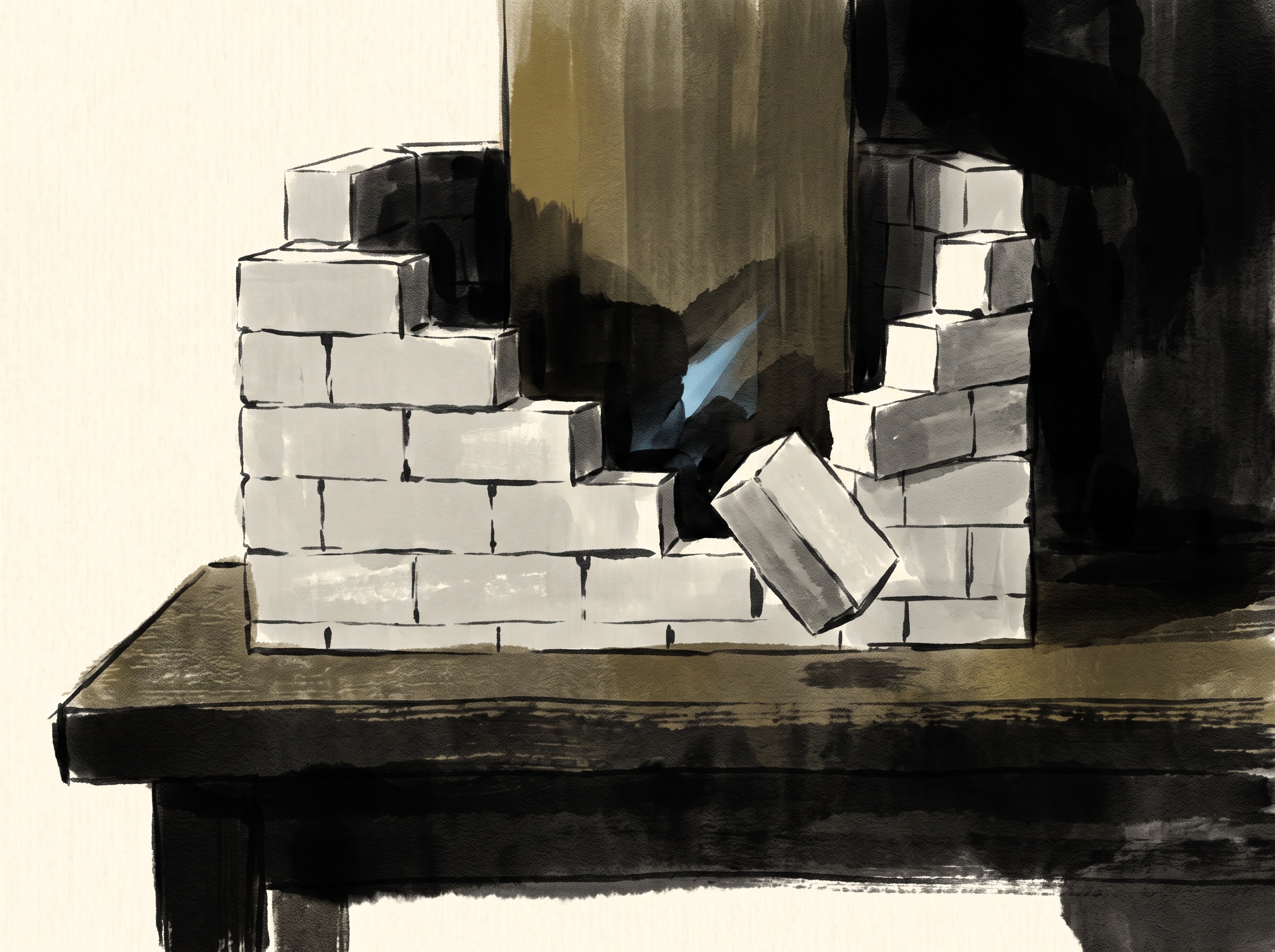
The core went briefly supercritical. There was a flash of blue light and a wave of heat across his hand. Daghlian reacted the only way instinct allowed — he reached in and knocked the brick away to stop the reaction, and in doing so held his hand in the radiation a moment longer. He saved himself from an even worse dose, but the one he had already absorbed was fatal. He fell ill within hours, his hand blistering and his body failing by degrees, and he died twenty-five days later. He was the first person known to be killed by a criticality accident.
The Second Accident: Tickling the Dragon’s Tail
You would think one death would have been enough. The same core, now notorious among the Los Alamos staff, was handed to a brilliant, confident Canadian physicist named Louis Slotin, who had a reputation for being the laboratory’s steadiest pair of hands around a live core. He performed a demonstration so hazardous that Enrico Fermi had reportedly warned the men doing it they would be “dead within a year.” Richard Feynman gave it a name that stuck: tickling the dragon’s tail.
The trick was to lower a beryllium dome — a neutron reflector — over the core, bringing the two halves of a shell almost, but not quite, together. The closer they came, the hotter the neutron activity, and the whole art lay in stopping just short. Protocol called for shims to hold the halves safely apart. Slotin, impatient and sure of himself, dispensed with them. He held the upper dome up with nothing but the blade of a flathead screwdriver, keeping the deadly gap open by the pressure of his own hand on the handle.
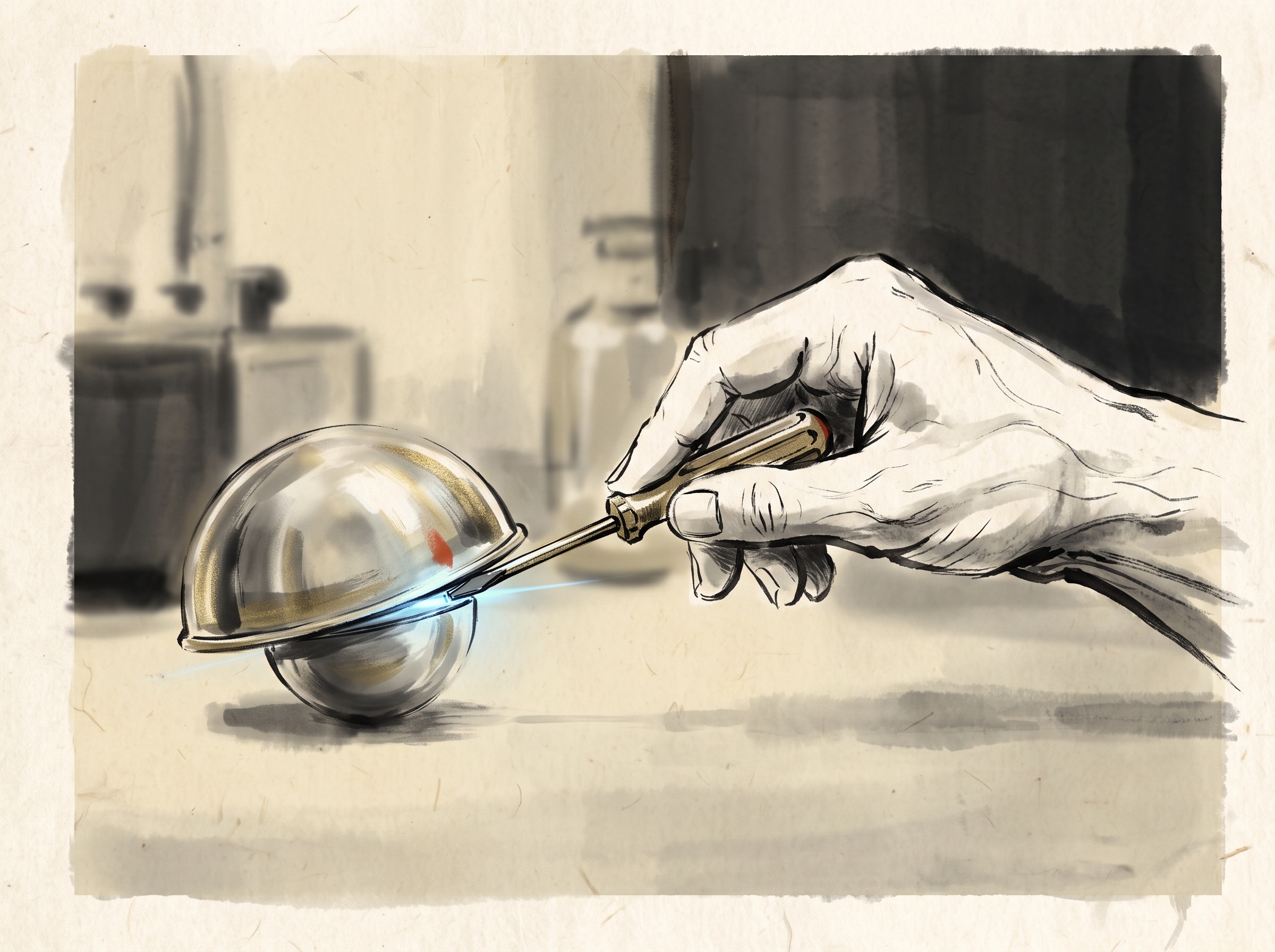
On 21 May 1946, in front of seven colleagues, the screwdriver slipped. The dome dropped. The core snapped into prompt supercriticality and the room flooded with the same blue glow and a pulse of heat Slotin would have recognized at once for what it was. In perhaps half a second he wrenched the upper shell off with his bare hand and flung it to the floor, breaking the reaction. The gesture almost certainly saved the lives of the men behind him — but it came far too late for him. He had stood closest, and he had reached into the worst of it to end it.
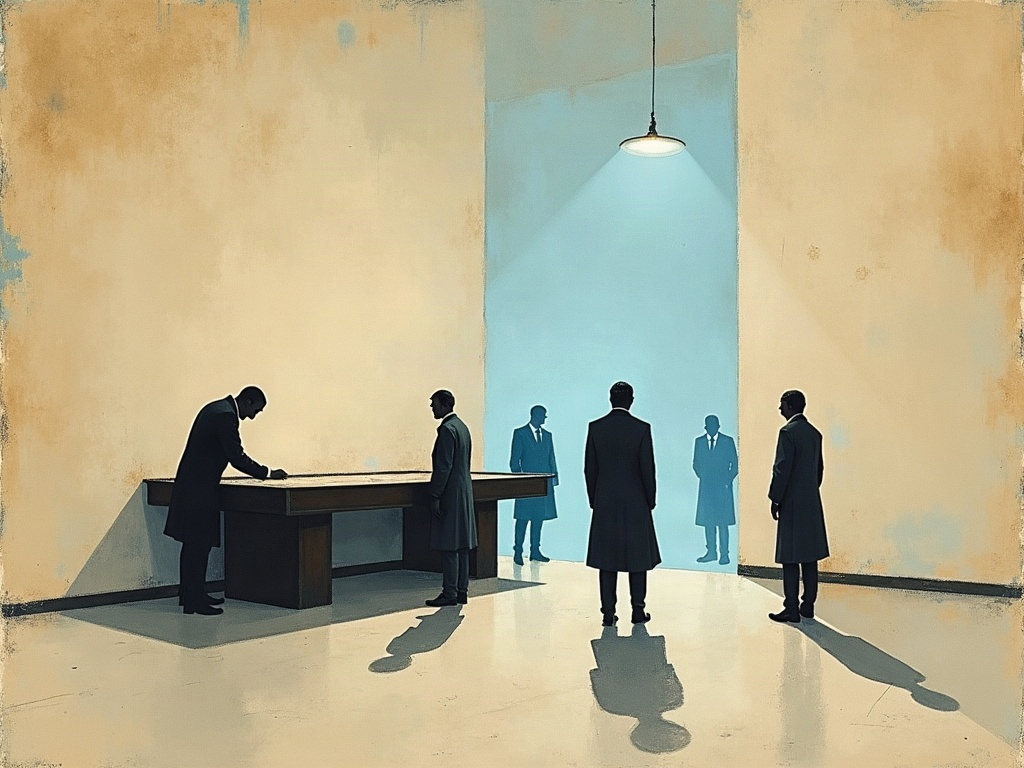
Slotin knew immediately that he was a dead man. He calmly marked where everyone had been standing so the doctors could estimate each person’s dose, and walked out to be driven to the hospital. He died nine agonizing days later. The seven others in the room survived, though some carried the consequences for the rest of their lives.
What the Demon Core Left Behind
After the second death, Los Alamos finally did what hindsight screams it should have done after the first. Hands-on criticality experiments were banned outright. From then on, the dangerous work was performed by remote control, with machines doing the touching and the people a quarter of a mile away behind shielding. The core itself, its reputation now beyond salvage, was melted down that summer and its plutonium recycled into other weapons — the demon dismantled and scattered.
The accidents were kept quiet for years, buried in the secrecy of the early atomic age. That same institutional carelessness with world-ending power echoes all through the era: a nation that treated radiation as a plaything before it understood the danger, as we told in the story of the shoe-store X-ray machines and the slow dawn of radiation safety, and that paid for the lesson in human lives, as the women in the story of the Radium Girls learned before anyone. The Cold War would go on to misplace entire weapons, as it did with the hydrogen bomb still lost off the Georgia coast, and would more than once come within a single human decision of catastrophe, as it did on the night Stanislav Petrov refused to start World War Three.
What makes the Demon Core linger in the mind is how small the margin was. Not a bomb falling, not a reactor melting — just a slip of a brick, a slip of a screwdriver, the kind of ordinary fumble any of us makes a dozen times a day. Daghlian and Slotin were not reckless fools; they were careful, gifted men who had grown a little too comfortable standing next to something that would never, ever forgive a single careless half-second. The dragon they were tickling did not roar or rage. It simply waited, perfectly patient, for the hand to shake — and then, in a flash of blue light, it answered.
Sources & further reading:
Related Reading
- The Man Who Survived Two Atomic Bombs: Tsutomu Yamaguchi at Hiroshima and Nagasaki
- The Night Saboteurs Blew Up New York Harbor: The Forgotten Black Tom Explosion of 1916
- The Invisible Light: How X-rays Went from Accidental Discovery to World-Changing Technology