When X-Rays Were a Toy: The Shoe-Store Machines and the Long, Slow Dawn of Radiation Safety

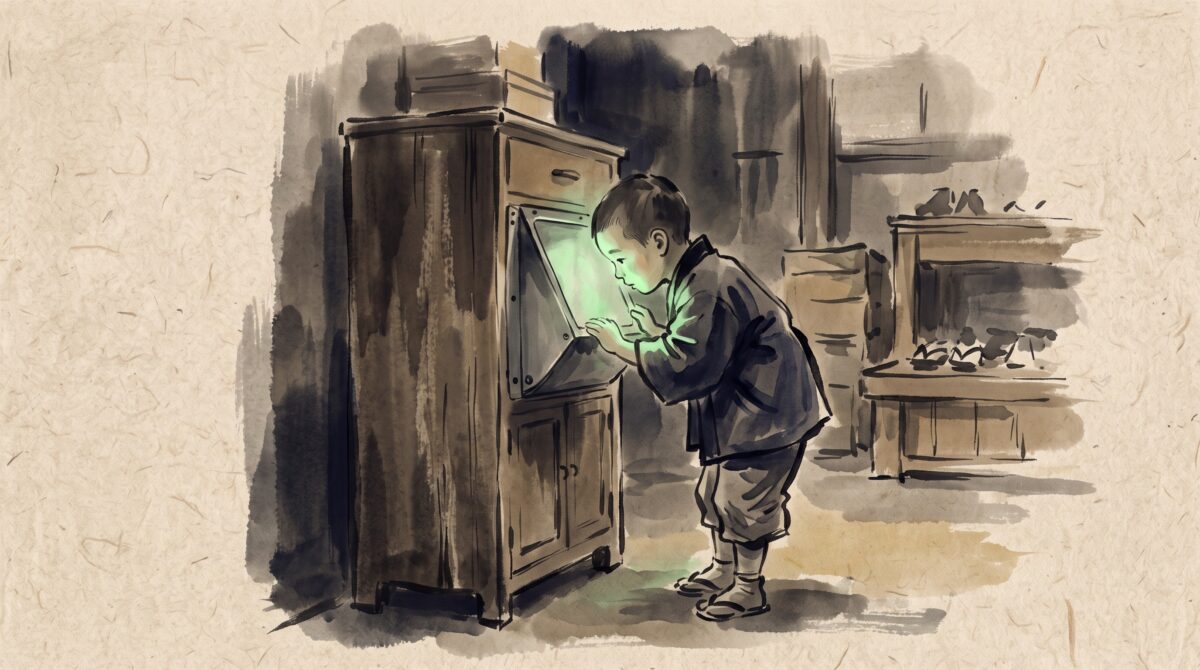
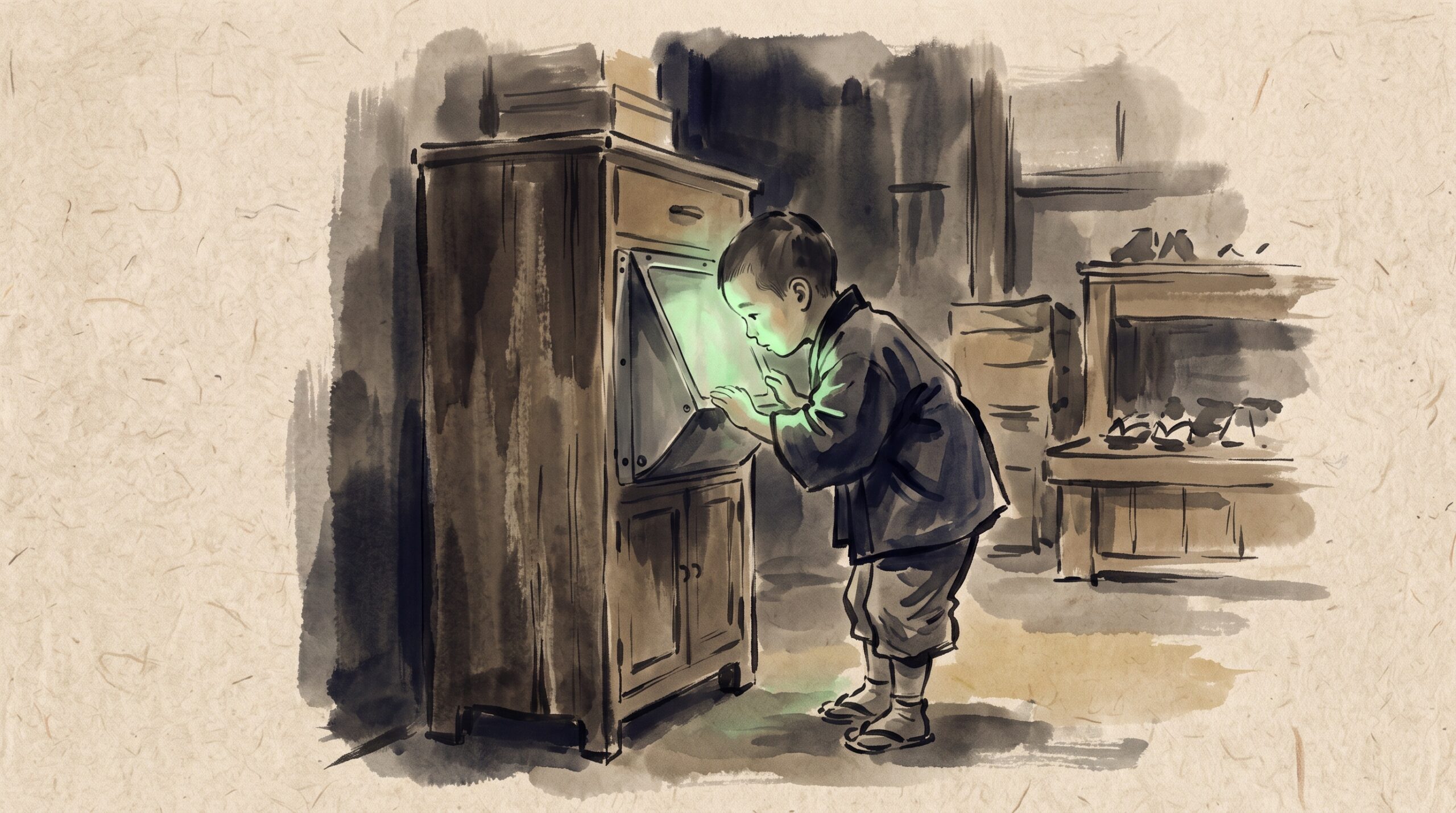
Picture a shoe store on a Saturday afternoon, somewhere in the middle of the twentieth century. A mother has brought her son in for a new pair of school shoes, and the boy is bored, until he sees it: a tall wooden cabinet standing near the fitting stools, with a little platform at the bottom and three viewing hoods on top. The salesman smiles, slides the boy’s feet into an opening, and flips a switch. The boy leans over a hood, and there, in a glowing green haze, are the bones of his own feet, wiggling as he curls his toes. He gasps. He calls his mother over to look. He begs to do it again.
That machine was a shoe-fitting fluoroscope, and for roughly three decades it was one of the most beloved gadgets in retail. It was also, though almost nobody thought so at the time, a device that sprayed X-rays into the feet, hands, and faces of everyone who used it. The story of how it rose to popularity and how long it took to disappear is really the story of a bigger and more human failing: how easily wonder can outrun caution, and how slowly the world learns that a miracle can also be a danger.
A ray that felt like magic
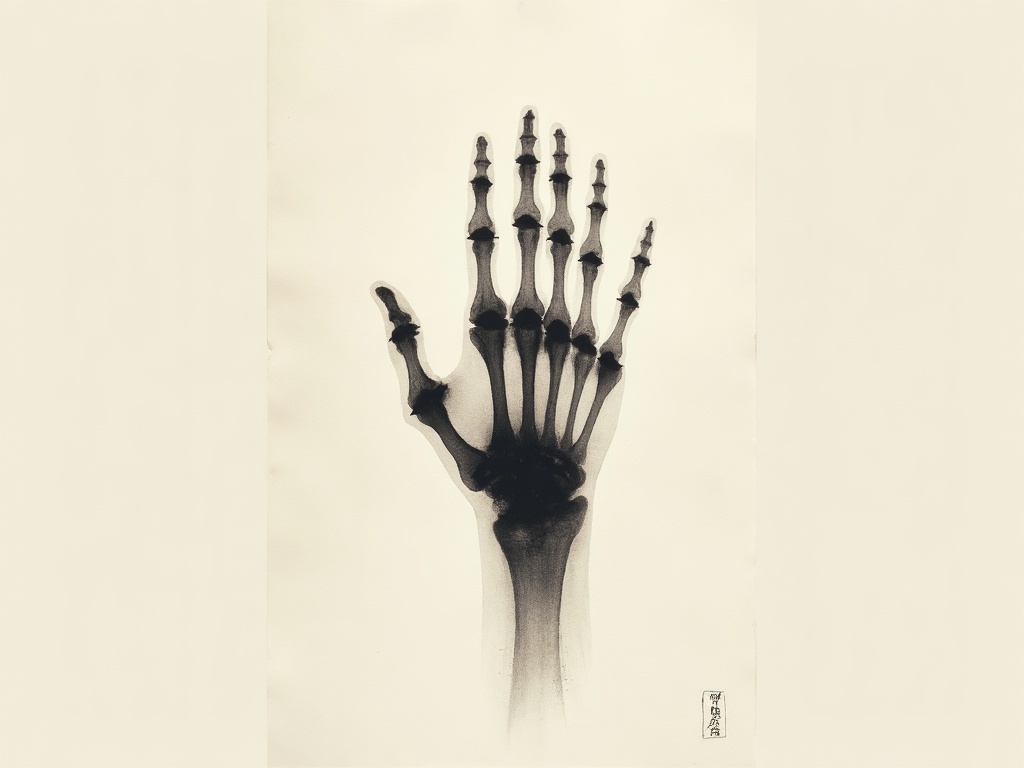
To understand the craze, you have to remember how astonishing X-rays were when they arrived. When Wilhelm Roentgen stumbled onto them in 1895, he gave humanity a power that had belonged only to legend: the ability to see inside a living body without cutting it open. The very first images, ghostly hands with the bones showing through, spread around the world and left people genuinely awestruck. It is hard, from our vantage point, to recover how uncanny that was. The solid, private interior of the body had suddenly been thrown open to the eye.
Wonder like that does not stay in the laboratory. Within months, X-rays escaped into popular culture. Showmen set up machines at fairs so people could peer at their own skeletons. Studios offered X-ray portraits. Enterprising salesmen imagined all the places a see-through ray might be useful. And one of them landed on a wonderfully practical idea: if you could see the bones of a foot inside a shoe, you could prove, right there in the store, whether the shoe truly fit.
The machine in every shoe store
The shoe-fitting fluoroscope, sold under names like the Foot-O-Scope and the Pedoscope, spread through shoe stores from the 1920s onward and became a fixture through the 1940s and into the 1950s. At its peak there were thousands of them across the United States, Britain, and beyond, and getting to use one was half the fun of buying shoes.
The pitch was clever. It dressed a child’s toy in the language of science and care. A parent could lean over the second hood and a salesman over the third, and all three could study the greenish image of small bones inside the outline of a new shoe, nodding gravely about toe room and growing feet. It felt modern. It felt responsible. What parent would object to a machine that used the marvel of the age to make sure their child’s shoes fit properly?
Almost nobody stopped to ask the harder question: what, exactly, was that eerie green glow doing to the foot it revealed? The machines often ran for many seconds at a time, several times a visit, and children, delighted, came back for another look whenever they could. The salespeople operating them, standing beside the cabinets all day, were bathed in scattered radiation for years.
The warnings were already there
Here is the part that stings. The danger was not a secret waiting to be discovered. It had been written in flesh from the very beginning.
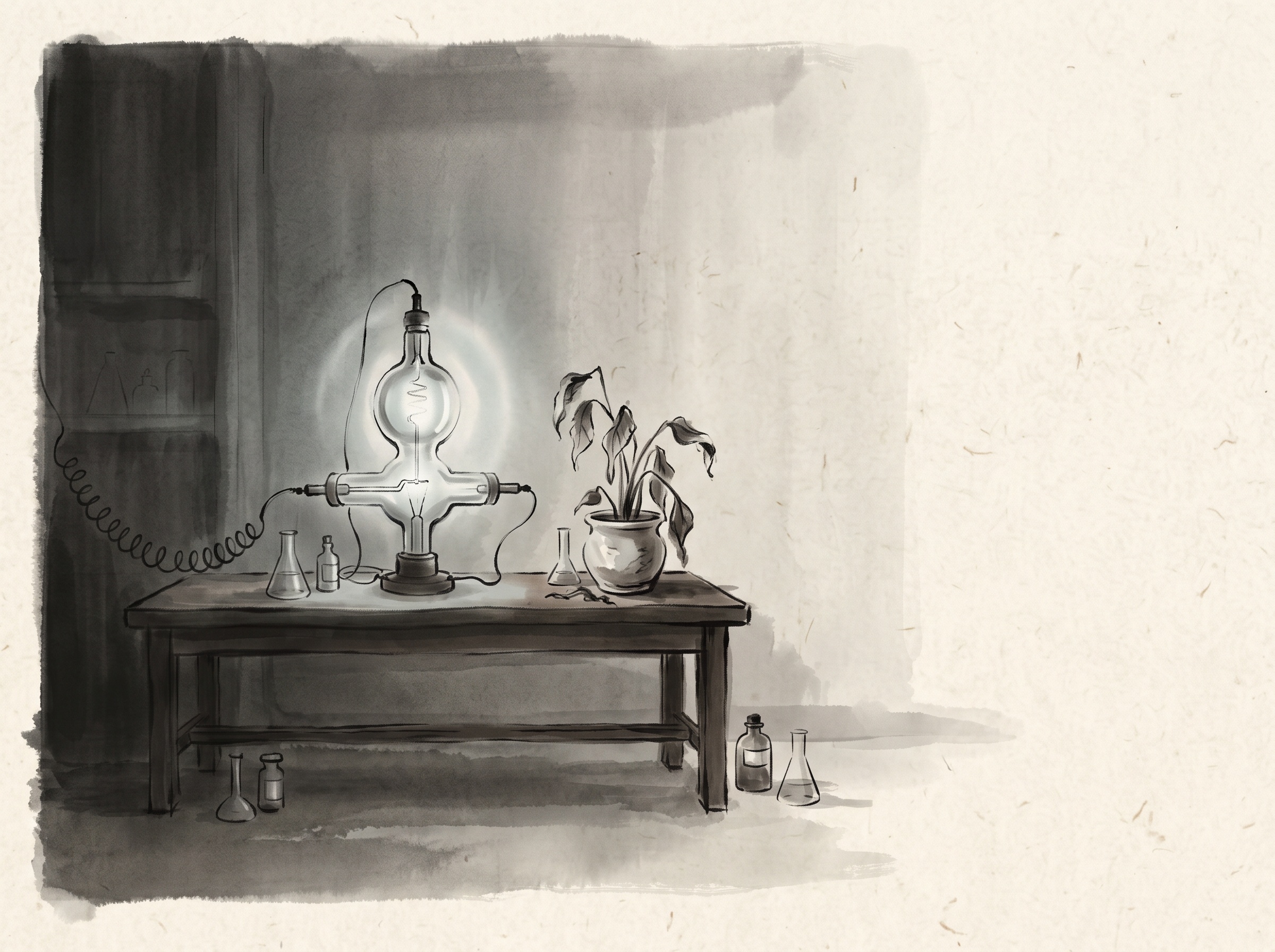
The people who worked most closely with early X-ray tubes had suffered almost immediately. Thomas Edison threw himself into X-ray research in the late 1890s, and his devoted assistant, Clarence Dally, handled the tubes constantly, testing them on his own hands. The damage was horrifying and progressive: burns that would not heal, then ulcers, then amputations, first fingers, then a hand, then an arm. Dally died in 1904, widely regarded as the first American killed by man-made radiation. A shaken Edison abandoned X-ray work altogether and reportedly said he did not want to talk about the things; they frightened him.
Other pioneers lost fingers and developed cancers. The radium craze that ran alongside it, glowing watch dials painted by young women who licked their brushes to a point, would soon deliver its own generation of the dying. The evidence that radiation could maim and kill was mounting through the very decades the shoe machines were being installed. The signal was there. The world simply preferred the wonder to the warning.
The long, slow dawn of caution
Why did it take so long? Partly because the harm was invisible and delayed. An X-ray burn might take days to appear; a cancer might take twenty years. Cause and effect were separated by a gulf too wide for casual observation to bridge, so a machine that produced no immediate yelp of pain seemed, to ordinary eyes, perfectly safe. Partly it was commercial momentum: the machines sold shoes, and stores were reluctant to give up a proven draw. And partly it was simply the temper of the age, which trusted that anything scientific and modern must be benign.
Change came gradually, then decisively. Through the 1940s and 1950s, physicists and medical bodies grew increasingly alarmed as they measured just how much radiation the shoe fluoroscopes delivered, especially to children, whose growing bodies are far more vulnerable, and to the clerks operating them day after day. The measurements were sobering. Professional societies condemned the machines. Regulators began to move. Pennsylvania is generally credited as the first American state to ban them, in the late 1950s, and one state after another followed through the 1960s. By the 1970s the shoe-fitting fluoroscope had all but vanished, and the last stragglers were switched off not long after. The green glow went dark.
Why the story still matters
It would be comforting to file this away as a quaint mistake, the sort of thing people knew no better than to do back then. But that reading lets us off too easily, because the warnings did exist, in Dally’s ruined hands and the pioneers’ cancers, and they were set aside because the wonder was so seductive and the harm so patient. The failure was not ignorance. It was the very human habit of trusting the marvel in front of us and discounting the danger we cannot immediately feel.
That habit did not die with the shoe machines. Every era has its miracle that arrives faster than its wisdom, its bright new thing that everyone adopts before anyone fully understands the cost. The shoe-fitting fluoroscope endures as a small, strange monument to a lasting truth: that the moment something feels magical is exactly the moment we most need to ask, quietly, what it might be doing to us while we marvel. The children leaning over those wooden cabinets were not foolish. They were simply enchanted, as people always are, and it took the better part of a century to learn that enchantment is not the same thing as safety.
The tale sits alongside the other X-ray stories worth knowing: Roentgen, who discovered the ray and refused to profit from it, and Marie Curie, who drove her mobile X-ray units to the front lines of a war and paid for her devotion to radiation with her own life. Together they trace the same arc, from a discovery that felt like magic to the long, costly education in its power. We see inside the body now with exquisite care, measuring every dose. That care was not a gift. It was learned, slowly, the hard way, one glowing green cabinet at a time.
Related Reading
- The Invisible Light: How X-rays Went from Accidental Discovery to World-Changing Technology
- The Man Who Gave Away the X-Ray: Wilhelm Röntgen and the Discovery He Refused to Own
- The Little Curies: How Marie Curie Built X-Ray Trucks and Drove Them Into the First World War