The Little Curies: How Marie Curie Built X-Ray Trucks and Drove Them Into the First World War

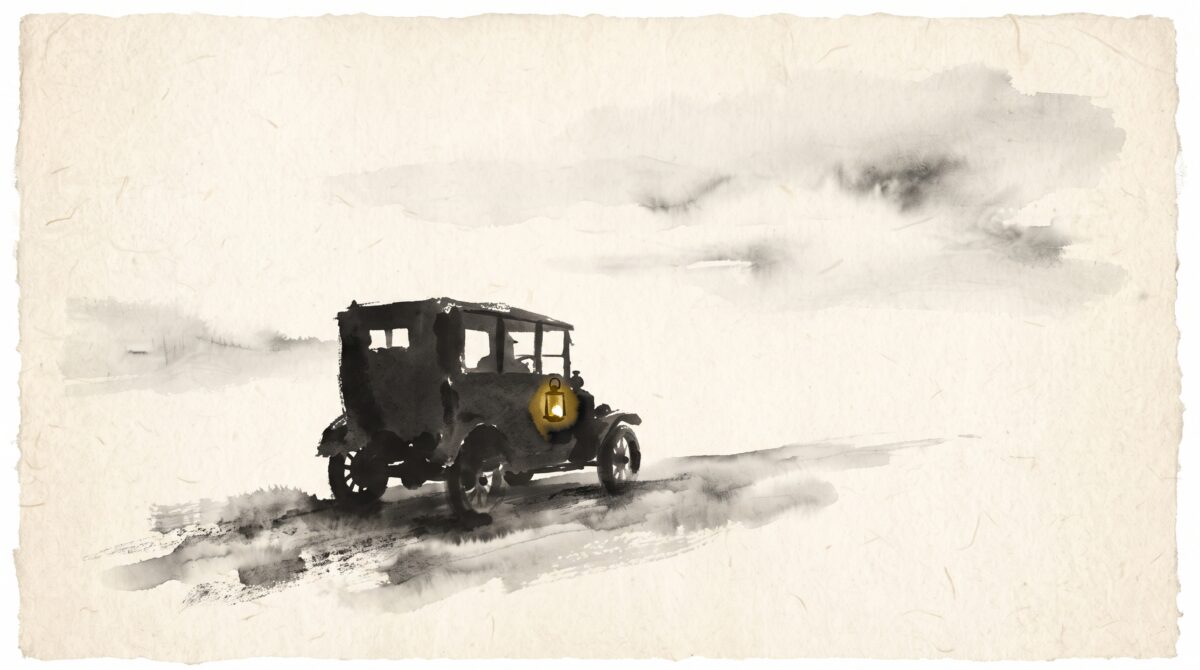
In the autumn of 1914, a plain motor car rattled along a rutted road toward the fighting in northern France. It did not look like much — a boxy civilian vehicle, borrowed from a wealthy friend and hastily rebuilt in a Paris body shop. But bolted inside it was an X-ray machine and a small generator wired to run off the engine, and at the wheel, more often than anyone expected, sat the most famous scientist alive. Marie Curie had twice won the Nobel Prize. She had discovered two elements. And now, with Europe tearing itself apart, she had taught herself to drive so that she could take radiography to the men bleeding in the field hospitals. The soldiers gave her strange little cars a name that stuck: les petites Curies — the little Curies.
A Scientist Goes to War
When the war broke out, Curie was in Paris, midway through building her Radium Institute, a laboratory that was supposed to be her life’s next chapter. Instead the German army was driving toward the capital, and the French government fled to Bordeaux. Curie’s first wartime act was almost absurdly personal: she carried France’s only gram of radium — the fruit of years of grinding labour — in a lead-lined box on the train south, deposited it in a bank vault, and came straight back to a city bracing for siege.
She could have waited out the war in a safer place. Her fame alone would have excused it. Instead she looked at the wounded already arriving from the front and saw a problem she, of all people, was equipped to solve. Surgeons were digging for bullets and shrapnel by touch and guesswork, cutting blind into torn flesh. X-rays could show them exactly where the metal lay — the same principle that, a century later, still underpins every diagnostic image, from a battlefield plate to a modern dental panoramic. But the machines sat in city hospitals, far behind the lines, while the men who needed them were dying at the front.
Building the Fleet
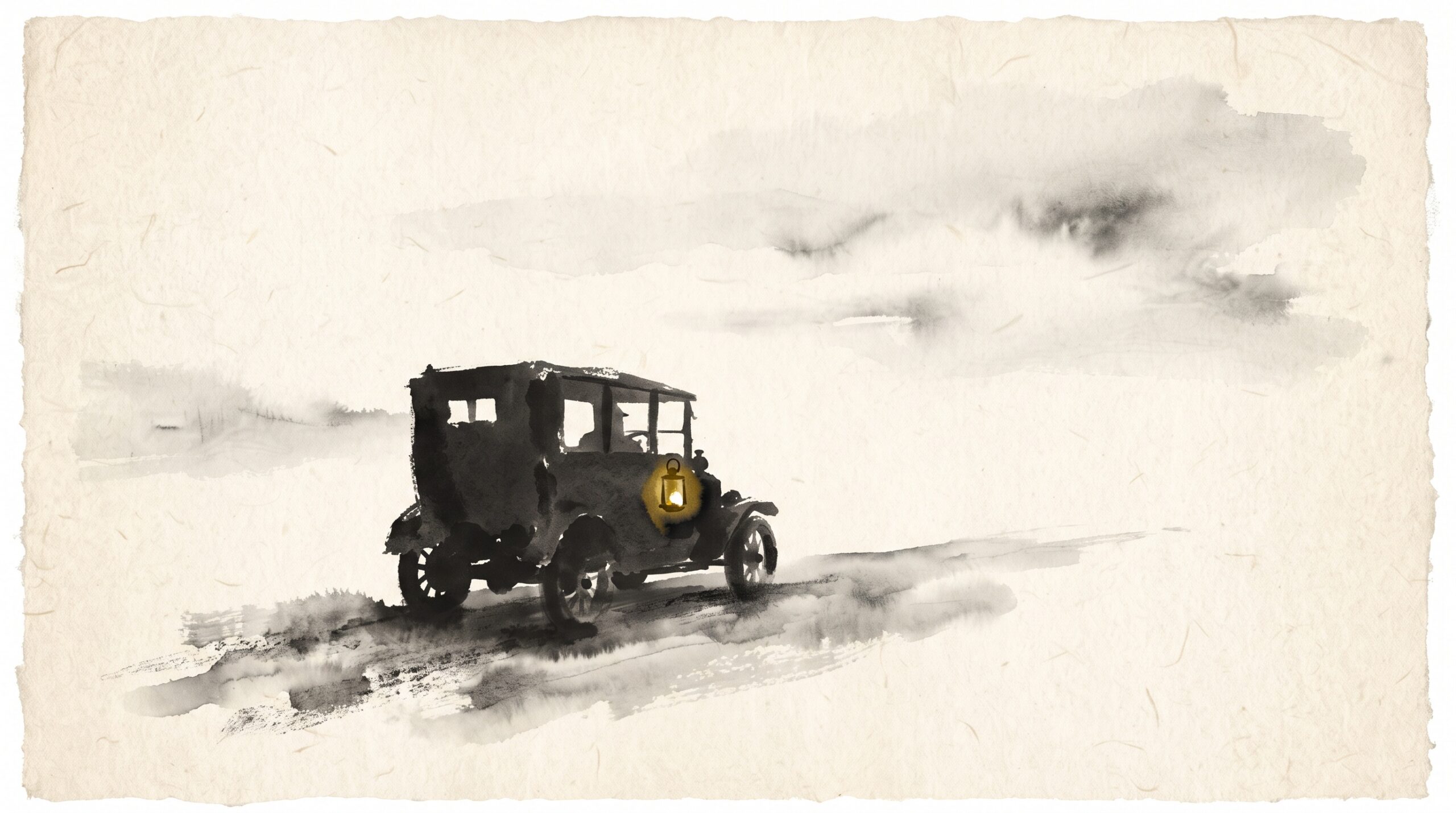
Curie’s answer was to bring the machine to the man. As the newly appointed head of France’s Red Cross Radiology Service, she went to her wealthy acquaintances and asked for their automobiles. She persuaded manufacturers to donate X-ray equipment and portable generators, and talked local garages into fitting it all into the cars for free. By October 1914 the first of roughly twenty mobile units was ready to roll — each a self-contained radiology room on wheels, able to drive up behind a casualty clearing station, throw a cable to the generator, and start imaging within the hour.
Alongside the mobile fleet she equipped some two hundred fixed radiological posts in field hospitals. Together, the cars and the stationary units formed a network of eyes reaching almost to the trenches themselves — a wartime imaging service assembled, from nothing, by a physicist who had never before touched a practical X-ray tube in anger.
Learning Everything, Fast
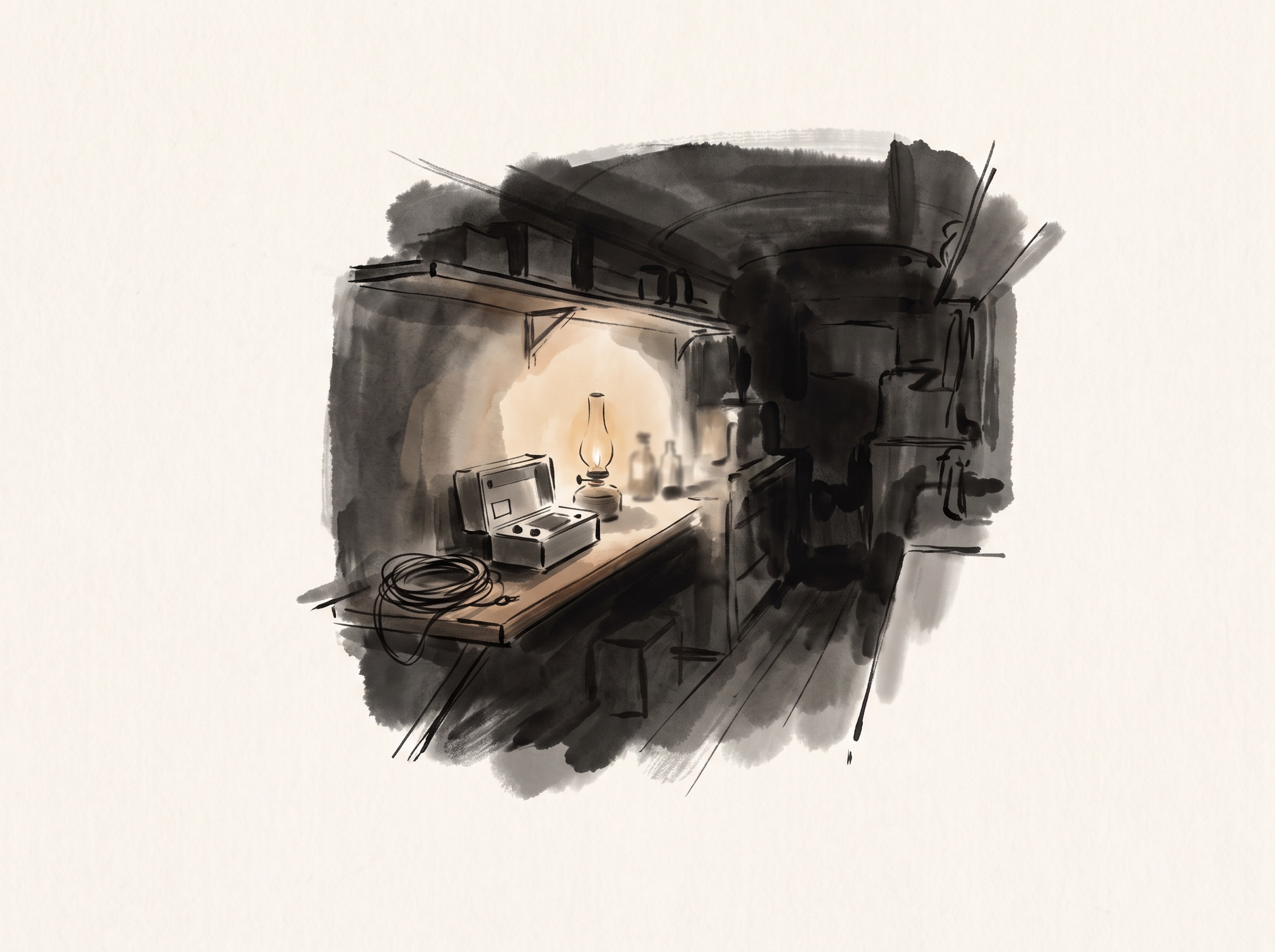
That was the catch. Curie had lectured on X-rays at the Sorbonne, but she had no hands-on experience running the equipment, and no medical training to read what it showed. So, at forty-six, she taught herself all of it in a hurry. She took crash courses in anatomy so she could interpret the shadowy films. She learned the electrical craft of coaxing a clear image out of a temperamental tube in a jolting vehicle. She learned to drive — no small thing in 1914 — and to change a tyre and repair an engine that died in the mud, because a broken-down X-ray car saved no one.
In October 1914 she made her first run to the front, accompanied by a military doctor and a seventeen-year-old assistant who happened to be her daughter. Irène Curie — who would one day win a Nobel Prize of her own — spent her adolescence not in a classroom but at the controls of an X-ray machine within earshot of the guns, positioning shattered limbs and steadying frightened men while her mother read the plates.
An Army of Women
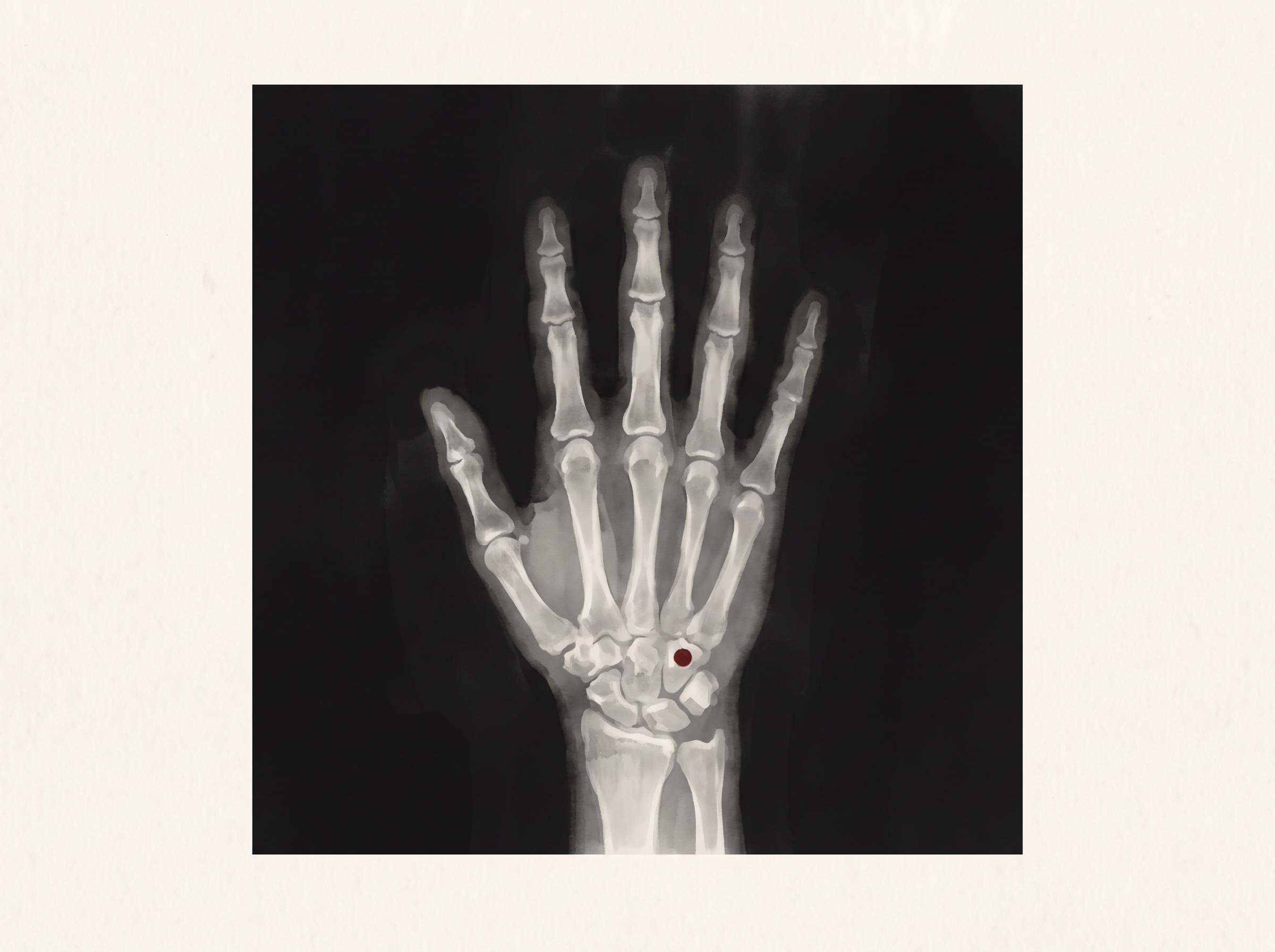
Two people and twenty cars could not cover a war. So Curie did something that outlasted the fighting: she built a school. At the Radium Institute she set up a training course and taught women — most with no scientific background at all — the whole trade of the mobile radiographer. Anatomy, electricity, physics, photographic processing, and the practical grease-under-the-fingernails business of keeping a car running. Each class finished, shipped out to the front, and Curie trained the next. By the end she had put roughly 150 trained women into the field.
It is easy to skate past what that meant in 1917. These were women handed real technical authority in the middle of a war, sent to operate cutting-edge equipment in forward hospitals, trusted with decisions that saved lives. Long before the profession had a settled name, Curie had effectively created a generation of women radiographers — the distant ancestors of every technologist who positions a patient and reads an image today.
A Million Men
The numbers that came out of it are staggering. Over the course of the war, the petites Curies and the fixed posts Curie organised are estimated to have carried out radiological examinations on more than a million wounded soldiers. Behind that figure are a million individual moments: a surgeon holding a still-wet plate up to the light and seeing, precisely, the fragment of shell he needed to remove; an amputation avoided because a bone proved merely cracked, not shattered; a man who kept his leg, or his life, because someone had driven a machine through the mud to look inside him.
Curie asked for no payment and sought no glory in it. She poured her own prize money and her reputation into the effort, and even tried to donate her Nobel medals to the war fund — the bank refused to melt them. When the war ended she quietly went back to the laboratory she had left half-built, the radium retrieved from its Bordeaux vault, and said remarkably little about the four years she had spent as, in effect, the commander of a small mobile imaging army.
Why It Still Matters
We remember Marie Curie for radium and polonium, for the two Nobel Prizes, and increasingly for the radiation that eventually killed her. The little Curies are the part of her story most people never hear — and in some ways they are the most human. Here was the greatest scientist of her age deciding that the useful thing to do was not to theorise but to load an X-ray machine into a car and drive it toward the sound of the guns.
Every time a wounded body is imaged rather than opened on a hope, we are living in the world she helped build. She took a laboratory marvel and made it mobile, practical, and close to the people who needed it — and she trained a small army of women to carry it where she could not reach herself. A million soldiers never knew the name of the person who found the metal inside them. But she had been there, in a rebuilt motor car at the edge of the field, doing the work.
Sources & further reading:
- Smithsonian Magazine — How Marie Curie Brought X-Ray Machines To the Battlefield
- IEEE Spectrum — How Marie Curie Helped Save a Million Soldiers During World War I
- Britannica — How Marie Curie Revolutionized Battlefield Medicine During World War I
- The Conversation — Marie Curie and her X-ray vehicles’ contribution to WWI battlefield medicine
The Story of the X-Ray, Across Our Network
The X-ray did not stay in Marie Curie’s field trucks. Follow that same technology into the modern dental practice:
- What your dentist actually sees on an X-ray, 130 years on
- The equipment history from gas tubes to digital sensors
- From Roentgen’s lab to the practice server, as an IT discipline
Related Reading
- When X-Rays Were a Toy: The Shoe-Store Machines and the Long, Slow Dawn of Radiation Safety
- The Man Who Gave Away the X-Ray: Wilhelm Röntgen and the Discovery He Refused to Own
- The Invisible Light: How X-rays Went from Accidental Discovery to World-Changing Technology