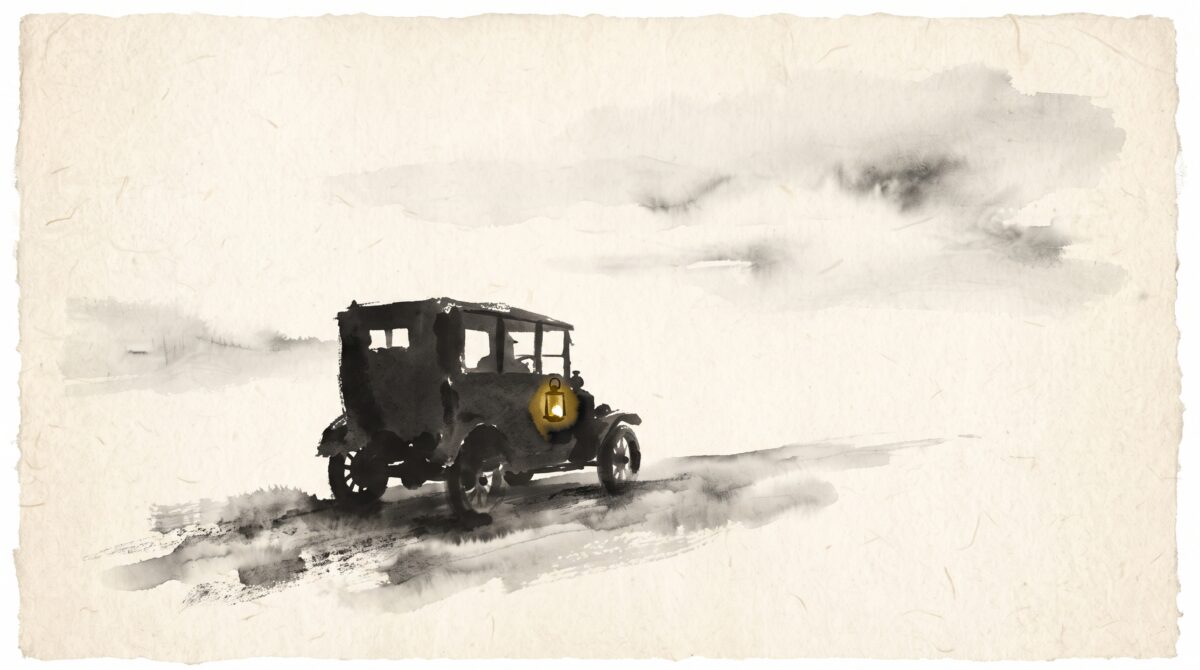
On Christmas Eve 1945 a fire took the Sodder family home in West Virginia in less than an hour. Five of the children were never seen again, and not a single bone was ever found in the ashes. Their parents spent the rest of their lives certain the children had been carried off alive.
For most of the twentieth century, a single block in Hong Kong held as many as fifty thousand people, more than three hundred towers grown together into one dark hive, and almost no government at all. This is the strange, human story of Kowloon Walled City: how a forgotten fort became the densest place on Earth, and why it had to be torn down.
On a frozen slope in the Ural Mountains in 1959, nine experienced hikers cut their way out of their own tent and ran barefoot into a lethal night. Some were found with crushing injuries no one could explain. For sixty years the Dyatlov Pass incident defied every theory. Then science caught up.
On a stormy August morning in 1944, an American bomber fell out of the sky onto a Lancashire village school. In seconds, Freckleton lost nearly a whole generation of its youngest children — in Britain’s deadliest air accident of the war.
When the First World War broke out, the world’s most famous scientist did not retreat to her laboratory. Marie Curie taught herself to drive, built a fleet of X-ray trucks, and took them to the front — where they helped image more than a million wounded men.
On a cold December morning in 1917, a burning munitions ship drew crowds to their windows. Then the north end of Halifax simply ceased to exist — nearly 2,000 dead in the largest man-made explosion the world had yet known.
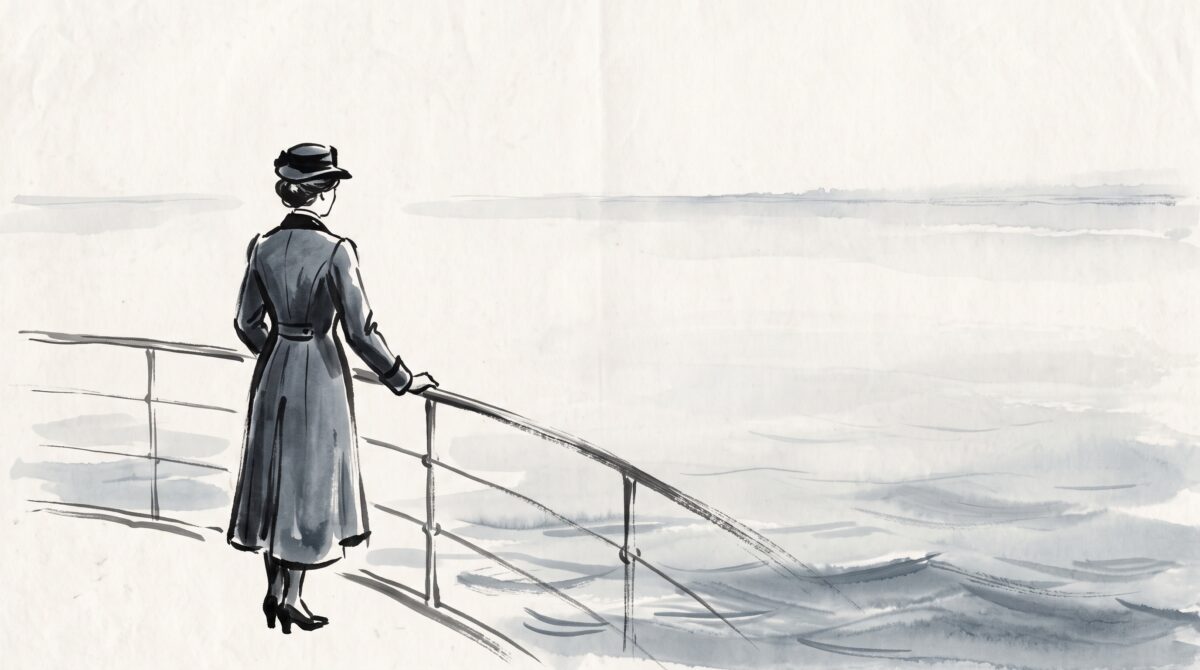
Violet Jessop was aboard the Olympic when it was rammed, on the Titanic when it hit the iceberg, and on the Britannic when it struck a mine and sank in the Aegean. Three times the sea tried to take her. Three times she walked away — the quiet stewardess history nearly forgot.
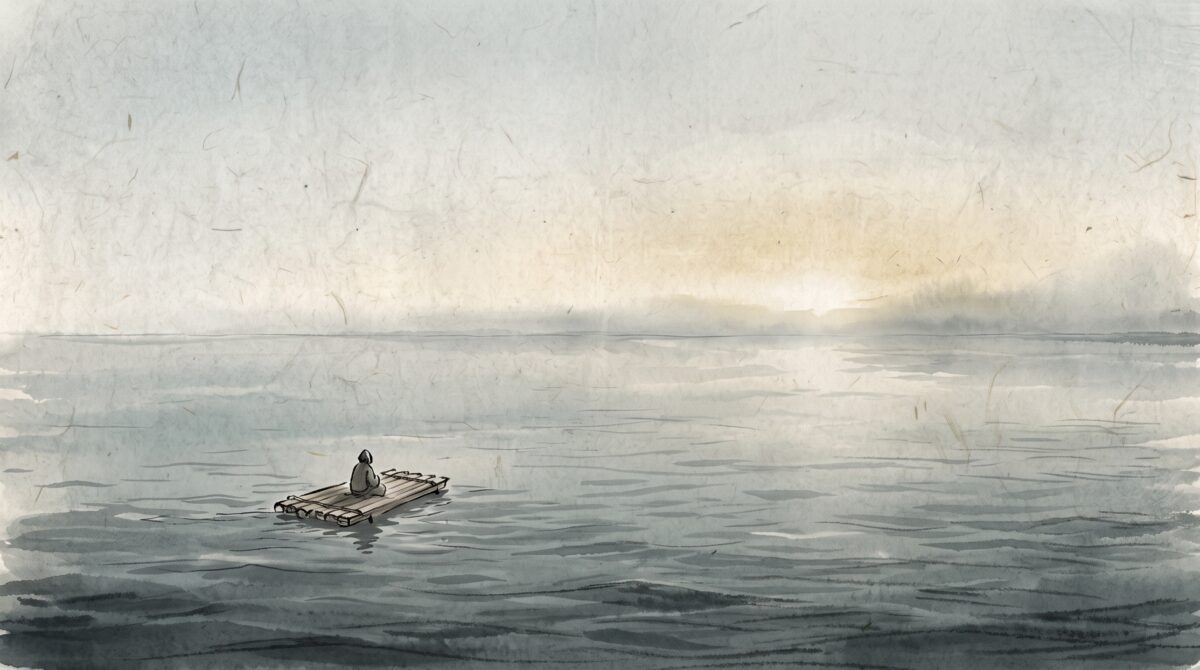
When a torpedo tore his ship apart in the South Atlantic, a young Chinese steward named Poon Lim found himself alone on an eight-foot wooden raft with a few tins of food and no land in sight. What he did over the next 133 days remains the longest documented survival adrift at sea by one person.
In March 1966 a British airliner turned toward Mount Fuji so its passengers could admire the mountain. Minutes later, an invisible wave of air tore the aircraft apart over Gotemba. This is the story of Speedbird 911.
In the spring of 1925, a dapper, smooth-talking man sat in a suite at the Hôtel de Crillon — one of the most prestigious hotels in Paris — and calmly sold the Eiffel Tower to a scrap metal dealer. The buyer handed over a small fortune. The seller disappeared. And when the victim realized he’d been conned, he was too embarrassed to tell the police.
So the con man came back and sold it again.
His name was Victor Lustig, and he was arguably the greatest con artist who ever lived.
The Making of a Con Man
Victor Lustig was born Robert V. Miller in 1890 in Hostinné, a small town in what was then Austria-Hungary (now the Czech Republic). From an early age, he displayed a remarkable gift for languages, eventually becoming fluent in five: Czech, German, French, English, and Italian. He was handsome, charming, and possessed an almost supernatural ability to read people.
By his twenties, Lustig had abandoned any pretense of legitimate work. He drifted across Europe and the Atlantic, running cons on ocean liners — a favorite hunting ground where wealthy passengers were relaxed, bored, and eager to trust a fellow first-class traveler. He accumulated 47 known aliases and was wanted by police forces on multiple continents.
But his masterpiece was yet to come.
Selling the Eiffel Tower
In 1925, Lustig was reading a Paris newspaper when he stumbled across an article about the Eiffel Tower’s maintenance costs. Originally built as a temporary structure for the 1889 World’s Fair, the tower was expensive to maintain and had its share of critics who considered it an eyesore. The article mused about the possibility of tearing it down.
A lesser mind might have seen idle speculation. Lustig saw an opportunity.
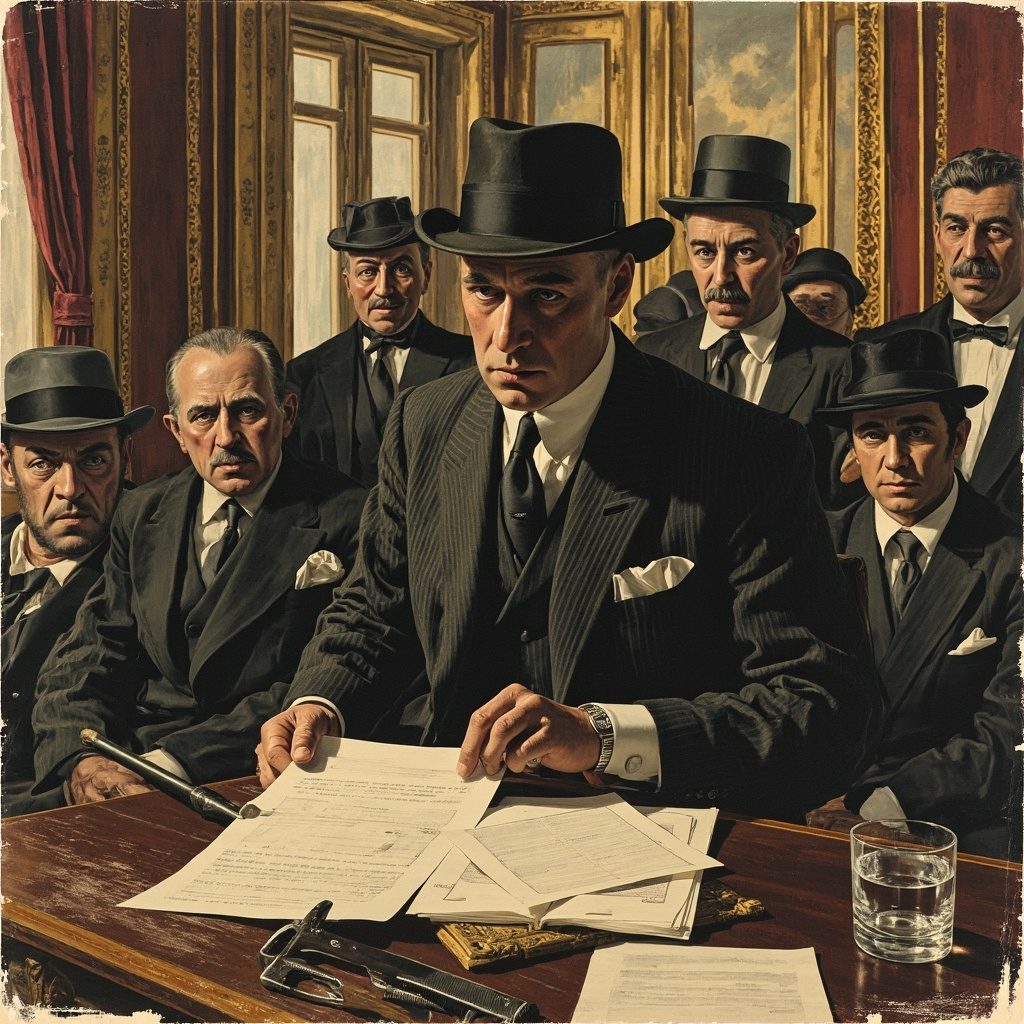
He had counterfeit government stationery printed, identifying himself as the Deputy Director-General of the Ministère des Postes et Télégraphes. He then invited six scrap metal dealers to a confidential meeting at the Hôtel de Crillon, explaining that the government had quietly decided to demolish the Eiffel Tower and sell it for scrap — a deal worth tens of thousands of tons of iron.
The setting was perfect. The Crillon was exactly where a senior government official would host such a meeting. The secrecy made sense — the public would be outraged if word got out before the deal was done. And the dealers were hungry for the contract of a lifetime.
Lustig quickly identified his mark: André Poisson, a dealer from the provinces who was eager to break into the Paris business scene and slightly insecure about his status. Lustig played him masterfully, first creating urgency (“the government must act quickly and quietly”), then subtly requesting a bribe — which actually reassured Poisson, since bribery was exactly what he expected from a corrupt government official.
Poisson paid. Lustig took the money and fled to Vienna.
He waited, scanning the Paris newspapers for reports of the fraud. Nothing appeared. Poisson, realizing he’d been duped, was so humiliated that he never went to the police.
Lustig couldn’t believe his luck. So he went back to Paris and ran the entire scheme again with a new group of dealers. This time, the second victim did go to the police — but by then, Lustig had vanished.
The Money Printing Machine
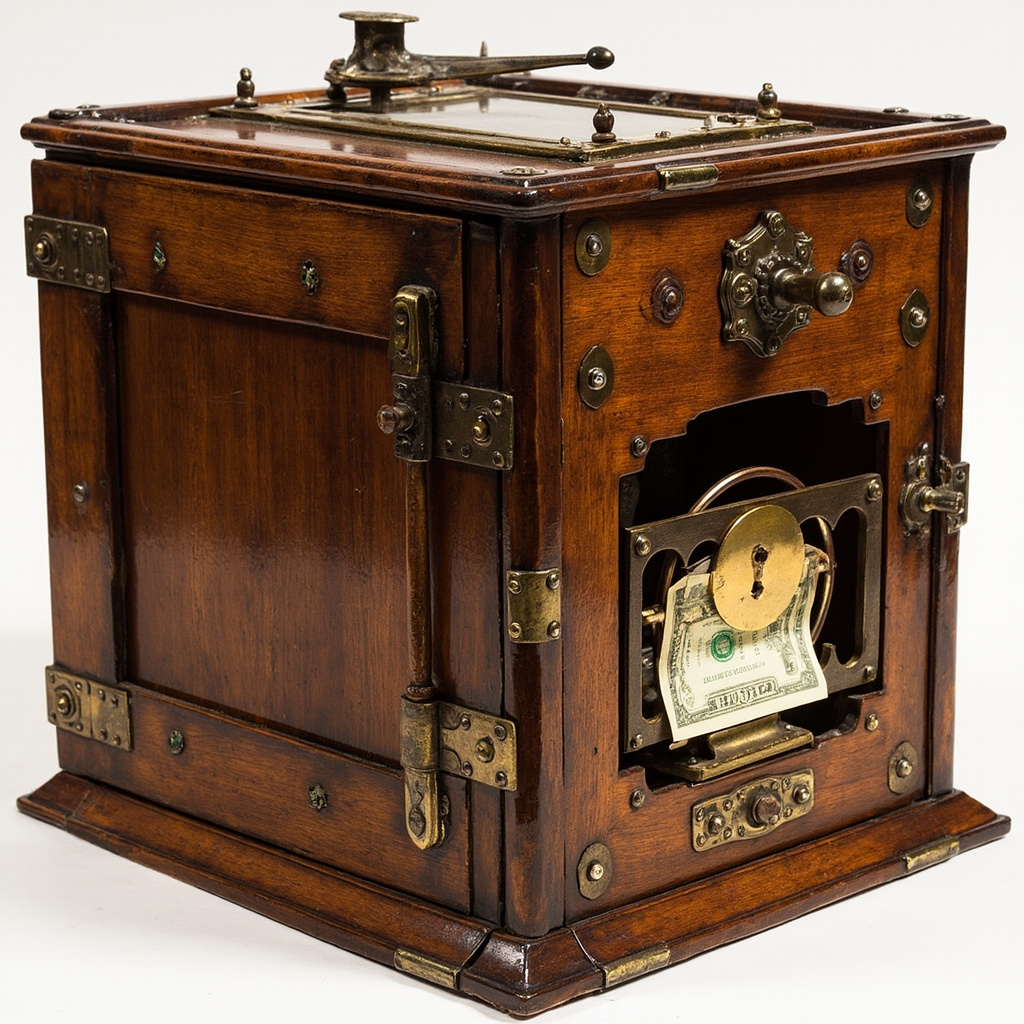
The Eiffel Tower wasn’t Lustig’s only famous scam. He also perfected the “money box” con — a beautifully crafted wooden box that he claimed could duplicate $100 bills. He would demonstrate it for a mark, feeding in a real bill and pulling out what appeared to be a perfect copy (actually another real bill he’d pre-loaded). Then he’d sell the box for an enormous sum.
The brilliance was in the timing: the machine supposedly took six hours to produce each copy. By the time the buyer realized it only produced blank paper, Lustig was long gone.
Conning Al Capone
Perhaps the most audacious testament to Lustig’s nerve was the time he conned Al Capone — and lived to tell about it. Lustig approached the notorious gangster with a “sure thing” investment opportunity, and Capone gave him $50,000. Lustig simply put the money in a safe deposit box, waited two months, then returned to Capone claiming the deal had fallen through.
He handed back every cent.
Capone, impressed by Lustig’s apparent honesty, gave him $5,000 as a consolation — which was what Lustig had been after all along. He’d calculated that stealing $50,000 from Capone would get him killed, but that returning it would earn him a generous “tip.” He was right.
The Fall
Lustig’s downfall came not from the Eiffel Tower scam but from a counterfeiting operation he ran in the United States during the 1930s. Working with a chemist named Tom Shaw, Lustig produced exceptionally high-quality counterfeit bills that flooded the American economy.
The Secret Service — whose primary mission at the time was combating counterfeiting — launched a massive investigation. Lustig was arrested in 1935, largely thanks to a tip from his mistress, who had turned on him after discovering he was seeing another woman. (Even the greatest con artists have blind spots.)
He was sentenced to 20 years on Alcatraz — the inescapable island prison in San Francisco Bay. Even there, he made one final attempt at deception: in 1947, while dying of complications from pneumonia, the man who had used 47 aliases throughout his life had his death certificate list his occupation as “apprentice salesman.”
He died on March 11, 1947. He was 57 years old.
The Legacy of a Scoundrel
Victor Lustig left behind a document sometimes called “The Ten Commandments for Con Men” — a set of rules for manipulating people that reads like a dark mirror of Dale Carnegie’s How to Win Friends and Influence People. Among the rules: be a patient listener, never look bored, agree with the mark’s politics, and never boast.
It’s tempting to admire Lustig’s audacity and ingenuity — selling a national monument takes a special kind of nerve. But behind every brilliant con was a real victim: André Poisson, who lost his savings and his dignity. The countless people who bought worthless money boxes. The businesses damaged by his counterfeit bills.
Victor Lustig was a genius. He was also a thief. History remembers both.