133 Days at Sea: The Sailor Who Refused to Die on a Wooden Raft

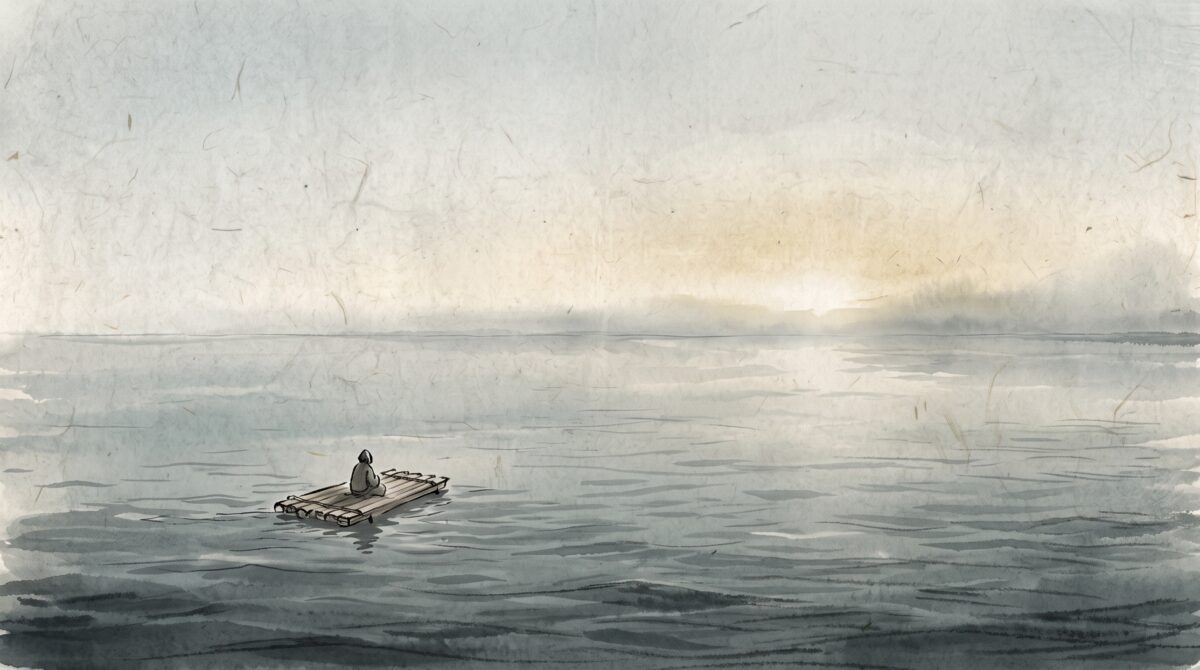
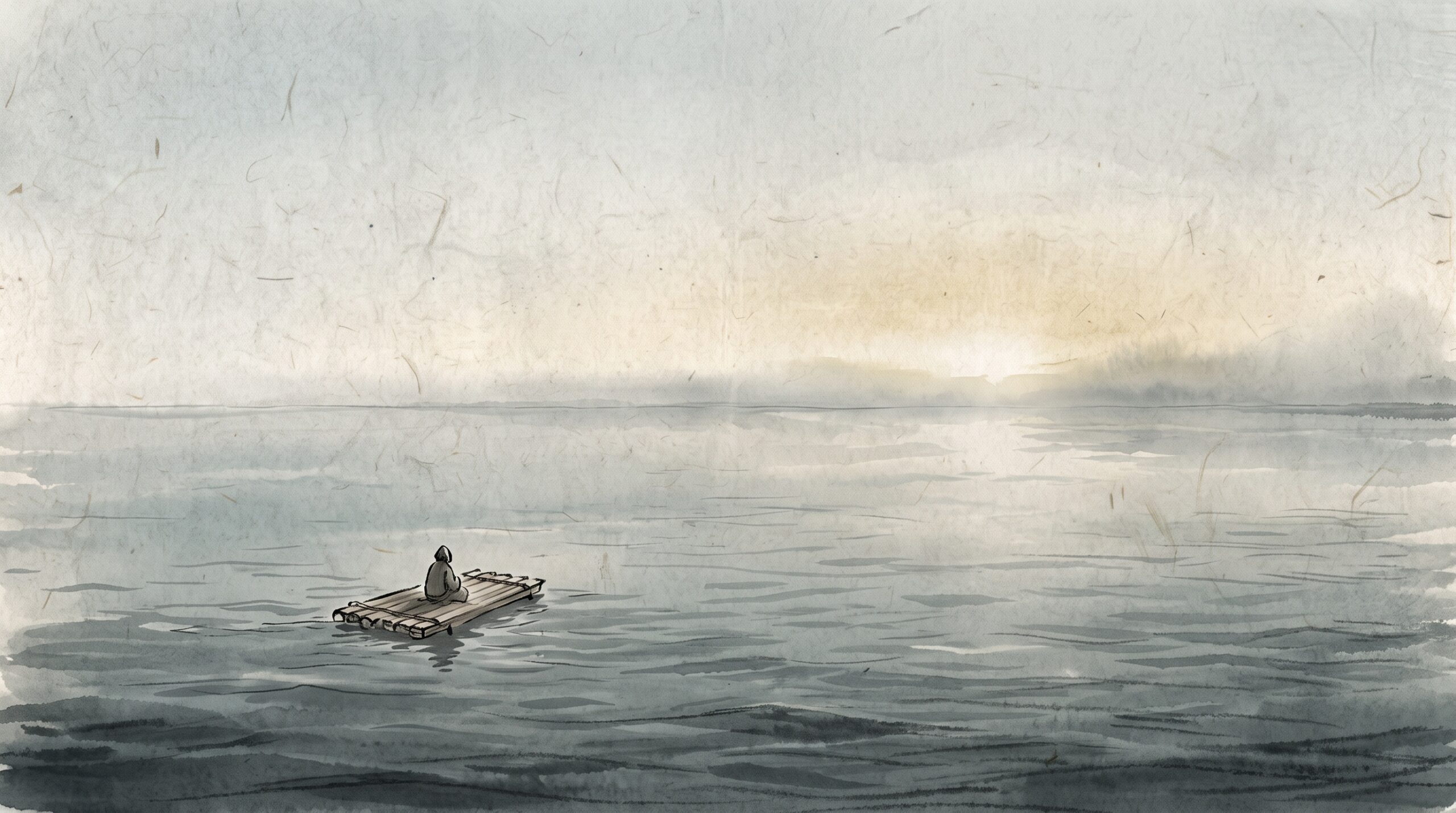
The sea does not keep a diary, but Poon Lim did. He tied a knot, or notched the wood, for each day he stayed alive on it, and when the counting stopped there were one hundred and thirty-three marks. No single person has ever been documented surviving longer, alone, adrift on the open ocean. What makes the story extraordinary is not luck. Luck ran against him again and again. What kept him alive was a stubborn, methodical refusal to surrender, worked out one small problem at a time on a raft barely bigger than a door.
A steward far from home
Poon Lim was born on Hainan Island, off the southern coast of China, and like many young men of the coast he went to sea for work. By 1942 he was second steward aboard the SS Ben Lomond, a British merchant ship, the least glamorous sort of wartime service: no medals, no glory, just the slow and dangerous business of carrying cargo through waters thick with German submarines. He had taken the job in part, the story goes, to avoid being conscripted into far worse. The Atlantic in the middle of the war was one of the most lethal places on earth, and the Ben Lomond, slow and sailing alone, was exactly the kind of target U-boats hunted.
The two minutes that changed everything
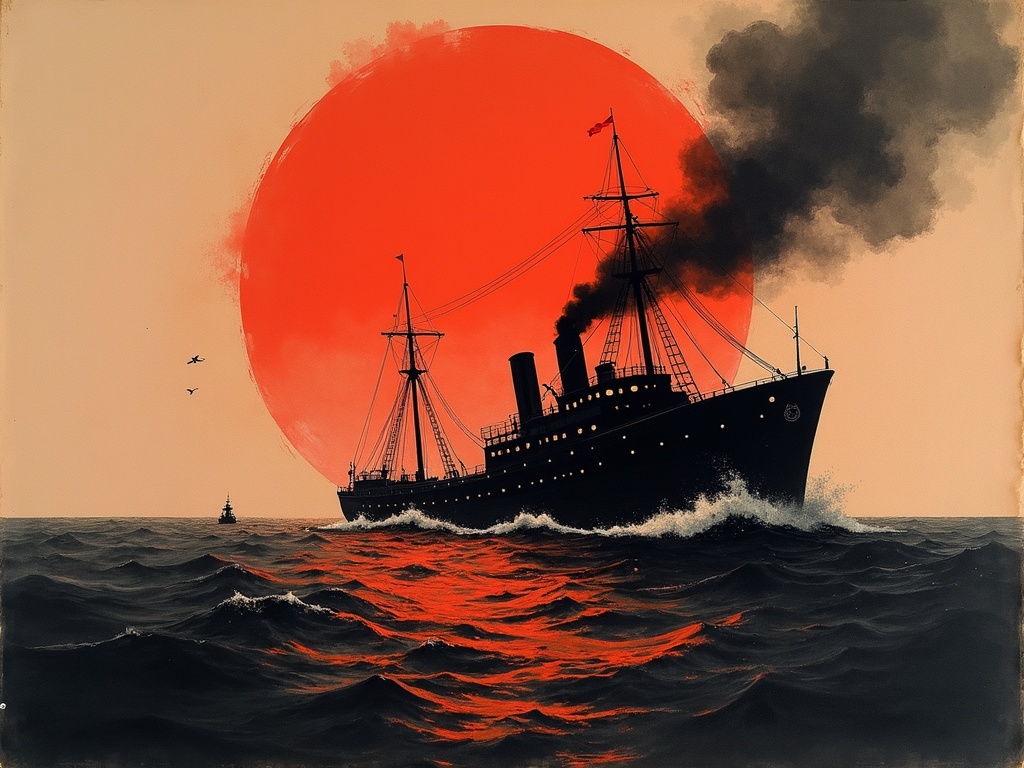
On 23 November 1942, in the South Atlantic east of the Amazon’s mouth, the torpedoes found her. Two struck the Ben Lomond and she went down in about two minutes, so fast that most of the crew never had a chance. Poon Lim had grabbed a life jacket and jumped clear before the suction of the sinking hull could pull him under. When he surfaced, the ship was gone and the ocean was empty except for scattered debris and, drifting nearby, one of the ship’s wooden life rafts.
It was a simple square platform, roughly eight feet on a side, with a few tins of biscuits, a jug of water, some chocolate, a flashlight, two smoke pots, and a length of rope. Enough, in theory, for a short wait until rescue. But no rescue came that day, or the next, or for many weeks. Poon Lim did the arithmetic that anyone would dread: the food would last perhaps a month, the water far less. If he wanted to live, the raft could not be a place he waited to be saved. It had to become a place he could survive indefinitely.
Turning a raft into a life
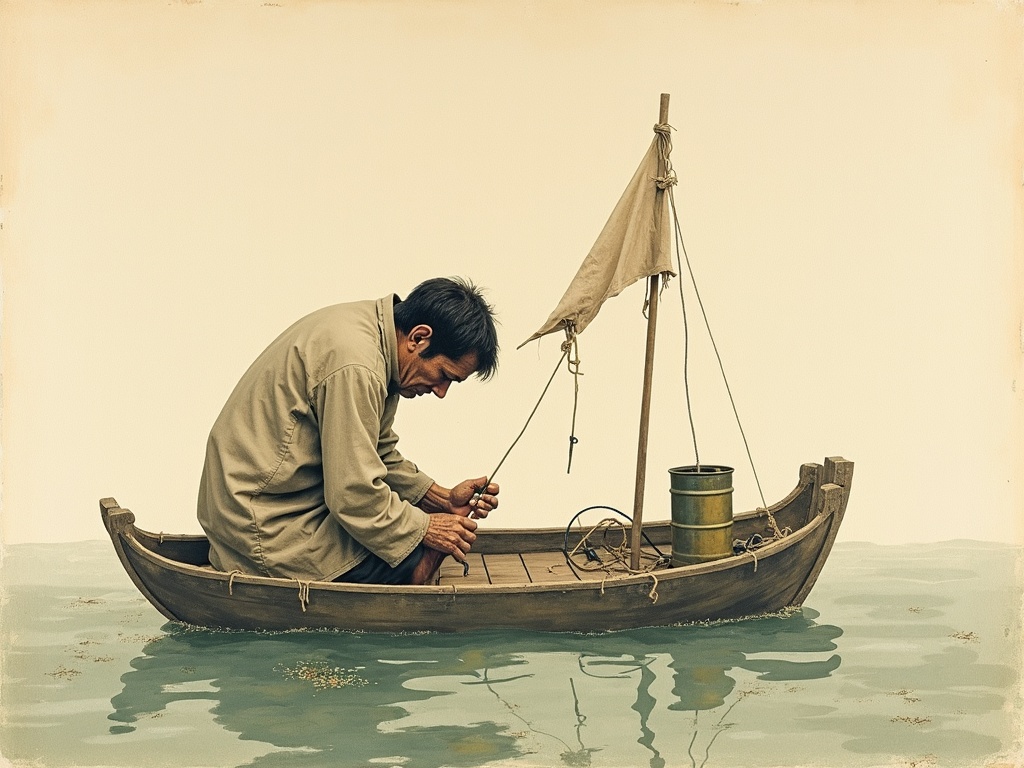
So he went to work. When the drinking water ran low, he rigged the canvas life-jacket cover and a biscuit tin to catch rainwater, learning to read the sky and store every drop against the dry days. For food, he unraveled a wire from the flashlight and worked it into a fish hook, using a bit of the rope’s hemp as a line and paste from the biscuits, and later scraps of caught fish, as bait. He pried a nail loose and hammered it into a second hook against the raft’s timber.
He caught fish and dried strips of them on a line strung across the raft, building a small reserve for the days the sea gave him nothing. When a storm ruined his stores and left him near death, he started again. He caught a bird that landed on the raft. Most famously, he hooked a shark: after it fought him, he hauled it aboard, killed it using a water jug he had half-filled to make a club, and drank the blood and ate the liver for the moisture and strength they carried. Every part of the ordeal became a problem to be solved rather than a reason to give up.
The cruelty of near misses
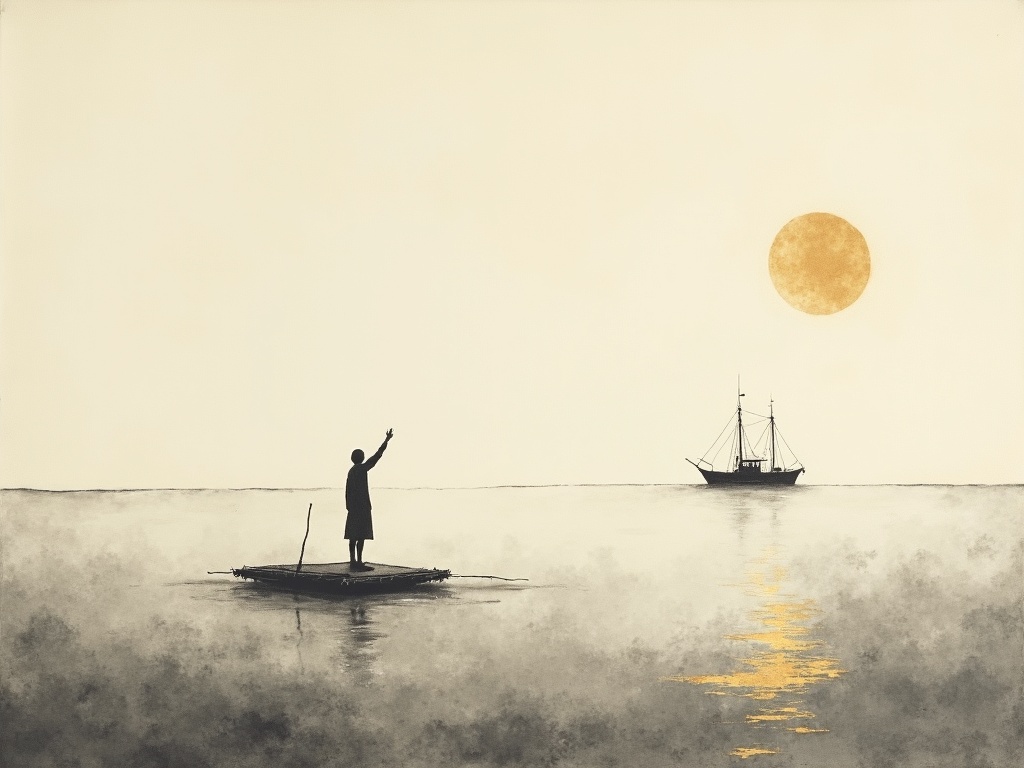
The loneliness was matched only by the near misses. A freighter passed close enough that Poon Lim was sure he had been seen, then sailed on; he believed later that the crew may have seen him and chosen not to stop for a lone man in dangerous, submarine-patrolled waters. A U-boat surfaced nearby and its crew looked him over, used his raft for a moment of idle target practice by wake, and left him where he was. A U.S. Navy patrol plane spotted him and dropped a marker buoy, and his hopes soared, only for a storm to blow in and for the follow-up rescue never to arrive. Each time, the ocean simply carried him onward, thinner, browner from the sun, but still counting the days.
Land, at last
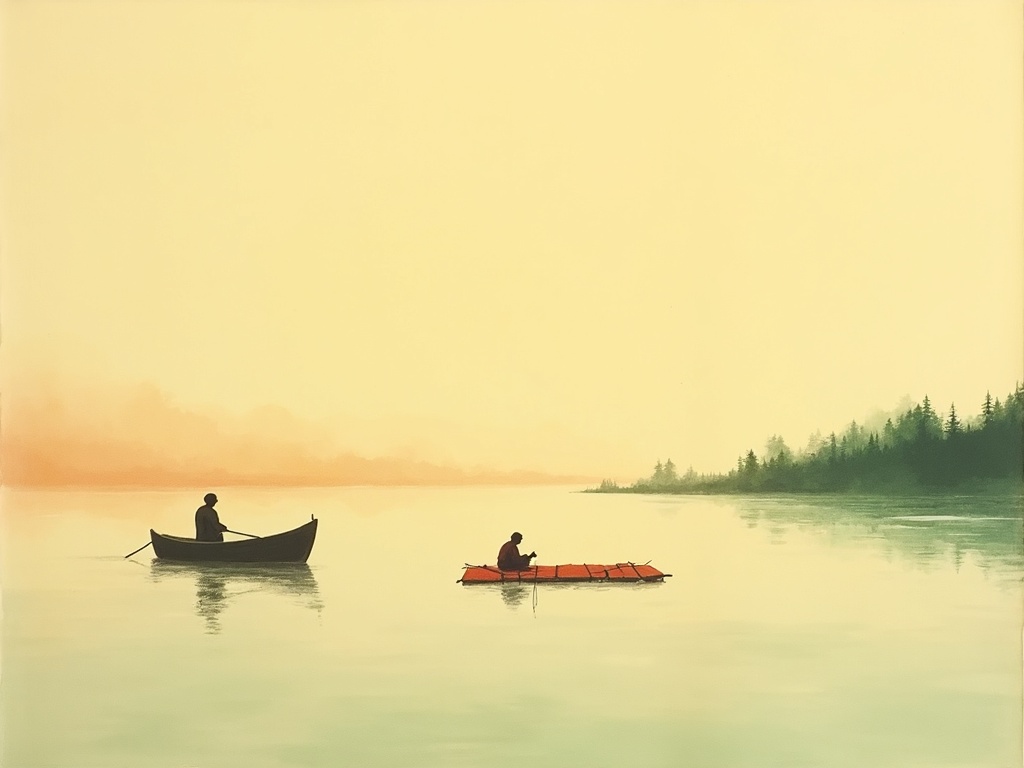
The currents were, unknowingly, working in his favor, pushing him slowly toward the coast of Brazil. On the 133rd day, he noticed the water changing color, growing murkier, and realized he must be nearing land. Then he saw a small sail. Three Brazilian fishermen found the frail figure on the battered raft and brought him aboard. He had drifted, by then, to within reach of the shore near Belem. He was able to walk off the boat on his own, and though he had lost weight, he was alive and lucid after nearly four and a half months alone at sea.
His record of 133 days adrift on a raft still stands as the longest such survival ever documented. Britain awarded him the British Empire Medal, and the Royal Navy studied his methods and folded them into survival manuals for sailors who might one day find themselves where he had been. Poon Lim, for his part, was strikingly modest about the whole thing. He reportedly hoped no one would ever have to break his record, because to break it, someone else would have to suffer as he had.
That is the quiet heart of the story. Poon Lim was not a trained survival expert or a decorated hero when the torpedo struck. He was a ship’s steward who happened to possess an unglamorous, unbreakable patience, the willingness to face an impossible situation and simply solve the next small problem, and the next, and the next, for one hundred and thirty-three days. His endurance is a reminder that the will to keep going, worked out in tiny practical acts, can carry an ordinary person through the most extraordinary stretch of open water imaginable.
Related Reading
- Thirteen Ships Against an Empire: Admiral Yi and the Miracle at Myeongnyang
- Ching Shih: The Pirate Queen Who Commanded a Fleet No Empire Could Beat
- Miss Unsinkable: The Stewardess Who Walked Away From the Titanic, the Britannic, and the Sea Itself