The Bear River Massacre: The Deadliest Day for Native Americans That America Forgot

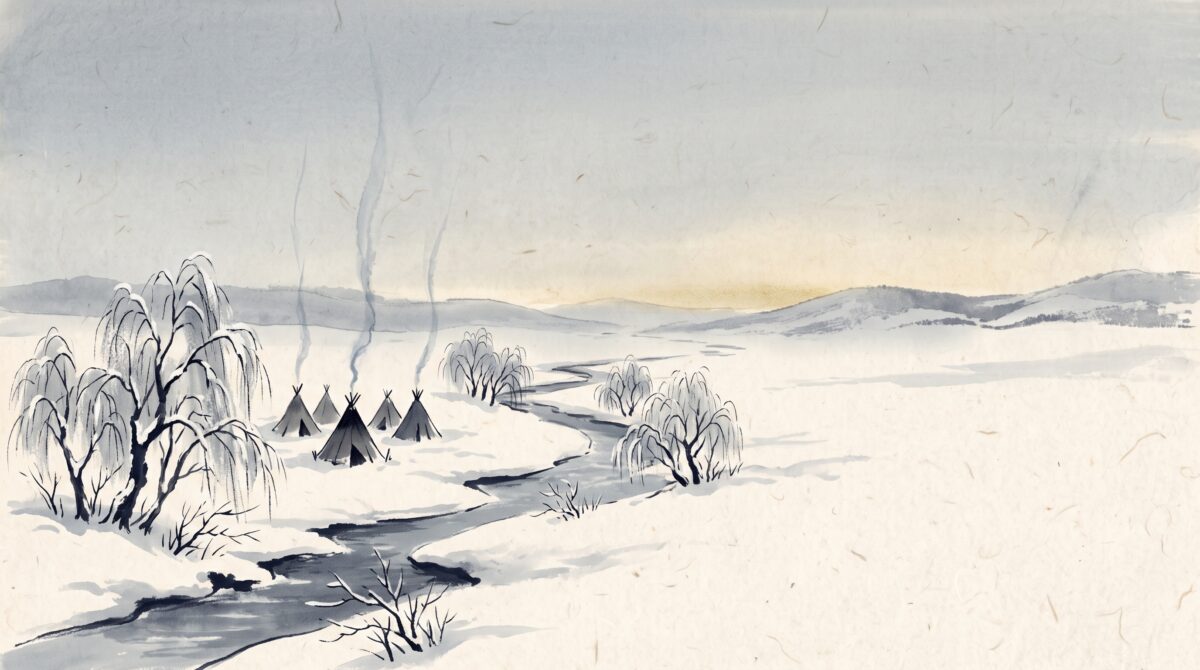
Before sunrise on January 29, 1863, the temperature along the Bear River had fallen far below zero. Ice hung on the willows, the ground was iron-hard beneath the snow, and in a sheltered bend of Beaver Creek a village of the Northwestern Shoshone slept in their winter lodges. Within a few hours, more of them would be dead than would fall at Wounded Knee, at Sand Creek, or in any other single attack on Native Americans in the entire history of the United States. And yet, for more than a hundred years, the country that carried out the killing barely remembered it happened at all.
A valley called Boa Ogoi
The Shoshone called the place Boa Ogoi, the Big River. For generations, bands of the Northwestern Shoshone had wintered in this stretch of Cache Valley, on the present-day border of Utah and Idaho, drawn by hot springs that kept the ground warm and by the shelter of the creek’s steep banks. It was a gathering place, a refuge from the killing cold of the high country.
By the winter of 1862, that refuge had grown crowded and tense. Mormon settlers had been moving into Cache Valley since 1860, plowing the meadows, diverting the water, and turning ancestral hunting and gathering land into farms. Hungry and displaced, some Shoshone took livestock and grain; travelers on the roads to the Montana goldfields reported raids. To the settlers and the army, this was lawlessness. To the Shoshone, it was survival in a homeland being taken from them acre by acre.
The colonel who wanted no prisoners
Into that tension rode Colonel Patrick Edward Connor, an Irish-born officer commanding the 3rd California Volunteer Infantry out of Fort Douglas near Salt Lake City. Connor regarded the Shoshone raids as something close to treason, and he did not think of the coming expedition as an arrest. Carrying warrants for several tribal leaders, he told his men plainly that he had no intention of taking prisoners.
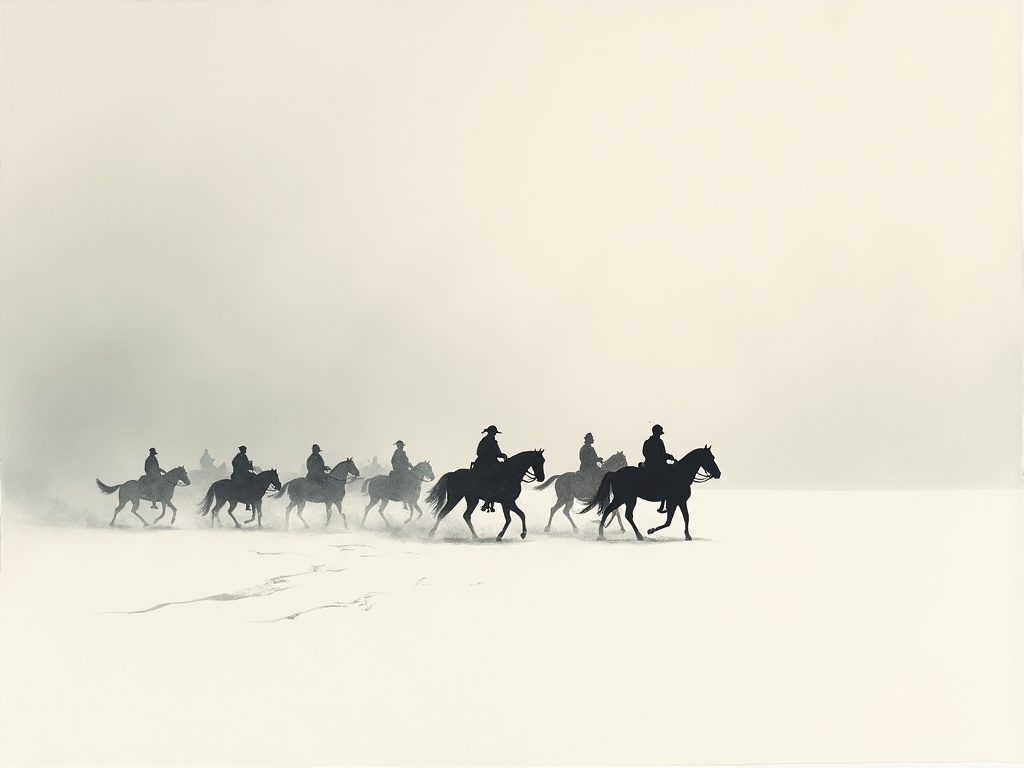
He sent his infantry and cavalry north in the dead of winter, roughly two hundred men pushing through deep snow and lethal cold. The march itself was brutal; dozens of soldiers suffered frostbite severe enough to cripple them. Connor pressed on anyway, hoping the weather would mask his approach. At the Shoshone camp, war chief Bear Hunter had been warned that soldiers were coming. But few believed any army would attack in such conditions, and there was nowhere warmer to go.
Dawn on the Bear River
The troopers reached the bluffs above the village at first light. Below them, the lodges sat in a bend where Beaver Creek had cut a deep, willow-choked ravine into the earth. The Shoshone were not defenseless. Warriors took position behind the high embankment, and when the first cavalry charge came across the open flat, they met it with steady fire. In those opening minutes the soldiers suffered most of their casualties of the day.
For a short while it looked like a battle. Then Connor changed his tactics. Instead of charging the embankment head-on, he sent men around both flanks to surround the ravine completely. The same steep banks that had sheltered the village became a trap with no way out. Ammunition ran low among the defenders. And once the encirclement closed, the killing lost any shape of combat.
The deadliest day
Soldiers moved through the camp firing into the lodges and along the frozen creek, cutting down men, women, and children without distinction. Survivors later described people shot as they tried to flee across the ice or hide in the brush; some drowned or froze attempting to escape into the river. Bear Hunter was among the dead, reportedly tortured before he was killed. Chief Sagwitch, wounded, managed to escape and would spend the rest of his life carrying the memory of that morning.
When it ended, the estimates of the dead ran from around 250 to nearly 500 Shoshone. Even the most conservative figures place Bear River above every other massacre in the long, terrible catalog of the American West. More people died here than at Sand Creek in 1864 or at Wounded Knee in 1890. Connor lost roughly two dozen soldiers, most of them in that first exposed charge. He was promoted to brigadier general.
Forgotten by a nation at war
How does the single deadliest attack on Native Americans in United States history slip out of the national memory? Timing is much of the answer. In January 1863 the country was consumed by the Civil War. The papers were full of Stones River and the Emancipation Proclamation; the summer would bring Gettysburg. A frozen skirmish in a distant territory drew little notice, and the army recorded it as the “Battle of Bear River” — a name that quietly reframed a slaughter as a fair fight.
That label stuck for generations. A stone monument later placed near the site called it a battle and mourned the soldiers who died. For a long time the Shoshone dead had no marker at all, and the story survived mainly in the oral memory of the descendants of the few who lived. The people had been nearly erased from the ground and then, for a century, from the history books as well.
Boa Ogoi returns
The story does not end frozen in 1863. In 2018 the Northwestern Band of the Shoshone Nation purchased roughly 350 acres at Boa Ogoi — the largest holding of ancestral land the band owns — bringing the site of the massacre back into the hands of the descendants of its victims. They are now restoring it: tearing out invasive plants, cleaning the creeks, and turning worn-out farm fields back into the wetland the valley once was. Along the way, that restoration is expected to return thousands of acre-feet of water each year to the shrinking Great Salt Lake downstream.
At the center of the project stands the planned Boa Ogoi Cultural and Interpretive Center, meant to tell the story on Shoshone terms and to teach visitors who the people were, not merely how they died. Much of the work is aimed at completion in the fall of 2026 — a memorial not of stone and grievance but of living water, native grass, and a community insisting, quietly, that it is still here.
There is a particular kind of injustice in being killed and then forgotten, as if the silence were a second death. What the Shoshone are doing at Boa Ogoi is a refusal of that silence. They are giving names back to the nameless, restoring a valley that was meant to be erased, and asking the rest of us to finally remember what happened by a frozen river one January morning. History does not forgive so much as it insists — and the truest way to honor the dead of Bear River is simply, at last, to know that they were there.
Sources & further reading:
- What Was the 1863 Bear River Massacre? — Smithsonian Magazine
- Bear River Massacre — Utah History Encyclopedia
- The Northwestern Shoshone are restoring the Bear River Massacre site — High Country News
Related Reading
- The Town That Burned in an Hour: The Peshtigo Fire, America’s Deadliest Wildfire, Erased by the Great Chicago Fire
- The Sultana: America’s Worst Maritime Disaster, and the Nation That Barely Noticed
- The London Beer Flood of 1814: When a Tsunami of Porter Killed Eight People