The Morning Halifax Vanished: The 1917 Explosion That Rehearsed the Atomic Age

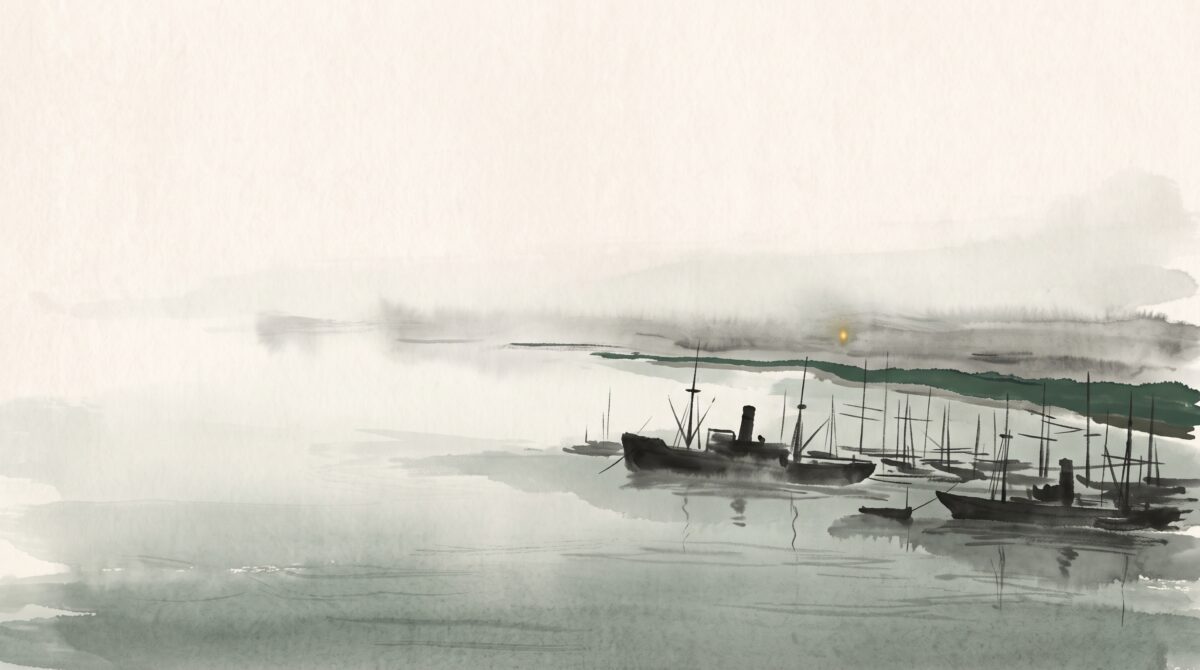
On the morning of 6 December 1917, thousands of people in the north end of Halifax stopped what they were doing and went to their windows. Out in the harbour a ship was on fire, throwing up a pillar of black smoke shot through with strange colours, and it was drifting toward the shore. Children on their way to school paused to watch. Workers climbed to upper floors for a better view. For a few minutes it was the most interesting thing anyone had ever seen. Then, at four and a half minutes past nine, the ship exploded — and in a single instant it killed nearly two thousand of the people who had gathered to look at it, and tore the heart out of a city.
A City at War
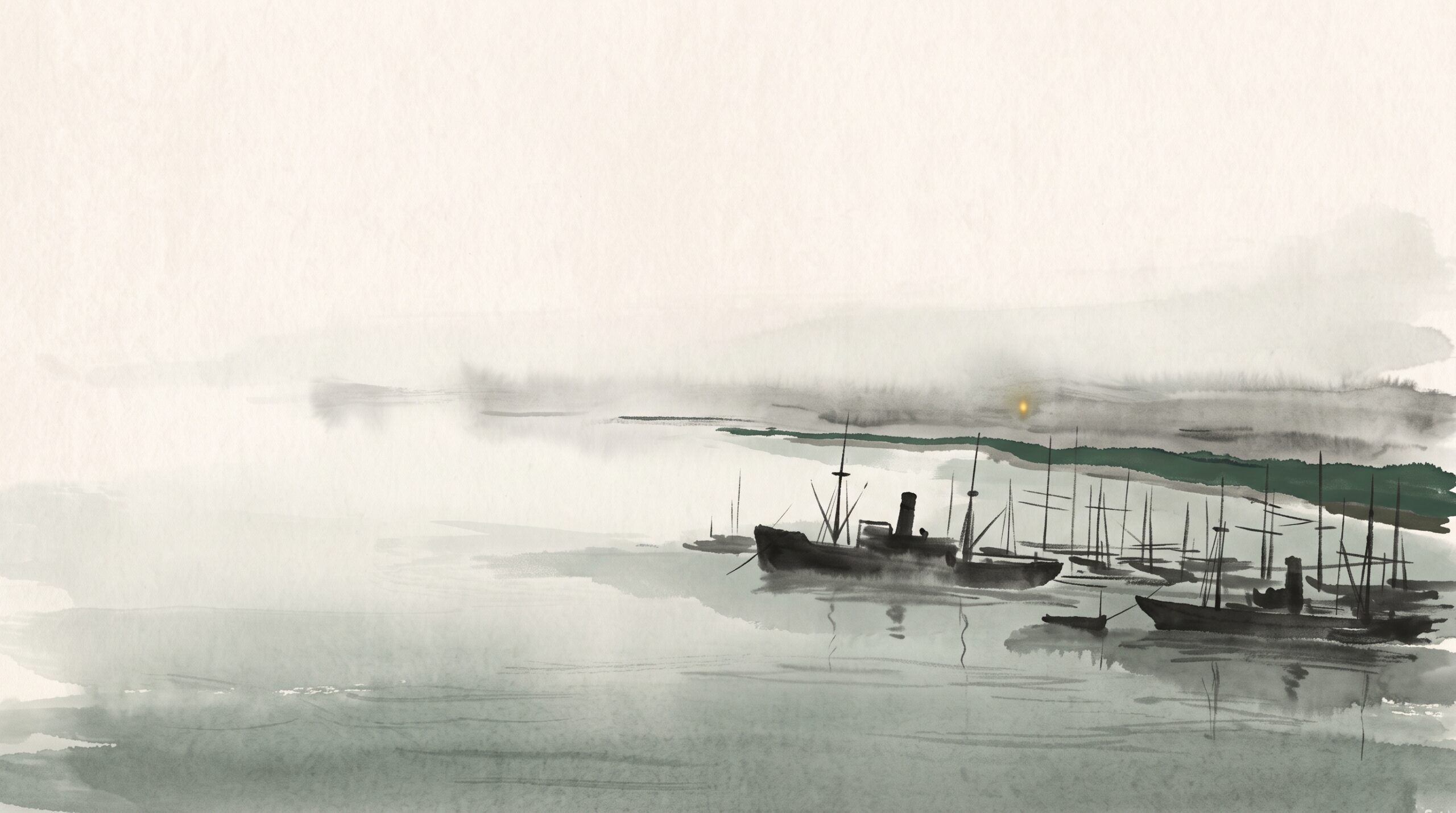
Halifax in 1917 was one of the busiest ports on earth. The First World War had turned its deep, ice-free harbour into a funnel for the whole Allied war effort in the Atlantic: convoys of merchant ships gathered in the sheltered water of Bedford Basin before running the gauntlet of German U-boats to Europe, their holds packed with food, horses, troops, and munitions. The city’s population had swollen with sailors, soldiers, and dockworkers. Money and men and cargo moved through the narrow channel that connected the outer harbour to the basin — a stretch of water known, with grim aptness, as the Narrows.
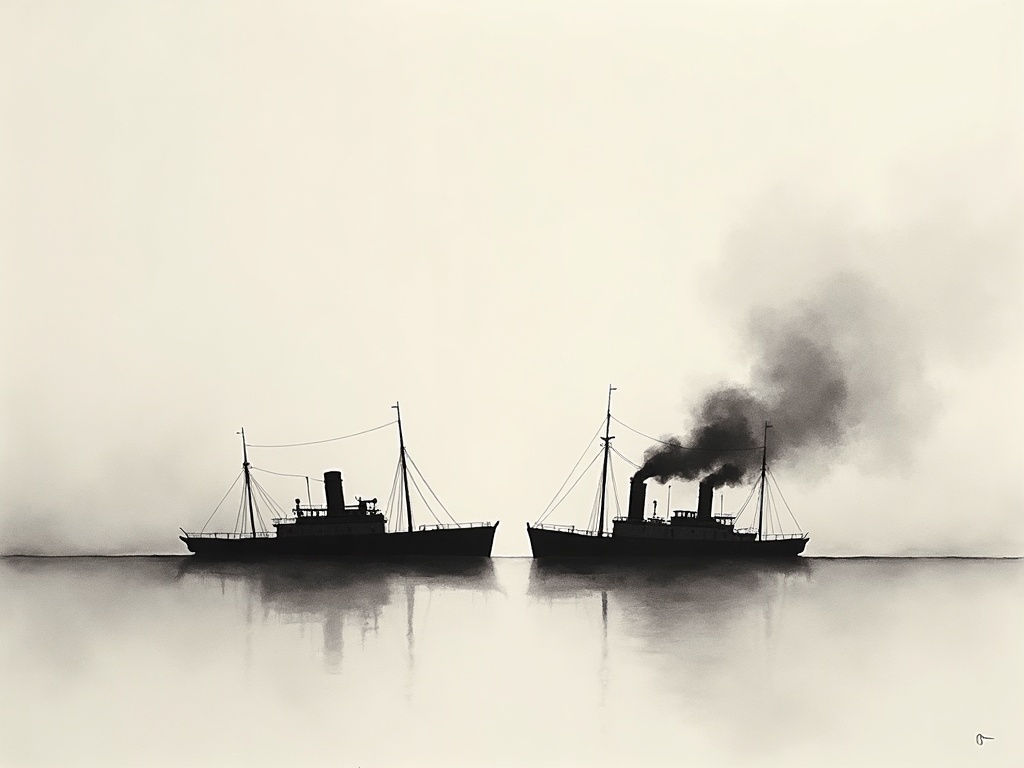
It was into the Narrows, on that December morning, that two ships came on a collision course.
The Ship Full of Fire
The first was the SS Mont-Blanc, a French freighter, and she was a floating bomb. In New York she had been loaded to the very limit with high explosives for the Western Front: roughly 2,900 tonnes of them, including TNT and picric acid — a notoriously unstable explosive used in shells — packed into her holds, with drums of highly flammable benzol fuel stacked on her open deck. She flew no special flag to warn other vessels of her cargo; wartime secrecy forbade it. To anyone watching, she was just another rusty steamer nosing up the harbour.
Coming the other way was the SS Imo, a Norwegian steamer chartered to carry relief supplies to occupied Belgium, running late and moving fast down the channel. In the tight water of the Narrows the two ships misread each other’s intentions, exchanged whistle signals that only deepened the confusion, and could not get clear. The Imo‘s bow struck the Mont-Blanc‘s hull. It was not, in itself, a violent collision. But the impact toppled the benzol drums on deck, the fuel spread and caught, and sparks from the grinding steel set it alight.
The Mont-Blanc‘s crew knew exactly what they were carrying, and they knew there was no fighting a fire on top of it. They rowed frantically for the far shore and ran for the trees, screaming warnings that no one on the Halifax side could understand. The abandoned ship, burning brilliantly, drifted with the tide until she nudged gently against Pier 6, at the foot of the crowded working-class district of Richmond. And the whole neighbourhood came to watch her burn.
Four Minutes Past Nine
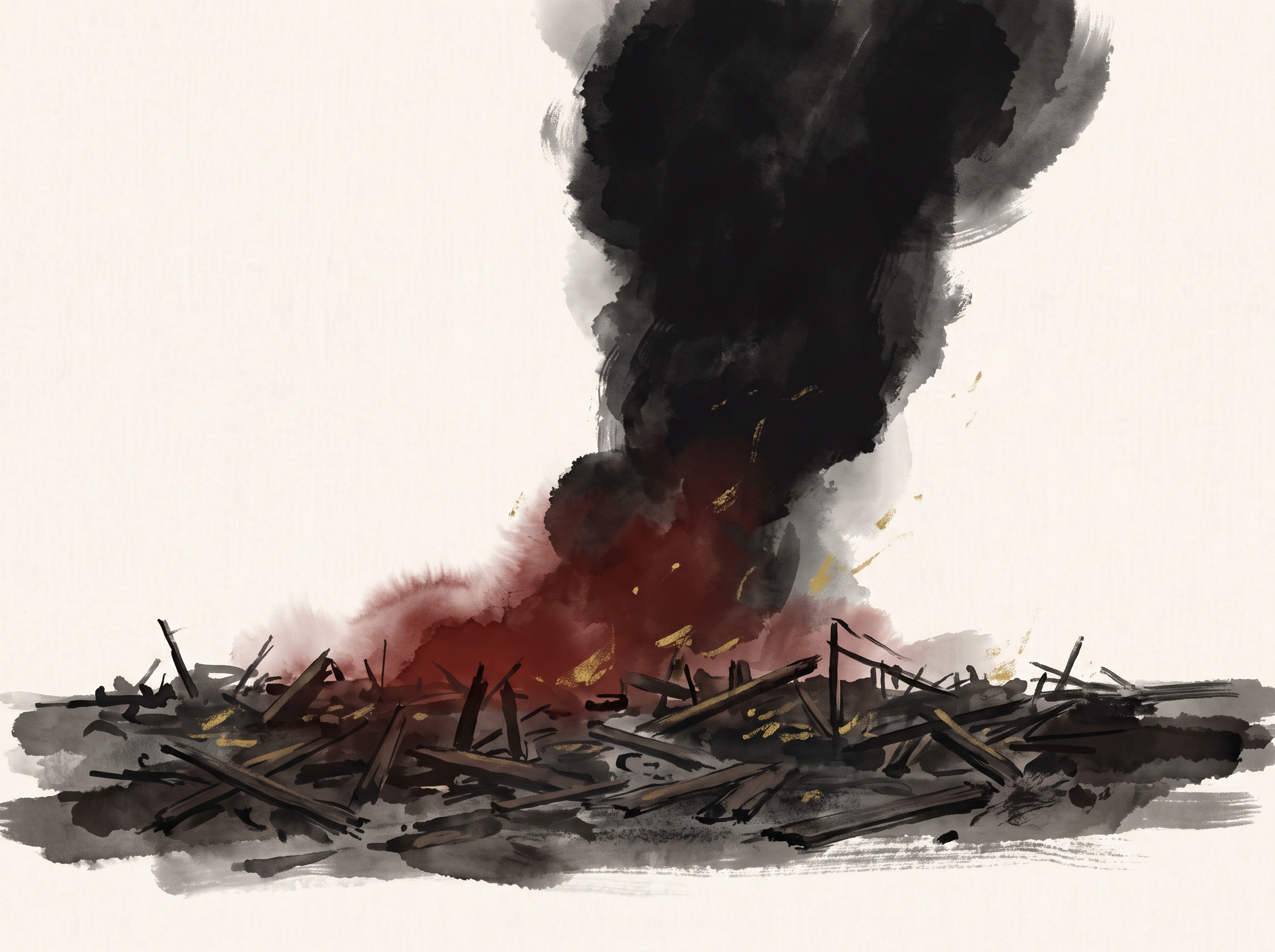
For about twenty minutes the fire built. Then the flames reached the cargo. The explosion that followed was, by any measure the world then possessed, the largest that human beings had ever caused — a distinction it would hold until the atomic bomb almost three decades later. The blast released energy on a scale that flattened nearly everything within a half-mile radius. A wall of overpressure levelled Richmond in an eyeblink, collapsing houses, churches, factories, and schools onto the people inside them.
The Mont-Blanc was vaporised; pieces of her iron were flung for miles, one part of her anchor shank landing more than three kilometres away. The shock shattered windows fifty miles off and was felt in Cape Breton. And because so many had crowded to their windows to see the fire, a horror peculiar to Halifax followed: as the glass blew inward, hundreds of onlookers were blinded, their eyes destroyed by the very panes they had been watching through.
The Sea, and Then the Snow
The explosion had emptied the harbour floor for an instant, and the water rushed back to fill the void. A tsunami surged up over the shore, higher than the piers, dragging people and wreckage back into the harbour. On the far side, at Tufts Cove, the wave devastated a long-established Mi’kmaq community, sweeping away homes and lives in a settlement that never fully recovered.
When the smoke cleared over Richmond, an entire district was gone. Roughly 1,800 to 2,000 people were dead — the official reckoning would settle near 1,963 — and some 9,000 more were injured, with thousands left homeless in the ruins. Overturned stoves and lamps in the wrecked houses started fires that trapped the injured where they lay. And then, as if the day had not asked enough, the weather turned. The next morning a blizzard swept in off the Atlantic, burying the shattered city under heavy snow, freezing survivors, and stalling the desperate work of digging the living and the dead out of the debris.
The Man Who Stayed
In the minutes before the blast, one act of quiet courage cut through the chaos. Vince Coleman, a train dispatcher, was at work in the railway telegraph office near the waterfront when a sailor ran in shouting that the burning ship was loaded with explosives. Coleman and his chief clerk started to flee. Then Coleman stopped. He knew that an inbound passenger train, carrying hundreds of people, was due at the Richmond terminal within minutes.
He went back to his key. Alone in the doomed office, he tapped out a warning down the line: Hold up the train. Ammunition ship afire in harbour making for Pier 6 and will explode. Guess this will be my last message. Goodbye, boys. The message got through, and the train was stopped short of the city. Vince Coleman was killed at his post seconds later. He had traded his own life for the strangers on that train, and he never knew whether it had worked.
What Came After
Help came from everywhere, but nowhere faster than Boston. Word of the catastrophe reached Massachusetts by wire, and within hours a relief train was loaded with doctors, nurses, and supplies and sent north through the same blizzard that was tormenting the survivors. The people of Halifax never forgot it. Every year since, the province of Nova Scotia has sent Boston a great Christmas tree — a living thank-you, still standing tall on Boston Common each December, for the strangers who came when the city was on its knees.
The disaster reshaped the practice of catastrophe itself. The sheer number of eye injuries advanced the treatment of ocular trauma; the burns and crush wounds pushed forward emergency and reconstructive care; and the coordinated response — organised through the newly formed Halifax Relief Commission, which would administer aid and pensions for decades — became an early model for modern disaster relief. Out of one morning’s ruin came lessons that would save lives in disasters no one had yet imagined.
Why It Still Matters
It is easy, more than a century later, to file the Halifax Explosion under accident — a freak collision, a fire, terrible luck. But what lingers is not the mechanics of it. It is the image of an ordinary morning: children with their schoolbooks, workers at their benches, a whole neighbourhood drawn to the windows by something bright and strange in the harbour, none of them knowing they had only minutes left. And it is the man who did know, and turned back to his telegraph key anyway.
The world would go on to build far larger explosions on purpose. But Halifax was the first time humanity glimpsed what that kind of power could do to a living city — the blindings, the tsunami, the flattened district, the snow falling over it all. We remember it not for the size of the blast but for the smallness of the moment it interrupted, and for the reminder, carried north on a relief train and returned south every Christmas in the shape of a tree, that even in the worst hour a stranger’s hand is sometimes the only thing that gets through.
Sources & further reading:
Related Reading
- The Village That Lost Its Children: The Freckleton Air Disaster of 1944
- The Night Saboteurs Blew Up New York Harbor: The Forgotten Black Tom Explosion of 1916
- The Man Who Survived Two Atomic Bombs: Tsutomu Yamaguchi at Hiroshima and Nagasaki