The Sodder Children: The Christmas Eve Fire and the Family That Never Stopped Searching

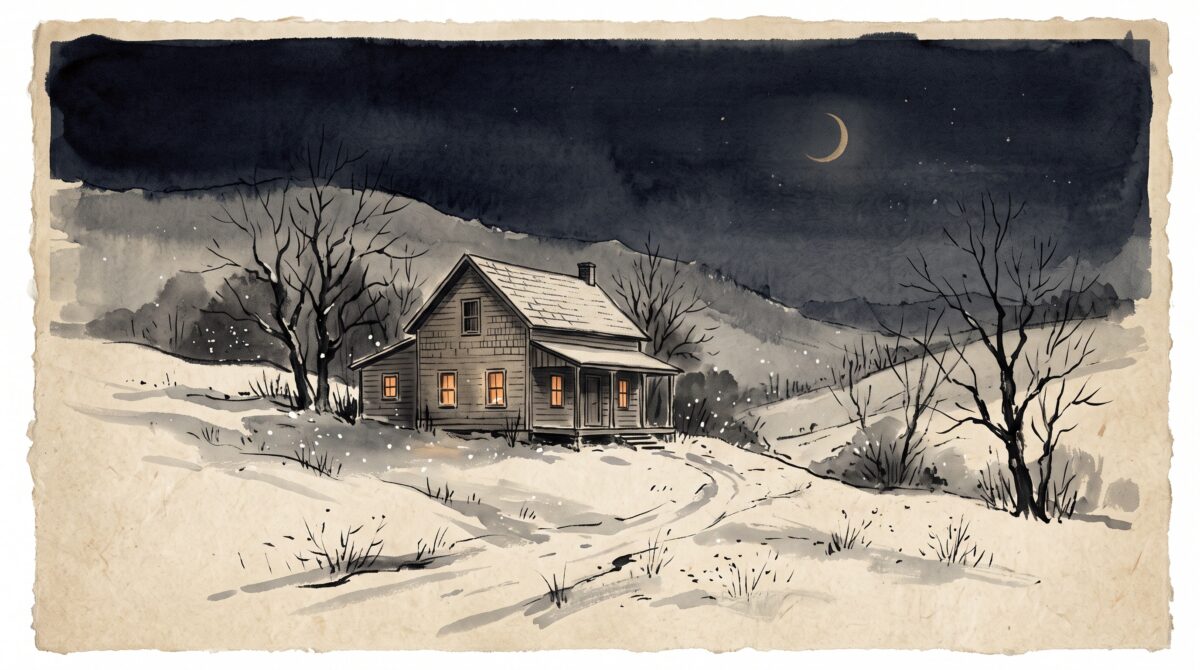
On the morning of December 25, 1945, George Sodder stood on the smoking ruins of his own home in the hills outside Fayetteville, West Virginia, and could not find his children. Not alive, which he had feared, and not dead, which was somehow worse. Five of them had been asleep upstairs when the fire took hold in the small hours of Christmas morning. The house had burned to the ground in less than an hour. And when the ashes cooled and the family searched them, there was nothing. No bones. No teeth. No trace at all that five children had ever been there.
That absence became the center of a mystery that George and Jennie Sodder would chase for the rest of their lives, and that has never been solved. It is a story about a fire, but really it is a story about a family that refused, for more than forty years, to accept the version of events everyone else believed.
A Family on the Hill
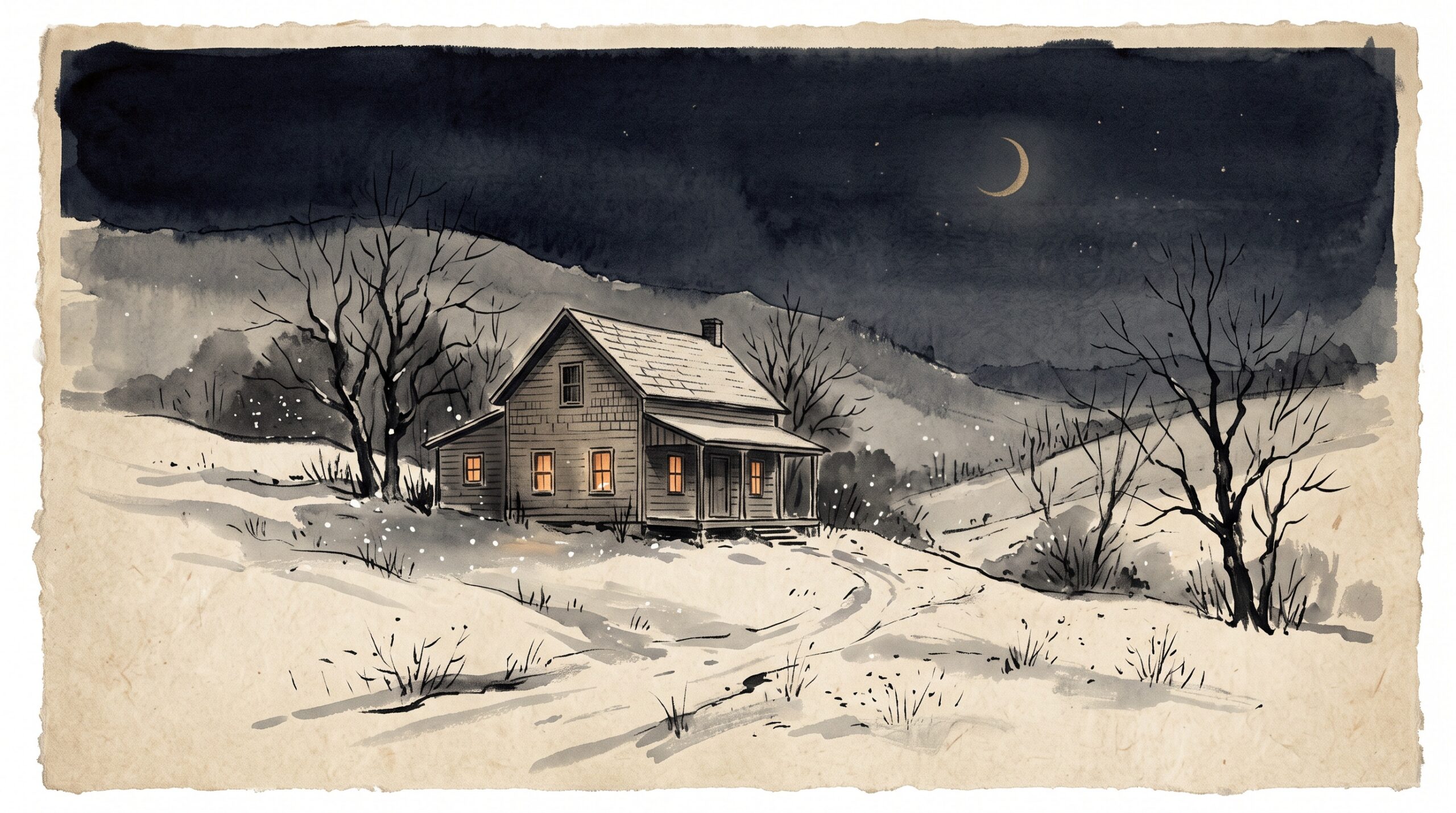
George Sodder had come to America from Sardinia as a boy and built a good life. By 1945 he ran a coal-trucking business, owned his home, and was known around Fayetteville as hardworking, opinionated, and successful. He and his wife Jennie had ten children. Nine of them were home on Christmas Eve; the eldest son was away serving in the Army.
George was also outspoken, and in an Italian immigrant community during the war years, his politics made enemies. He was fiercely critical of Benito Mussolini, and he argued about it loudly and often. More than one heated exchange with other men in the area had ended badly. It was the kind of ordinary domestic prosperity that, in hindsight, seemed to have quiet cracks running through it.
The Night Everything Burned
The evening began as a happy one. The younger children had new toys and begged to stay up late; Jennie let them, then went to bed. Sometime after midnight the telephone rang. Jennie answered and heard an unfamiliar woman’s voice ask for a name she did not recognize, with strange laughter and clinking glasses in the background. She said the caller had the wrong number and went back to bed, noticing on the way that the lights were still on and the front door unlocked, though the older children should have secured the house.
Around one in the morning she woke to smoke. George’s office at the corner of the house was on fire. George, Jennie, and four of the children got out. Five did not: Maurice, Martha, Louis, Jennie, and Betty, ranging from about five to fourteen years old, were still upstairs.
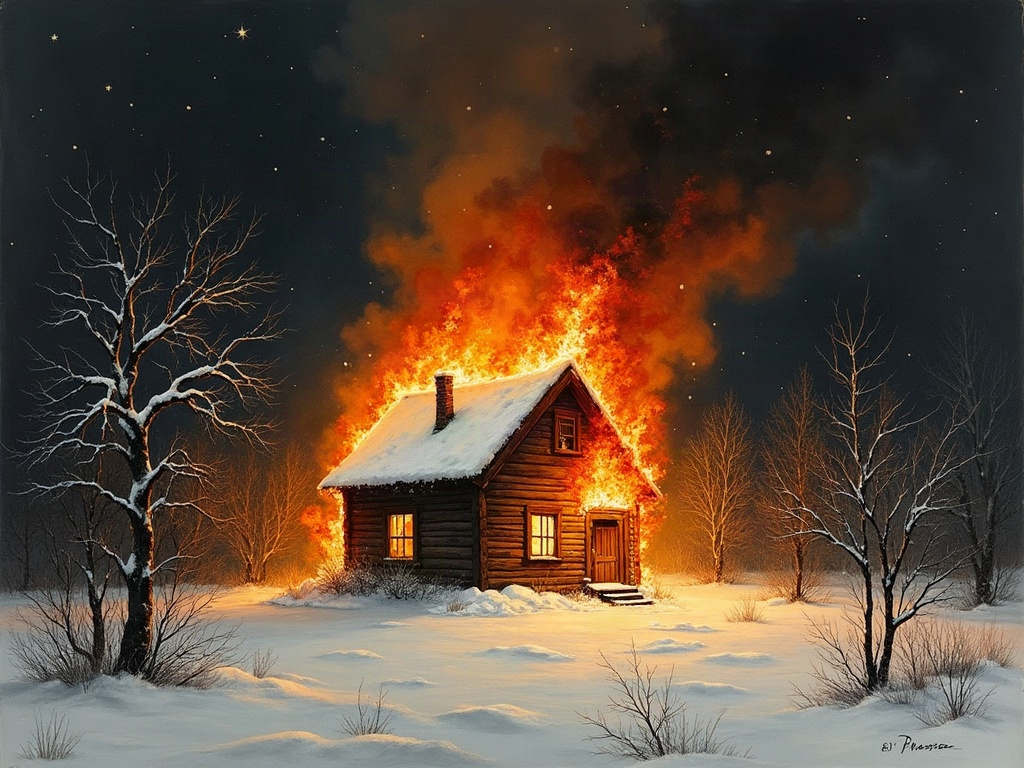
What happened next is where the ordinary tragedy of a house fire begins to turn strange. George tried to run back in, but the stairs were already ablaze. He went for the ladder he always kept propped against the house so he could reach the upper windows, and the ladder was gone. He tried to start one of his two coal trucks to drive it against the wall and climb up; neither truck would start, though both had run perfectly the day before. He tried to scoop water from a rain barrel and found it frozen solid. Someone ran to call the fire department, and the telephone line was dead. By the time help arrived, hours later, there was nothing left to fight. In under an hour the house had collapsed into its own cellar.
The Missing Remains
The official conclusion came quickly: an accidental electrical fire, five children dead, their bodies consumed. Death certificates were issued. It should have ended there, a heartbreaking but explicable disaster.
But George Sodder could not make the facts fit. He had recently had the wiring inspected and pronounced safe. Household appliances that should have been destroyed by a fire hot enough to cremate five bodies were later found largely intact in the ruins. Above all, there were no remains. A fire that burned for less than an hour, the family argued, and a professional would later agree, does not reduce human bodies to nothing; bones survive far hotter and longer blazes. A cursory later dig turned up a few small fragments that an expert examined and concluded were too well preserved to have been through that fire at all, more likely carried in with fill dirt used to cover the site.
For a grieving parent, an unexplained absence is an invitation to hope, and the more George looked, the more the ordinary story fell apart. It is the same maddening quality that haunts other cases where people simply vanish and leave the evidence tangled behind them, like the three lighthouse keepers who disappeared without a trace from a remote Scottish island, or the unexplained deaths of nine hikers who fled their tent on a frozen mountain.

The Clues That Pointed Elsewhere
Once the Sodders stopped believing in the accident, a pattern seemed to emerge from the details. Months earlier, an insurance salesman George had turned away had reportedly told him, in anger, that his house would go up in smoke and his children would be destroyed, because of the things he said about Mussolini. Another man had been seen studying the property. A witness claimed to have watched someone remove a block-and-tackle used for lifting truck engines, which might explain why the vehicles would not start.
Then there were the sightings. A woman said she saw the children peering from a passing car while the house burned. The operator of a tourist stop between Fayetteville and Charleston reported that she had served breakfast to several children the next morning who did not speak English to one another and left in a car with Florida plates. A man later admitted he had cut what he thought was the power line that night, intending to steal, though he insisted he had nothing to do with any fire. Each thread, on its own, could be coincidence. Together, to a parent, they wove into something unbearable: the possibility that the children had been taken alive.
The Photograph and the Billboard
The Sodders never gave up. They hired private investigators, petitioned officials, and in 1952 erected a large billboard along Route 16 showing the children’s faces, the date, and an appeal for information, offering a reward. It stood for years, a fixture that drivers came to know.
Then, in 1967, more than two decades after the fire, Jennie opened the mail to find a photograph of a young man in his twenties. On the back was a cryptic note referring to “Louis Sodder” and a scramble of names and numbers. The face, Jennie was convinced, was her missing son Louis, grown up. The family sent it out, hired another investigator to follow the lead, and, by their account, he vanished and was never heard from again. The photograph became the enlarged centerpiece of the billboard.

George Sodder died in 1969, still certain his children were alive somewhere. Jennie carried on alone, dressing in black for the rest of her life and adding a small stone room onto the house as a memorial. The billboard stayed up until she died in 1989, when it finally came down. Their youngest daughter, Sylvia, only a toddler on the night of the fire, kept the case alive into the twenty-first century, still asking the questions her parents had asked, until her own death in 2021. There is something about the disappearance of a child, or the sudden appearance of one who cannot be explained, that a family and a community will worry at for generations, the same unresolved ache that surrounds the boy who came from nowhere with no verifiable past.
An Ending That Never Came
No one has ever proven what happened to Maurice, Martha, Louis, Jennie, and Betty Sodder. The most sober explanation remains that they died in the fire and that the extraordinary heat, or a hurried and imperfect search of the ruins, left nothing to find. But no one has ever explained the missing ladder, the dead trucks, the severed phone line, the threatening words, the sightings, or the photograph well enough to silence the doubt.

What endures is not an answer but the shape of a family’s refusal. George filled the scorched cellar with earth and planted a garden over it, so that the place where his children were last known to be would be a memorial rather than a grave he did not believe in. For more than forty years the Sodders lived inside a question mark, choosing the pain of not knowing over the false peace of a story they could not accept. Most historical mysteries are puzzles we study from a comfortable distance. This one is a reminder that behind the great unsolved cases are ordinary people who had to wake up every morning and go on loving someone they could neither find nor bury.
Sources & further reading:
Related Reading
More from the archive
- The House That Grief Built: Sarah Winchester and the Mansion Meant to Confuse the Ghosts
- The Green Children of Woolpit: The Medieval Mystery of Two Children Who Wandered Out of a Land With No Sun