The Ohio Penitentiary Fire of 1930: 322 Men Who Burned Behind Locked Doors

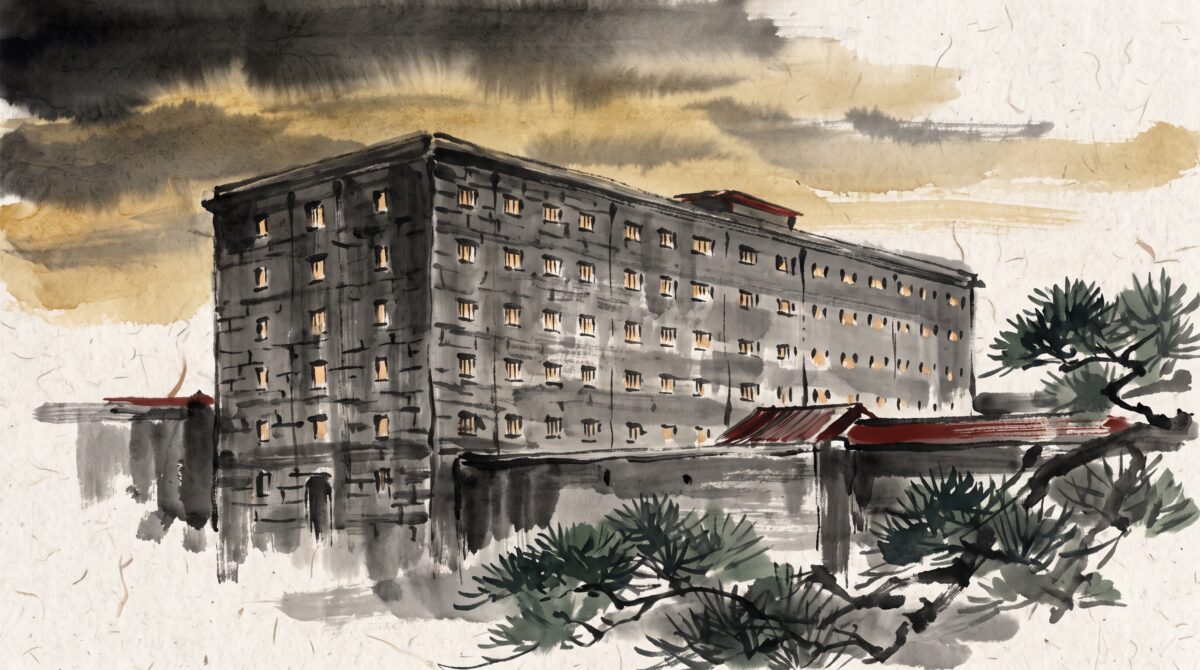
The bells had barely finished marking Easter Monday when the smell reached the tiers. It was faint at first, drifting up through the vast stone galleries of the Ohio Penitentiary in Columbus — the sharp tang of burning oil and wood. Some men, locked into their cells for the evening count, joked about it. A kitchen mishap, maybe. A trash fire in the yard. Then the lights flickered, the smoke thickened, and a sound began to build that no one who survived it ever forgot: the clang of fists on steel and the voices of hundreds of men calling, over and over, for someone to bring the keys.
It was the evening of April 21, 1930. Within a few hours, 322 of those men would be dead — the deadliest prison fire in American history, and one born not of malice but of neglect, overcrowding, and a few fatal minutes of hesitation.
A Fortress Built to Overflow
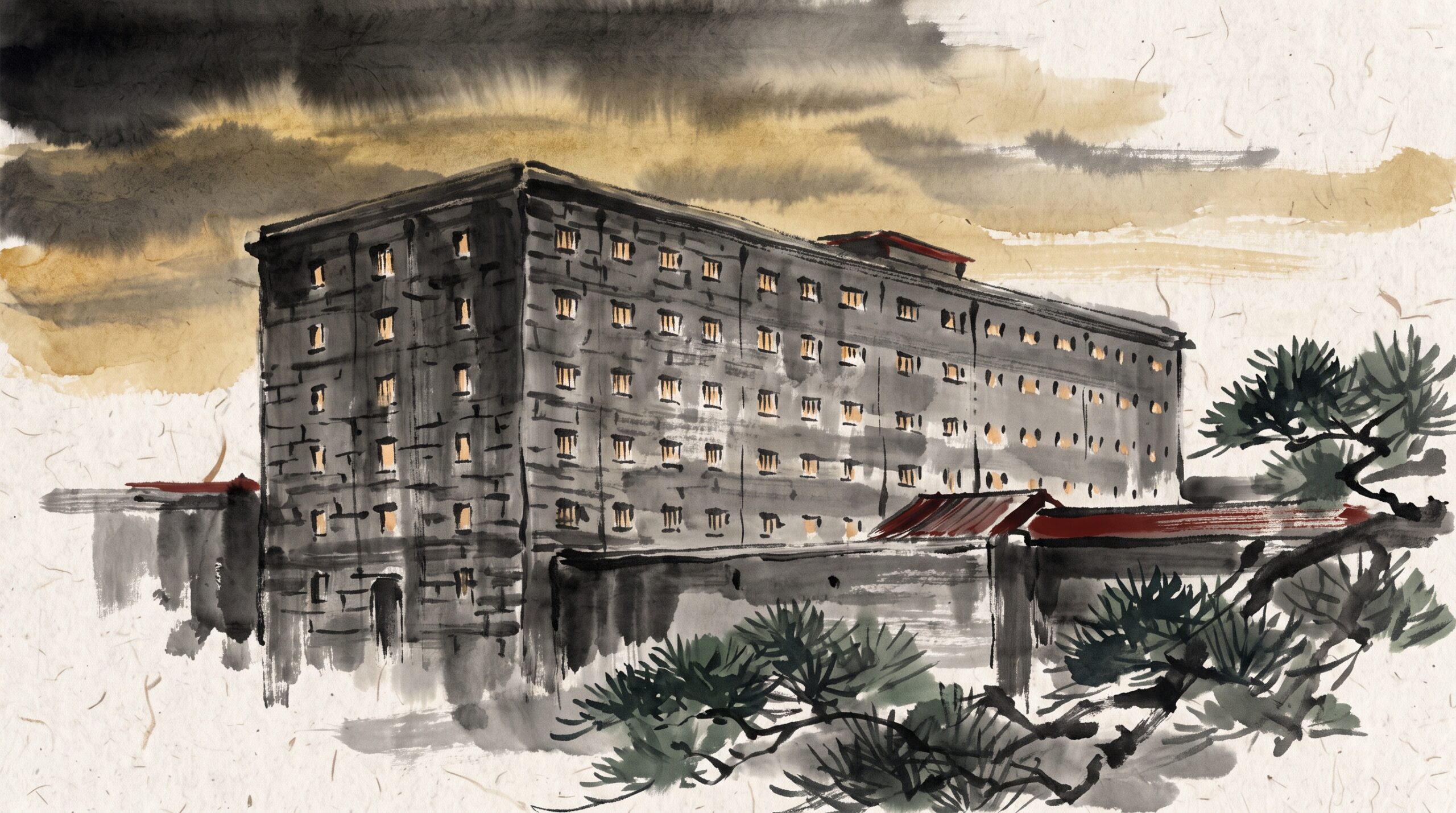
The Ohio Penitentiary was an old institution by 1930, its grim limestone walls looming over downtown Columbus since the 1830s. It had been designed, generations earlier, to hold roughly fifteen hundred inmates. On the night of the fire it held more than four thousand three hundred.
That single figure explains almost everything that followed. Cells built for one man held two or three. Corridors meant for orderly movement had become congested warrens. Mandatory sentencing laws had funneled ever more prisoners into a plant that had never been enlarged to match, and the state had answered the pressure by building upward — new cell blocks rising floor upon floor, some of them still unfinished, ringed with wooden scaffolding and littered with the debris of construction. The penitentiary had long carried a reputation for cruelty and squalor. What it lacked, above all, was any coherent plan for getting men out in an emergency.
The Candle and the Rags
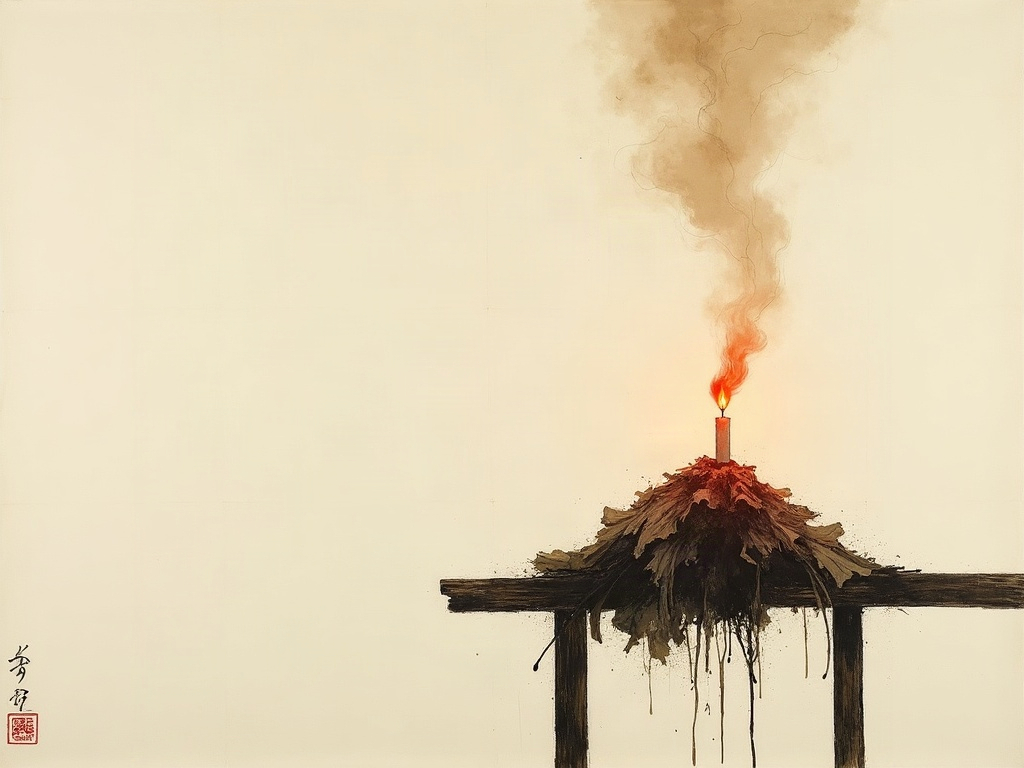
The fire is believed to have started in the six-story West Block, a new range of cells still under construction. Investigators later traced it to something almost absurdly small: a candle left burning near a pile of oil-soaked rags on the wooden scaffolding. Whether it was pure carelessness or, as some whispered, a botched escape scheme meant to create a diversion, was never conclusively settled.
What is certain is how fast it moved. The oily rags caught, the flame climbed the dry scaffolding, and within minutes the top tiers of the block were roaring. Tar, fresh timber, and paint fed the blaze into a furnace. Heat buckled the roof. Smoke rolled down through the galleries and pooled in the enclosed cell rows, where the men had already been locked in for the night.
The Keys That Never Came
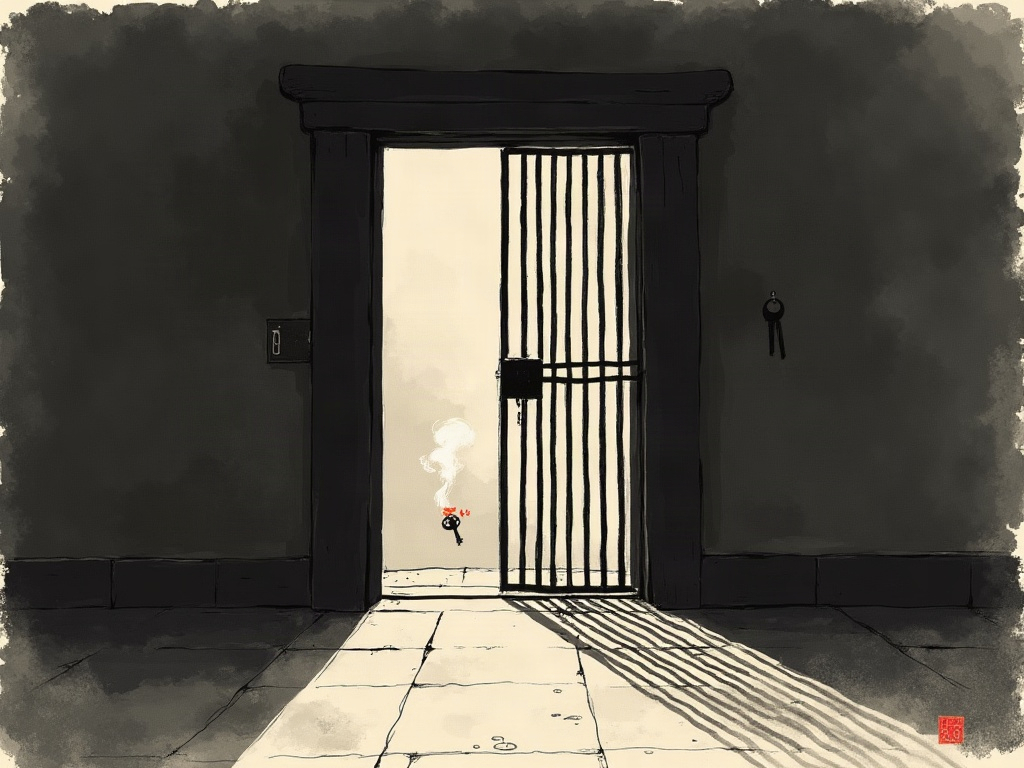
Here the tragedy turned from accident into something harder to forgive. When fire breaks out in a building full of free people, they run. When it breaks out in a prison, they wait — because the doors that hold them are steel, and the keys are held by someone else.
In the crucial early minutes, the guards hesitated. Their entire training pointed one way: a mass release of prisoners during chaos meant a mass escape. Some reportedly refused to unlock the tiers without direct orders. Others simply could not reach the burning ranges through the smoke, or fumbled with keys that opened cells one agonizing lock at a time. Precious minutes bled away while the men in the upper tiers of the West Block breathed superheated air and hammered at bars that would not give.
For those trapped highest and closest to the flames, those minutes were the difference between living and dying. They died still locked in, many of them, found later at the doors of their cells with their hands on the bars.
The Men Who Refused to Watch Them Die
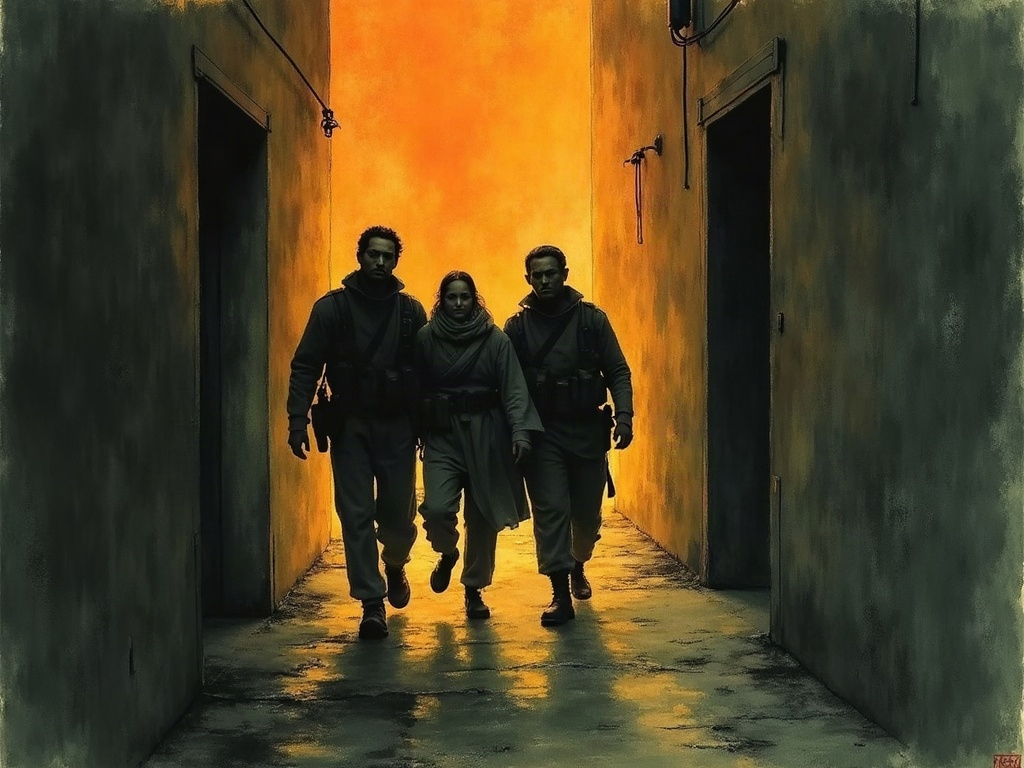
And yet the same night that exposed the system’s worst also revealed something extraordinary in the men it caged. As the guards faltered, prisoners took matters into their own hands. Convicts seized keys, smashed locks, and pried open cell doors with bars and their bare hands, dragging strangers out of the smoke. Men who had every reason to bolt for the walls instead turned back into the burning galleries again and again, hauling the unconscious and the badly burned toward the yard.
Some formed human chains through the blinding smoke. Others carried men down from the upper tiers on their backs. When the fire department finally poured through the gates, they found rescue already underway, run by the inmates themselves. It is one of the quiet, uncomfortable truths of that night: many of the heroes wore the same stripes as the dead, and several of the men who saved lives had been branded, by the state and the newspapers, as beyond redemption.
Morning Over the Ashes
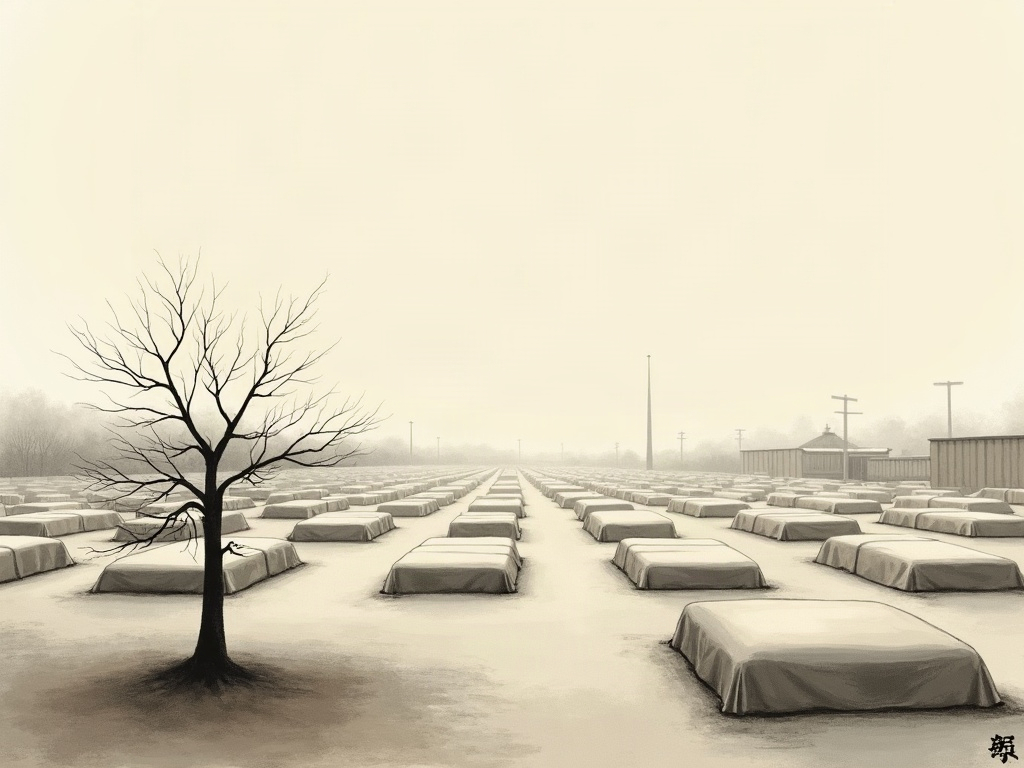
By the time the flames were beaten down, the count was staggering. Three hundred and twenty-two inmates were dead and more than two hundred injured, many gravely. The prison yard became a makeshift morgue, rows of bodies laid out under the pale early light while doctors and volunteers moved among the survivors coughing black smoke from their lungs.
The dead were not only case files. Among them were men serving short sentences for minor crimes, men with wives and children waiting for release dates that would now never come. One victim had served as a squadron sergeant in France during the First World War, a decorated veteran who had survived a war only to suffocate in a locked American cell. The news raced across the country and around the world, and for a brief, searing moment the public looked directly at what it had built and paid, mostly, to ignore.
What the Fire Forced Into Law
Disasters have a way of accomplishing what decades of reformers cannot. The horror in Columbus made the abstract problem of prison overcrowding suddenly, unbearably concrete. In 1931 the Ohio legislature moved to ease the crush, repealing rigid mandatory sentencing rules that had jammed the penitentiary far past its limit and opening the door to parole and clemency measures aimed at thinning the population.
The fire also fed a broader reckoning over safety in institutions where people cannot save themselves. It sharpened arguments for fireproof construction, for clear escape routes, for the radical idea that a locked door in a burning building is a death sentence unless someone can open it in seconds. The lessons rippled outward into fire codes and prison design in the years that followed — lessons written, as they so often are, in the names of the dead.
Why It Still Matters
Nearly a century later, the Ohio Penitentiary is gone, its walls torn down and its ground given over to an arena district where crowds gather for games and concerts, most of them unaware of what once stood there. But the questions the fire posed have not aged a day.
What do we owe the people we lock away? The men who died that Easter Monday had forfeited their freedom, but not their lives, and the thin margin between those two things came down to how quickly a guard was willing to turn a key. In their final panic, and in the courage of the prisoners who ran back into the smoke for one another, the fire stripped away the comfortable distance between the guarded and the guilty. It reminded a distracted country that a human being behind bars is still a human being — and that how a society treats its most despised is a measure of the society itself. That is why, long after the ashes cooled, the story of the men who burned behind locked doors still refuses to stay buried.
Sources & further reading:
- Ohio Penitentiary – Wikipedia
- April 21, 1930: Inmates Burned Alive in Ohio State Penitentiary Fire – Zinn Education Project
- The Ohio Penitentiary Fire – Ohio Memory (Ohio History Connection)
- Prisoners left to burn in Ohio fire – HISTORY
- The Ohio Penitentiary Fire: How It Changed Prison Fire Safety – QRFS
Related Reading
- The Town That Burned in an Hour: The Peshtigo Fire, America’s Deadliest Wildfire, Erased by the Great Chicago Fire
- The Iroquois Theatre Fire: How an "Absolutely Fireproof" Theatre Killed 600 in Fifteen Minutes
- The Bath School Disaster: America’s Deadliest School Massacre, and the Man Who Planned It for a Year