The Iroquois Theatre Fire: How an “Absolutely Fireproof” Theatre Killed 600 in Fifteen Minutes

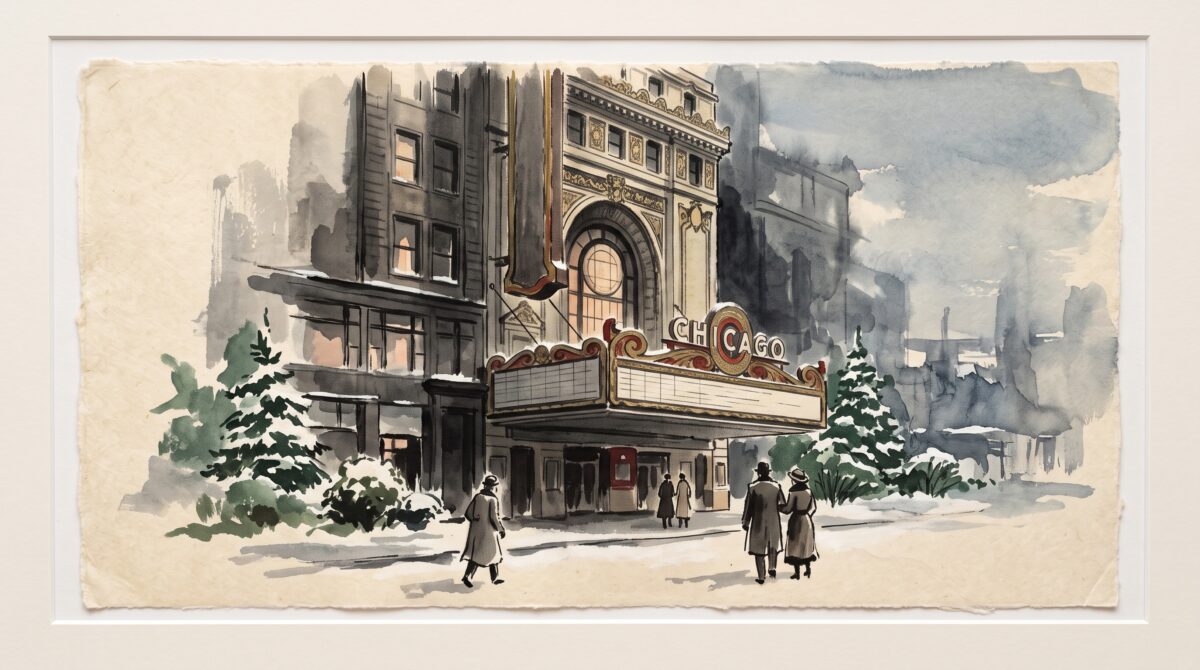
On the last Wednesday of 1903, the marquee of Chicago’s newest theatre promised a holiday spectacle and, in smaller print, a kind of guarantee. The Iroquois Theatre was absolutely fireproof. It said so in the programs. It had opened barely five weeks earlier, a palace of marble and plush and gilt on Randolph Street, and management believed the boast completely. By the time the afternoon was over, more than six hundred people were dead — twice the toll of the Great Chicago Fire that had consumed the whole city three decades before — and nearly all of them had died inside a building sold to them as safe.
A palace built in a hurry
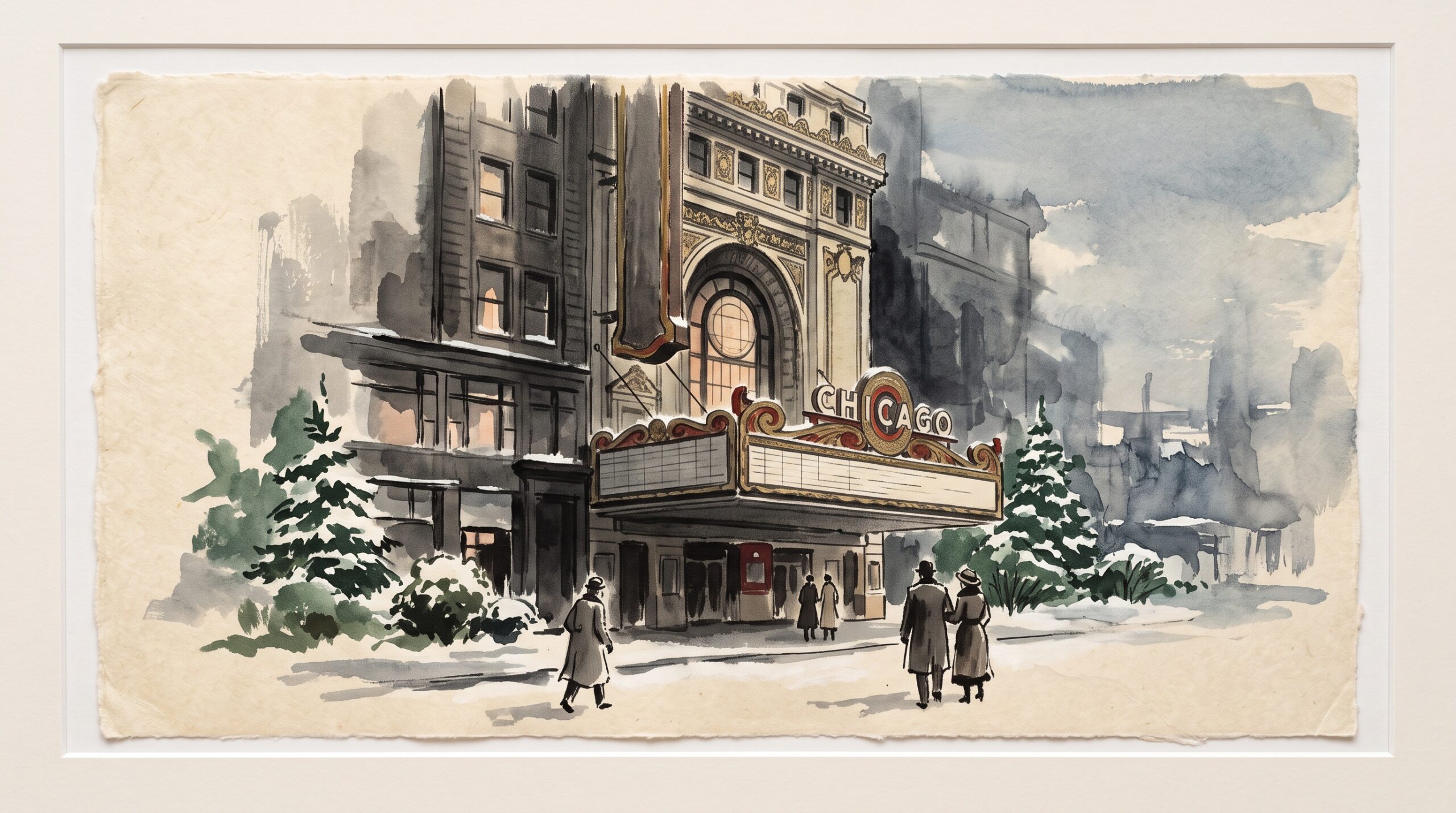
The Iroquois had been rushed to open in time for the lucrative holiday season, and the haste showed in ways no ticket-holder could see. Fire hoses were missing. There were no sprinklers, no alarm connected to any fire station, no water standpipes on the stage. The fire escapes on the back of the building were incomplete. Skylights meant to vent smoke and flame from above the stage had been nailed or wired shut against the winter cold. Some exit doors were concealed behind heavy drapes so as not to spoil the decor; others were fitted with an unfamiliar European latch — a bascule lock — that a calm usher could open easily and a terrified stranger could not find at all.
None of it seemed to matter, because the theatre was fireproof. That single word did more damage than any missing hose. It reassured the owners, satisfied the rushed inspectors, and quietly excused every corner that had been cut.
The matinee
The show was Mr. Bluebeard, a lavish musical extravaganza, and the Wednesday matinee drew the crowd it was designed for: mothers with children, students on their Christmas break, whole families dressed for a treat. The house was packed well beyond its seating, with standees crammed into the aisles and the steep upper galleries filled to the rails. Somewhere north of nineteen hundred people were inside a building that could not safely empty a fraction of them in a hurry.
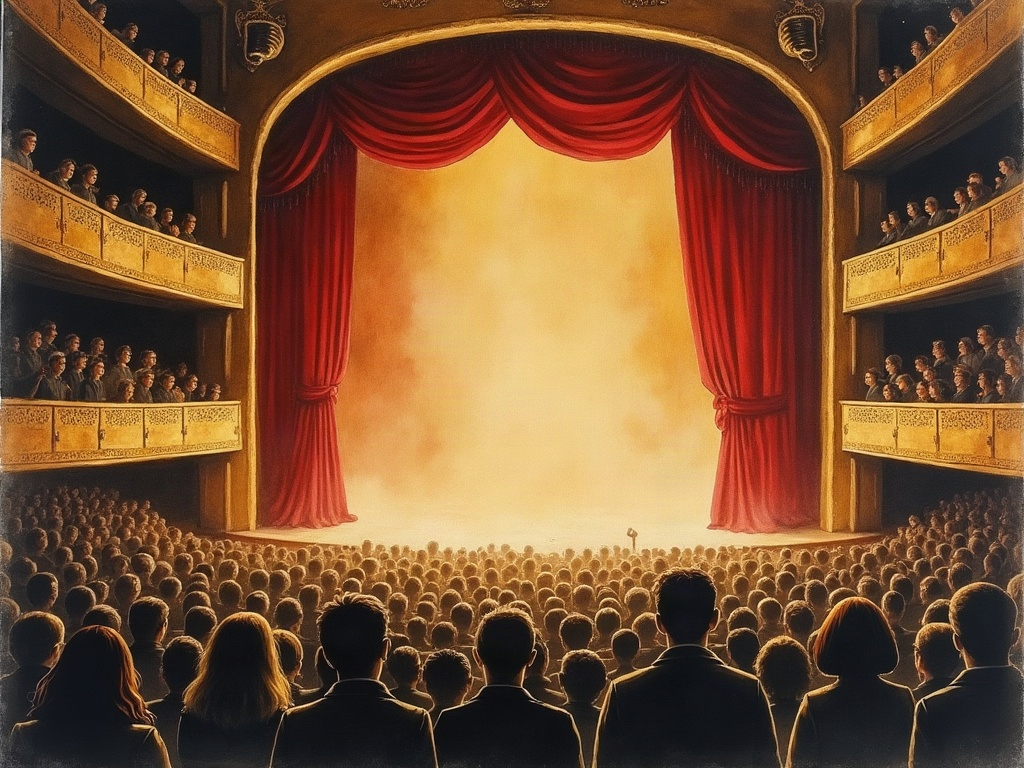
Early in the second act, during a softly lit musical number, a sputtering carbon arc light high on the left of the stage threw a spark into a hanging muslin drape. A flicker of orange ran up the fabric. A stagehand batted at it; it climbed out of reach into the fly space above, where thousands of square feet of painted canvas scenery hung waiting like kindling. Within moments the entire fly loft was alight.
Fifteen minutes
The theatre did have one real defense: an asbestos safety curtain designed to drop and seal the burning stage away from the audience. It came down — and snagged, catching on a light fixture or a wire, hanging uselessly a few feet above the stage floor. The gap was all the fire needed.
The comedian Eddie Foy, half in costume, walked out in front of the flames and begged the crowd to stay calm and leave slowly. For a few seconds they listened. Then a rear stage door was flung open by fleeing performers, and the winter wind rushed in behind the fire. It drove a rolling ball of flame and superheated gas out from under the snagged curtain and up into the packed balconies in a single terrible breath. Foy fled. The lights failed. The theatre went dark.
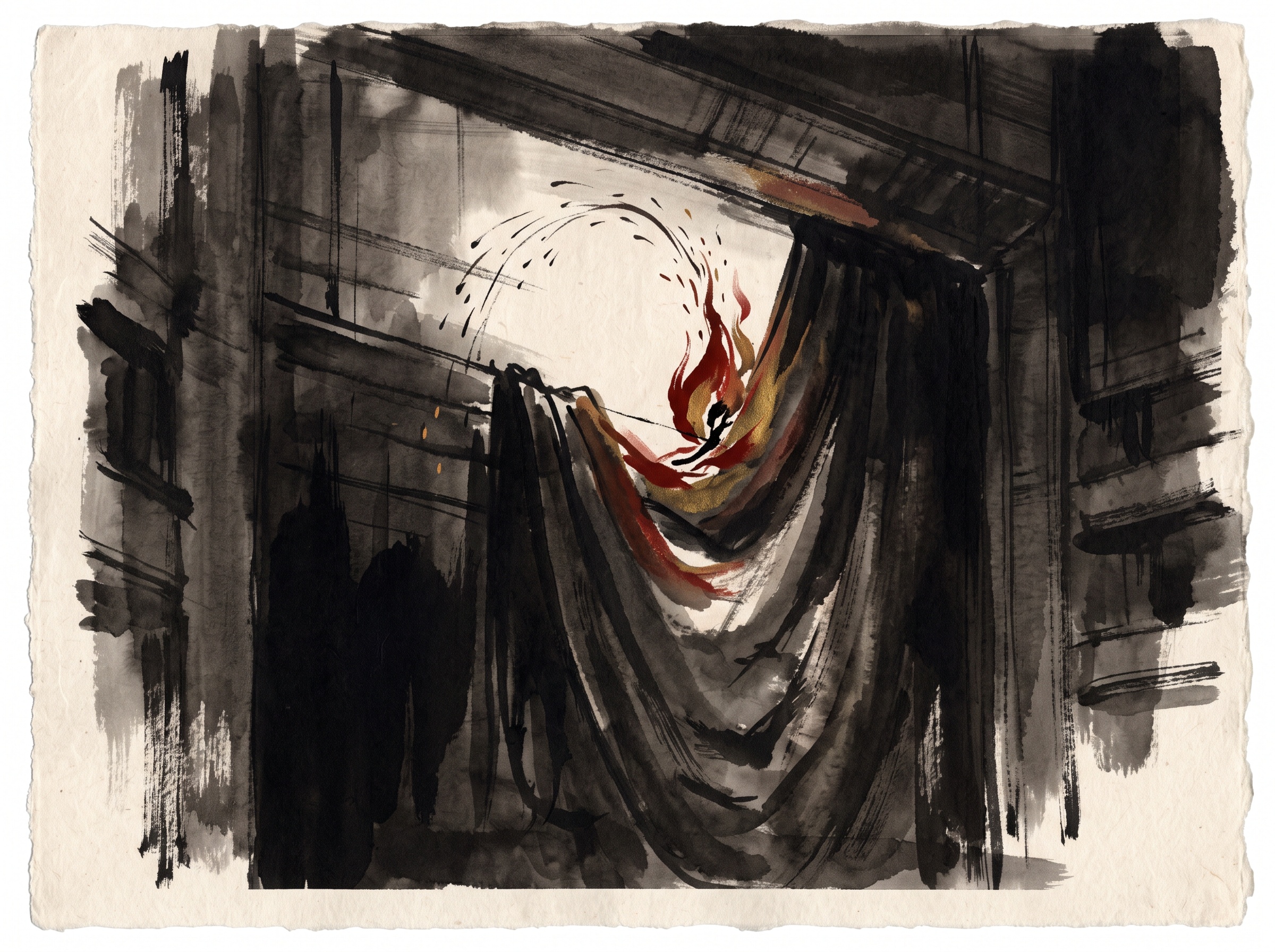
What followed happened in the space of minutes. In the darkness, the crowd surged toward doors they could not see, could not open, or that opened inward against the weight of the crush. People piled against the concealed exits until the bodies stacked higher than a person’s head; later, rescuers found the dead packed so tightly at some doors that the ones at the front had died standing up. On the unfinished fire escapes at the rear, people leapt or fell into the alley below; art students in a building across the way laid planks across the gap and pulled a few survivors to safety, while beneath them the alley filled with the fallen. Most of the dead were in the upper balconies, the cheap seats farthest from every exit, and most of them were women and children.
By the time fire crews arrived, the flames inside were already dying down — there had been little structural fuel; the building itself scarcely burned. The theatre was, in a grim technicality, nearly fireproof. It was the people inside it who had not been protected at all. Around six hundred and two lives ended in roughly fifteen minutes, more than in any single-building fire in American history before or since.
The reckoning
The grief turned quickly to fury. Chicago shut every theatre in the city for weeks. Indictments were handed down against owners, managers, and officials — but through legal maneuvering and the murk of divided blame, no one was ever convicted or punished for the deaths. The families who had trusted the word fireproof received, in the end, no justice from a courtroom.
What they received instead was written into law. The Iroquois disaster forced a wholesale rewriting of fire and building codes across the United States and beyond. Exit doors would open outward. They would be fitted with the simple horizontal push bar — the panic bar — that a crowd can open by falling against it, an invention spurred directly by doors that had held shut against the dying. Exits would be marked and kept clear and unlocked during performances. Theatres would need real fire curtains, working vents, alarms, and sprinklers. The lettered signs glowing over every public doorway you pass through today trace their lineage to that Chicago afternoon.
Why it still matters
The Iroquois has plenty of company in the grim ledger of crowds and locked doors; the same lethal pattern of too many people and too few honest exits recurs in the Ohio Penitentiary fire of 1930, and the same false comfort of a structure that outlives the people it was meant to shelter echoes in slow-burning tragedies like the Centralia mine fire. Fire has always haunted the American imagination — the unresolved dread of the Sodder children is proof of how deep that fear runs.
But the Iroquois lesson is narrower and sharper than fear. It is about the word fireproof — about how a single confident promise let intelligent, responsible people stop asking the obvious questions. Where are the exits? Do they open? Can a frightened stranger find them in the dark? The theatre was, technically, everything it claimed. The catastrophe lived entirely in the gap between the claim and the human beings who believed it. That gap is why, every time you walk into a crowded room and your eye drifts, without thinking, to the glowing exit sign, you are quietly honoring six hundred people who once could not find the door.
Related Reading
- The Town That Burned in an Hour: The Peshtigo Fire, America’s Deadliest Wildfire, Erased by the Great Chicago Fire
- The Ohio Penitentiary Fire of 1930: 322 Men Who Burned Behind Locked Doors