A Fortune in the Frost: The Viking Silver Hoard an Amateur Just Unearthed in Finland

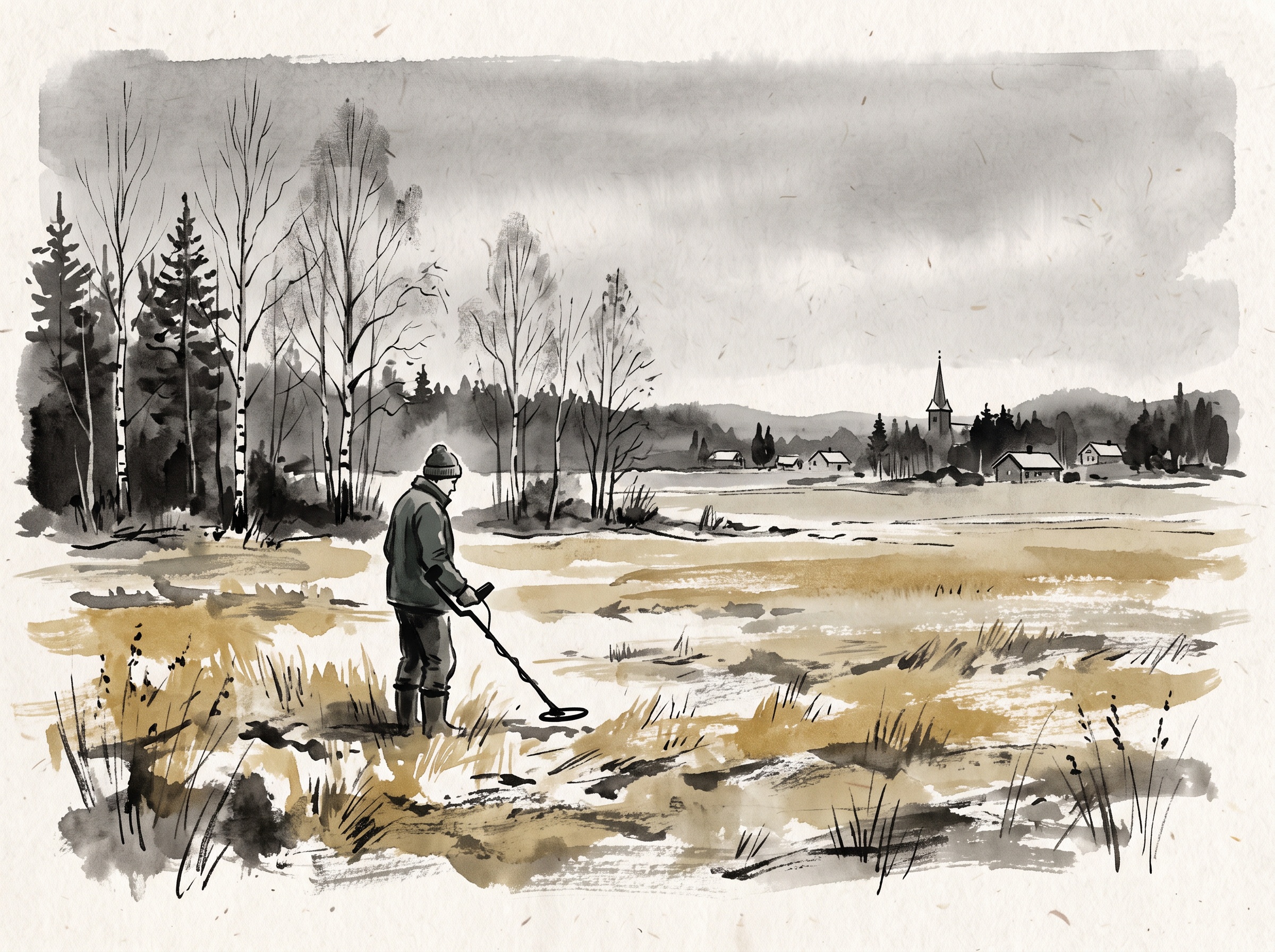
The field looked like nothing. A gentle rise of ground near the church village of Sysma in southern Finland, birch trees going gold at the edges, the low grey light of a Nordic September. Kalle Lappinen had swept a detector over ground like this a hundred times, in the unremarkable way that people with a hobby and a patient afternoon do. Then the machine sang — not the flat, tired note of a bottle cap or a nail, but something insistent — and he knelt and pushed his trowel into the cold soil. About eighteen inches down, wrapped in the ghost of a straw container that had all but rotted into the earth, was silver. A great deal of it.
Lappinen would later describe the feeling first as disbelief, then as a rush of adrenaline that is hard to fake and impossible to forget. He was standing over the largest Viking-Age silver hoard ever discovered in Finland, in the ground of his own hometown. And in one of those details that turns an already remarkable story into something almost unbelievable, his detector went off a second time. There was more. A few paces away — about forty feet — lay a second cache, a twin to the first, as if two hands had once buried two purses in the same trusted ground and meant to come back for both.
What came out of the ground
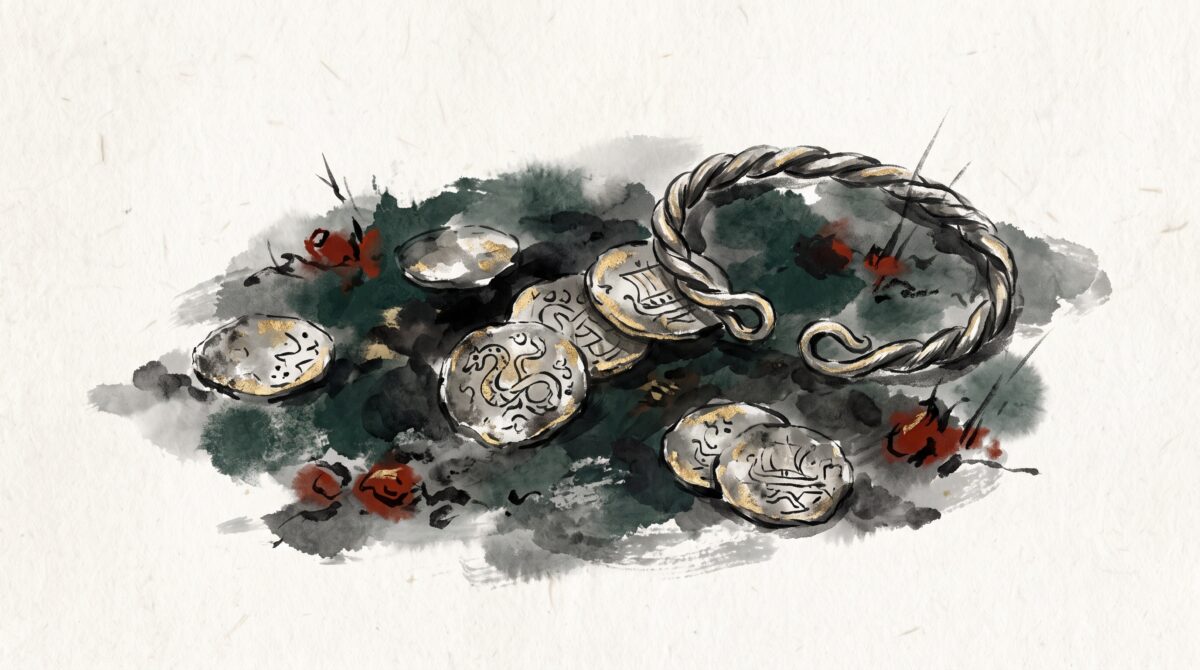
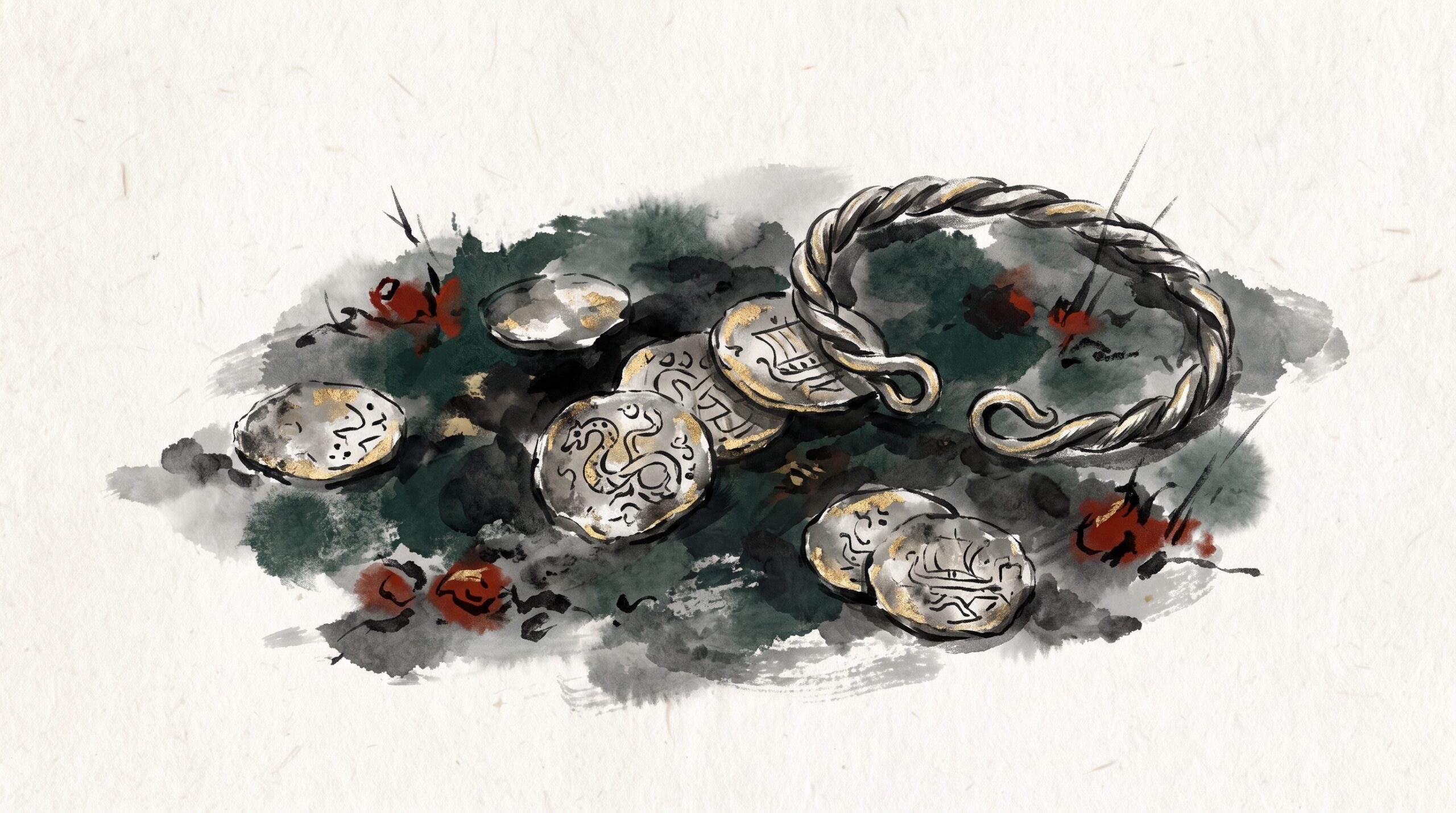
The numbers are the kind that make museum archaeologists go quiet. When experts from the Lahti Museums examined the find the very next day, in early September 2026, they were looking at roughly 4.5 kilograms of silver — nearly ten pounds — the coins numbering not in the hundreds but in the thousands. They have not yet been cleaned, separated, or counted; that painstaking work lies ahead. Among the coins were other things a person carries close: a fragment of worked silver, a bracelet, a clasp, a single bead. Small, human objects, mixed in with a fortune.
To understand the scale, you have to know what it beats. For more than a century, the benchmark for a Finnish silver hoard was a find made at Nousiainen in 1895 — some 1,700 coins, around 2.2 kilograms of silver. That hoard has stood as the great one for generations. The Sysma find is roughly twice its weight. This is not a slightly better example of a known thing; it is a new high-water mark, the sort of discovery that rewrites the paragraph in the textbook.
A thousand years underground
The silver dates to around 1000 to 1050 AD, the closing decades of the Viking Age here at the far northern edge of the medieval world, in what archaeologists call Finland’s Late Iron Age. To hold one of those coins is to reach across a millennium to a moment when this quiet field was part of a vast, restless network. Viking-Age silver did not stay home. It moved along rivers and coastlines and portage trails, changing hands as trade, tribute, plunder, and gift, flowing north from distant mints until it pooled in the purse of someone in a village in what is now Finland.
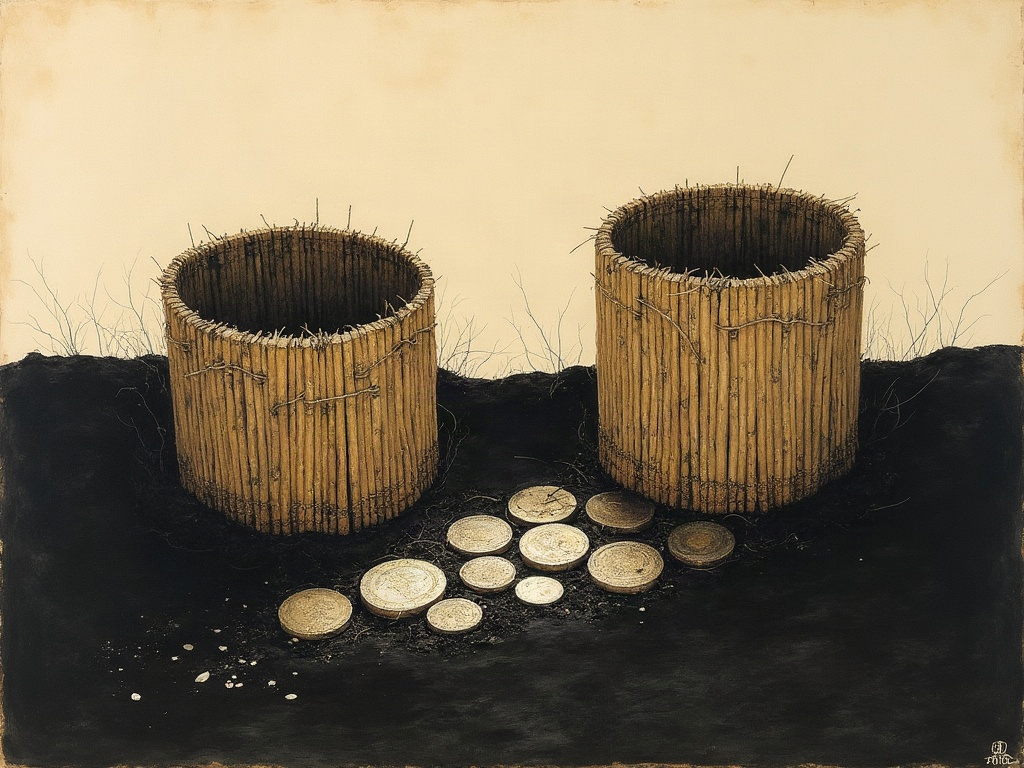
And here is the question that hangs over every hoard like this one, the question that no amount of cleaning and cataloguing can fully answer: why was it buried, and why was it never dug back up? In an age before banks, the ground was the safest vault a person had. You buried your wealth when danger came — a raiding season, a feud, a war, a long journey with an uncertain end — and you buried it in a place you thought you could find again. The silver at Sysma was split into two caches, hidden with care just below the frost line. Someone meant to return. The chilling, silent fact of the hoard is that they never did. Whatever befell the person who knelt in that field a thousand years ago to hide two straw purses of silver, they did not come back to lift them. The ground kept its trust far longer than anyone intended.
From a beeping detector to a museum case
What happens now is the unglamorous, essential second half of every great find. The coins go to specialists — Esko Tikkala and colleagues at the Lahti Museums began the examination — who will clean each piece, identify where it was struck, read the tiny inscriptions that survive, and slowly assemble a portrait of the trade routes and the years that funneled all this metal to one Finnish field. Only then will anyone know exactly how many coins there are, and exactly what stories they carry stamped into them.
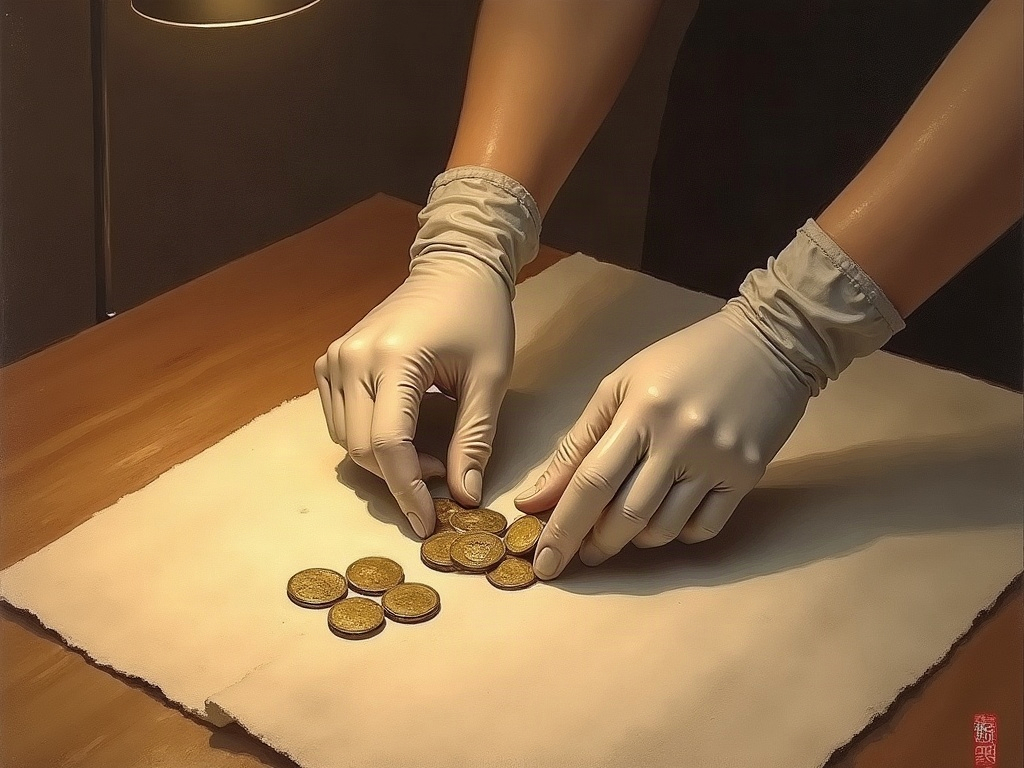
There is something worth sitting with in the shape of this story. Not an expedition, not a grant-funded excavation of a known site, but an amateur with a detector and an ordinary afternoon, walking ground he had walked before. The past does not only wait in famous places behind velvet ropes; sometimes it waits eighteen inches under a field beside a village church, patient and complete, for the one person who happens to sweep the right patch of grass. A thousand years ago someone hid everything they had and trusted the earth to keep it. This month, the earth finally handed it back — and the person who buried it, whoever they were, got the only kind of return the very unlucky and the very careful sometimes share: to be remembered, at last, by strangers who will never know their name.
Sources & further reading:
- Finland’s largest Viking-Age silver coin hoard discovered in Sysma
- A Finnish Metal Detectorist Was Shocked to Unearth a Trove of Viking Age Silver (Smithsonian)
More from the archive
- The Man Who Found the Gold and Died Poor: James Marshall and the Discovery at Sutter’s Mill
- The Champagne Shipwreck: A Czar’s Lost Gifts on the Baltic Seabed
- The Bizarre Medieval Practice of Stuffing Corpses: Austria’s 280-Year-Old Mystery