The Bizarre Medieval Practice of Stuffing Corpses: Austria’s 280-Year-Old Mystery

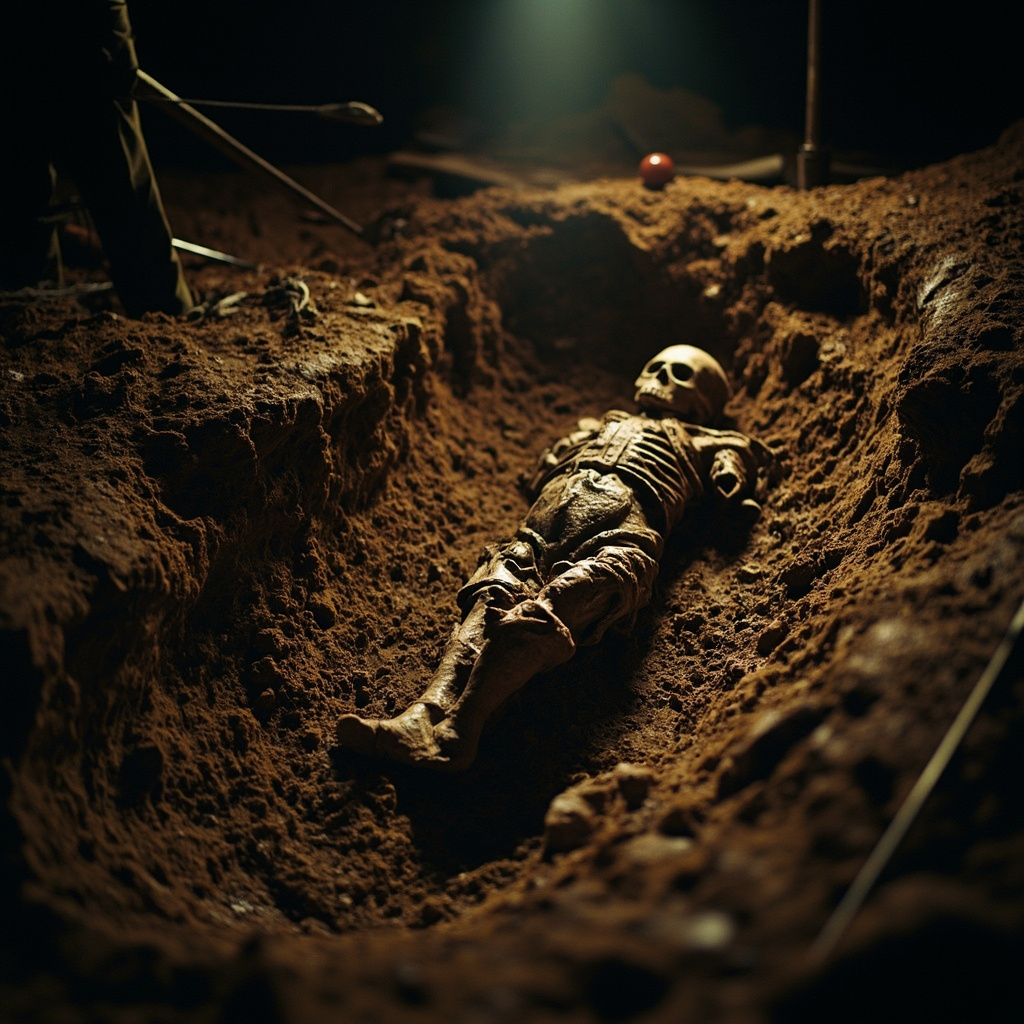
When archaeologists discovered a 280-year-old corpse in Austria, they expected to find another typical burial from the colonial era. What they uncovered instead was one of the most bizarre and innovative preservation methods in recorded history—a body that had been posthumously stuffed with wood chips, twigs, fabric, and zinc chloride through the rectum.
The Austrian Discovery That Shocked Archaeologists
The preservation technique, discovered in 2025, represents the first archaeological evidence of this unusual but apparently successful method of corpse preservation. The meticulous process involved carefully removing internal organs and replacing them with an eclectic mixture of organic and chemical materials, creating a kind of medieval taxidermy for humans.

What makes this discovery even more remarkable is the extraordinary state of preservation achieved. Unlike typical burials from the same period, where remains are often reduced to bone fragments, this body retained much of its original structure and even some soft tissues after nearly three centuries underground.
Medieval Death: More Than Meets the Eye
This Austrian discovery opens a window into the complex and often strange world of medieval death practices. During the medieval period, death wasn’t simply the end of life—it was the beginning of an elaborate process designed to ensure proper transition to the afterlife.
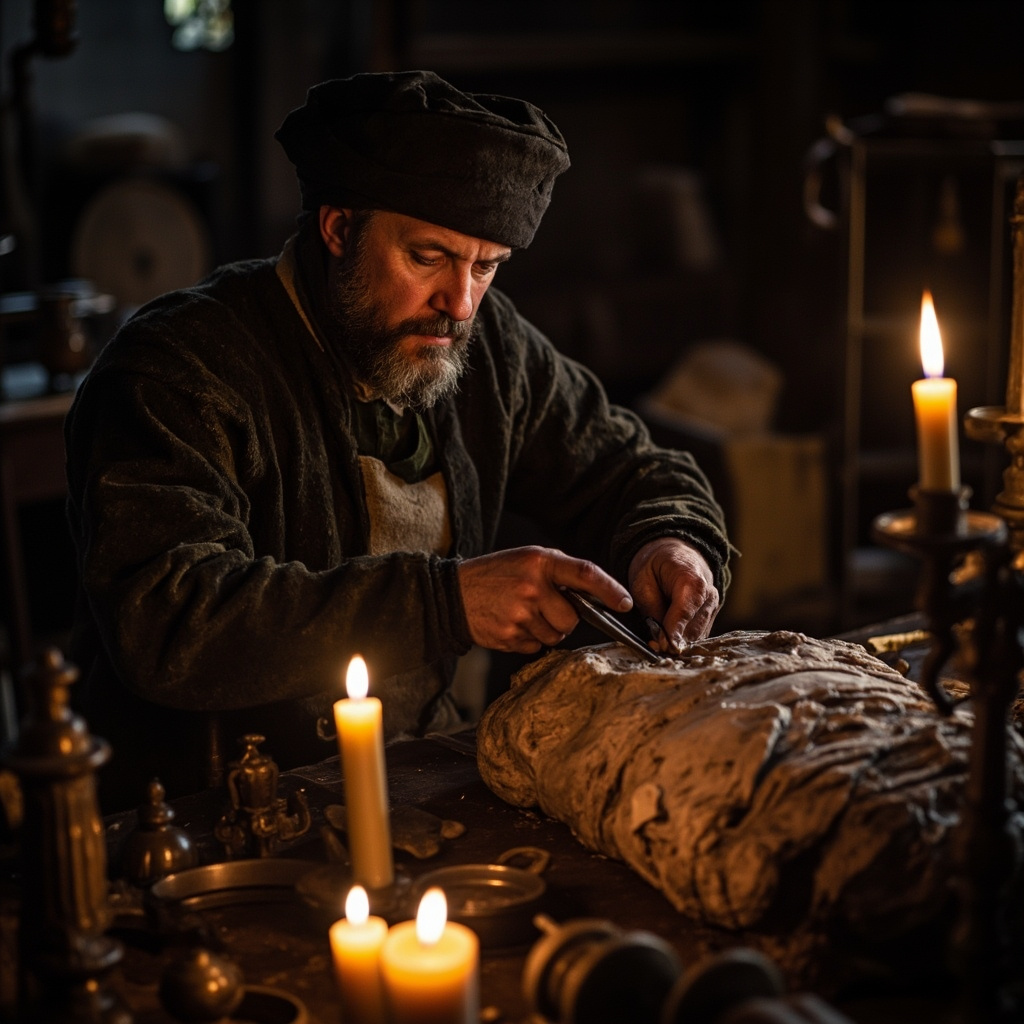
The Transportation Problem: Long before modern embalming, medieval people faced the challenge of transporting bodies over long distances for burial in family plots or sacred locations. The solution was often as practical as it was gruesome.
Bodies requiring long-distance transport were frequently “defleshed”—a process involving dismembering the corpse and boiling the pieces until the flesh separated from the bones. The bones would then be transported and reassembled for burial, while the flesh was often buried locally.
The Art of Medieval Body Preparation
The Austrian corpse represents a sophisticated understanding of preservation chemistry that predates modern embalming by centuries. The use of zinc chloride shows remarkable chemical knowledge, as this compound is still used today for its antimicrobial and preservation properties.
The Process Revealed:
- Complete removal of internal organs through natural body openings
- Careful packing with preservative materials including zinc chloride
- Strategic placement of organic materials like wood chips and twigs to maintain body shape
- Fabric wrapping to contain the preservative mixture
This technique suggests the work of skilled practitioners who understood both anatomy and chemistry—possibly physicians, barber-surgeons, or specialized morticians of the era.
Why Stuff a Corpse? The Cultural Context
Medieval European death culture was deeply influenced by Christian beliefs about bodily resurrection. The physical preservation of the body was often seen as important for the eventual resurrection of the dead on Judgment Day.
For wealthy families, maintaining the body’s appearance during transport to family burial grounds was a matter of both religious conviction and social status. A well-preserved corpse demonstrated the family’s resources and commitment to proper Christian burial practices.
Other Bizarre Medieval Death Customs
The Corpse Roads: Special paths called “corpse roads” were used exclusively for transporting the dead to consecrated burial grounds. These roads often took circuitous routes to avoid inhabited areas, based on beliefs that spirits of the dead might linger along straight paths.
Sin-Eating Rituals: Professional sin-eaters would consume food over a corpse, symbolically taking on the deceased’s sins to ensure their smooth passage to heaven. This practice continued in some remote areas until the early 20th century.
Chained Burials: Some medieval burials included iron chains wrapped around the corpse, not for restraint, but as protection against evil spirits or to prevent the dead from rising as revenants.
The Science Behind Medieval Preservation
Modern analysis of the Austrian corpse reveals sophisticated chemical knowledge that challenges our assumptions about medieval science. The preservation mixture included:
Zinc Chloride: A powerful antimicrobial agent that inhibits bacterial growth and tissue decomposition.
Organic Materials: Wood chips and twigs containing natural tannins, which have preservative properties similar to those used in leather-making.
Textiles: Fabrics that helped control moisture and maintain the preservative environment within the body cavity.
Comparison to Modern Methods
Remarkably, this medieval technique achieved preservation results that rival some modern methods. While contemporary embalming focuses on arterial injection of preservatives, the medieval approach of cavity packing proved equally effective for long-term preservation.
Regional Variations in Unusual Burials
Scandinavian Ship Burials: Vikings and other Germanic peoples sometimes buried their dead in ships, either real vessels or stone ship-shapes, symbolizing the journey to the afterlife.
Irish Bog Bodies: Natural bog preservation created some of the most remarkably preserved ancient bodies, though these were likely ritual sacrifices rather than normal burials.
Charlemagne’s Three Burials: The great emperor was reportedly buried three times—first in a sitting position wearing his crown and holding a scepter, then exhumed and reburied, and finally moved to a golden shrine.

What This Tells Us About Medieval Society
The Austrian discovery illuminates the sophisticated networks of knowledge that existed in medieval Europe. The preservation technique required:
- Advanced understanding of human anatomy
- Knowledge of chemical preservation methods
- Access to specialized materials like zinc chloride
- Skilled practitioners capable of performing the procedure
This suggests that medieval death practices involved organized professions and trade networks far more complex than previously understood.
The Legacy of Medieval Death Innovation
The techniques discovered in the Austrian corpse represent a direct link between ancient preservation methods and modern embalming. The principles of cavity treatment, chemical preservation, and moisture control remain fundamental to contemporary mortuary science.
More broadly, these unusual burial practices remind us that medieval people were far from the ignorant, superstitious population often portrayed in popular culture. They were innovative problem-solvers who developed sophisticated solutions to the universal human challenge of honoring the dead.
As archaeologists continue to uncover more unusual burial sites across Europe, we’re gaining a richer understanding of how our ancestors navigated the complex intersection of practical necessity, religious belief, and cultural tradition in their treatment of death—sometimes leading to solutions that were as bizarre as they were effective.
Related Reading
- From Speared Warriors to Vampire-Proofed Corpses: History’s Most Bizarre Burial Rituals
- When Europeans Ate Ancient Egyptian Corpses: The Bizarre 700-Year Medical Practice of Mummy Powder
- Ancient Mysteries That Still Baffle Archaeologists in 2026