Ancient Mysteries That Still Baffle Archaeologists in 2026

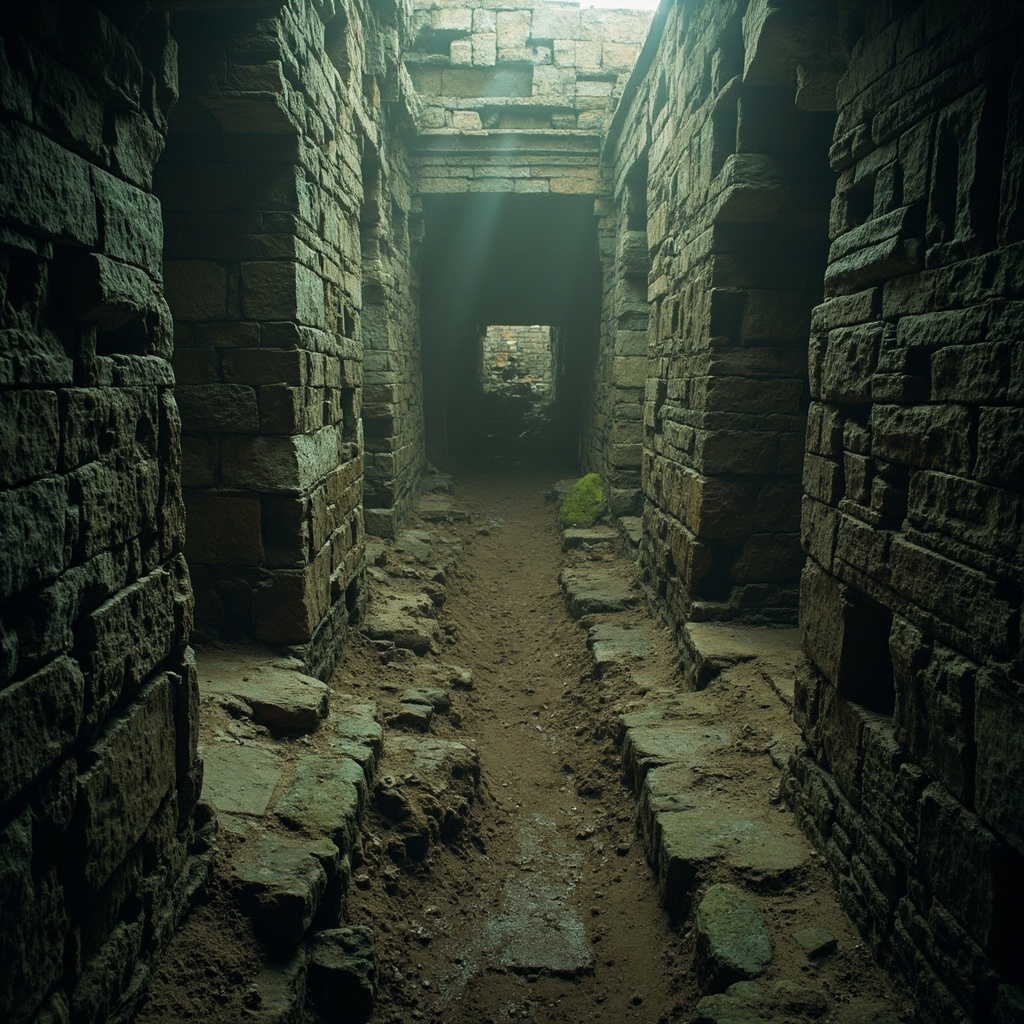
The field of archaeology continues to unearth mysteries that challenge our understanding of ancient civilizations and human history. Recent discoveries have revealed ceremonial sites with complex alignments, symbolic carvings that defy interpretation, and evidence of sophisticated cultures that vanished without explanation. These findings remind us that our ancestors were far more complex and accomplished than we often assume.
The Sea Peoples: History’s Greatest Mystery Invaders
Perhaps no ancient mystery has captivated archaeologists more than the Sea Peoples—a confederation of seafaring raiders who appeared suddenly around 1200 BCE and contributed to the collapse of several major Bronze Age civilizations. These mysterious invaders attacked Egypt, destroyed Mycenaean Greece, and may have been responsible for the fall of the Hittite Empire.

What makes the Sea Peoples particularly enigmatic is their complete lack of documented origins. Egyptian records describe their devastating attacks and mention various tribal names, but provide no clear indication of where these peoples came from or where they went after their raids. Archaeological evidence suggests they may have originated from multiple locations including western Asia Minor, the Aegean, Mediterranean islands, and Southern Europe.
Recent archaeological work has uncovered evidence of widespread destruction layers dating to this period across the Eastern Mediterranean, supporting the historical accounts of their devastating impact. However, the mystery deepens when we consider that these same “invaders” may have also been refugees fleeing their own collapsing civilizations, creating a cascade of destruction as displaced populations sought new homes.
The Etruscans: Italy’s Lost Civilization
Before Rome dominated Italy, the sophisticated Etruscan civilization flourished in central Italy from around 900 to 100 BCE. Despite their profound influence on Roman culture, religion, and politics, the Etruscans remain one of history’s most poorly understood peoples. Their language, while partially decipherable, belongs to no known language family, and their origins continue to perplex scholars.
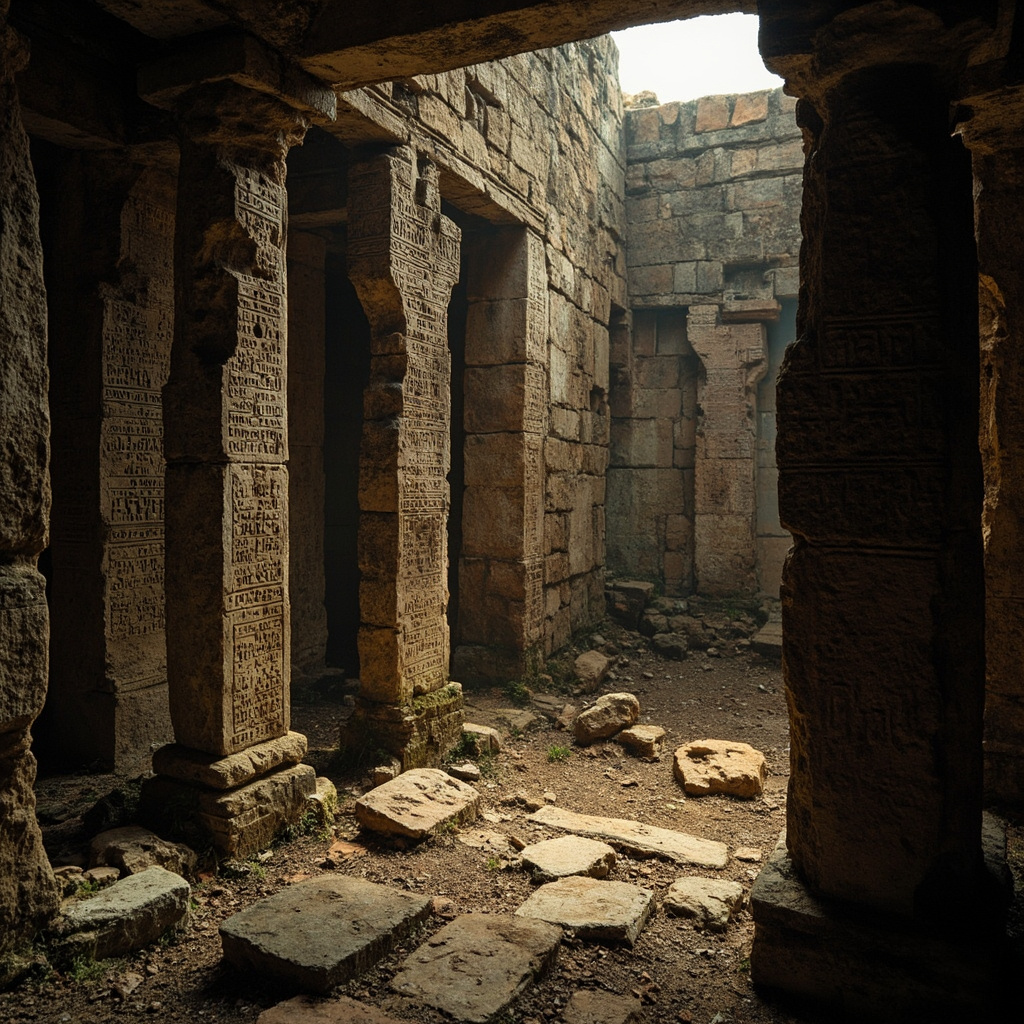
The challenge with understanding Etruscan civilization lies in the limited and questionable nature of available sources. The only detailed written records about the Etruscans were composed generations later by Roman historians whose accounts are often biased or unreliable. Archaeological evidence, while extensive, tells only a limited story about their daily life, beliefs, and social organization.
Recent DNA analysis has added new dimensions to the Etruscan mystery, suggesting they may have had both local Italian ancestry and connections to ancient Anatolia. However, this genetic evidence has raised as many questions as it has answered, particularly regarding the timing and nature of any population movements.
December 2025’s Incredible Archaeological Discoveries
The most recent archaeological season has yielded remarkable finds that continue to puzzle researchers. Explorers and archaeologists have revealed mysterious ceremonial sites with complex astronomical alignments and symbolic carvings that don’t match any known cultural traditions. These sites suggest sophisticated understanding of celestial movements and mathematical principles that predate previously known developments by centuries.
One particularly intriguing discovery involves a series of underground chambers connected by precisely engineered tunnels that extend for miles beneath what was thought to be uninhabited ancient terrain. The chambers contain carved symbols that appear to follow consistent patterns but resist all attempts at translation or interpretation.
Temples That Defy Dating
Among the most puzzling recent discoveries are temples and ceremonial structures that seem to exist outside normal archaeological dating frameworks. These sites display construction techniques that don’t match the technological capabilities typically attributed to their supposed time periods, yet dating methods consistently place them in eras when such sophistication should have been impossible.
The precision of stone cutting and fitting at some of these sites rivals modern machining capabilities, yet tool marks and construction debris suggest they were built using techniques unknown to archaeology. Carbon dating of organic materials found within the structures provides consistent dates, but the implied level of technological sophistication creates paradoxes that current historical models cannot easily accommodate.
The Vanished Cities Phenomenon
Archaeological surveys using modern satellite and ground-penetrating radar technology have identified numerous large urban centers that appear to have been deliberately abandoned at the height of their prosperity. These “vanished cities” show no signs of siege, natural disaster, or gradual decline—the inhabitants simply disappeared, leaving behind fully stocked buildings and infrastructure.
What makes this phenomenon particularly puzzling is its apparent global nature. Similar patterns of sudden urban abandonment have been identified on multiple continents and in different time periods, suggesting either remarkable coincidence or some unknown factor that periodically affected human settlements worldwide.
Symbols Without Context
Recent excavations have uncovered numerous sites featuring complex symbolic systems that appear to be writing or communication methods, yet they resist all attempts at translation. Unlike known ancient scripts that show clear evolutionary development, these symbols appear fully formed and consistent across vast geographic areas and time periods.
Computer analysis has revealed mathematical relationships within these symbol systems that suggest they convey complex information, possibly including astronomical data, calendrical systems, or technical instructions. However, without bilingual texts or clear contextual clues, archaeologists remain unable to decode their meaning.
The Technology Gap Problem
Perhaps the most unsettling aspect of recent archaeological discoveries is the apparent existence of technologies that don’t fit established timelines of human technological development. Evidence of precision metalworking, advanced chemistry, and sophisticated engineering has been found in contexts that predate the supposed invention of these capabilities by thousands of years.
These anomalous technologies appear sporadically in the archaeological record without clear antecedents or evolutionary development, suggesting either gaps in our understanding of technological progression or the existence of advanced knowledge that was subsequently lost.
Maritime Mysteries
Underwater archaeology continues to reveal evidence of seafaring capabilities and trade networks that far exceed what historical records suggest was possible. Ancient shipwrecks have been found in locations that would have required navigation techniques not thought to exist until much later periods.

Cargo from these vessels includes materials that could only have been obtained from distant continents, implying global trade networks during periods when such connections were thought impossible. The sophistication of these ancient vessels also suggests shipbuilding knowledge that doesn’t appear in any surviving technical documents.
The Pattern of Forgetting
One of the most intriguing aspects of these archaeological mysteries is the apparent pattern of advanced knowledge being developed and then subsequently lost. Multiple civilizations seem to have achieved remarkable technological and scientific capabilities only to have this knowledge disappear without being passed to successor cultures.
This pattern suggests either that ancient record-keeping was far more fragile than we assume, or that some recurring factor periodically disrupted the transmission of knowledge across generations. The implications of either explanation challenge fundamental assumptions about the progressive nature of human development.
Modern Implications
These archaeological mysteries have profound implications for our understanding of human capabilities and historical development. They suggest that our ancestors may have been capable of achievements that match or exceed modern accomplishments, yet this knowledge was somehow lost to time.
The recurring nature of these mysteries across different cultures and time periods implies that the loss of advanced knowledge may be a recurring pattern in human history. This possibility has sobering implications for our own civilization and the preservation of our technological achievements.
As we continue to uncover evidence of ancient accomplishments that challenge our assumptions about the past, we’re forced to reconsider not only what our ancestors were capable of achieving, but also what we might be capable of losing. The greatest mystery may not be how these ancient civilizations achieved such remarkable feats, but why their knowledge disappeared so completely from the historical record.
Related Reading
- When Vesuvius Turned a Human Brain Into Glass: The Strangest Archaeological Discovery of 2025
- Gobekli Tepe: The 10,000-Year-Old Mystery That Rewrites Human History
- The Bizarre Medieval Practice of Stuffing Corpses: Austria’s 280-Year-Old Mystery