When Vesuvius Turned a Human Brain Into Glass: The Strangest Archaeological Discovery of 2025

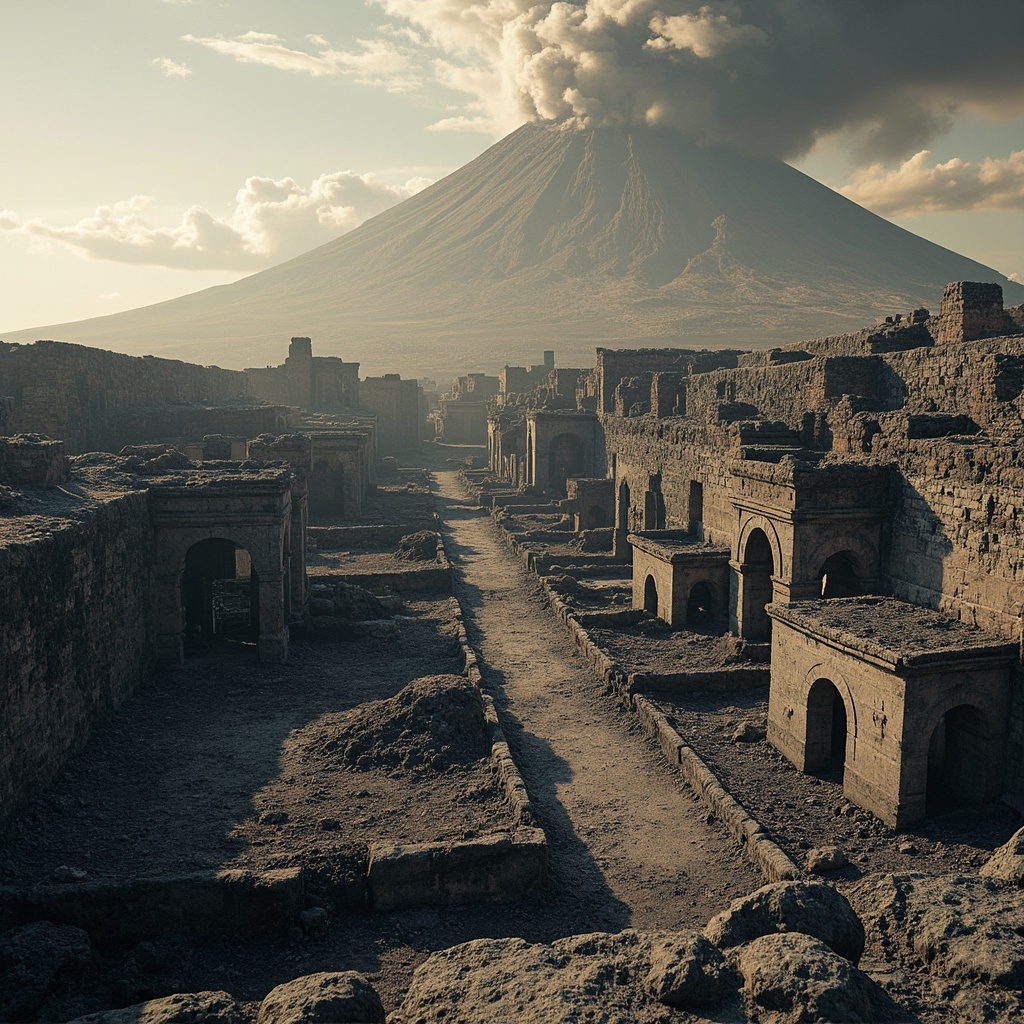
In a discovery that sounds like something from a science fiction novel, researchers have finally solved a 2000-year-old mystery that has baffled scientists since 2020: how did a young man’s brain literally turn to glass during the eruption of Mount Vesuvius?
The volcanic catastrophe that buried Herculaneum and Pompeii in 79 AD preserved countless artifacts and human remains under layers of ash. But among all the extraordinary finds, one stood out as particularly bizarre – the vitrified brain tissue of a young man found lying in his bed, his neural matter transformed into a glass-like substance.

The Mystery That Stumped Scientists
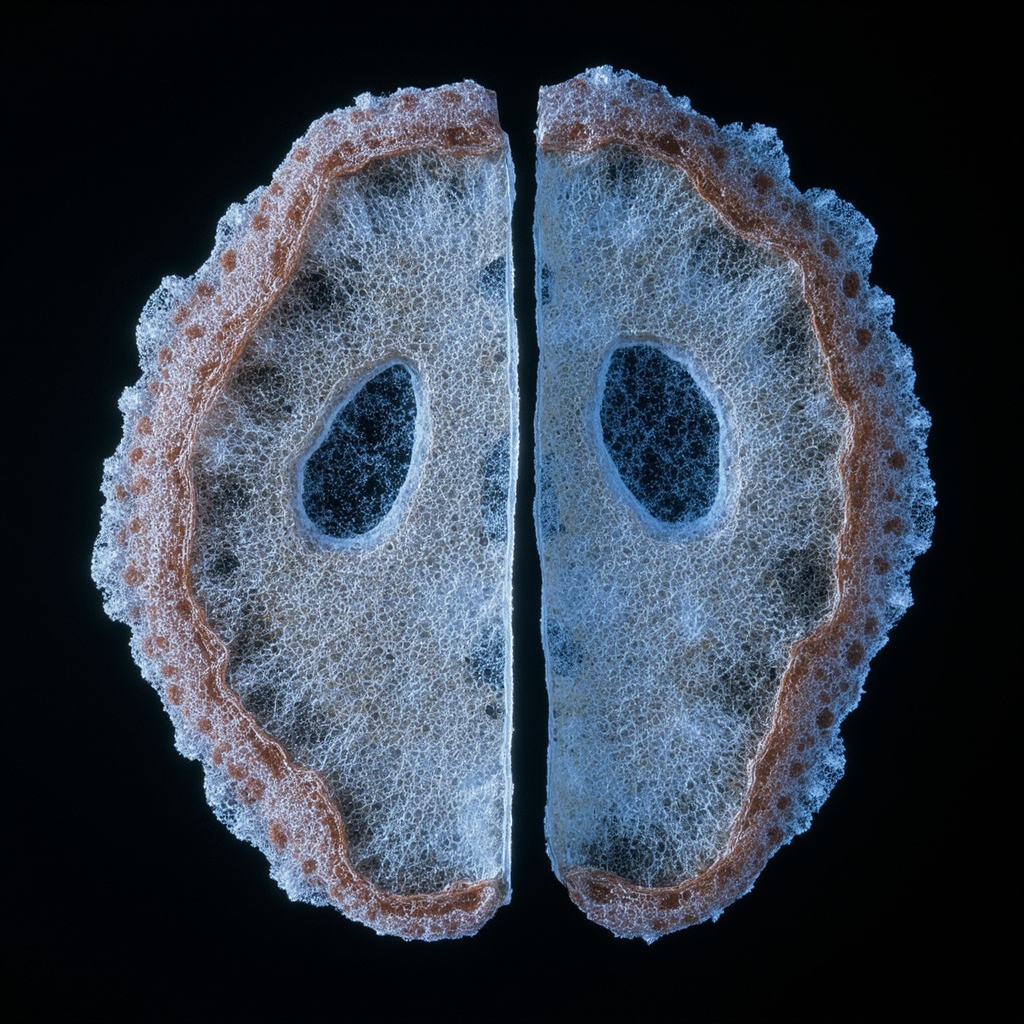
When archaeologists first discovered this phenomenon in 2020, they were completely baffled. Human tissue simply doesn’t turn to glass under normal circumstances. The transformation requires specific conditions of extreme heat followed by rapid cooling – a process called vitrification.
For glass to form from organic tissue, the brain would need to be heated so rapidly that it liquefied, then cooled fast enough to prevent crystals from forming as it solidified. This seemed impossible given what scientists knew about volcanic eruptions.
Solving the Glass Brain Puzzle
A team of researchers published their groundbreaking explanation in 2025, revealing the precise sequence of events that created this unique preservation. Their analysis showed that the young man’s brain tissue was heated to an astounding 510°C (950°F) before undergoing rapid cooling.
The key insight was understanding the different phases of the Vesuvian eruption:
- The Initial Ash Cloud: A superheated blast of volcanic material that reached temperatures far exceeding normal pyroclastic flows
- Rapid Cooling: The ash cloud cleared quickly, allowing immediate temperature drop
- Tissue Explosion: The intense heat caused water in the brain to evaporate instantly, causing the tissue to fragment into tiny pieces
- Vitrification: These fragments cooled so rapidly they formed glass rather than crystals
A Unique Window Into Ancient Catastrophe

This discovery provides unprecedented insight into the exact conditions experienced by Herculaneum’s residents during their final moments. Unlike the slower-moving pyroclastic flows that followed, the initial ash cloud was a blast of superheated gas and particles moving at incredible speeds.
The young man likely died instantly from the extreme heat, never knowing that his remains would become one of archaeology’s most puzzling discoveries nearly 2000 years later. His vitrified brain tissue represents the first and only known example of natural human tissue vitrification from a volcanic eruption.
Scientific Significance
Beyond its shock value, this discovery has important implications for understanding:
- Volcanic Processes: How different phases of eruptions create varying preservation conditions
- Archaeological Preservation: New possibilities for what organic materials might survive under extreme conditions
- Ancient Life: Direct evidence of the temperatures and forces experienced during historical catastrophes
The research team’s work demonstrates how modern scientific techniques can unlock secrets hidden for millennia. By analyzing the molecular structure of the vitrified tissue, they were able to reconstruct the precise sequence of thermal events that occurred in seconds during that terrible day in 79 AD.
This remarkable find reminds us that history often preserves its most extraordinary secrets in the most unexpected ways – sometimes literally turning human experience into glass that can be studied across the centuries.
Related Reading
- Ancient Mysteries That Still Baffle Archaeologists in 2026
- The Unnerving Discovery at Roman Fort Magna That Changed History
- Gobekli Tepe: The 10,000-Year-Old Mystery That Rewrites Human History