The Woman Who Convinced England She Gave Birth to Rabbits: Mary Toft’s Outrageous 1726 Hoax

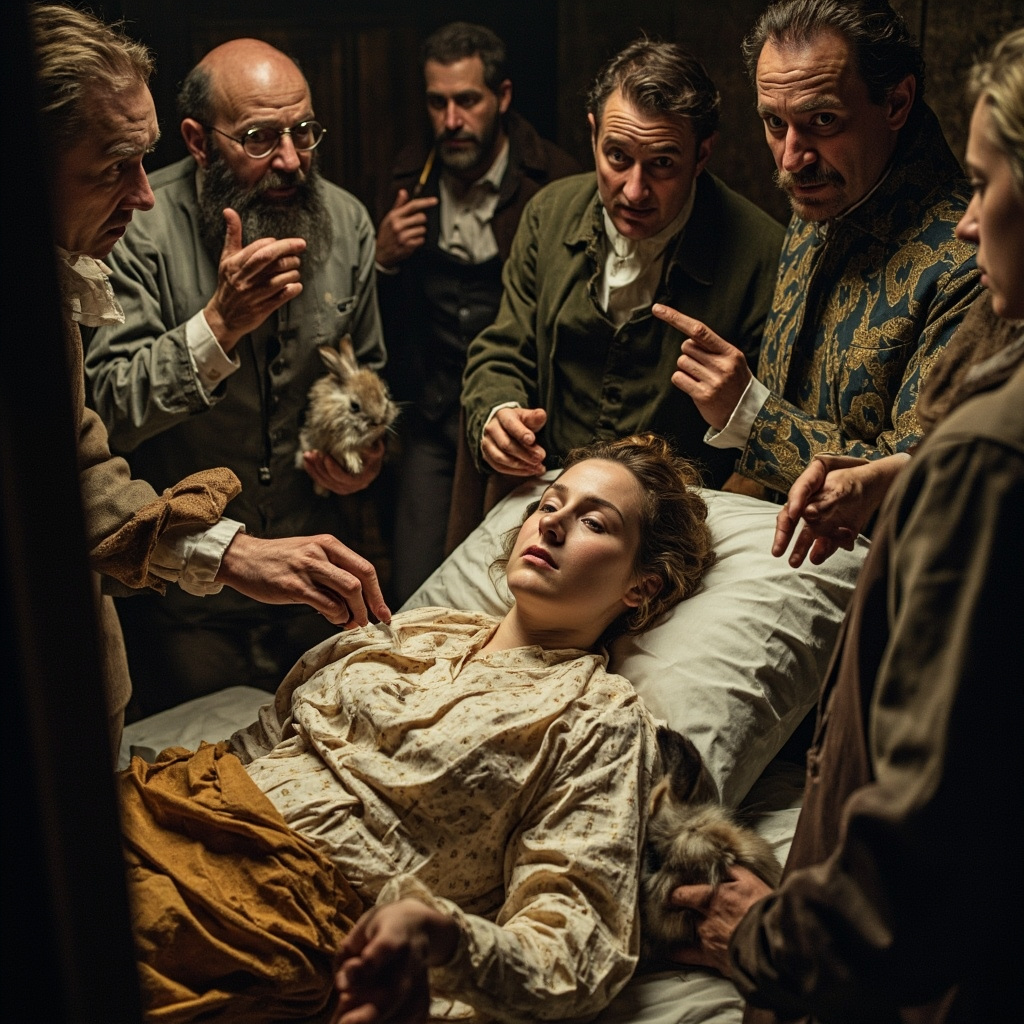
In the autumn of 1726, a bizarre medical sensation gripped Georgian England. Mary Toft, an illiterate servant from the small Surrey town of Godalming, claimed she had given birth to a litter of rabbits. The story was so extraordinary that it reached the court of King George I himself, fooling some of the finest medical minds of the age and creating one of history’s most audacious hoaxes.
The Unlikely Beginning
Mary Toft was a 25-year-old married woman living in modest circumstances when her incredible tale began. In September 1726, she contacted John Howard, a local surgeon and man-midwife, claiming to have given birth to animal parts. What started as a local curiosity quickly spiraled into a national obsession that would embarrass the medical establishment and captivate the public imagination.

Royal Attention and Medical Examination
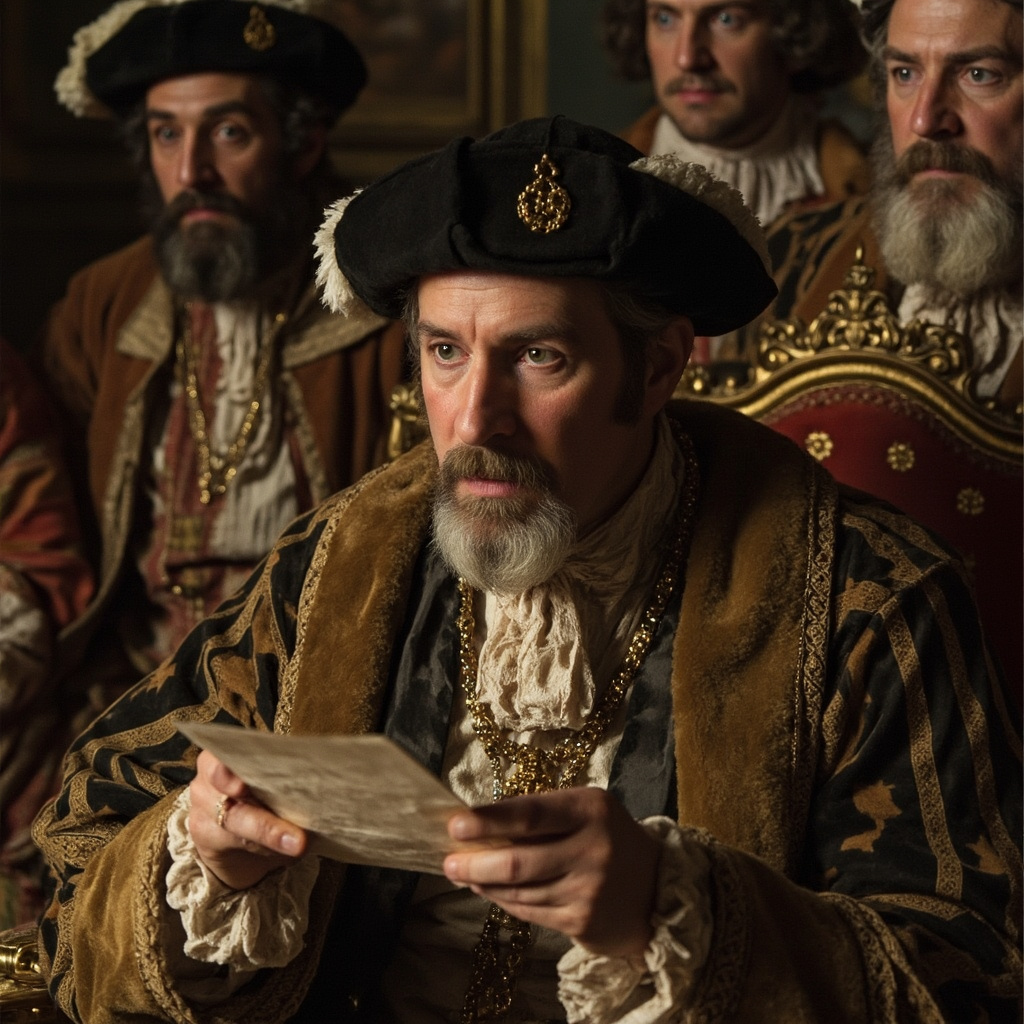
The story gained such traction that King George I dispatched his own court physicians to Surrey to investigate. Samuel Molyneux, a respected astronomer and politician, along with several distinguished doctors including Nathanael St. André, the royal surgeon-anatomist, traveled to examine Mary Toft personally.
Over the course of several weeks, Mary appeared to deliver multiple rabbit parts in front of these learned men. The medical professionals were initially convinced, writing detailed reports about this unprecedented phenomenon that seemed to challenge everything they knew about human reproduction.
The Hoax Unraveled
Mary Toft’s deception was elaborate but ultimately flawed. She had been secretly inserting dead rabbit parts into her birth canal, then pretending to give birth to them during examinations. The scheme required careful timing and considerable physical discomfort, but for weeks it worked perfectly.
The Investigation Intensifies
As the case gained notoriety, Mary was eventually brought to London for further examination. It was here that her elaborate ruse began to crumble. Suspicious doctors kept her under constant surveillance, making it impossible for her to continue the deception.
The breakthrough came when investigators discovered that someone had been purchasing rabbits from local markets near wherever Mary was staying. Confronted with this evidence and facing increasingly intense scrutiny, Mary Toft finally confessed to the hoax in December 1726.
Consequences and Legacy
The revelation sent shockwaves through Georgian society. Several prominent doctors who had vouched for the authenticity of Mary’s births found their reputations severely damaged. The case became a cautionary tale about the dangers of accepting extraordinary claims without proper scientific skepticism.
Mary Toft was briefly imprisoned but eventually released. She returned to obscurity in Surrey, where she died in 1763. The scandal she created had lasting effects on medical practice, encouraging more rigorous standards of evidence and investigation.
Cultural Impact
The Mary Toft affair became the subject of numerous satirical pamphlets, poems, and even a famous etching by William Hogarth. The incident highlighted the gullibility of even educated people when faced with sensational claims, and it remains one of history’s most successful medical hoaxes.
The case also revealed much about 18th-century attitudes toward women, medicine, and the nature of scientific authority. It demonstrated how desperately people wanted to believe in miraculous explanations for unexplained phenomena, even when simpler, more logical explanations were available.
Lessons from History
Mary Toft’s rabbit birth hoax serves as a timeless reminder of the importance of skeptical thinking and rigorous investigation. In an age where misinformation can spread rapidly, her story resonates as a warning about the dangers of accepting extraordinary claims without extraordinary evidence.
The incident also shows how social and economic desperation can drive people to extraordinary lengths for attention and potential financial gain. Mary Toft may have been illiterate and poor, but she possessed the cunning to fool some of the most educated men of her time, proving that intelligence and wisdom are not always found where society expects them.
More from the archive
- The Bizarre Medieval Practice of Stuffing Corpses: Austria’s 280-Year-Old Mystery
- The Greatest Literary Hoax in History: How George Psalmanazar Invented an Entire Civilization
- When Medieval Courts Put Animals on Trial: The Bizarre Legal System That Executed Pigs and Prosecuted Rats