Ancient Egypt Had Power Tools: The 6,000-Year-Old Rotary Drill That Predates the Pharaohs


Long before the first pharaohs ruled Egypt, ancient craftsmen were using sophisticated rotary drills that would have impressed any modern workshop. A recent archaeological discovery has revealed that Egyptians were using advanced drilling technology as early as 4000 BC—2,000 years earlier than previously thought.
The Tiny Tool That Rewrote History
In 1924, archaeologists discovered what appeared to be a simple copper awl in a man’s burial at Badari Cemetery in Upper Egypt. For nearly a century, this tiny 63-millimeter tool weighing just 1.5 grams sat in Cambridge’s Museum of Archaeology and Anthropology, mistakenly catalogued as a basic pointed instrument with leather wrapped around it.

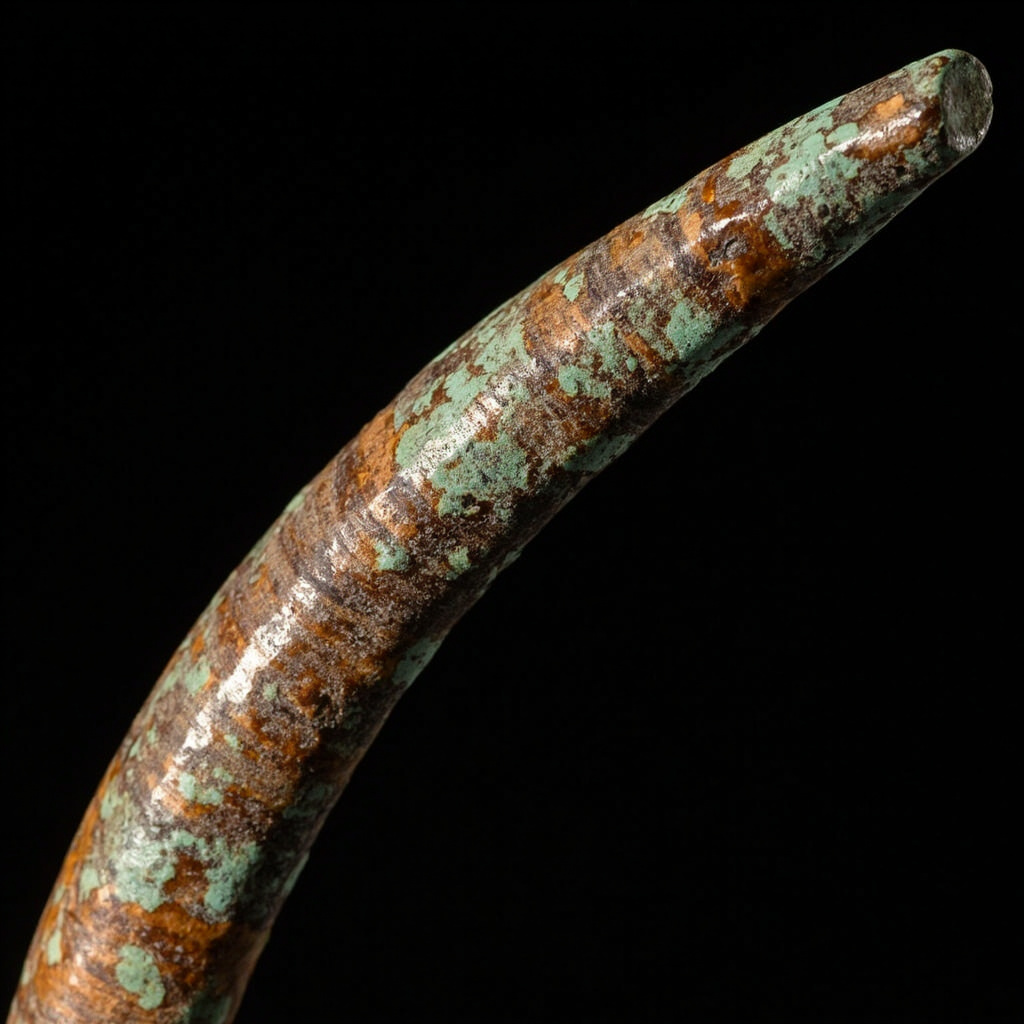
But a new study by researchers from Newcastle University and the Academy of Fine Arts in Vienna has revealed the truth: this was actually a sophisticated bow drill component showing clear evidence of rotary motion. The telltale signs were there all along—fine scratches, rounded edges, and a curved tip created by spinning motion.
Revolutionary Technology Hidden in Plain Sight
The leather pieces attached to the artifact weren’t just wrapping—they were part of a bow drill system. The bow moves back and forth, causing the shaft to spin rapidly, creating a drilling action that’s both faster and more precise than hand-twisting. Think of it as the ancient equivalent of a power drill.
“Egyptian magnificent art concealed ordinary technology such as this, which was essential to their crafts,” notes lead author Dr. Martin Odler. While bow drills appear in later tomb art from around 1500 BC, this discovery pushes the technology back more than 2,000 years.
More Than Just Copper
Chemical analysis revealed that this wasn’t ordinary copper. The drill was made from a sophisticated alloy containing copper with arsenic, nickel, lead, and silver. This unusual combination made the tool harder and shinier than pure copper, while also hinting at extensive trade networks across the Eastern Mediterranean.
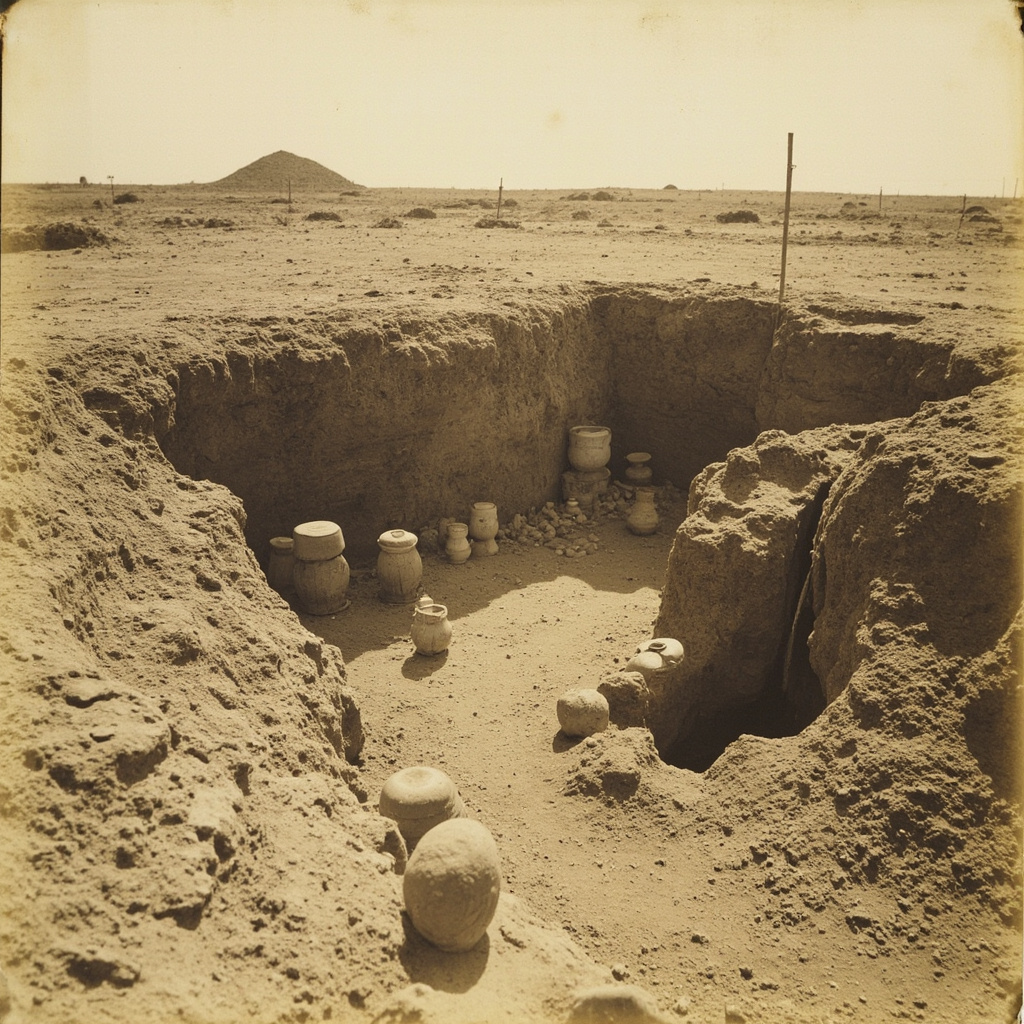
The presence of these exotic metals suggests that even 6,000 years ago, Egypt was connected to far-flung trading partners who supplied specialized materials for advanced manufacturing.
The Pre-Pharaonic Innovation Boom
This discovery adds to a growing body of evidence that pre-dynastic Egypt (before 3100 BC) was far more technologically sophisticated than previously imagined. These early Egyptians were innovating with:
- Precision drilling techniques for jewelry and furniture
- Advanced metallurgy and alloy creation
- Long-distance trade networks
- Specialized craft production
The drill would have been used for creating holes in wood, stone, and other materials—essential for furniture making, jewelry production, and architectural projects. Its small size suggests it was designed for delicate, precision work rather than heavy construction.
Technology That Shaped Civilization
While Egyptian tomb art often focused on grand scenes of pharaohs and gods, it was innovations like the rotary drill that truly built Egyptian civilization. These “ordinary” technologies enabled the precise craftsmanship that would later produce the wonders of the pyramids and the intricate artifacts we associate with ancient Egypt.
The next time you use a power drill, remember: you’re using technology that ancient Egyptians pioneered 6,000 years ago, long before the first pyramid rose from the desert sands. Sometimes the most revolutionary discoveries come in the smallest packages.
More from the archive
- Ancient Mysteries That Still Baffle Archaeologists in 2026
- The Woolly Mammoths That Outlived the Pyramids
- The Romans Invented Self-Healing Concrete That Outlasted Our Modern Technology by 2,000 Years