The Tanganyika Laughter Epidemic: When Uncontrollable Laughter Spread Like a Disease

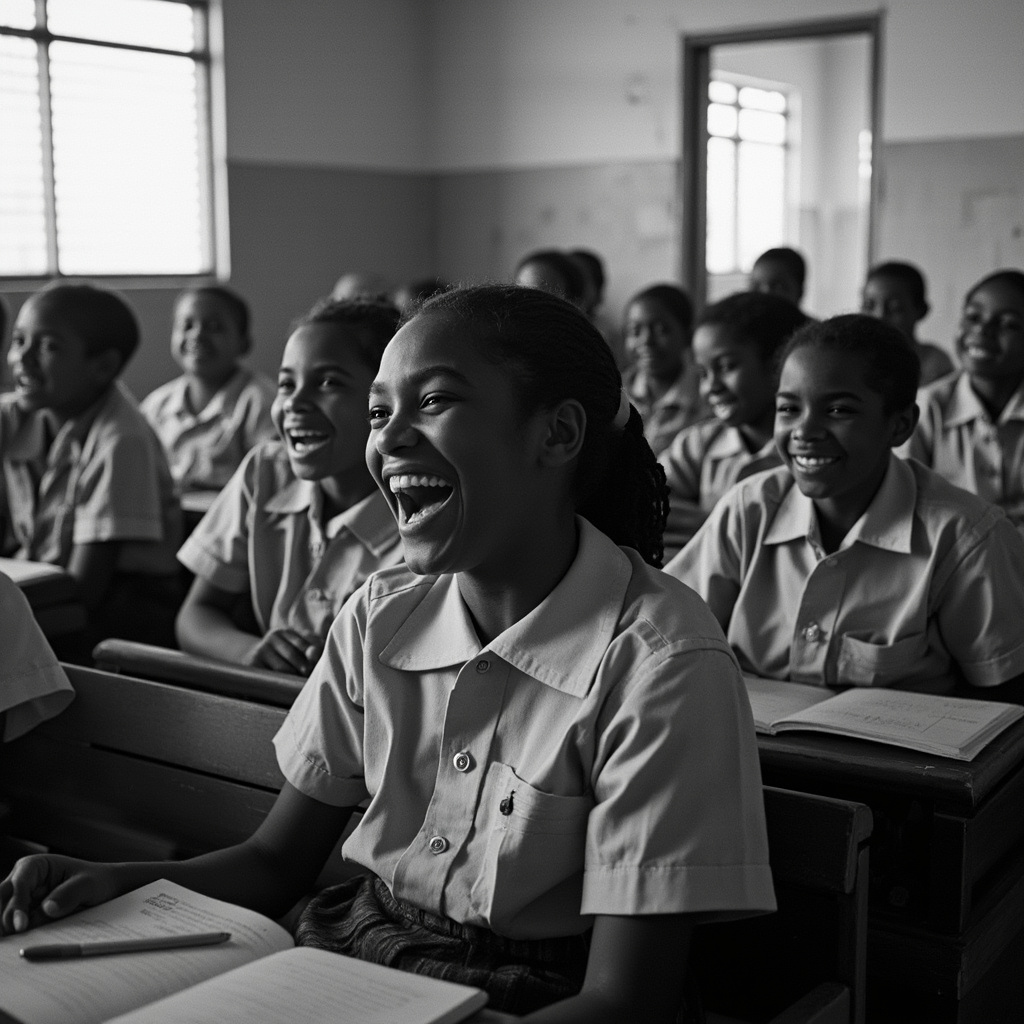
In 1962, something extraordinary and bizarre happened in the newly independent nation of Tanganyika (now Tanzania). What began as innocent giggles between three schoolgirls in a remote mission school would spiral into one of history’s most unusual epidemics—an outbreak of uncontrollable laughter that affected over 1,000 people across 18 months.
This wasn’t just any ordinary case of classroom humor getting out of hand. The Tanganyika Laughter Epidemic, as it came to be known, forced 14 schools to close and baffled medical experts who struggled to understand how laughter could spread like a contagious disease.

The Outbreak Begins
On January 30, 1962, at a mission-run boarding school for girls in the village of Kashasha, near Lake Victoria, three students began laughing during their lessons. What started as typical teenage giggling quickly transformed into something far more serious.
The laughter was not the joyful kind one might expect. Students reported they could not control themselves—they would laugh continuously for hours, sometimes days, accompanied by crying, fainting, and respiratory problems. The affected girls were unable to concentrate on their studies, despite desperate attempts by teachers to restore order.
Within weeks, 95 of the school’s 159 pupils, aged 12-18, were affected. The symptoms lasted anywhere from a few hours to 16 days, with an average duration of about seven days. Remarkably, none of the teaching staff were affected, leading to speculation about the psychological nature of the outbreak.
The Epidemic Spreads
As the situation at Kashasha became impossible to manage, school officials made the difficult decision to close the institution on March 18, 1962, after 48 days of chaos. But closing the school didn’t contain the epidemic—it actually helped it spread.
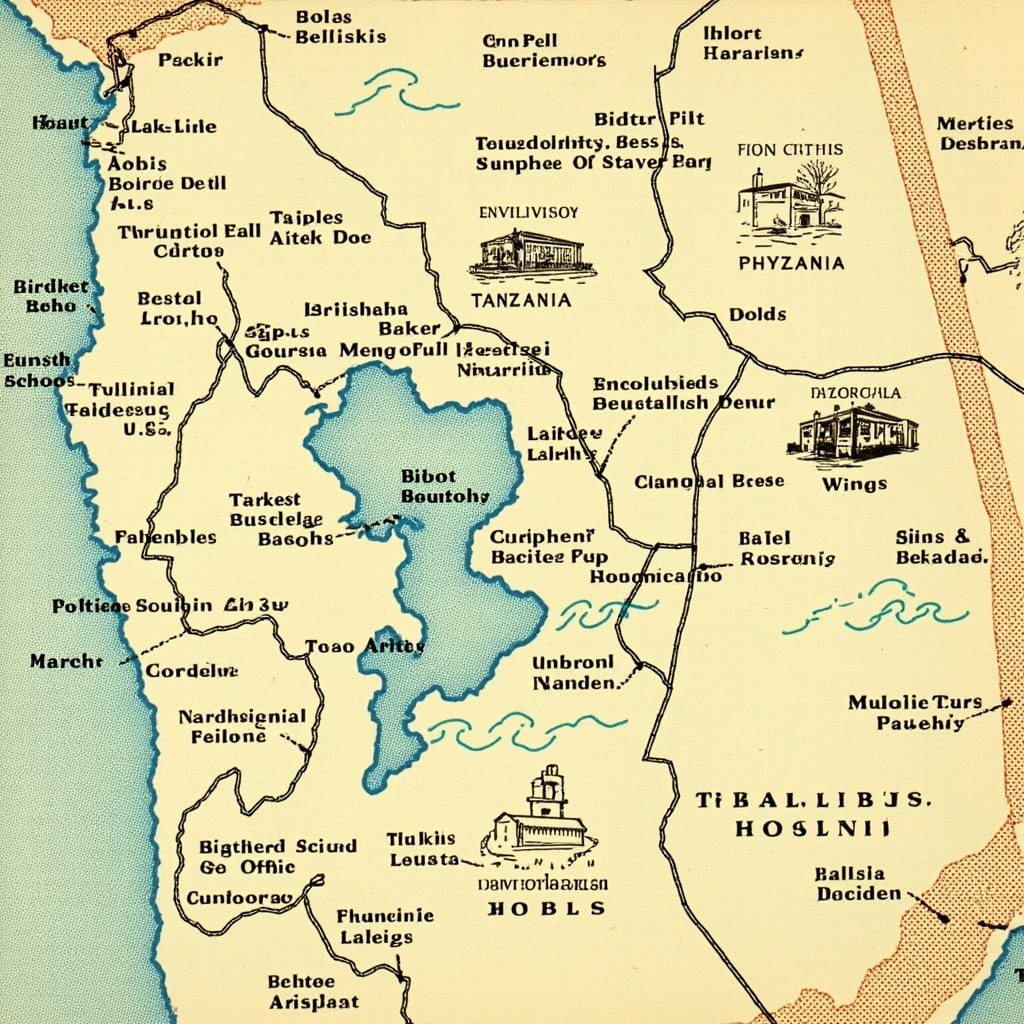
When the affected students returned to their home villages, they brought the mysterious condition with them. The outbreak spread to Nshamba in the Muleba District, about 55 miles west of Bukoba, where several of the Kashasha girls lived. In April and May 1962, 217 mostly young villagers experienced laughing attacks over 34 days.
The epidemic continued to leap from community to community. In June, the Ramashenye girls’ middle school was hit, affecting 48 students. Additional schools and villages, including Kanyangereka, also reported cases. The Kashasha school itself attempted to reopen on May 21, only to see 57 more pupils affected in a second wave of the outbreak.
The Scale of the Crisis
By the time the epidemic finally burned itself out 18 months later, the numbers were staggering:
- 14 schools were forced to close
- Over 1,000 people were affected
- All cases occurred within a 100-mile radius of Bukoba
- The vast majority of victims were young people, particularly girls
Understanding the Phenomenon
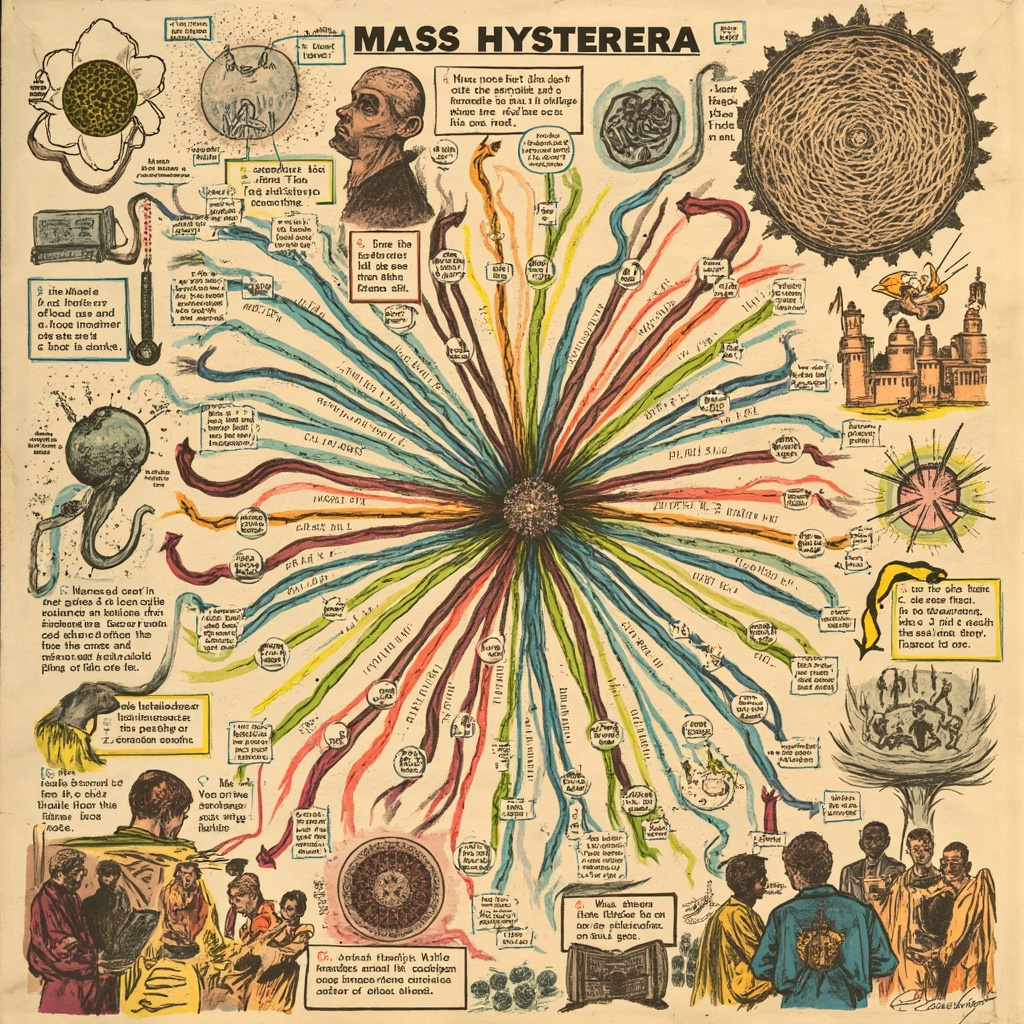
Medical investigators quickly ruled out infectious diseases, poisoning, or other physical causes. Instead, they classified the outbreak as a case of mass psychogenic illness (MPI), also known as mass hysteria—a psychological phenomenon where physical symptoms spread through a group without an underlying medical cause. Historians and psychologists often set such outbreaks alongside other episodes of mass suggestion — from medieval dancing manias to the day tens of thousands reported seeing the sun dance over Fátima.
Several factors made the population particularly vulnerable to such an outbreak:
Social and Cultural Stress
Tanganyika had just gained independence in 1961, creating significant social upheaval. Students reported feeling increased pressure from teachers and parents who now had higher expectations in the newly independent nation. The transition from colonial rule to self-governance created uncertainty and anxiety throughout society.
Adolescent Psychology
The fact that most victims were teenage girls was not coincidental. Adolescents are particularly susceptible to mass psychogenic illness due to their developmental stage, need for peer acceptance, and limited coping mechanisms for stress. The strict, authoritarian environment of mission schools may have intensified these pressures.
Cultural Factors
Linguist Christian F. Hempelmann noted that mass psychogenic illness typically affects people with limited power or voice in their society. For young women in 1960s East Africa, attending strict missionary schools during a time of rapid social change, the unconscious expression of stress through physical symptoms may have been one of the few available outlets.
The Science Behind the Spread
Modern understanding of mass psychogenic illness helps explain how the laughter epidemic could spread so effectively. The condition typically spreads through:
- Visual observation: Seeing others experiencing symptoms
- Social bonds: Stronger relationships increase susceptibility
- Shared stressors: Common sources of anxiety or pressure
- Suggestion: Expectation that symptoms will occur
The boarding school environment, with its close living quarters and intense social bonds, created perfect conditions for this type of psychological contagion.
Historical Context and Similar Cases
The Tanganyika Laughter Epidemic was not unique in history. Similar outbreaks of mass psychogenic illness have occurred throughout human history, often during times of social stress or change. Other notable cases include:
- The Dancing Plague of 1518 in Strasbourg
- The Salem Witch Trials of 1692-1693
- Various fainting epidemics in schools and factories
- Modern cases of mass psychogenic illness in schools worldwide
What made the Tanganyika case unique was its scale, duration, and the specific symptom of uncontrollable laughter.
Legacy and Lessons
The Tanganyika Laughter Epidemic offers valuable insights into the power of psychological suggestion and the importance of understanding social and cultural factors in mysterious health outbreaks. It demonstrates how real physical symptoms can arise from psychological causes, and how quickly such conditions can spread in close-knit communities.
The case is still studied today by psychologists, sociologists, and medical professionals as a prime example of mass psychogenic illness. It serves as a reminder that in times of social upheaval and stress, communities can be particularly vulnerable to collective psychological phenomena.
Perhaps most importantly, it shows us that laughter—usually a sign of joy and human connection—can sometimes be a symptom of deeper social and psychological distress. The girls of Kashasha were not laughing because they were happy; they were laughing because they had no other way to express the overwhelming pressures of their rapidly changing world.