The House That Grief Built: Sarah Winchester and the Mansion Meant to Confuse the Ghosts


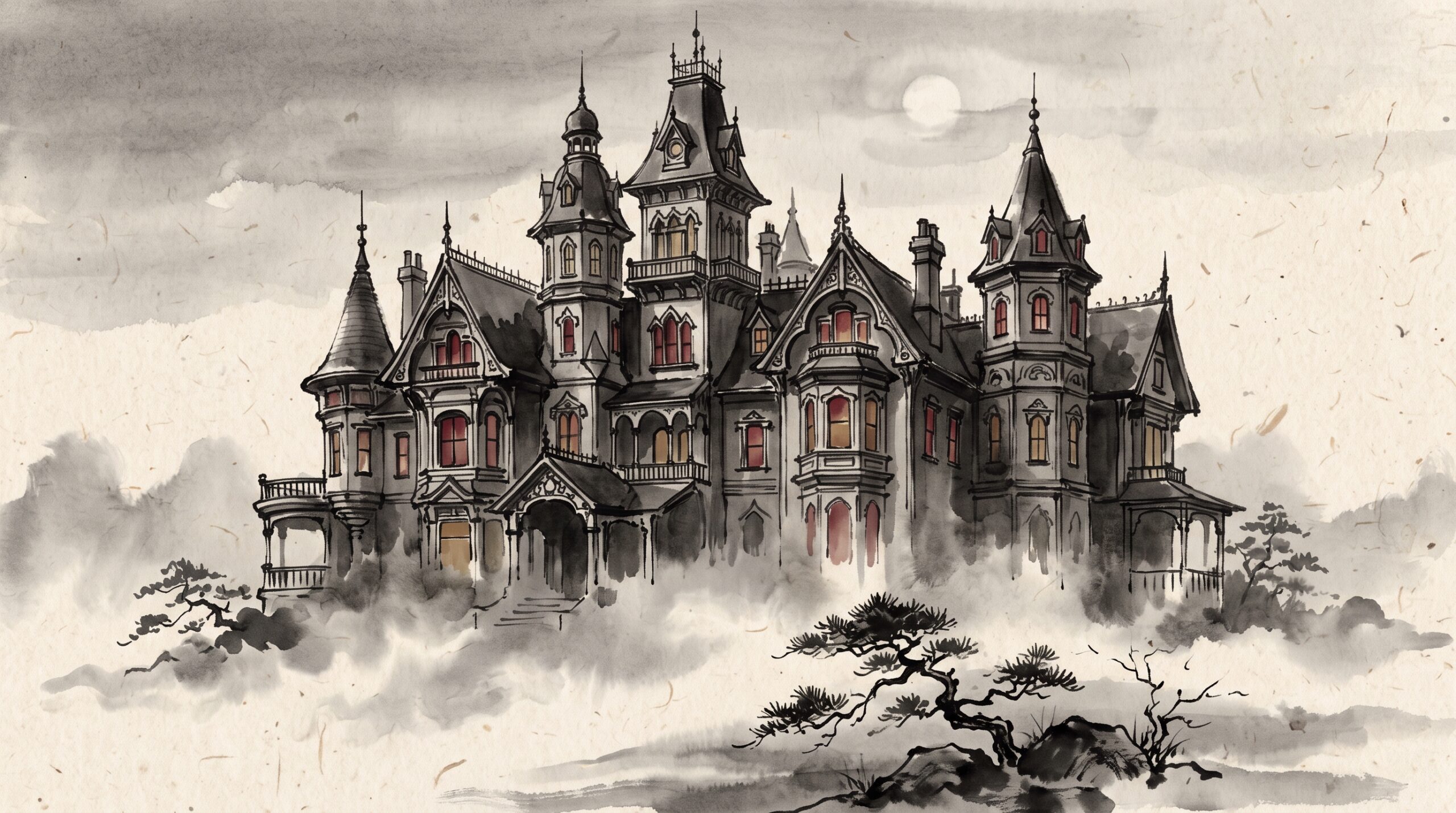
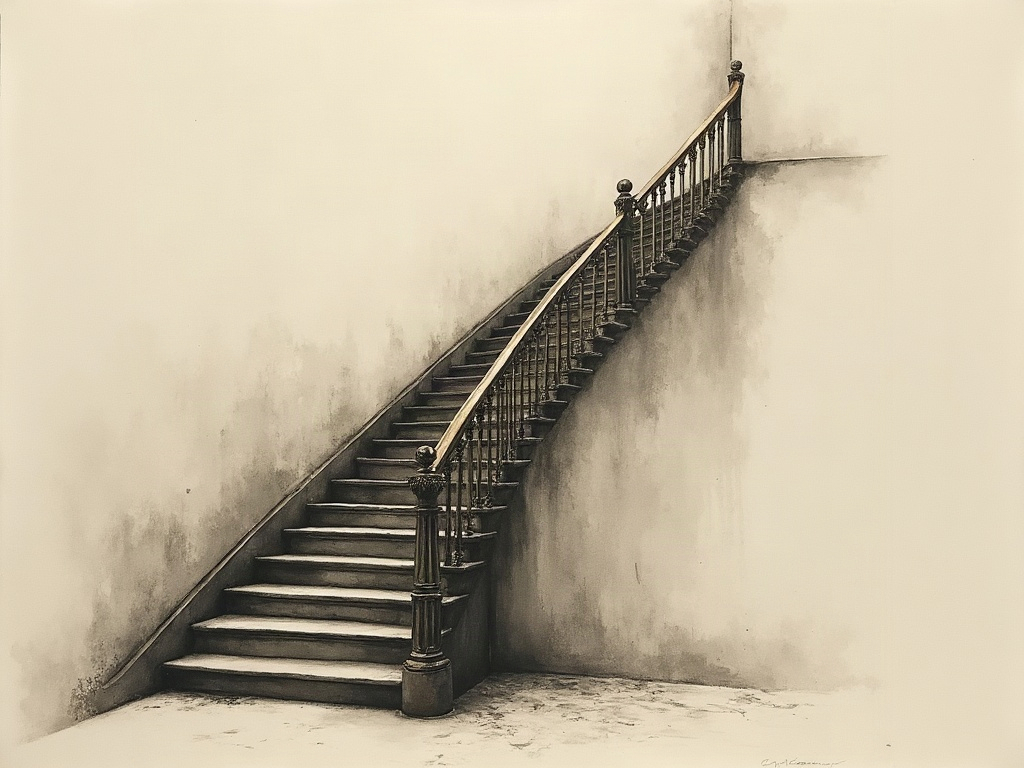
Drive south from San Francisco to San Jose and you can still tour it: a rambling Victorian mansion of some one hundred and sixty rooms where a staircase climbs earnestly toward the ceiling and stops, where a door on an upper floor opens onto a two-storey drop, where a window has been set into the floor and a chimney rises four storeys only to halt just short of the roof. For more than a century the building has been sold to visitors as America’s most haunted house, the work of a woman driven mad by ghosts. The truth is quieter and far more human — the story of grief, an enormous fortune, and a widow who found, in the endless act of building, a reason to keep going.
This is the story of Sarah Winchester and the house that never stopped growing.
An heiress made by the rifle that won the West
Sarah Lockwood Pardee was born in New Haven, Connecticut, around 1839, an educated and cultured young woman fluent in several languages. In 1862 she married William Wirt Winchester, whose father Oliver ran a shirt-making business that had pivoted, with spectacular timing, into firearms. The Winchester Repeating Arms Company produced the lever-action rifle so ubiquitous on the American frontier that it earned the nickname “the gun that won the West.” The rifles sold by the hundreds of thousands, and the family grew colossally rich.
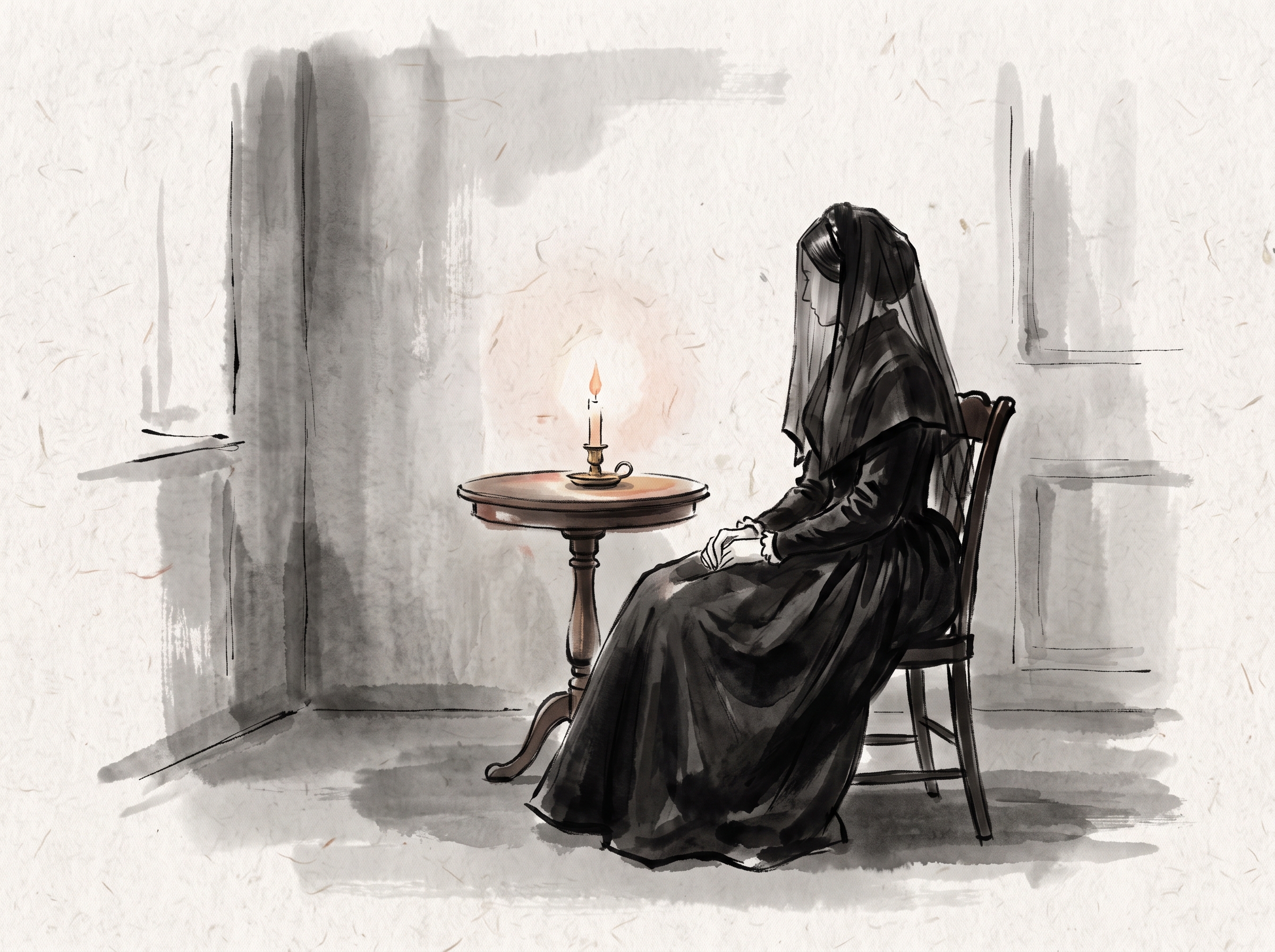
Sarah’s private life did not keep pace with her fortune. In 1866 she and William had a daughter, Annie, who died of a wasting illness at little more than a month old. Sarah, by many accounts, never fully recovered. The couple had no more children. Then in 1881 William died of tuberculosis, and Sarah inherited both his shares in the company and an income that, at its height, is said to have been on the order of a thousand dollars a day at a time when a comfortable house cost a few thousand dollars in total. She was one of the wealthiest women in America — and one of the most alone.
The medium, the curse, and the move west
Here the documented history thins and the legend takes over. As the story is traditionally told, a grief-stricken Sarah sought out a Boston spiritualist medium, and the medium delivered a chilling message: the Winchester fortune was cursed by the spirits of everyone killed by the family’s rifles, and those spirits had claimed Annie and William. To escape them, Sarah must move west and build a house for the ghosts — and she must never stop building, for as long as construction continued, she would stay alive.
It is a marvellous tale, and there is almost no contemporary evidence for it. No record of the séance survives; the curse narrative appears mostly in newspaper features written years later and in the marketing of the house after Sarah’s death. What we can say for certain is that spiritualism — the belief that the living could contact the dead, complete with séances, mediums and rapping tables — was a genuine mass movement in Gilded Age America, embraced by the bereaved and the respectable alike. A widow who had lost a baby and a husband was exactly the person that movement spoke to. Whether or not a medium ever set her a supernatural task, the age gave grief a language, and Sarah may well have spoken it. The impulse to read hidden meaning into an unexplained loss is a deeply human one, the same instinct that keeps riddles like the case of Kaspar Hauser alive for centuries.
The house that never stopped
What is not in dispute is the building itself. Around 1884 Sarah bought an unfinished farmhouse on a large tract of land in the Santa Clara Valley and began to enlarge it. She never stopped. For the next thirty-eight years, until her death, carpenters and craftsmen worked on the property — by some accounts in shifts around the clock, though that too may be embroidery. There was no architect and no master plan. Sarah is said to have sketched rooms herself, often overnight, and handed the drawings to her foreman in the morning.
The result was a structure of bewildering, organic strangeness. Rooms were built, then walled off. Corridors doubled back on themselves. Some of the famous oddities almost certainly began as ordinary features stranded by later changes — a staircase that once reached a floor since demolished, a door that once opened onto a balcony since removed. Others seem genuinely deliberate: staircases with steps only a few inches high, switchback flights that climb seven turns to rise a single storey, cabinets a half-inch deep. Sarah spared no expense on the finishing — imported art glass, gold and silver chandeliers, parquet floors, and dozens of fireplaces. It was, whatever else it was, the plaything of a very rich and very private woman who had endless money, endless time, and no one left to please but herself.
Thirteens, spider webs, and the earthquake
Legend loves a pattern, and the house obliges. The number thirteen recurs throughout: windows with thirteen panes, a chandelier altered to hold thirteen lights, a wall with thirteen panels, a staircase of thirteen steps. Spider-web motifs appear in the stained glass. Ghost tour guides read these as Sarah’s coded dialogue with the spirit world.
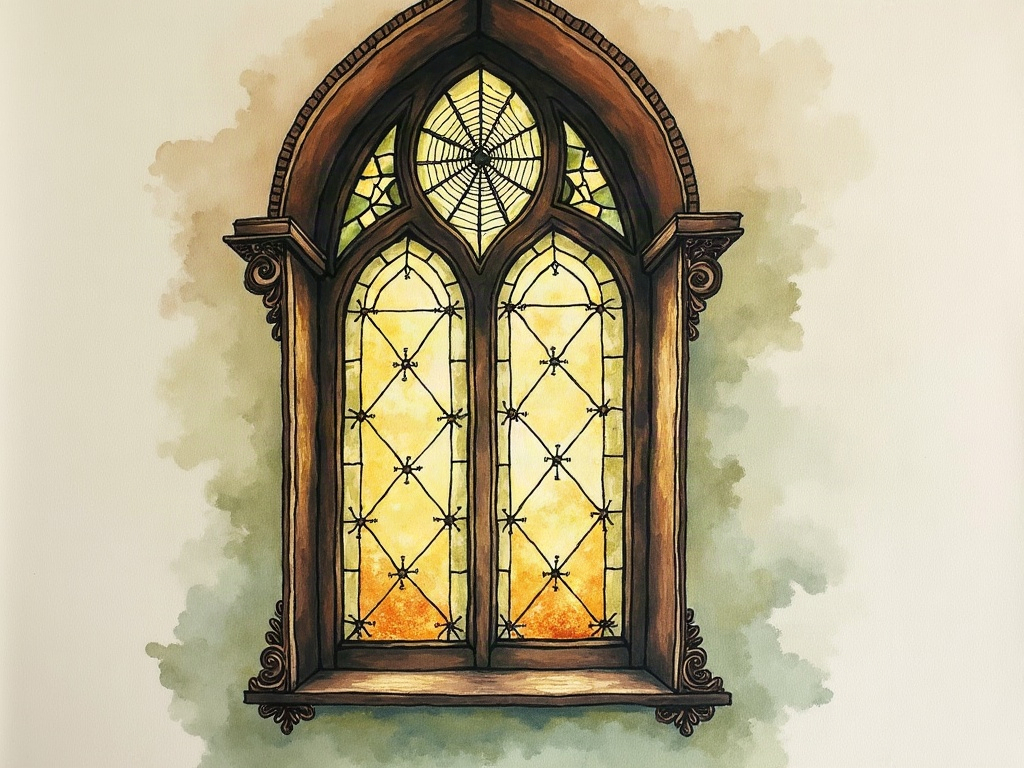
The more mundane truth is that thirteen and web patterns were fashionable decorative motifs of the era, and a woman personally designing her own house over decades would naturally stamp it with recurring signatures. There is a whiff here of the same pattern-hunting that turns any genuine unexplained event into a supernatural one — the pull that keeps a story like the vanished keepers of the Flannan Isles lighthouse forever suspended between the eerie and the ordinary. Then, in April 1906, the great San Francisco earthquake struck. The house’s top three floors and its tall tower collapsed. Sarah, the story goes, was briefly trapped in a bedroom, took it as a sign of the spirits’ anger at the house’s grandeur, and had the damaged front rooms boarded up for good. More likely she simply concentrated her repairs elsewhere in a building that had become impossible to fully maintain.
The woman behind the legend
Strip away the ghost story and a different figure emerges. Sarah Winchester was intensely shy and reclusive — she wore a veil, avoided the press, and was rumoured to turn away even President Theodore Roosevelt when he called, not out of madness but out of a fierce guarding of her privacy. She was generous in ways she kept quiet, funding a tuberculosis hospital wing in New Haven in her husband’s memory. She was a shrewd manager of her own affairs and her own construction crews. She was, in short, an eccentric, grieving, immensely wealthy widow in an age that had no comfortable category for such a person — much like the era’s other great American originals, from self-crowned oddities to genuine visionaries, that the Gilded Age produced in abundance, among them the self-proclaimed Emperor Norton of San Francisco.
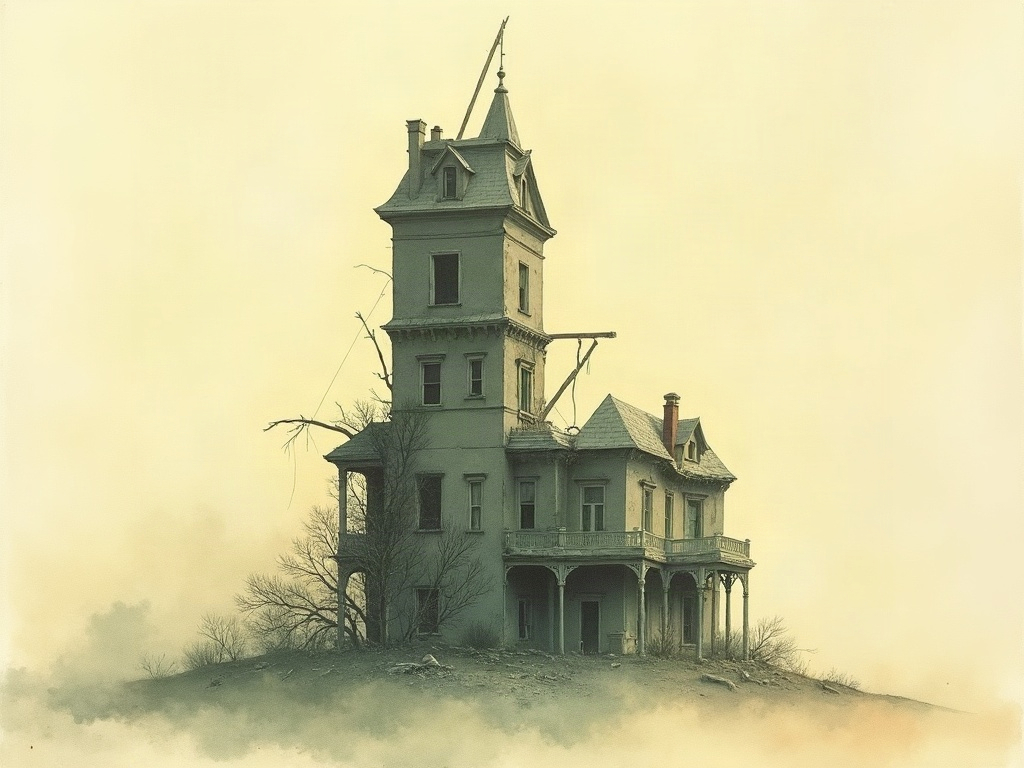
Sarah Winchester died in her sleep in 1922. The construction stopped that day, mid-task, with nails half-driven — a detail the ghost tours cherish, though it is simply what happens when the person paying the carpenters is gone. The house was sold, its endless rooms and dead-end stairs perfect raw material for a tourist attraction, and within months it was being advertised as the mansion built to appease the vengeful dead. The legend was, in a sense, the property’s second act — and a far more profitable one than the first.
What lingers is not the ghosts but the grief. A woman lost a baby and then a husband, inherited a fortune built on a weapon, and spent the rest of her life pouring that fortune into an act of creation that could never be finished because finishing was never the point. The building was the work; the work was the purpose; the purpose was to have a reason to wake up. We tell it as a horror story because that is more thrilling than the plain truth. But the plain truth — that a broken-hearted woman built herself a labyrinth to live in rather than face an empty house — is the part that still, after a century, makes the Winchester Mystery House worth remembering.
Sources & further reading:
Related Reading
More from the archive
- From Speared Warriors to Vampire-Proofed Corpses: History’s Most Bizarre Burial Rituals
- The Collyer Brothers: The Recluses Who Died Buried in Their Own Mansion