The Hinterkaifeck Murders: The Farm Where the Killer Lived in the Attic

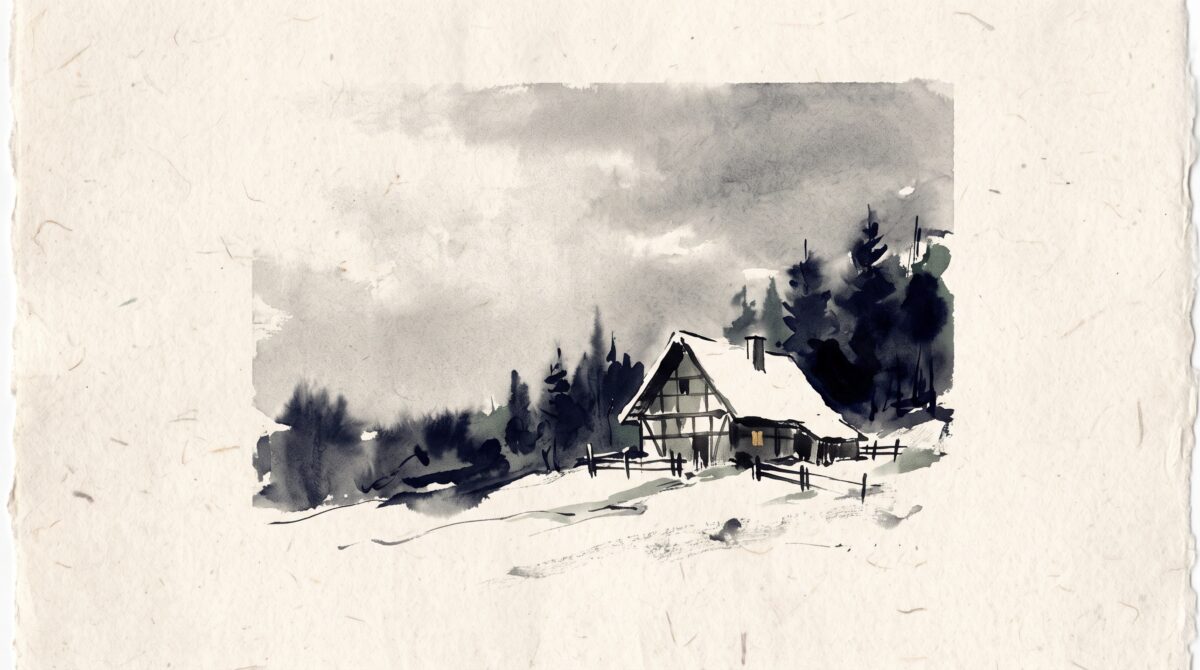
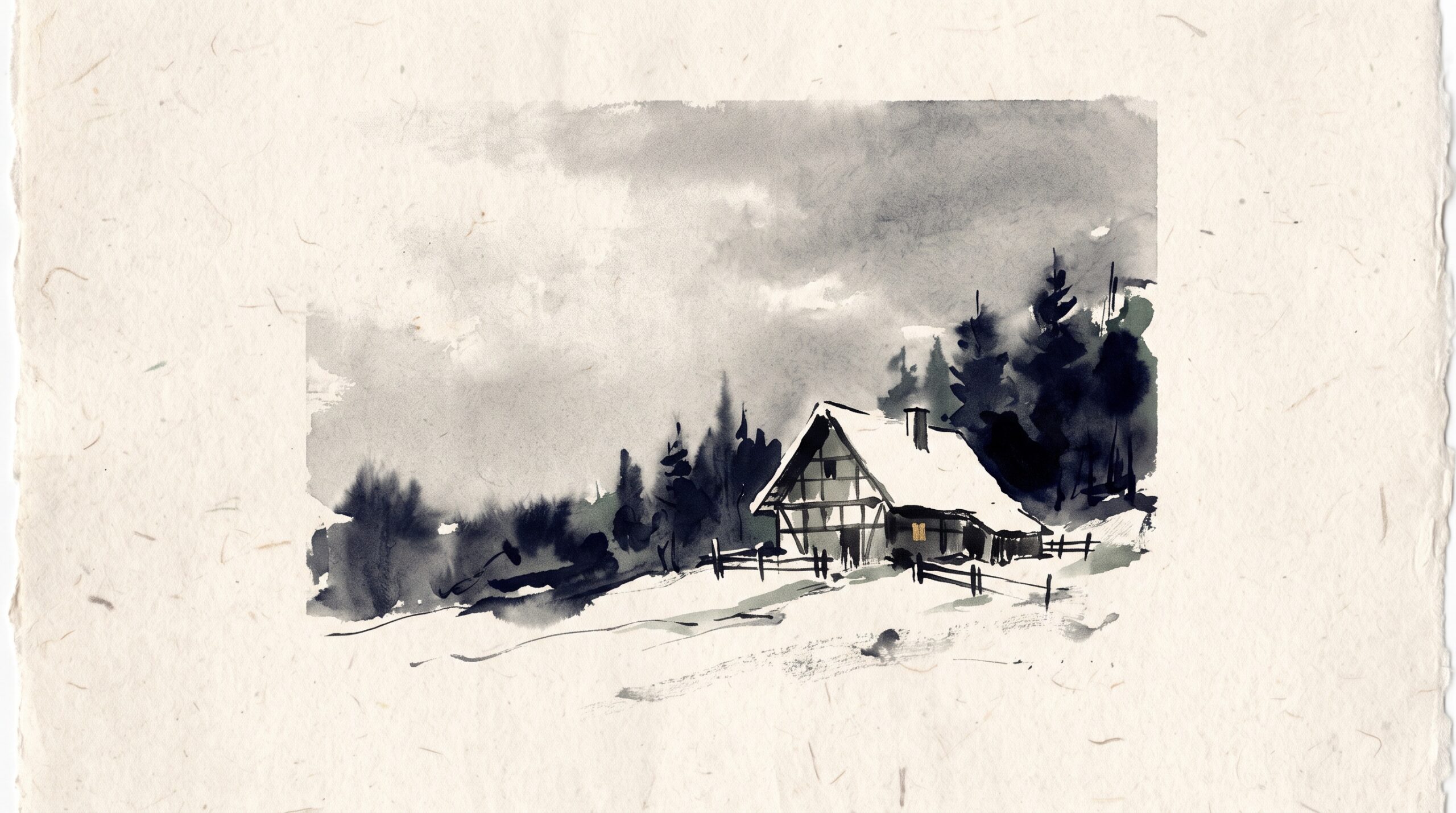
Hinterkaifeck was barely a place at all — a single farmstead sitting alone on a low rise between the Bavarian villages of Gröbern and Wangen, about forty miles north of Munich, with dark pine woods pressing in on one side and empty fields on the others. In the last days of March 1922, its old farmer, Andreas Gruber, began telling people that something was wrong. He had found footprints in the fresh snow, a single trail leading out of the forest and up to the house. There were no footprints leading away. He had heard footsteps in the attic over his head at night, and found a newspaper on the farm that nobody in the family had bought. A set of house keys had gone missing. His daughter had seen a strange face at the window.
Gruber told his neighbors all of this. He did not call the police. Within a few days, every living soul on the farm would be dead — and whoever killed them would stay on, calmly, among the bodies.
The Family on the Rise
Six people lived at Hinterkaifeck. Andreas Gruber was sixty-three, his wife Cäzilia seventy-two. With them lived their widowed daughter Viktoria Gabriel, thirty-five, whose husband had reportedly been killed in the First World War, and Viktoria’s two children — seven-year-old Cäzilia, named for her grandmother, and a two-year-old boy, Josef. The household was not a happy or an open one. The Grubers kept to themselves, and the family carried dark rumors: Andreas and Viktoria had once been convicted and briefly jailed for incest, and there were whispers that little Josef was their child rather than the son of Viktoria’s dead husband. On the day of the murders, a seventh person arrived — a new maid, Maria Baumgartner, forty-four, come to replace the last girl, who had quit six months earlier insisting the farm was haunted.
The Evening of March 31
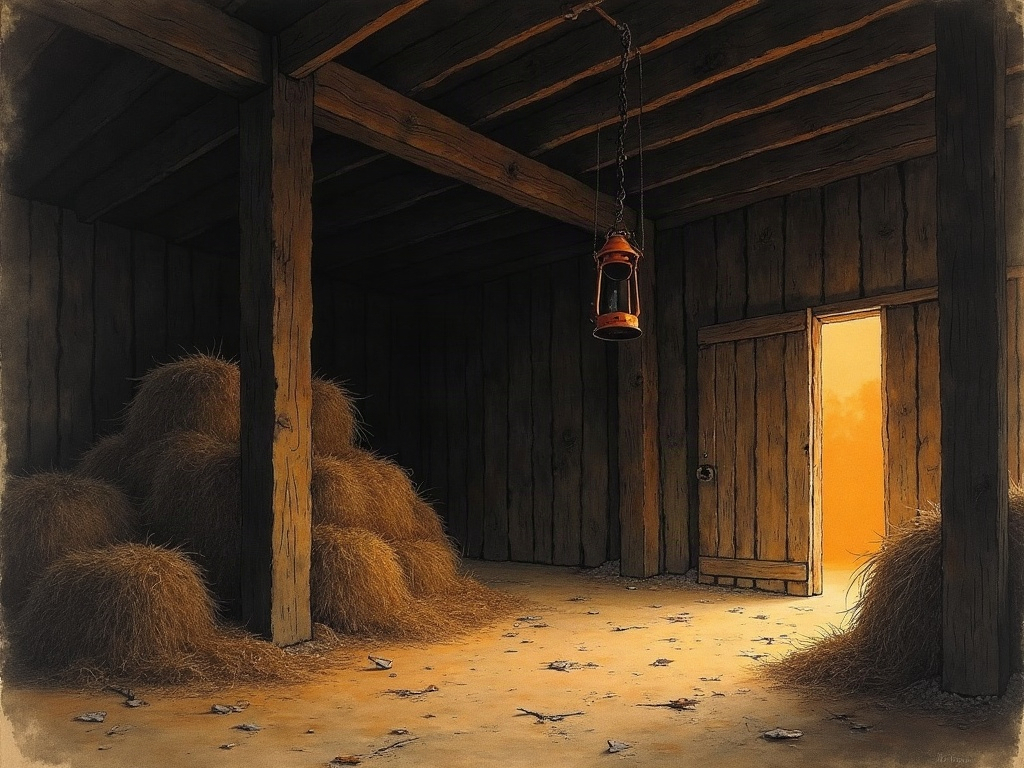
What happened on the evening of Friday, March 31, 1922, has to be reconstructed from the scene, because no one who witnessed it survived to tell it. The investigators’ best reading is almost unbearable in its patience. One by one, it seems, the four adults and the older child were lured or driven out to the barn, where they were struck down with a Reuthaue — a heavy mattock, a farming pick used for grubbing out roots. Their bodies were stacked and covered with hay and an old door. Then the killer went into the house and murdered the two who remained: the maid Maria in her small room, and the toddler Josef in his cot beside his mother’s empty bed.
Six people, dispatched with a tool pulled from their own farm, in near silence, in a place where no scream would carry. The method was intimate and brutal, and it suggested someone unhurried — someone who knew the layout of the farm and was in no danger of being interrupted.
The Killer Who Stayed
Here the Hinterkaifeck case crosses from a terrible crime into something that still crawls up the spine a hundred years later. After the murders, the killer did not flee. For days afterward, neighbors noticed smoke rising from the farm’s chimney. The livestock were fed and watered. The family dog, found tied up and half-starved, had been looked after enough to survive. Someone had eaten food in the kitchen and slept in the house. Whoever had slaughtered the Grubers had then calmly moved in among their bodies and kept the farm running, as though waiting for something.
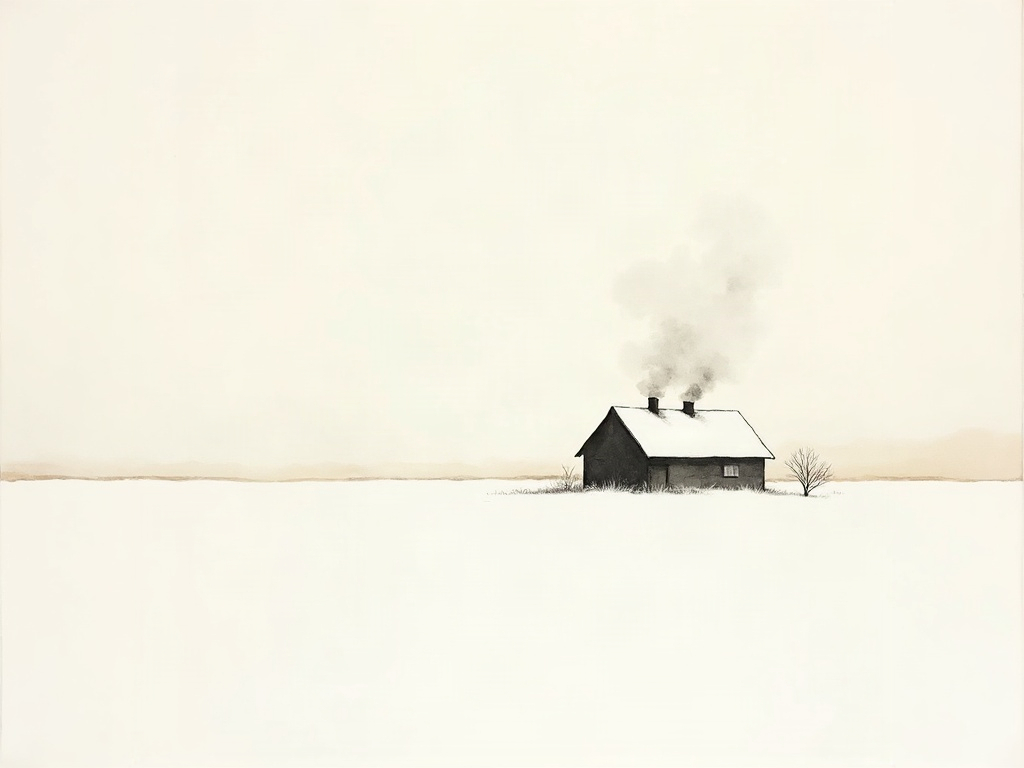
That detail — the fed cattle, the warm stove, the smoke seen from the road — is what has burned the case into memory. It is one thing to imagine a murderer vanishing into the night. It is another to picture one stepping over the dead to stir the fire and feed the cows.
Four Days of Silence

Because the Grubers were so isolated and so unsociable, nobody came. It was not until Tuesday, April 4 — four days later — that the outside world noticed something was wrong. Seven-year-old Cäzilia had not appeared at school. The postman’s mail went uncollected. A repairman who came by got no answer. Finally a group of worried neighbors walked out to the farm together and let themselves in. They found the four bodies in the barn under the hay, and the maid and the little boy inside the house. The old mother lay among the animals; the child Cäzilia had, horribly, survived for some hours after being struck, having torn out tufts of her own hair where she lay in the straw.
The scene that greeted them has the same quality of domestic wrongness that defines the most haunting unsolved cases — the eerie everyday detail that will not let go, the same unease that clings to the Sodder children, who vanished from a burning house on Christmas Eve, or to the Somerton Man, found dead on an Australian beach with a riddle sewn into his clothes.
A Century of Suspects
The investigation was, by the standards of 1922, both intense and strange. The victims’ heads were removed and sent to Munich, where clairvoyants were consulted in an effort to see the crime. Hundreds of people were questioned over the following years; by some counts more than a hundred suspects were considered across the decades. Robbery was quickly ruled out — money was found untouched in the house — which pointed investigators toward someone with a personal motive, someone the family knew.
The most persistent theory concerned Viktoria’s supposedly dead husband, Karl Gabriel, who was said to have fallen in the trenches in 1914 but whose body was never conclusively identified. Had he come home to find his wife’s life rearranged in ways he could not forgive? Others suspected neighbors, jilted suitors, or men entangled in the family’s buried history. None of it ever cohered into a case. The farmstead itself was demolished in 1923, barely a year after the killings — as if the community wanted the very ground erased.
The case has refused to die. German police reopened it more than once, and in 2007 students at the Police Academy in Fürstenfeldbruck applied modern investigative methods to the old evidence. They reportedly settled on a most-likely suspect but declined to name the person publicly, out of respect for descendants who might still be living. And so, officially, the Hinterkaifeck murders remain open and unsolved to this day.
Why It Still Haunts Us

Most famous murders terrify us with their violence. Hinterkaifeck terrifies with something quieter: the days before, and the days after. The footprints that led in but not out. The steps in the attic over a sleeping family’s heads. The sense, gathering for a week, that the house had already been breached and that the danger was not coming but was already inside — the same primal dread that runs through folk tales of things that stalk and will not be named, from the man-eating Beast of Gévaudan onward.
Andreas Gruber felt it. He told his neighbors about the footprints and the keys and the face at the window, and then he went back inside and locked a door against something that may already have been upstairs. What lingers is not just that we do not know who climbed down from that attic, but that the family seems to have half-known, in the marrow of their fear, that someone was there — and that knowing it changed nothing at all. A century later, the clearing is quiet, the farm is gone, and the footprints in the snow still lead only one way.
Sources & further reading:
Related Reading
- The House That Grief Built: Sarah Winchester and the Mansion Meant to Confuse the Ghosts
- The Bizarre Medieval Practice of Stuffing Corpses: Austria’s 280-Year-Old Mystery