Mount Pelée: The Prisoner Who Survived the Day a City Vanished

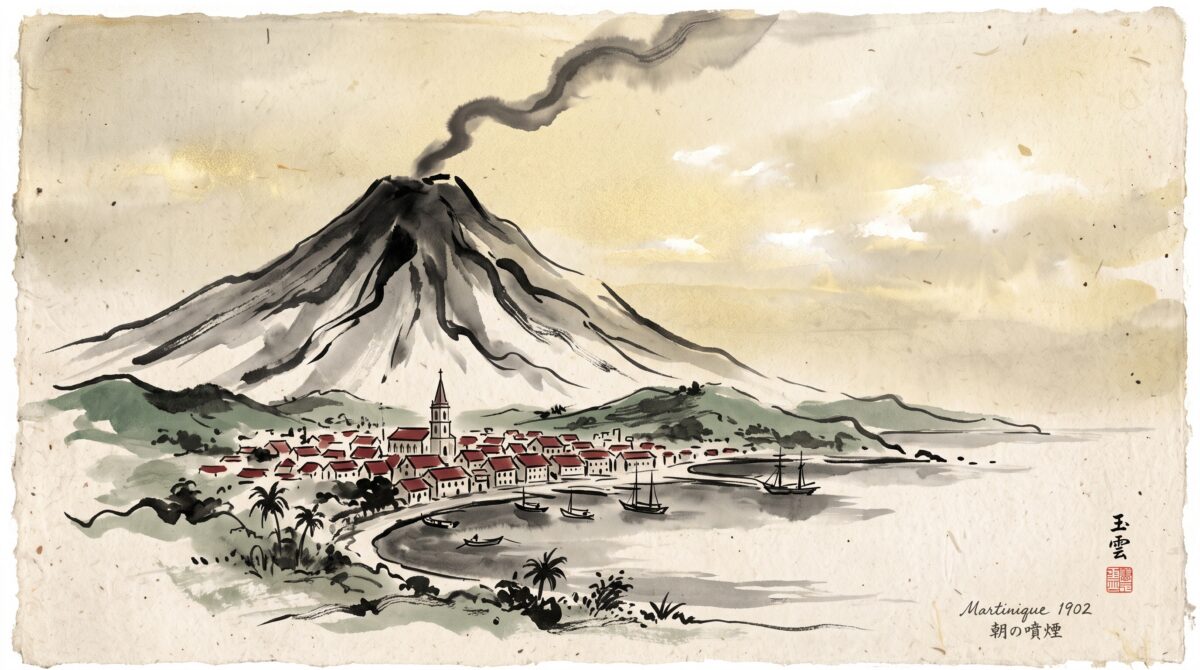
They called it the Paris of the Caribbean. In the spring of 1902, Saint-Pierre was the brightest city in the French West Indies — a port of some thirty thousand souls on the lush northern coast of Martinique, with a theatre that seated eight hundred, tramways, cafés, a cathedral, and ships from across the Atlantic at anchor in its blue harbor. Above it all rose Mount Pelée, a green and misted volcano most of the city had long since stopped fearing. For weeks it had been trying to warn them. On the morning of May 8, in the time it takes to read this paragraph, it killed almost everyone in the city.
Of the tens of thousands who woke in Saint-Pierre that day, perhaps a handful lived to see the next. And the most famous of them all was a man the city had locked away and forgotten — a prisoner whose dungeon turned out to be the one place the fire could not reach.
A City That Stopped Being Afraid
Mount Pelée had grumbled before, in the lifetimes of the people living beneath it, and had never done much harm. So when it began to stir in April 1902, the city’s instinct was to explain the danger away. Ash began to fall like grey snow, dusting the rooftops and the market stalls. The air turned acrid with sulfur, so sharp that horses balked and people pressed handkerchiefs to their faces. A strange rumbling rolled down from the summit day and night.
Then came the exodus of the animals. Driven out of the forests by the heat and the fumes, snakes and insects came pouring down the mountain and into the streets of Saint-Pierre. Among them were fer-de-lance — one of the deadliest pit vipers in the Americas — and great swarms of foot-long centipedes. By some accounts the snakes killed around fifty people and countless livestock before soldiers were sent to shoot them in the gutters. It was a biblical kind of omen, and still the city held its ground.
The Reasons to Stay
There were human reasons to downplay the mountain, and they would prove fatal. An important election was only days away, and there was pressure to keep the population — and the voters — in the city. A commission of respected men studied the mountain and concluded, reassuringly, that Saint-Pierre was in no special danger. The local newspaper, Les Colonies, printed calming words and even planned a holiday excursion up the slopes of Pelée. One widely repeated story holds that the governor himself came to steady public nerves, and died for it.
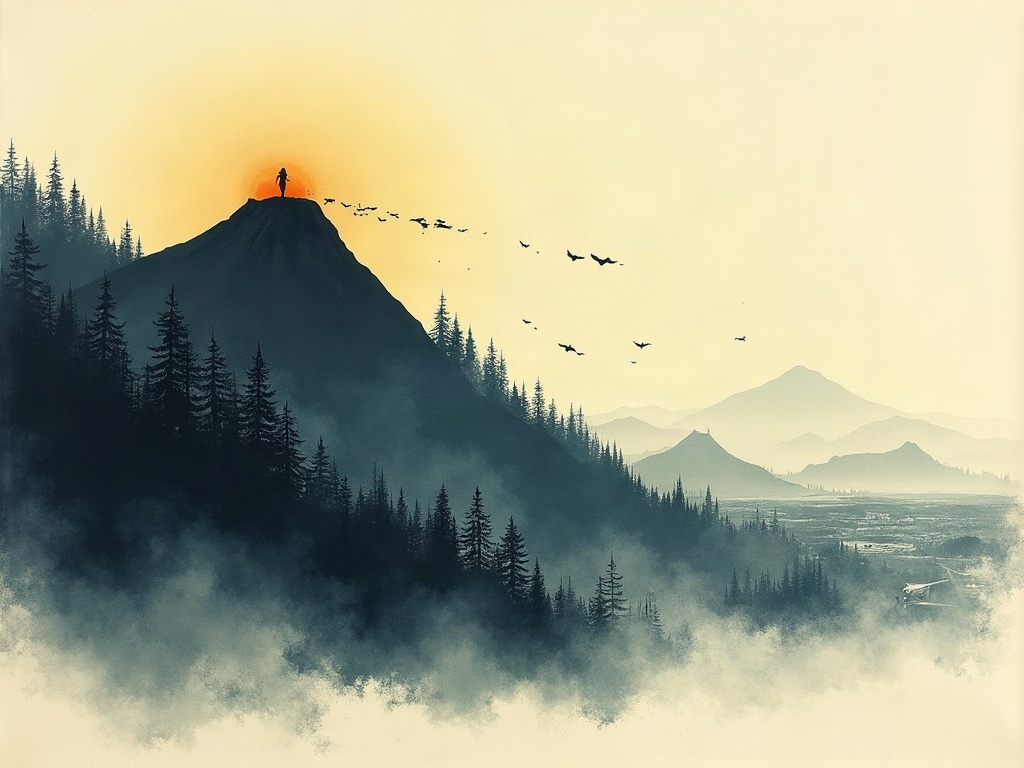
The warnings kept coming regardless. On May 5, a wall of boiling mud — a lahar unleashed from the mountain — swept down a river valley and buried the Guérin sugar works on the edge of town, killing dozens in an instant. It should have emptied the city. Instead, refugees fleeing the mountain’s slopes actually crowded into Saint-Pierre, believing the big stone town was safer than the exposed villages. They were walking toward the center of the catastrophe.
Two Minutes on the Eighth of May
At about 7:52 on the morning of Thursday, May 8, 1902 — Ascension Day — the side of Mount Pelée burst open. What came out was not a river of lava but something far faster and far more lethal: a nuée ardente, a glowing cloud. It was a pyroclastic flow, an avalanche of superheated gas, ash, and rock hugging the ground, surging downhill at well over a hundred miles an hour at temperatures estimated near 1,000 degrees Celsius.
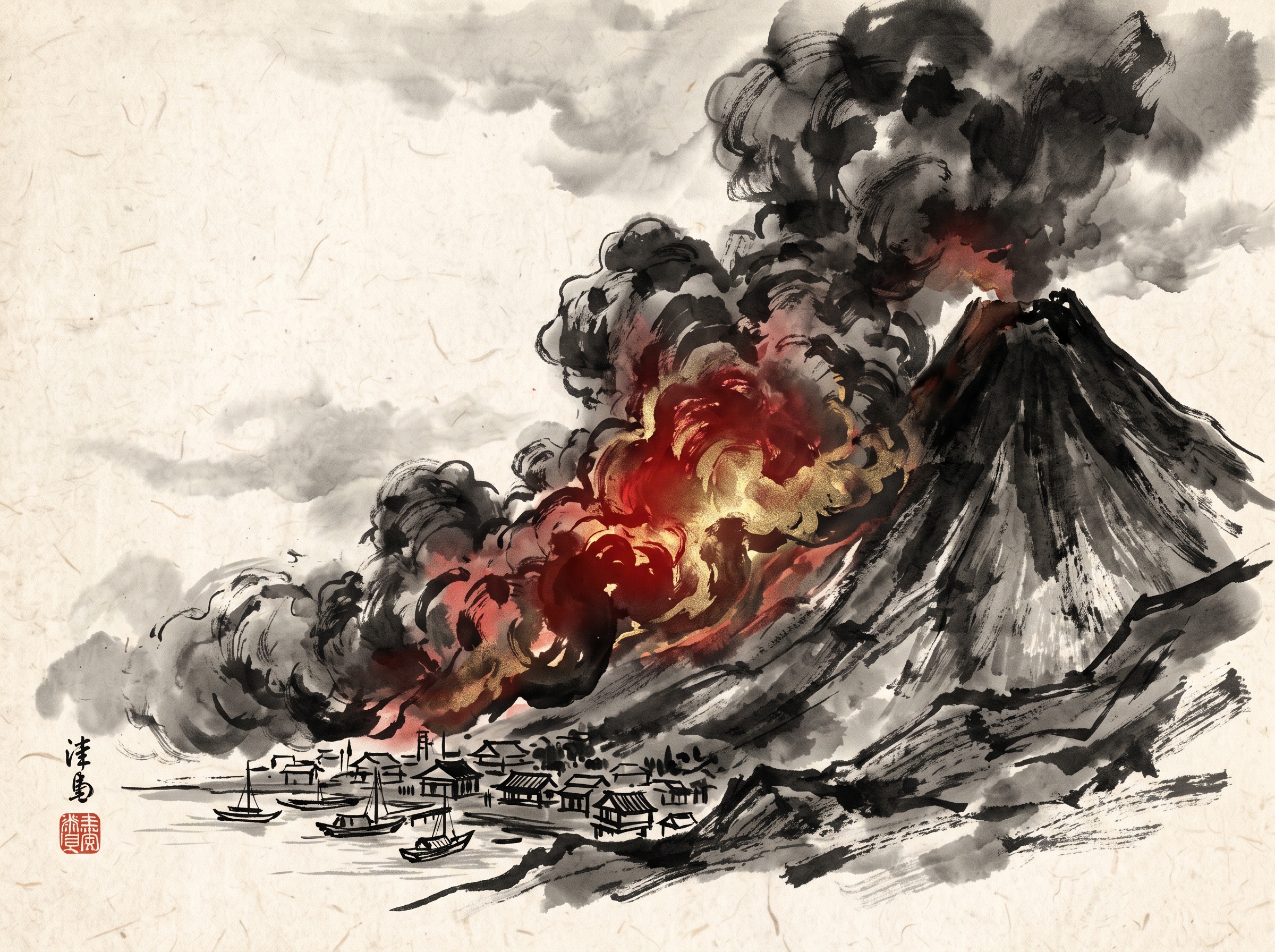
It reached Saint-Pierre in under a minute. There was no time to run, nowhere to go. The cloud flattened stone walls, snapped the cathedral, and set the entire city alight at once. In the harbor, ships caught fire where they floated; the steamer Roraima burned with most aboard, and of the vessels at anchor only one, the Roddam, limped away scorched and half-crewed to carry word of what had happened. Rum stored in the warehouses ignited and ran flaming through the streets. Within two minutes, one of the finest cities in the Caribbean had become a field of ash and roofless walls, and roughly 28,000 to 30,000 people were dead. It remains the deadliest volcanic eruption of the twentieth century. In its suddenness it belongs beside the other disasters where nature killed a whole community in minutes — the night Lake Nyos exhaled a cloud of gas and suffocated 1,700 people in their sleep, or the quarter-hour in which an ‘absolutely fireproof’ theatre burned 600 people to death.
The Man in the Dungeon
In all that ruin, there lived a prisoner named Ludger Sylbaris — remembered in many accounts as Cyparis — a dock laborer who had been thrown in jail days earlier after a drunken brawl. For his trouble he had been placed in solitary confinement, in a squat, half-buried stone cell built like a bunker, with walls thick enough to muffle any sound and only a narrow grated opening set high in the door. Crucially, that opening faced away from the mountain.
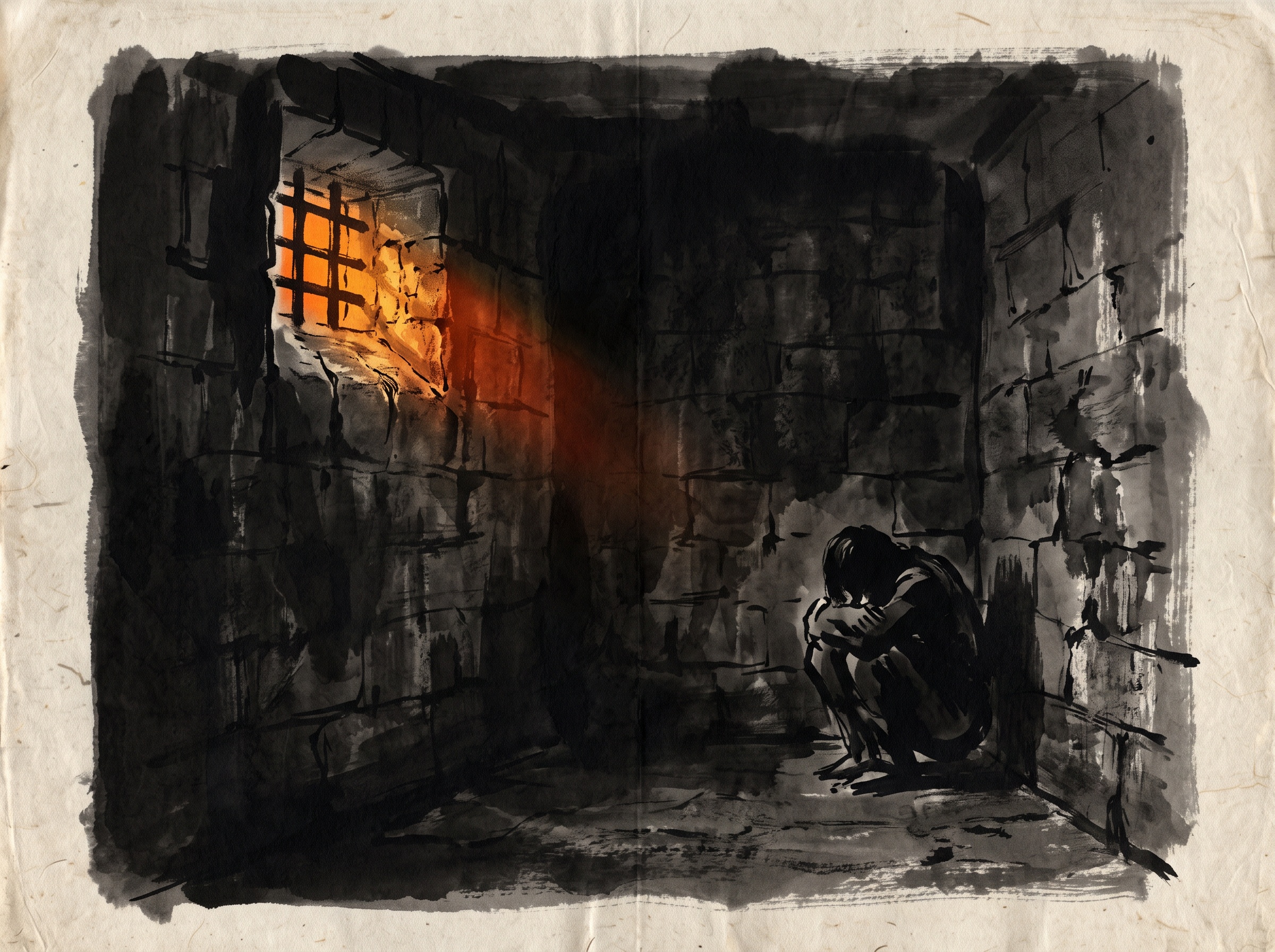
When the glowing cloud swept over Saint-Pierre, Sylbaris was in the one structure engineered, almost by accident, to survive it. He later described a sudden rush of scorching air and smoke pouring through the grate — no flame, just unbearable heat. He pressed himself against the back wall, soaked his clothes with the little water he had, and screamed for help that did not come. He was badly burned across his back and legs, but alive. For three or four days he lay in the dark among the dead city until rescuers combing the ruins heard a voice and dug him out. He had survived the apocalypse because the city had locked him underground.
A Second Life Under the Big Top
Sylbaris was not quite alone — a shoemaker named Léon Compère-Léandre survived on the city’s edge, and a few others on the outskirts lived through it — but it was the convict’s story that captured the world. He was pardoned; his crime had been swallowed up along with the courthouse and everyone in it. And then his life took its strangest turn of all. The Barnum & Bailey circus signed him on, and Ludger Sylbaris toured the United States as a sideshow marvel, billed as the man who had lived through Judgment Day — ‘the prisoner of Saint-Pierre,’ the lone survivor of a dead city, showing the scars of the mountain to paying crowds.
There is a bleak symmetry in it: a man society had cast into a hole, saved by that hole, then paraded for the thing that nearly killed him. He is counted among history’s most improbable survivors — in the same impossible company as Roy Sullivan, the park ranger struck by lightning seven times and left standing.
What Pelée Left Behind
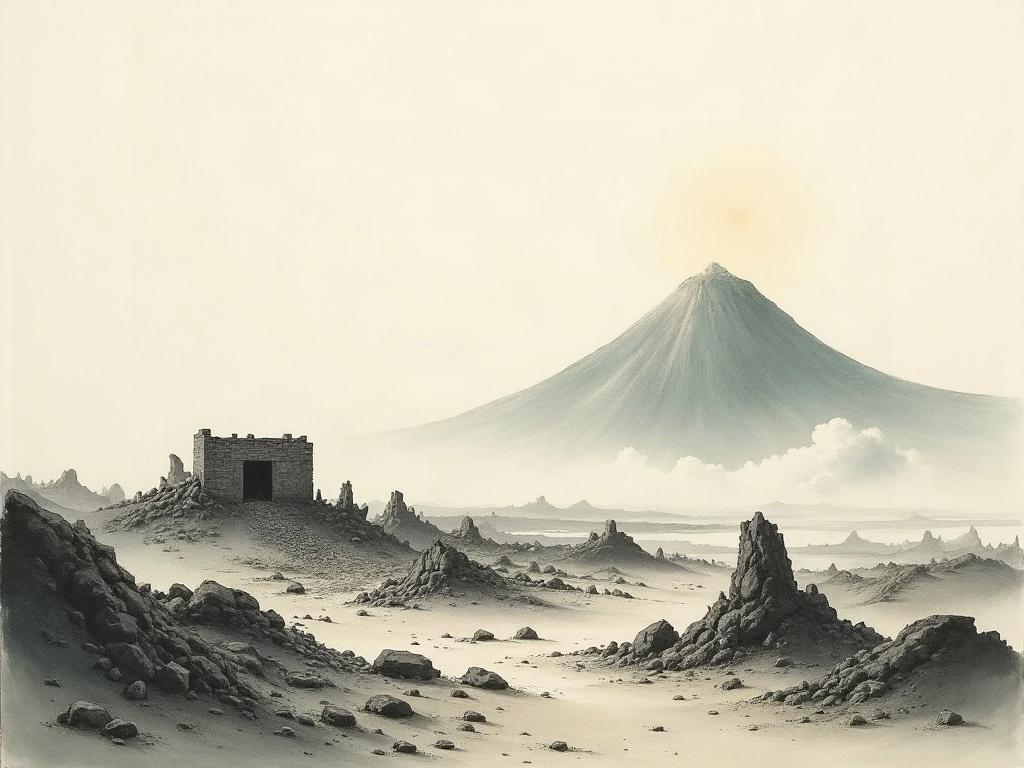
Saint-Pierre was never fully rebuilt. A smaller town grew back among the ruins, but the commercial heart of Martinique shifted south to Fort-de-France, and the Paris of the Caribbean passed into memory. The eruption did leave one lasting gift to the living: it shocked the new science of volcanology into being. The phrase nuée ardente entered the vocabulary of geologists, and the glowing-cloud eruption that destroyed the city is still called ‘Peléan’ in its honor. The lesson written in those thirty thousand deaths — that the deadliest thing a volcano does is often not the lava but the cloud, and that official reassurance is no match for a mountain — has saved countless lives since.
And Sylbaris’s cell still stands. Among the roofless walls, beneath a mountain long since gone back to green, the little stone dungeon that held one terrified man sits intact — a monument to the narrowest escape in a city that had none. It is worth remembering what the mountain spent weeks trying to say, and how reasonable it seemed, right up to 7:52 in the morning, to decide it meant nothing at all.
Sources & further reading:
More from the archive
- The St. Francis Dam Disaster: The Night Los Angeles’s Greatest Engineer Killed Hundreds in the Dark
- The Bear River Massacre: The Deadliest Day for Native Americans That America Forgot
- The Town That Burned in an Hour: The Peshtigo Fire, America’s Deadliest Wildfire, Erased by the Great Chicago Fire