The St. Francis Dam Disaster: The Night Los Angeles’s Greatest Engineer Killed Hundreds in the Dark

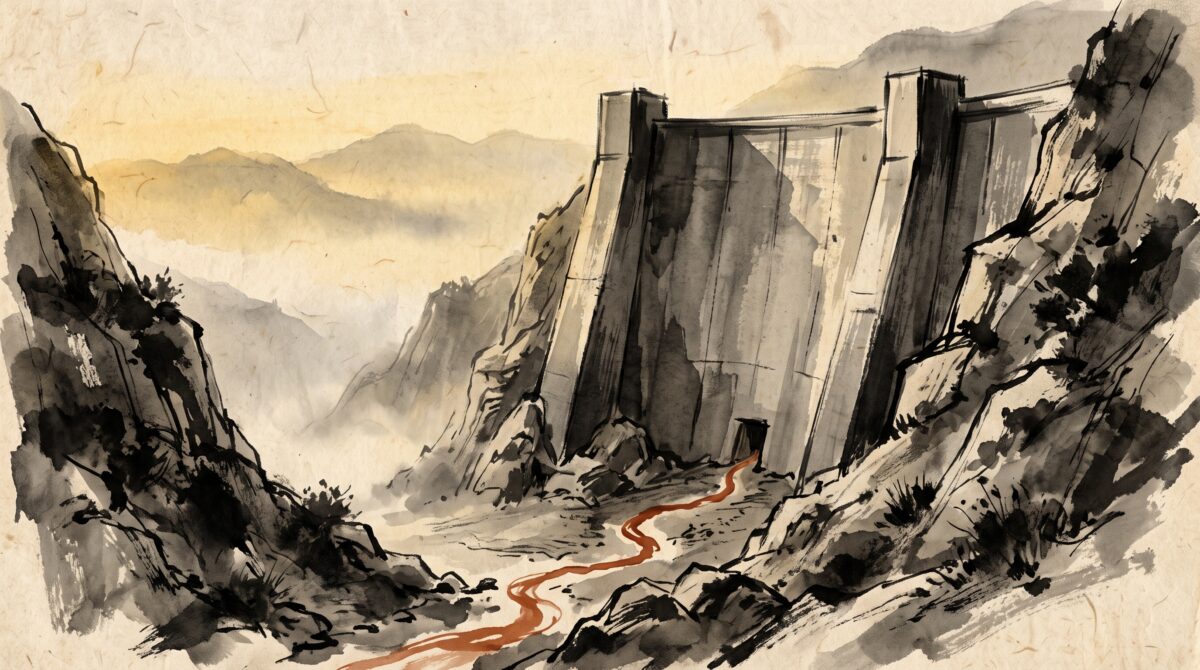
Just after dawn on March 12, 1928, the dam keeper Tony Harnischfeger walked the base of the St. Francis Dam and did not like what he saw. A new leak had opened at the western abutment, and the water running from it was muddy. To a man who had lived beneath a wall of concrete holding back twelve billion gallons, muddy water meant only one thing: the dam itself was dissolving from the inside. He telephoned Los Angeles.
By late morning, the most famous engineer in California had driven out to the canyon to see for himself. William Mulholland inspected the leak, traced the muddy water to a construction road, and pronounced the dam safe. He drove back to the city. Less than twelve hours later, Tony Harnischfeger, his family, and more than four hundred other people would be dead.
The Man Who Made Los Angeles Possible
To understand the disaster, you have to understand the man, because for a quarter-century the two were the same thing. William Mulholland arrived in Los Angeles in 1877 as a penniless Irish immigrant and took a job digging ditches for the city water company. He had no formal engineering degree. He taught himself hydraulics from borrowed textbooks by candlelight, and he rose so fast that within two decades he ran the entire water system of a city desperate to grow.
Los Angeles had a fatal weakness: it sat in a semi-desert with no river worth the name. Mulholland’s answer was audacious — a 233-mile aqueduct that would steal the snowmelt of the distant Owens Valley and carry it across mountains and deserts to the thirsty city. When the water finally gushed into the San Fernando Valley in 1913, Mulholland reportedly told the assembled crowd only five words: “There it is. Take it.” He was a hero, the man who had made modern Los Angeles physically possible.
The St. Francis Dam was meant to protect that miracle. Built in San Francisquito Canyon about forty miles north of the city and completed in 1926, the great concrete gravity dam would store a full year’s water supply as insurance against sabotage or drought. It was, in every sense, Mulholland’s masterwork — designed under his supervision, raised in height during construction on his authority, and inspected by his own trusted eye.
A Dam Built on a Buried Catastrophe
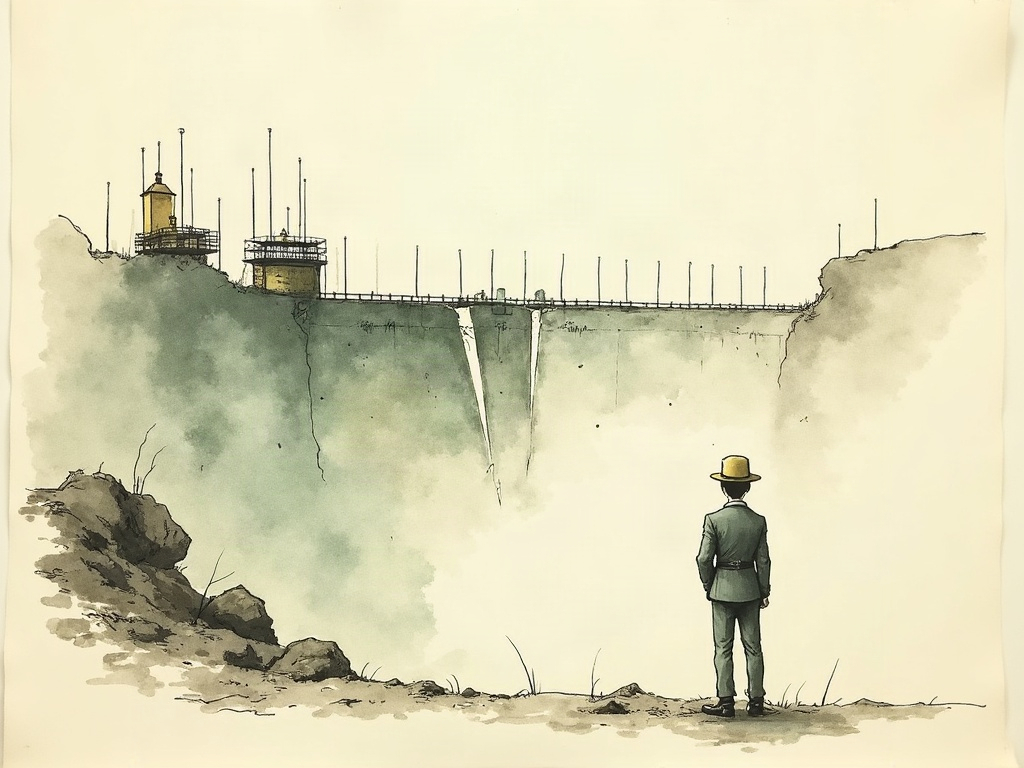
The problem was the ground. A dam is only as strong as the rock it is anchored to, and the two walls of San Francisquito Canyon were a geologist’s nightmare that no one in 1926 fully understood. The western abutment was mica schist, riddled with old fault surfaces. The eastern abutment was a reddish conglomerate that looked solid enough when dry but slaked into soft paste the moment it was soaked — you could crumble it in your hand after a night in a bucket of water.
Worse still, decades later geologists would discover that the eastern hillside was itself an ancient landslide, a mass of rock that had failed and slid in the distant past and was only waiting to fail again. Mulholland had built a concrete wall to hold back a lake, and he had pinned one end of it to a hidden, prehistoric catastrophe. In the weeks before the collapse, cracks appeared in the concrete and the reservoir seeped. To Mulholland, seepage and cracks were normal for a new dam settling into place. They were not.
Two Minutes Before Midnight
The reservoir behind the dam filled to capacity for the first time in early March 1928. On the night of March 12, the water stood just inches below the spillway — the greatest load the structure had ever borne. Tony Harnischfeger and his family slept in the keeper’s cottage directly below the dam. The canyon was dark and quiet.
At three minutes before midnight, the dam failed. There was no long warning, only a sound — a deep grinding roar that a few survivors miles downstream would remember for the rest of their lives. The eastern abutment gave way, the ancient landslide finally slipping, and the concrete tore apart. Twelve billion gallons of water, held back a heartbeat before, were suddenly free.
The Wall of Water That Ran to the Sea
The initial wave has been estimated at up to 140 feet high as it exploded out of the canyon mouth. It obliterated the keeper’s cottage instantly; Tony Harnischfeger’s body was never found. It swept away a powerhouse and the homes of the workers who ran it, killing whole families as they slept. Then it turned down the Santa Clara River valley and began a 54-mile run to the Pacific Ocean.
For five and a half hours the flood ground its way west through the darkness, still fifty feet deep in places, carrying houses, livestock, cars, and uprooted orchards. It smashed through the towns of Castaic Junction, Fillmore, Santa Paula, and Bay City. Because it struck near midnight, most of the dead were in their beds and never woke. Migrant farmworkers camped in the fertile bottomlands were swept away with no record of their names, which is one reason the death toll can only be estimated. The most cited figure is around 431, but bodies were still being pulled from the sand and the surf for years, and the true total may have approached five hundred. It remains, after the Johnstown Flood, the deadliest dam failure in American history and the worst civil-engineering disaster in California’s story.
“Fasten It on Me”
William Mulholland was seventy-two years old, and the disaster destroyed him. At the coroner’s inquest he did not hide behind his staff or his reputation. “Don’t blame anyone else,” he said. “You just fasten it on me. If there was an error of human judgment, I was the human.” He told the inquest that he envied the dead.
The inquest cleared him of criminal wrongdoing but concluded the dam had failed because it was built on defective foundations — a verdict that laid the responsibility squarely on the engineer who had chosen the site and approved the rock. Mulholland resigned in disgrace. The self-taught immigrant who had once been celebrated as the maker of Los Angeles retreated from public life and died in 1935, a broken man haunted by the canyon. Los Angeles quietly paid millions in reparations to the flood’s survivors, often settling claims within weeks to avoid prolonged agony and scandal.
What the Dead Bought
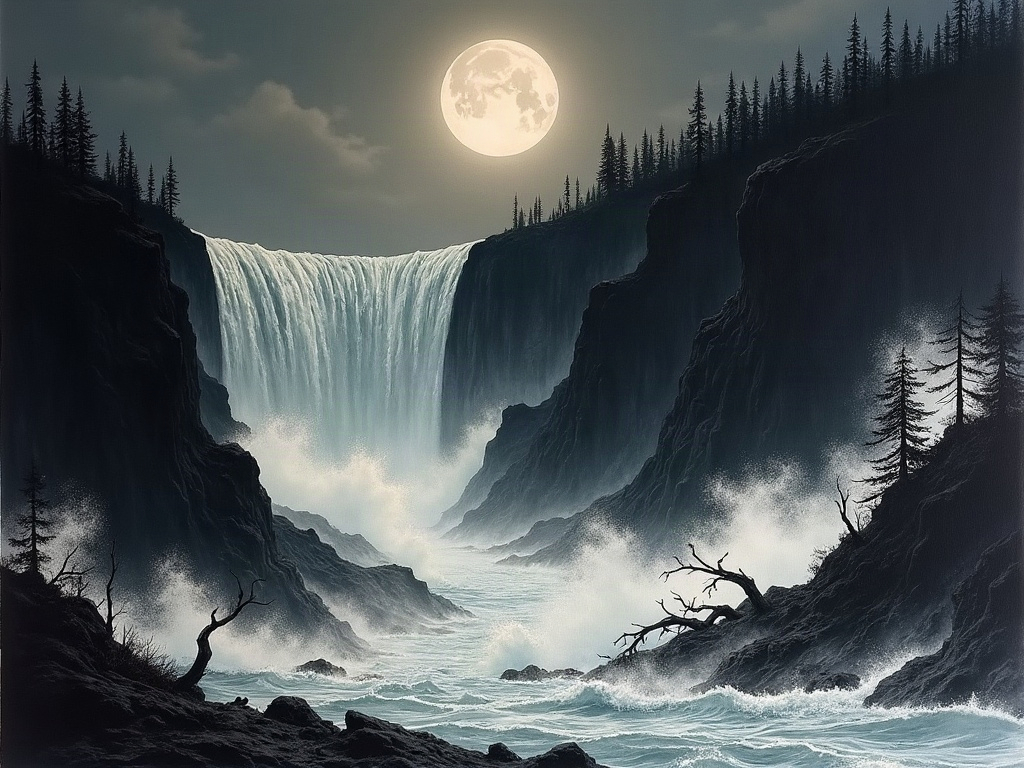
The disaster did buy something, though at an unforgivable price. Before 1928, almost anyone in California could design and build a dam with little independent oversight; Mulholland’s word alone had been enough. The St. Francis catastrophe ended that forever. California passed sweeping dam-safety legislation placing the design and inspection of every dam under mandatory state review by qualified engineers — a model that spread across the country and reshaped how the modern world holds back water.
Generations of geologists and engineers have since returned to San Francisquito Canyon to study the failure, and it became a foundational case study in the young science of engineering geology — a permanent warning that concrete is only as trustworthy as the earth beneath it.
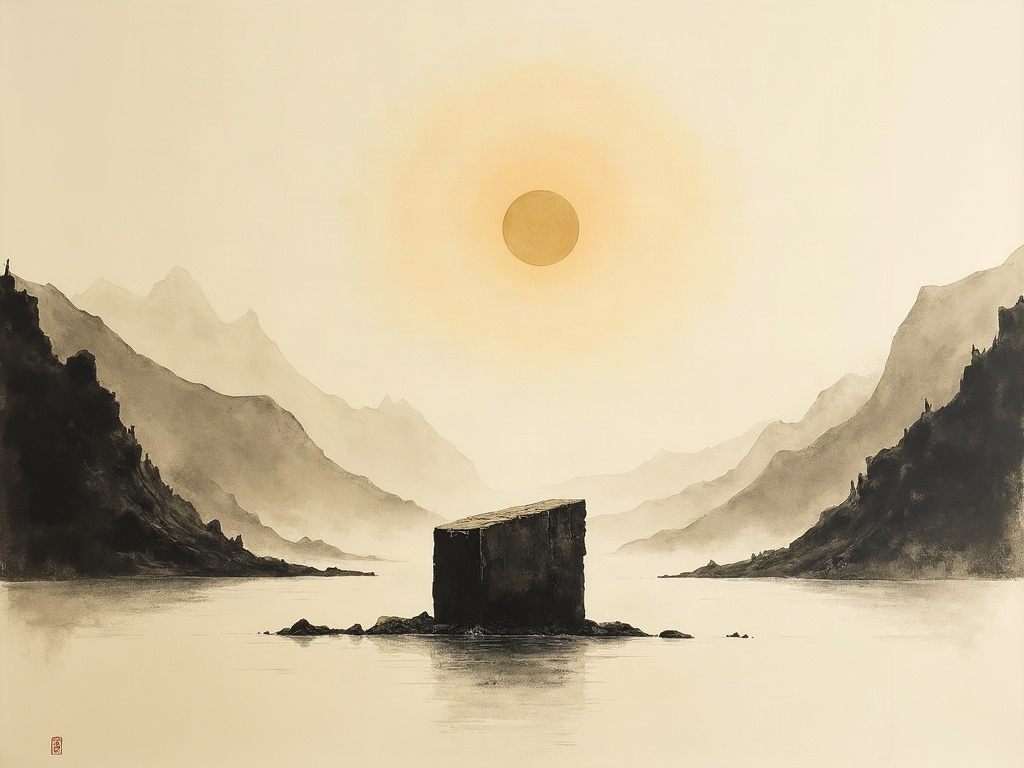
Today the canyon is quiet. A single massive fragment of the dam once stood alone in the scoured valley, nicknamed “the Tombstone,” until it was dynamited in the 1960s for fear that sightseers would climb it and fall. The reservoir was never rebuilt. There is no famous memorial, no household name attached to the tragedy the way there is to the great fires and sinkings of the same era. Most people in Los Angeles today drink water that flows, ultimately, from Mulholland’s aqueduct without ever knowing the name of the dam that failed, or the four hundred strangers who drowned in the dark so that every dam built after them would be watched a little more closely.
Sources & further reading:
- St. Francis Dam disaster | Britannica
- St. Francis Dam (California, 1928) — ASDSO Dam Failures and Lessons Learned
Related Reading
- The London Beer Flood of 1814: When a Tsunami of Porter Killed Eight People
- The Great Boston Molasses Flood: When 2.5 Million Gallons of Sticky Death Drowned a City
- The Bear River Massacre: The Deadliest Day for Native Americans That America Forgot