The Great Boston Molasses Flood: When 2.5 Million Gallons of Sticky Death Drowned a City

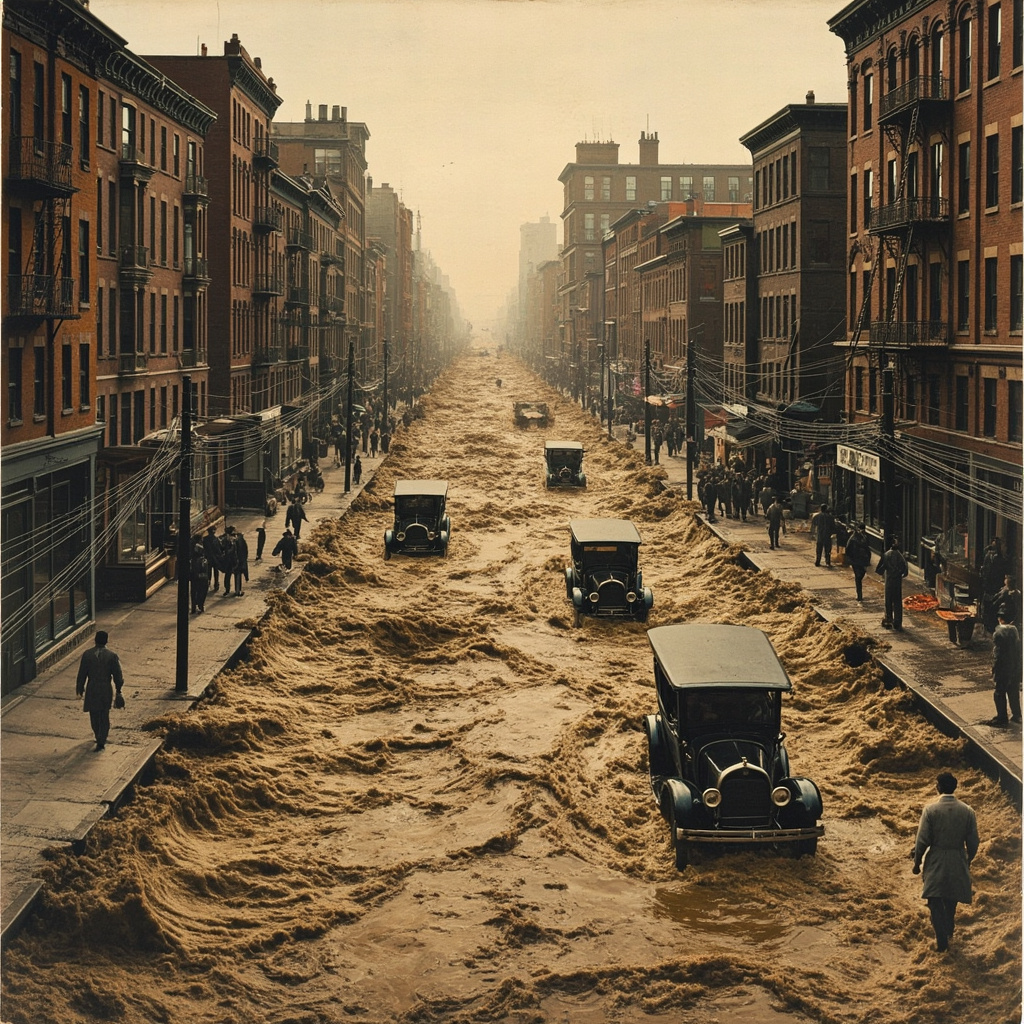
On January 15, 1919, at approximately 12:30 PM, Boston witnessed one of the most bizarre disasters in American history. A massive wave of molasses, standing 15 to 40 feet high and stretching 160 feet wide, raced through the North End at 35 miles per hour, killing 21 people and injuring 150 others. This was not the stuff of nightmares—it was the Great Boston Molasses Flood, a real catastrophe that would forever change how industrial safety was regulated.
The Doomed Tank That Started It All
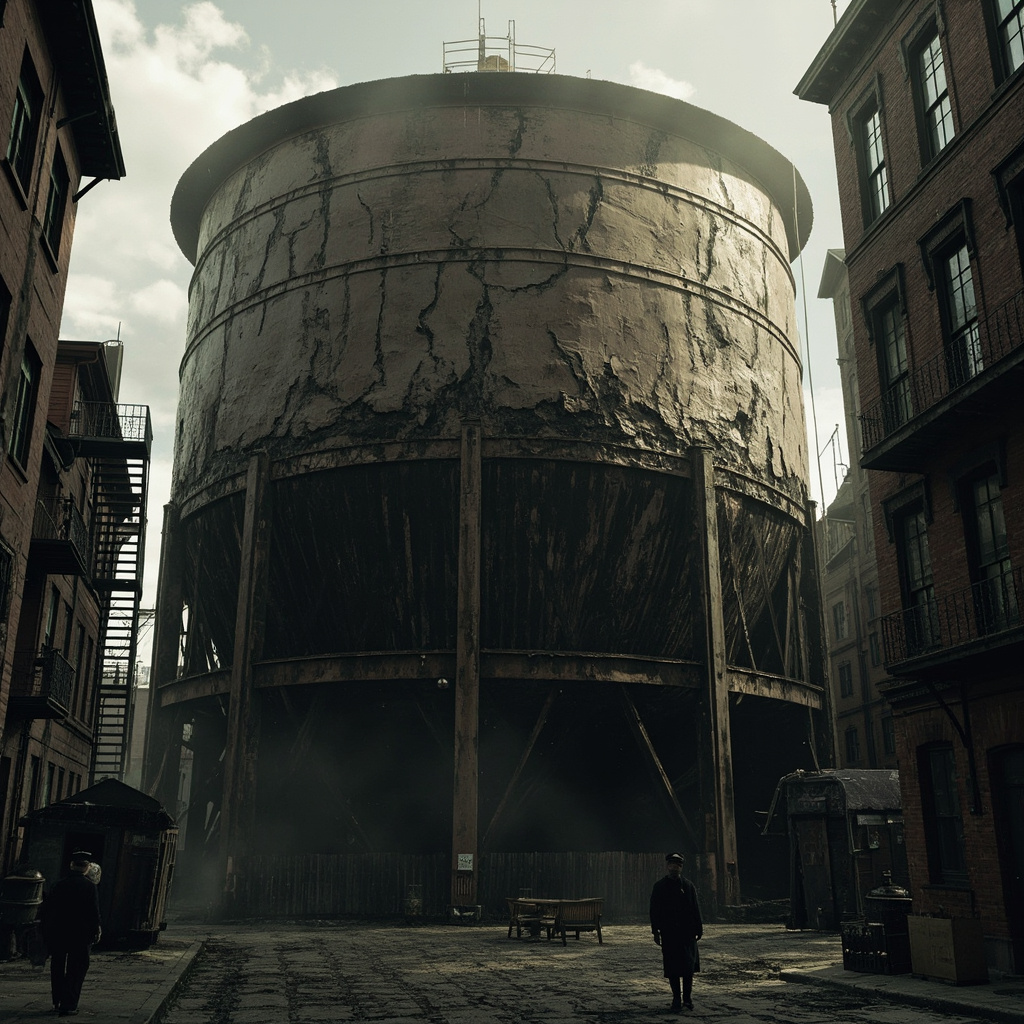
The disaster began with a storage tank that was a catastrophe waiting to happen. Built in 1915 by the United States Industrial Alcohol Company (USIA), this steel behemoth measured 50 feet tall and 90 feet in diameter—large enough to hold 2.3 million gallons of molasses. The tank was constructed hastily to meet wartime demand for industrial alcohol, which was extracted from molasses and used in munitions production.
From the beginning, the tank showed alarming signs of structural weakness. Local residents reported that it leaked constantly, leaving the surrounding area sticky with molasses residue. Children in the neighborhood would collect the leaking molasses on sticks, turning the dangerous situation into a sweet treat. The tank also made disturbing groaning and rumbling sounds, which workers dismissed as normal settling.
A Perfect Storm of Negligence
The tank’s construction was rushed and cheaply executed. The steel walls were dangerously thin—only half an inch thick in some places, when engineering standards called for much thicker walls to contain the enormous pressure of 2.5 million gallons of liquid. The rivets were poorly installed, and no proper load testing was ever conducted.
Arthur Jell, the USIA manager overseeing the tank, had no engineering background whatsoever. When concerned neighbors complained about the leaks and strange noises, Jell’s solution was to paint the tank brown to camouflage the molasses stains. No structural reinforcements were ever made.
Making matters worse, a fresh shipment of molasses had arrived just days before the disaster, filling the tank to near capacity. The molasses had been heated to help it flow, creating additional pressure against the already weakened walls.
The Day Everything Went Wrong
January 15, 1919, was unusually warm for a Boston winter, with temperatures reaching 43°F after days of bitter cold. This temperature fluctuation likely caused the molasses to expand, creating even more pressure against the tank walls. At exactly 12:30 PM, during the lunch hour when the streets were crowded with workers and pedestrians, the inevitable happened.
Witnesses described hearing a low rumble followed by a tremendous roar, like a freight train or machine gun fire. The tank’s rivets began popping like bullets, sending metal fragments flying through the air. Then, with a catastrophic failure, the entire tank burst open, releasing its contents in a devastating flood of “sweet, sticky death.”
The Wave of Destruction
The molasses didn’t flow gently—it struck with the force of a tsunami. The initial wave was estimated to be 25 to 40 feet high, carrying enough force to demolish buildings, lift freight cars off their tracks, and snap steel support girders. The sticky brown mass moved faster than most people could run, trapping victims in its path.
The flood destroyed everything in its path. Entire buildings were lifted from their foundations and carried away. A firehouse was demolished, trapping firefighters inside. Elevated railway pillars were knocked down, and dozens of horses were killed. The molasses flowed outward in all directions, covering an area of several city blocks before finally coming to rest.
The Human Toll
The casualty list was heartbreaking. Among the 21 dead were longshoremen who had been working at the docks, children playing in the streets, and residents who simply happened to be in the wrong place at the wrong time. About half of the victims literally drowned in the molasses—the thick, sticky substance made it impossible for them to swim or even move effectively.
One of the most tragic victims was 10-year-old Antonio di Stasio, who was walking home from school when the wave struck. He was found days later, having suffocated in the molasses. Another victim, George Layhe, a postal worker, was crushed when the flood demolished the building where he was working.
The Cleanup Nightmare
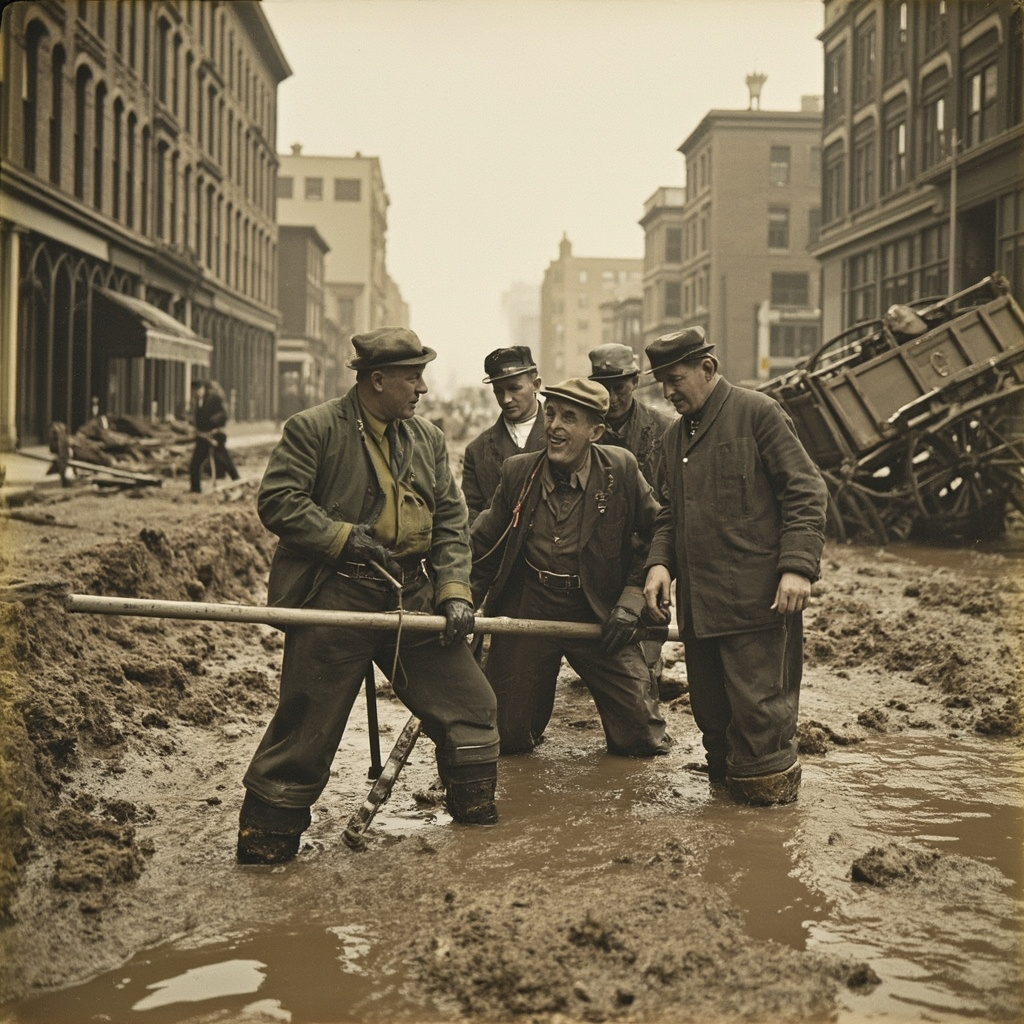
The cleanup took weeks and proved almost as challenging as the disaster itself. Molasses had coated everything—buildings, streets, people, and even Boston Harbor, where it had flowed and turned the water brown for months afterward. The substance hardened in the January cold, making removal extremely difficult.
Cleanup crews tried everything: they used hot water, sand, and even saltwater from the harbor to dissolve and scrub away the molasses. The smell lingered for months, and residents claimed they could still detect the sweet scent on hot summer days for decades afterward.
Legal Aftermath and Industrial Reform
The disaster led to one of the longest and most complex legal cases in Massachusetts history. More than 100 lawsuits were filed against USIA, with victims and their families seeking millions in damages. The legal proceedings lasted six years and included testimony from nearly 1,500 witnesses.
The company initially tried to blame the disaster on anarchists, claiming that a bomb had destroyed the tank. This theory was quickly debunked by investigators who found clear evidence of structural failure. Ultimately, USIA was found liable and ordered to pay $628,000 in damages—equivalent to over $9 million today.
More importantly, the disaster led to significant changes in building codes and engineering standards. Massachusetts became one of the first states to require that all construction plans be reviewed and approved by licensed engineers and architects. The concept of professional oversight in industrial construction became standard practice across the United States.
Legacy of the Sweet Disaster
Today, a small plaque in Boston’s North End marks the approximate location of the disaster. The area has been transformed into Puopolo Park, where families now play where once molasses flowed. Local legend claims that on hot summer days, you can still smell molasses in the area—though city officials attribute this to the chocolate and candy factories that operated in the neighborhood for decades afterward.
The Great Boston Molasses Flood remains a powerful reminder of the importance of industrial safety and proper engineering oversight. It stands as proof that even the most unlikely disasters can occur when corner-cutting and negligence replace proper safety protocols. In an era when massive industrial accidents seemed almost commonplace, the molasses flood showed that no substance—no matter how seemingly harmless—could be underestimated when stored in massive quantities.
The disaster also holds the distinction of being perhaps the only flood in history where the victims couldn’t swim to safety, forever earning its place as one of the strangest and most tragic industrial accidents in American history.