Mike the Headless Chicken: The Rooster Who Lived Eighteen Months After Losing His Head

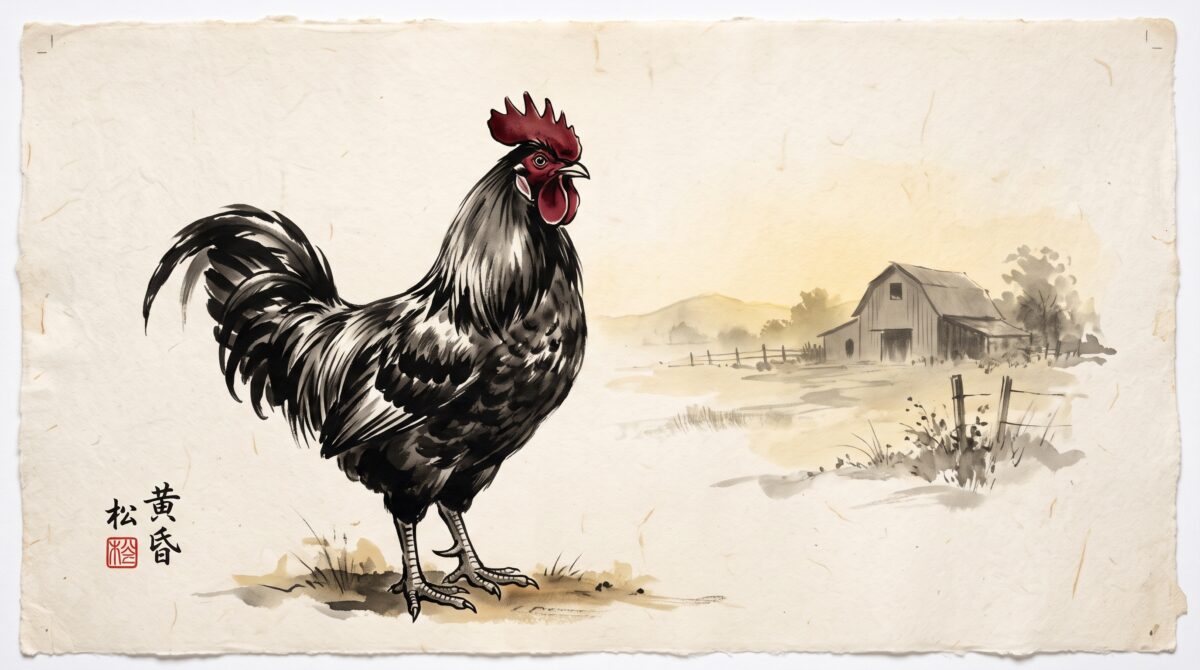
On the afternoon of September 10, 1945, Lloyd Olsen and his wife Clara were doing the ordinary, bloody work of a small Colorado farm: killing chickens for market. Lloyd swung the hatchet, Clara cleaned up behind him, and forty or fifty birds went under the blade that day. One of them — a five-and-a-half-month-old rooster chosen for the Olsens’ own supper — should have been the most forgettable of all. Instead, he got up off the chopping block without his head, shook himself, and started walking around the yard.
He would keep walking, and pecking, and crowing after a fashion, for another eighteen months. His name was Mike, and he remains, by a wide margin, the most famous headless chicken who ever lived.
The Axe That Missed
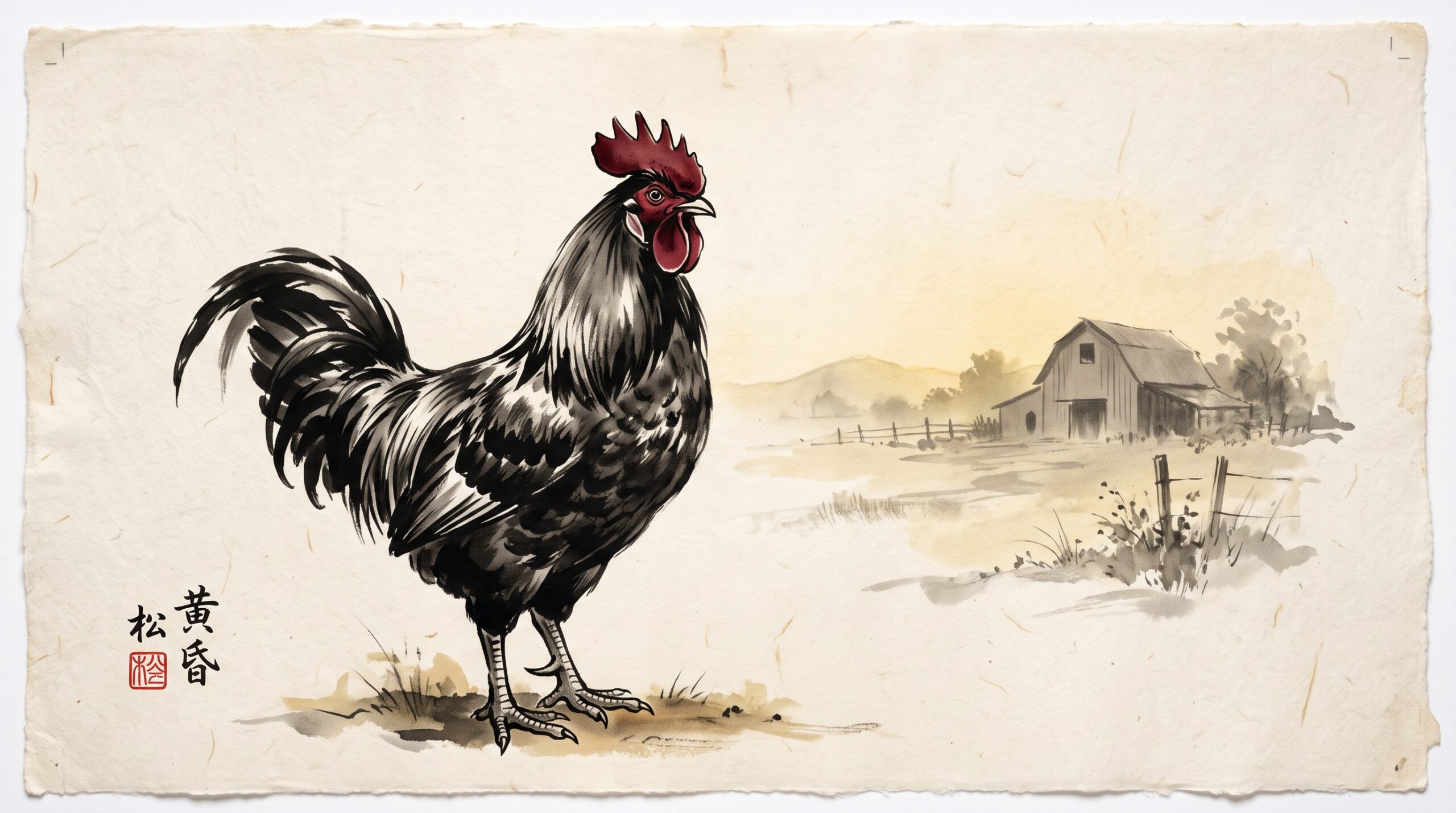
At first the Olsens assumed the bird would simply drop. Headless chickens are not, in themselves, a mystery — the old phrase “running around like a chicken with its head cut off” exists because a freshly decapitated bird will often flap and stagger for a minute or two on raw nerve reflex before collapsing. But Mike didn’t collapse. He balanced on his perch. He tried to preen with a head that was no longer there. When evening came, the baffled couple tucked him into an old apple box on the screened porch, half-expecting to find a corpse in the morning.
“The damn thing was still alive,” the Olsens’ great-grandson Troy Waters later recalled his ancestor saying. Lloyd stepped onto the porch at dawn, and there was Mike, upright and breathing in his box.
The explanation lay in exactly where the blade had fallen. Olsen’s hatchet had come down high on the neck, taking the head and the beak but riding above the jugular vein. A blood clot formed almost at once and kept the bird from bleeding to death. More importantly, the cut left most of the brainstem — and one ear — attached to the body.
Why a Headless Bird Can Live
Here is the part that turns a grisly farmyard accident into genuine biology. In a chicken, a startling amount of the machinery of life is run not by the forebrain but by the brainstem, the knot of tissue at the very top of the spine. Breathing, heart rate, and most basic reflexes are governed from there. The parts Mike lost — the beak, the face, the front of the brain — handled things like eating and seeing, but not the involuntary rhythms that keep a body ticking over.
Because the clean, high cut had spared that critical brainstem tissue, Mike’s heart kept beating and his lungs kept drawing air. He could still stand, walk clumsily toward sounds, and attempt all his old behaviors out of pure reflex: he would peck at the ground with a neck that ended in nothing, and preen feathers with a phantom beak. He even tried to crow, producing a strangled gurgle from his open windpipe. The bird had, in effect, lost the part of himself that did the thinking while keeping the part that did the living.
Keeping Mike Alive
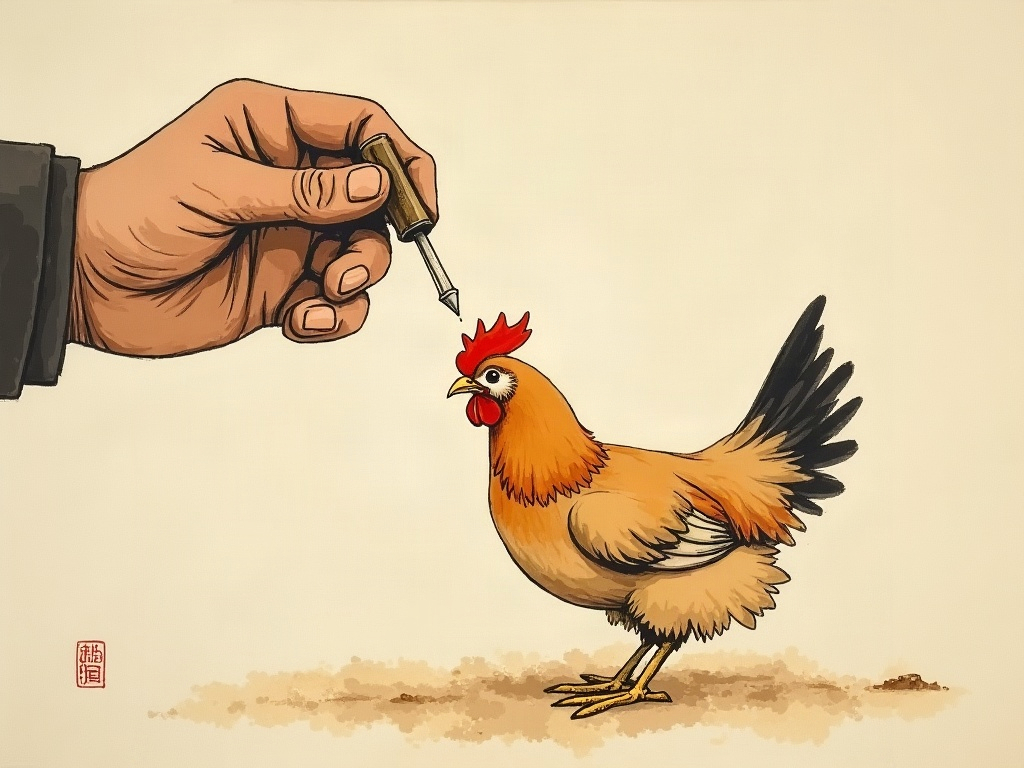
Survival still took work, and this is where Lloyd Olsen crosses from accidental executioner to improbable caretaker. Mike obviously could not eat or drink on his own, so Olsen fed him by hand — or more precisely, by eyedropper. He dribbled a mixture of milk and water, along with tiny grains of corn and the occasional small worm, directly down the exposed esophagus. He used a syringe to clear mucus that kept collecting in Mike’s open airway, so the bird would not choke or suffocate.
Against every expectation, Mike thrived on this regimen. He put on weight steadily, swelling from around two and a half pounds at the time of his beheading to nearly eight. The commitment it took to keep a headless animal fed, watered, and breathing around the clock speaks to a stubborn tenderness — the same quiet human persistence found in survival stories like that of Paul Alexander, the man who lived most of his life inside an iron lung.
Miracle Mike Hits the Road
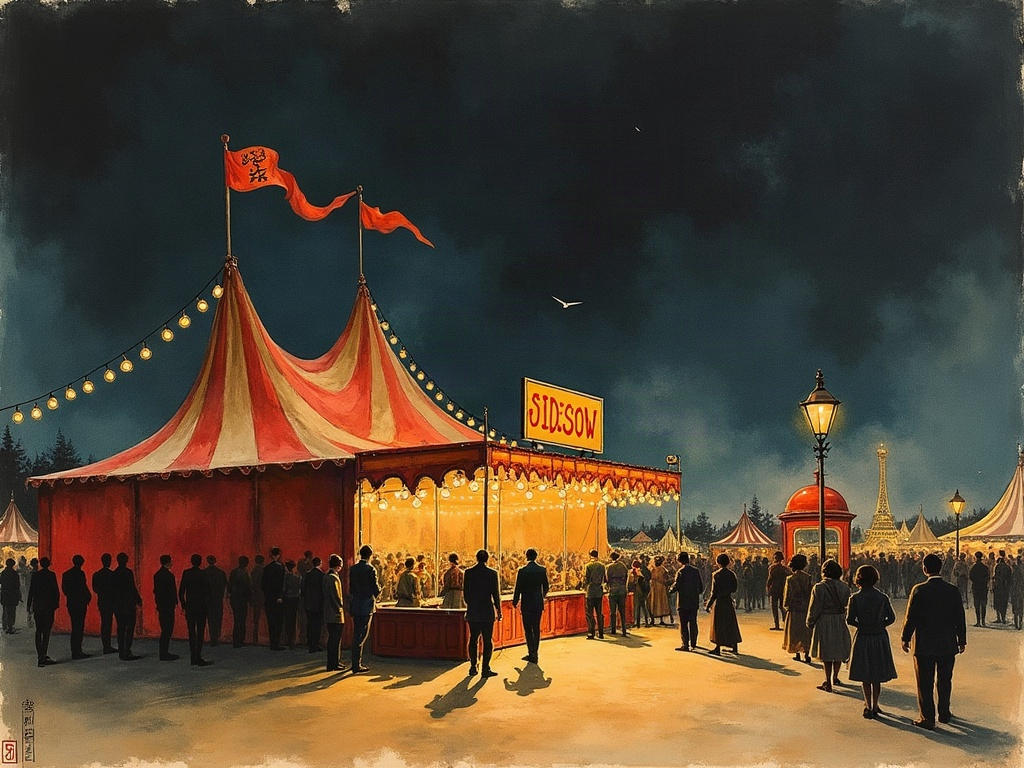
Word of the headless marvel spread quickly through Fruita. Olsen took to carrying the bird into town in his wagon, wagering skeptics a beer that he owned a live headless chicken — and collecting every time. The local paper sent a reporter, and within a couple of weeks a sideshow promoter named Hope Wade had driven nearly 300 miles from Salt Lake City with a proposition. The Olsens, running a small farm and short on money in the lean years just after the war, decided they might as well. “What the hell,” Lloyd reportedly said. “We might as well.”
First stop was the University of Utah, where scientists examined the bird and confirmed the mechanics of his survival; rumor has it they decapitated a number of other chickens trying, and failing, to reproduce the feat. Then came the national press. Life magazine ran a feature on “Miracle Mike,” and the Olsens set off on a genuine tour — California, Arizona, and, with Hope Wade carrying him through the southeast when the harvest called the family home, much of the rest of the country. For a reported twenty-five cents, curiosity-seekers filed past to gawk at the chicken that logic said could not exist. At the height of his fame Mike was said to be earning his owners thousands of dollars a month and was valued at around ten thousand dollars — a small fortune in 1946.
He was, of course, not without his critics. Clara kept a scrapbook of letters from around the country; while many marveled, some were hostile, with at least one writer comparing the Olsens to Nazis for keeping the animal alive as a spectacle.
The Night the Luck Ran Out
Mike’s end, in March 1947, was quiet and almost absurdly ordinary. The Olsens were on the road, stopped overnight at a motel in the desert — the accounts place it in Arizona, around Phoenix — when Mike began to choke in the small hours of the night. His airway had clogged with mucus, as it so often did, and this time the family could not clear it in time. The syringe they normally used to keep his throat open had been left behind at the previous show. Mike suffocated in the dark, eighteen months after the afternoon he was supposed to have died.
For years afterward Lloyd Olsen reportedly told a gentler version, insisting the bird had simply been sold on, perhaps a little embarrassed to admit the headless wonder he had so carefully nursed had choked on his watch. But the family’s account settled on the truth: the most resilient chicken in history was finally undone not by the axe, but by a missing syringe.
Why It Still Matters
It would be easy to file Mike away as a tasteless carnival curiosity, and he was certainly that. But he was also something stranger and more instructive: a living demonstration of how much of an animal’s existence runs below the level of the brain we think of as “the mind.” Mike could not see, think, or know anything at all, and yet his body carried on its ancient routines for a year and a half — a vivid lesson in biology that no textbook diagram could match.
He endures, too, because his story sits in that beloved corner of history where the facts are so improbable they feel invented — the same territory as Roy Sullivan, the park ranger who survived being struck by lightning seven separate times, or Tarrare, the man whose body defied every limit of appetite. The town of Fruita understood this. Every May it still throws a “Mike the Headless Chicken Day,” complete with races and live music, in honor of its most unlikely celebrity.
What lingers is not the gore but the oddly touching partnership at the center of it: a farmer who meant to kill a chicken for supper and instead spent a year and a half feeding it by eyedropper, carrying it across the country, and making it immortal. Mike never knew any of it happened. But Lloyd Olsen did — and sometimes the measure of a strange life is simply how many people it leaves shaking their heads in wonder, long after it’s over.
Sources & further reading:
- The chicken that lived for 18 months without a head — BBC News
- Mike the Headless Chicken — Wikipedia
More from the archive
- The Collar Bomb Heist: The Pizza Deliveryman With a Bomb Locked to His Neck
- The Human Lightning Rod: Roy Sullivan and the Seven Strikes He Somehow Survived
- The Man Who Survived a Metal Rod Through His Brain: How Phineas Gage Changed Neuroscience Forever