The Collar Bomb Heist: The Pizza Deliveryman With a Bomb Locked to His Neck

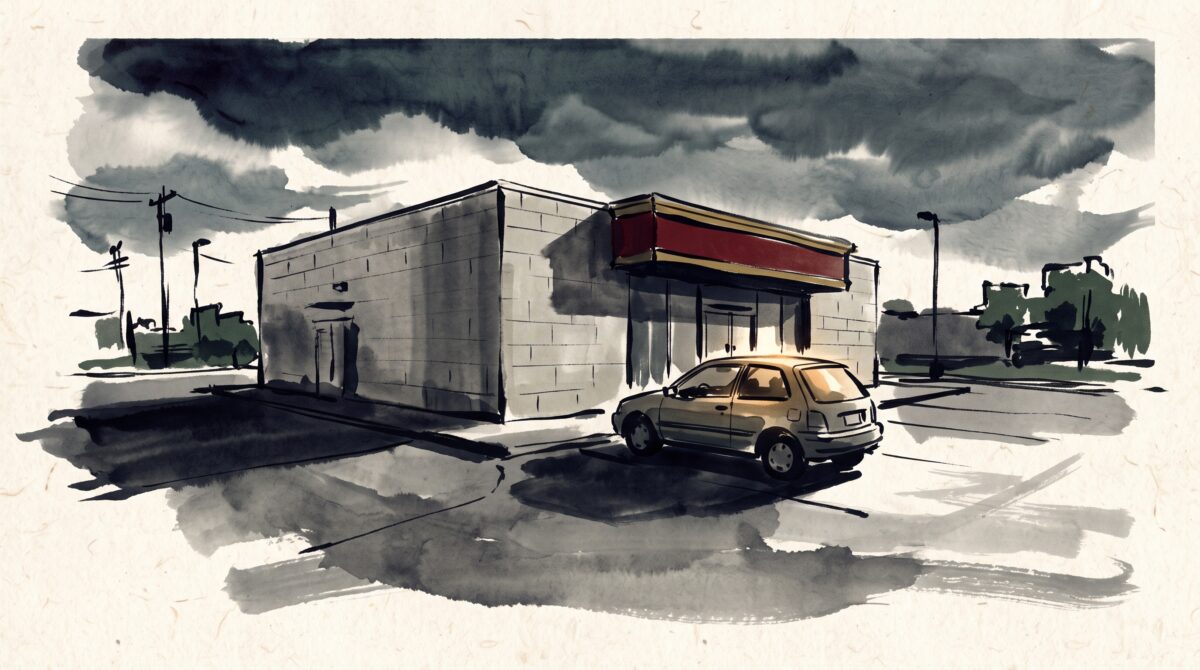
A little after two o’clock on the afternoon of August 28, 2003, a stocky, balding man in a white T-shirt walked into a PNC Bank branch on the outskirts of Erie, Pennsylvania. He handed the teller a note demanding $250,000, lifted his shirt to show a strange, heavy metal collar locked around his neck, and said it was a bomb. He carried what looked like a walking cane; it was, in fact, a homemade shotgun. The man was Brian Douglas Wells, forty-six years old, a quiet pizza deliveryman who had been on an ordinary shift an hour earlier. By the end of the afternoon he would be dead on the pavement, and investigators would be staring at one of the most baffling and disturbing crimes in American history.
An Ordinary Delivery
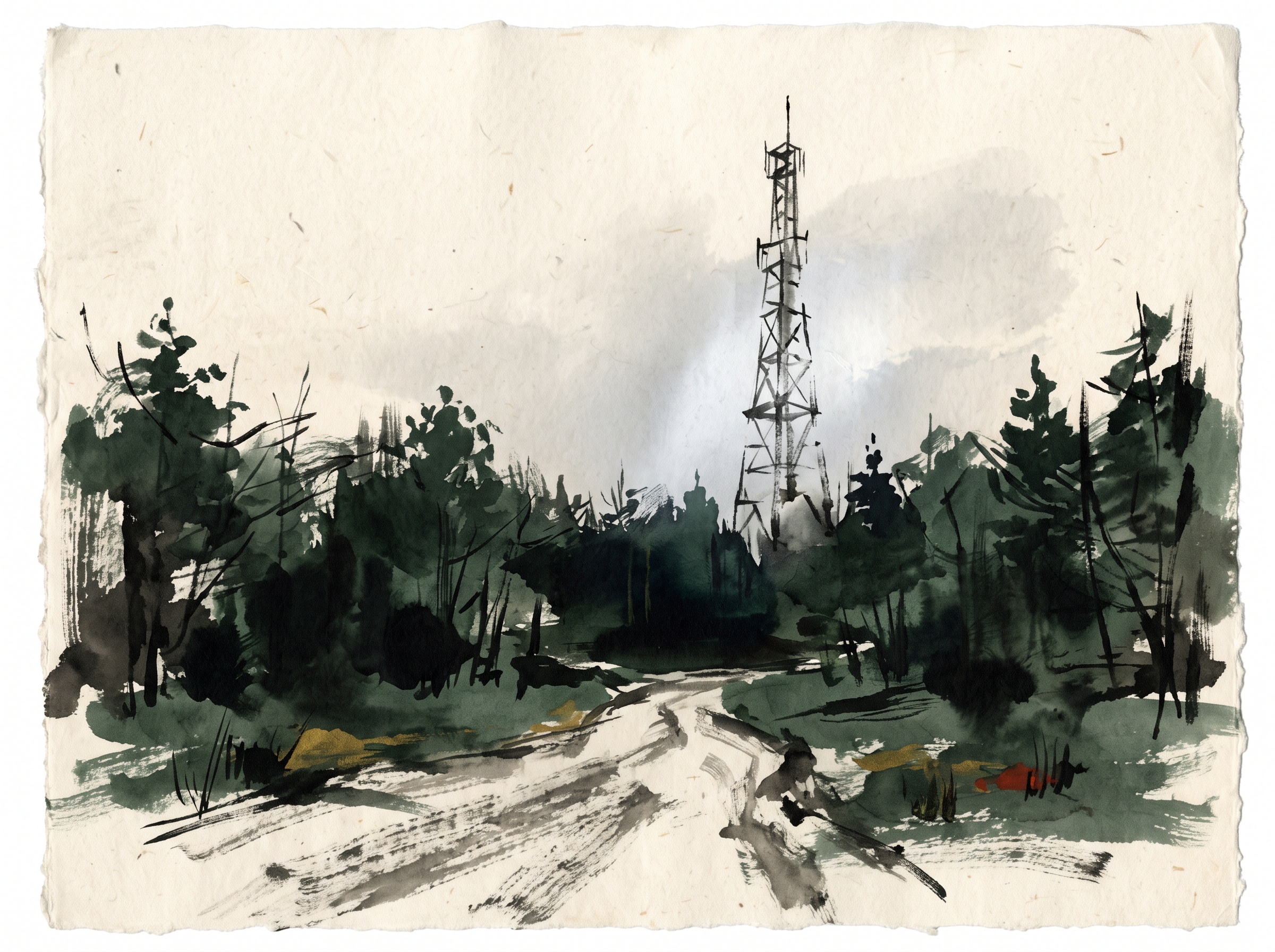
Wells drove for Mama Mia’s Pizza-Ria, and that day a call came in for two small sausage-and-pepperoni pizzas. The delivery address was unusual — the end of a dirt road on the edge of town, in a clearing beneath a television transmission tower. It was the last delivery anyone would see him make under his own free will.
What exactly happened at the end of that road is the dark, contested heart of the whole case. What is certain is that Wells left it with a bomb clamped around his neck, a loaded cane-gun in his hands, and a sheaf of handwritten notes stuffed in his car. Somewhere in that quiet clearing, a plan that had been built in cold, careful detail closed around him.
The Cruel Scavenger Hunt
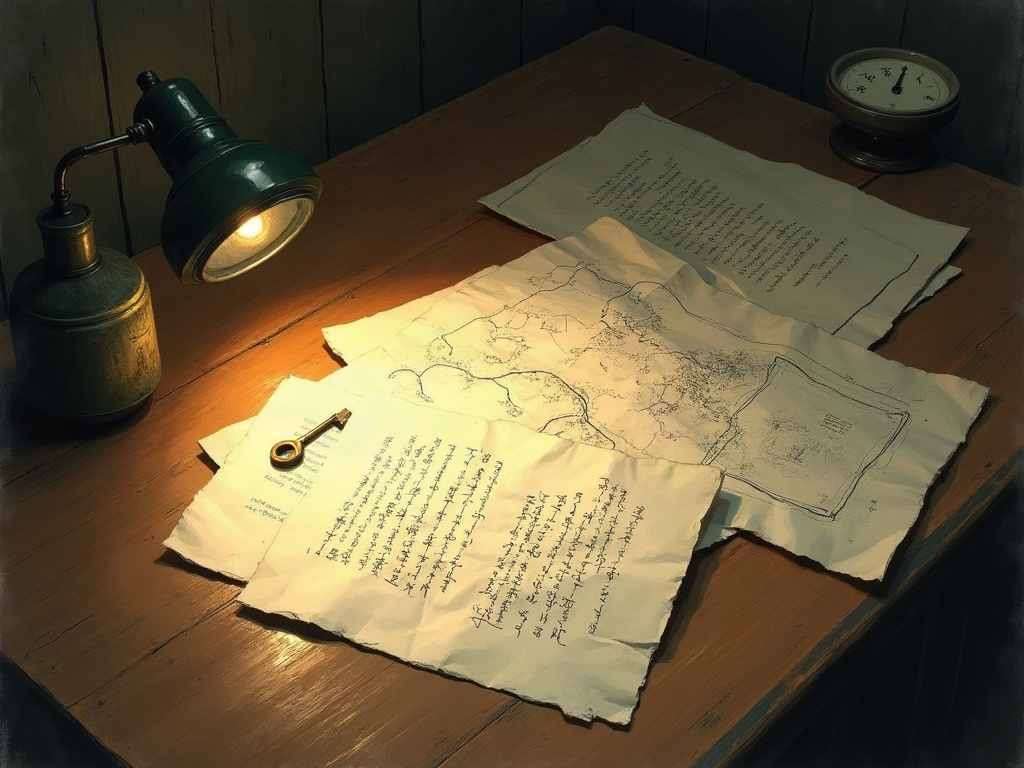
The notes were the strangest part of all. They did not simply order him to rob the bank. They laid out a timed scavenger hunt — a sequence of tasks and clues scattered across the Erie area. Rob the bank, the first note said. Then drive to a specified spot and retrieve the next set of instructions. Each stage supposedly brought him closer to the keys and combinations that would unlock the collar before a timer ran out. He had less than an hour. The notes warned him, in grim detail, that any attempt to call the police or flee would be fatal, and that he was being watched.
So he did as he was told. He robbed the bank — and left not with a quarter of a million dollars but with about $8,700, all the teller could quickly hand over. He walked calmly out to his car and began driving toward the first clue, exactly as the puzzle demanded.
The Twenty Minutes That Were Filmed
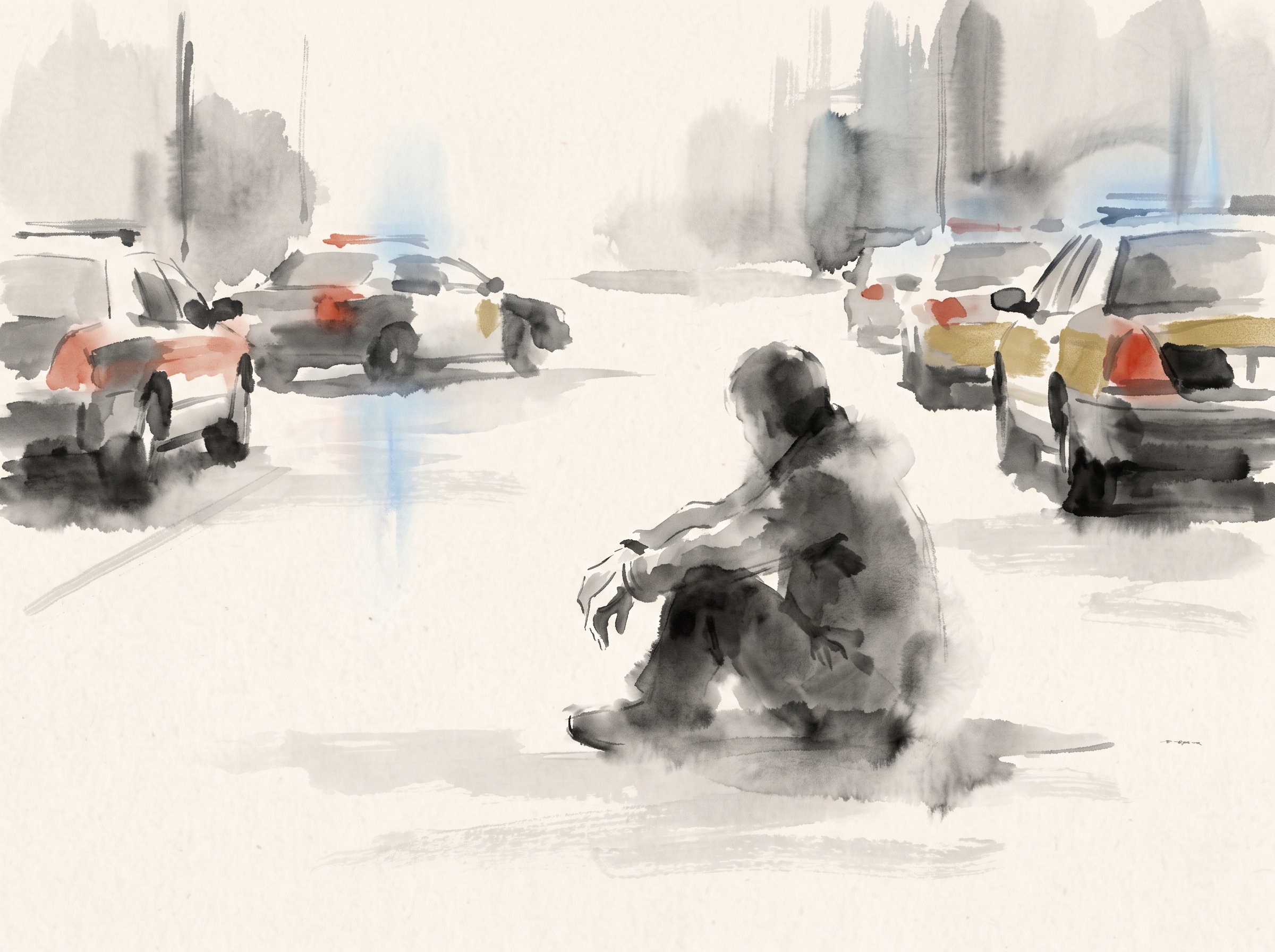
He never got the chance to finish it. Pennsylvania State Police, already alerted, pulled him over in a parking lot not far from the bank. They handcuffed him and sat him down on the asphalt behind his car. And there, surrounded by officers who dared not come close, Brian Wells told them the truth as he understood it: there was a bomb locked to his body, someone had forced him to do this, and it was going to go off.
He pleaded with them. He said a key had been taken and a timer started. Television news crews, drawn by the robbery, were already rolling. Officers called for the bomb squad, but Erie’s bomb technicians were coming from across the city and could not arrive in time. At 3:18 p.m., as Wells sat handcuffed on the ground with cameras recording, the device around his neck detonated. He was killed almost instantly. The footage, broadcast and replayed, seared the case into the national memory before anyone understood what it even was.
The Body in the Freezer
The investigation that followed, which the FBI eventually ran as a years-long major case, turned up a cast of characters stranger than any fiction. Just weeks after Wells died, a man named William Rothstein — a handyman and former teacher who lived near that very dirt road — called police with a bizarre confession. There was a dead body, he said, in a freezer in his garage. It belonged to a man named James Roden, and Rothstein insisted he had only helped hide it.
Roden had been killed by Rothstein’s on-and-off fiancee, Marjorie Diehl-Armstrong, a brilliant, mentally ill woman with a history of violence toward the men in her life. Slowly, agents pieced together that the frozen body and the collar bomb were not separate crimes but branches of the same twisted tree. Diehl-Armstrong, investigators concluded, had masterminded the bank robbery for a chillingly practical reason: she wanted the money to pay a hit man to kill her own father, so she could protect her inheritance before he spent it. Rothstein, with his technical skill, was tied to the construction of the elaborate device. A fisherman and small-time crook named Kenneth Barnes, and others on the fringes, filled out the conspiracy.
Victim, or Conspirator?
The question that has never been cleanly answered is where Brian Wells himself fit. His family and many who knew him insisted he was a pure hostage — an innocent man snatched on a delivery, strapped into a death machine, and sent to his doom. But the FBI ultimately concluded something far more unsettling: that Wells had been drawn into the planning of the robbery beforehand, told he would wear a fake bomb as a prop, and then double-crossed by conspirators who locked a real, live device onto him. In that reading he walked into the clearing a willing, if foolish, participant — and realized far too late that the people he was working with had decided he was expendable.
Both versions are horrifying. Both leave a man dead on the pavement for a plot that was never his to control. The documentary evidence supports pieces of each, and reasonable people who have studied the case still disagree. It is the kind of unresolved darkness that keeps a crime alive in the public imagination, the same way the identity of the Somerton Man kept a nameless body on an Australian beach famous for seventy years, or the way the killings at the Hinterkaifeck farm have never stopped drawing people back to a crime with no tidy ending.
Justice, of a Kind
William Rothstein died of cancer in 2004, before he could be charged in the bombing. Kenneth Barnes pleaded guilty and cooperated. Marjorie Diehl-Armstrong was convicted in 2010 of armed robbery, conspiracy, and using a destructive device, and sentenced to life in prison, where she died in 2017, still proclaiming her innocence to anyone who would listen. The case was dramatized for a wider audience in the 2018 Netflix documentary Evil Genius, which introduced a new generation to the pizza bomber and reopened the old argument about Wells all over again.

What lingers about the collar bomb heist is not the money, which was almost nothing, or even the gruesome spectacle, but the sheer, calculated cruelty of the design. Someone sat down and built a machine of notes and locks and explosives whose entire purpose was to turn a human being into a disposable tool — to make a man rob a bank at the price of his own life, and to film his terror while they did it. Brian Wells drove out to deliver two pizzas on an ordinary Thursday. Whatever he did or did not know when he got there, he never came home, and more than twenty years later we are still not entirely sure who he was when he walked into that bank — a victim, a fool, or something tragically in between.
Sources & further reading:
Related Reading
- The Poison Squad: The Government Clerks Who Ate Poison for Breakfast to Make Food Safe
- Witold Pilecki: The Man Who Volunteered for Auschwitz to Tell the World