The Poison Squad: The Government Clerks Who Ate Poison for Breakfast to Make Food Safe

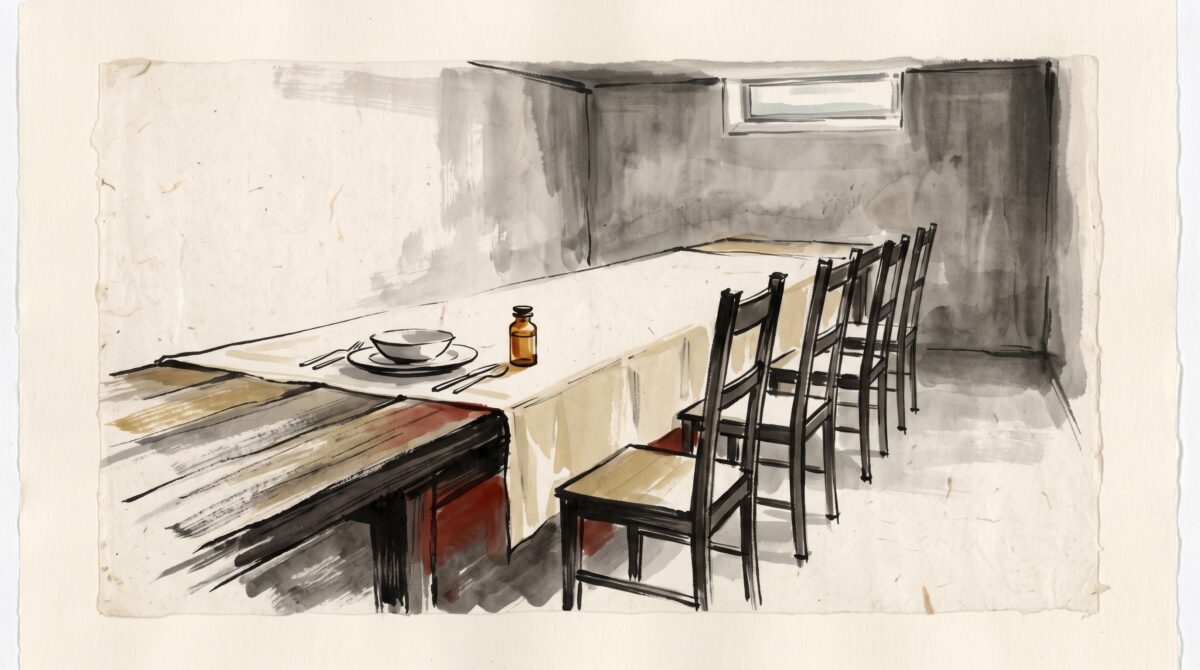
In the winter of 1902, in the basement of a government building in Washington, D.C., a dozen healthy young men sat down to dinner at a crisp white table. The food was good. The cooking was careful. And hidden in every meal was a measured dose of something that might slowly make them sick: borax one month, salicylic acid the next, and later formaldehyde — the chemical used to preserve the dead. The men knew it was there. That was the point. They had volunteered to be poisoned, a little at a time, so that the rest of the country could one day eat without fear.
The newspapers gave them a name that stuck for more than a century: the Poison Squad. What sounds like a grim joke was in fact one of the strangest and most consequential experiments in the history of American public health.
A Chemist and a Country Full of Secrets
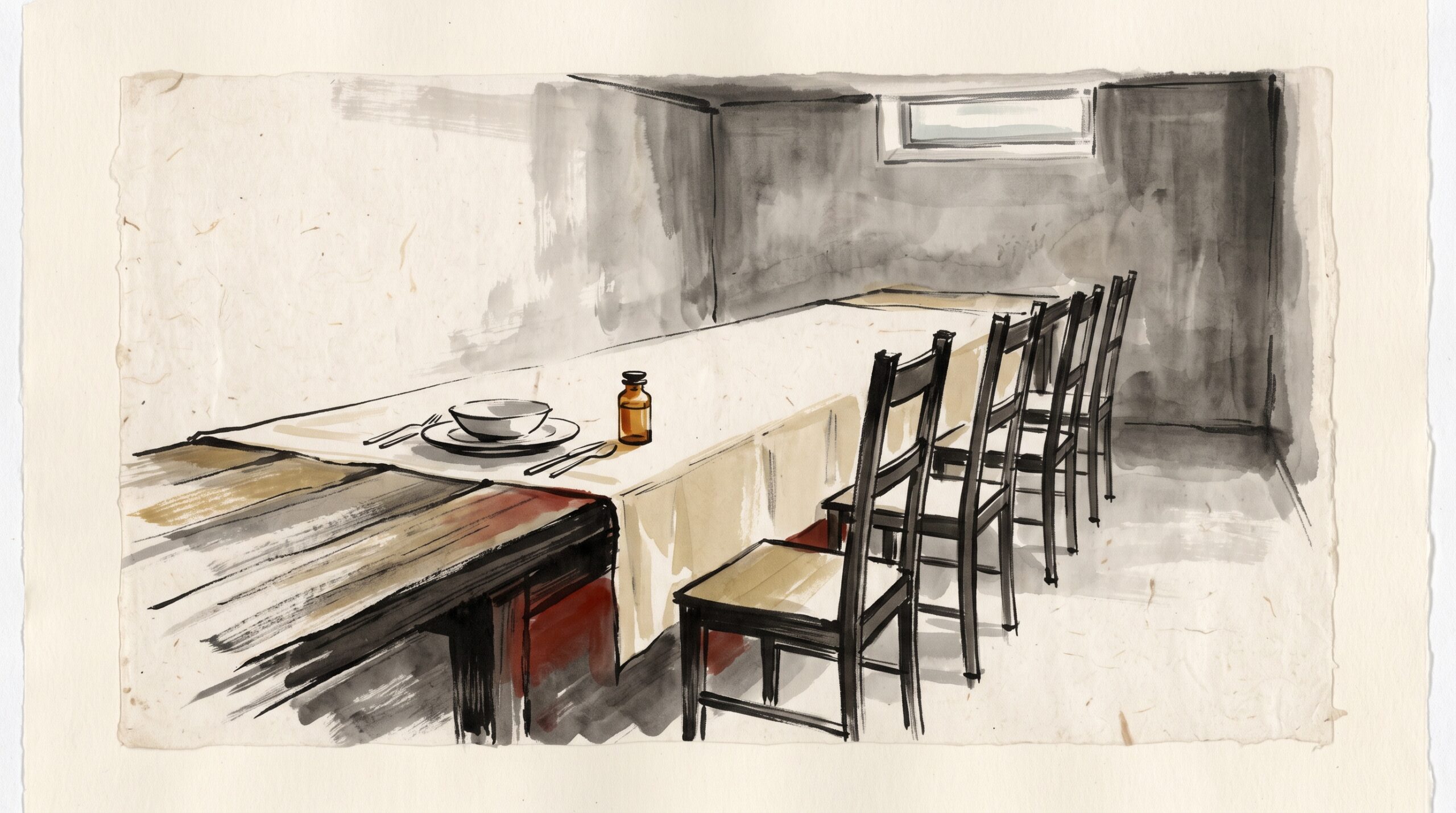
The man behind the table was Harvey Washington Wiley, chief chemist of the U.S. Department of Agriculture’s Bureau of Chemistry. By the turn of the century, Wiley had spent years quietly horrified by what was going into the American food supply. There were almost no rules. Manufacturers could put nearly anything into a jar, a bottle, or a tin and sell it without saying so.
Milk was watered down and whitened with chalk. Honey was often little more than corn syrup. Coffee could be padded out with ground, roasted anything. And to keep food from spoiling on long train journeys and in warm shops, producers laced it with industrial preservatives — borax in the butter and the meat, formaldehyde in the milk, salicylic and sulfurous acids in the canned goods. No label had to admit it, and no one knew what a steady diet of these chemicals was doing to the people who ate them.
Wiley was convinced it was doing harm. The trouble was proving it. Chemistry could tell him what was in the food, but not what it did to a human being over months of dinners. So he decided to find out the only way he thought would be beyond argument: he would feed the chemicals to volunteers and watch, carefully, as they got sick.
“Only the Brave Dare Eat the Fare”
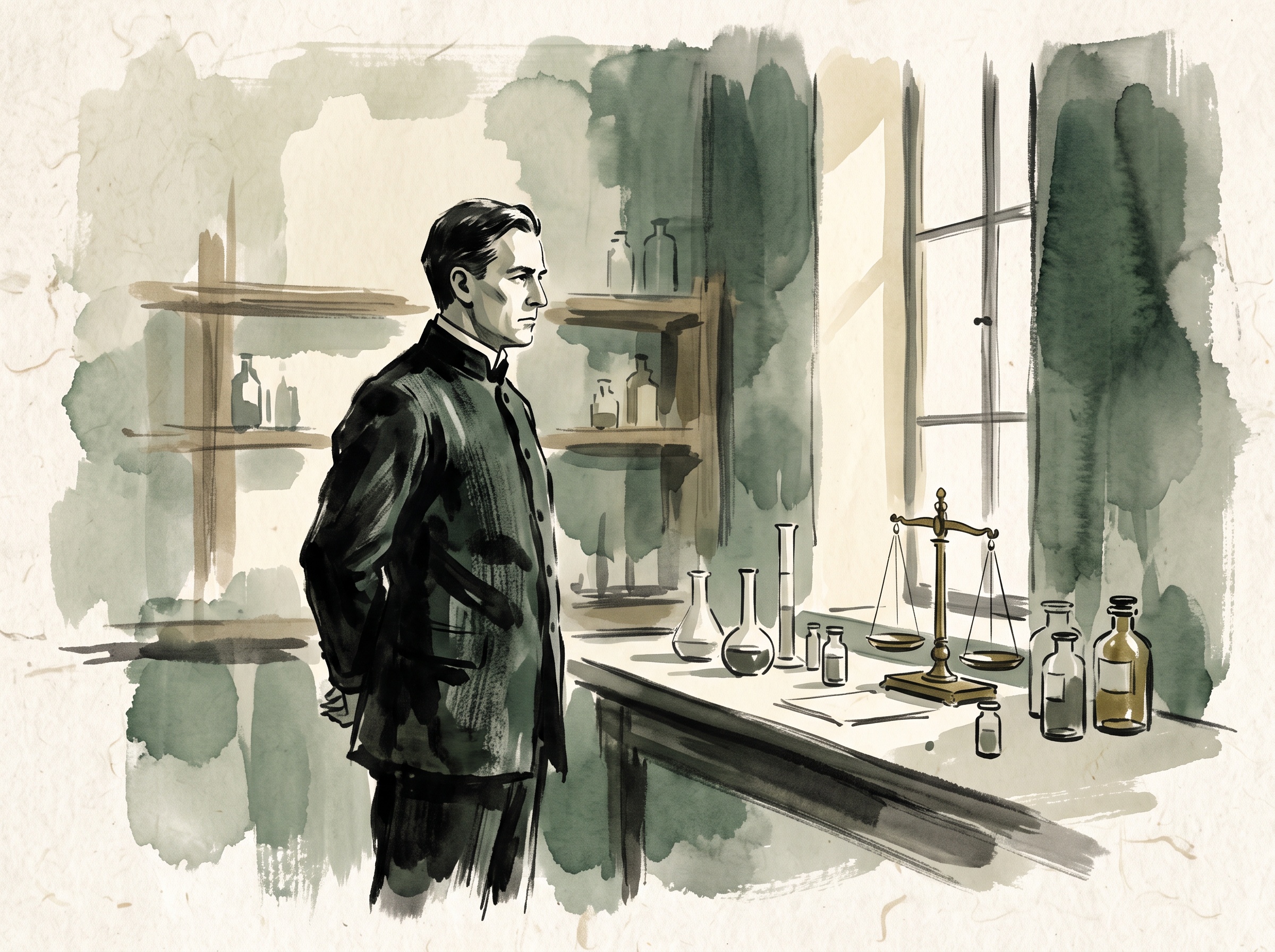
Wiley recruited young, robust men, many of them clerks and civil servants working in the government buildings nearby. They signed waivers releasing the government from any responsibility if the experiment harmed them, and they agreed to a strict bargain: for the duration of the trials, they would eat only the food prepared in the Bureau’s basement kitchen. Three meals a day, every day, all of it dosed.
The rules were exacting. The men came to the table in respectable dress. Every portion was weighed before it was served. Their temperature, pulse, and weight were recorded. And in the name of science, everything that came out of them — every drop and every scrap — was collected and shipped to the laboratory to be analyzed for how much of each chemical their bodies had absorbed and how much they had managed to expel. It was an all-encompassing, faintly absurd, and genuinely rigorous study of the human body as a chemical ledger.
The volunteers took it with dark good humor. A sign over their dining room is said to have read, in effect, that only the brave dared eat the fare. The experiment began, sensibly enough, with borax.
When Dinner Starts Fighting Back
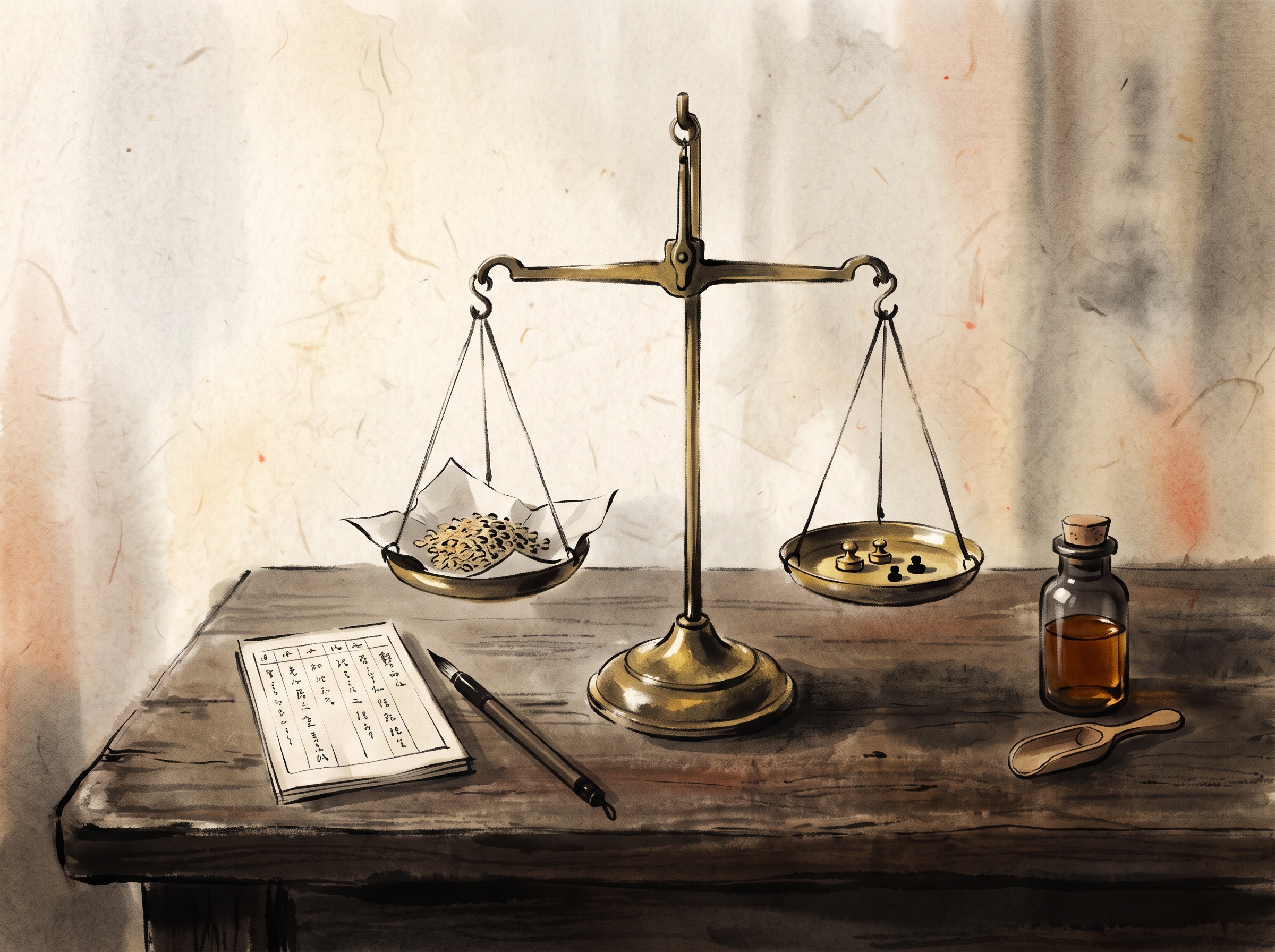
At first the small doses seemed to do little. So Wiley increased them. In time the men began to suffer — loss of appetite so complete that they could not bear the sight of the dosed food, headaches, stomach pain, and a general sense of being unwell that lingered. The borax trials in particular left volunteers nauseated and miserable, and later rounds with other preservatives produced their own distinctive kinds of harm. Some men dropped out. Others, remarkably, stuck it out through round after round, year after year, as Wiley worked his way through the chemical cabinet of the American grocery shelf.
What he was building, meal by unpleasant meal, was evidence — the kind a politician could not easily wave away. He was not the first reformer to run straight into an industry that profited from the status quo. Decades earlier, a Hungarian doctor had proved that unwashed hands were killing mothers and been ruined for saying so, as we told in the story of Ignaz Semmelweis and the discovery of clean hands. Wiley was determined not to be dismissed. He wanted numbers, witnesses, and a public that was paying attention.
The Nation Reads About Dinner
He got all three. Word of the strange experiment leaked out, and the press pounced. Reporters dubbed the volunteers the “Poison Squad,” and the public was captivated by the spectacle of young men cheerfully eating their way through government poison. There were newspaper columns, cartoons, even a popular song that joked about the men who might get over it but would never look the same.
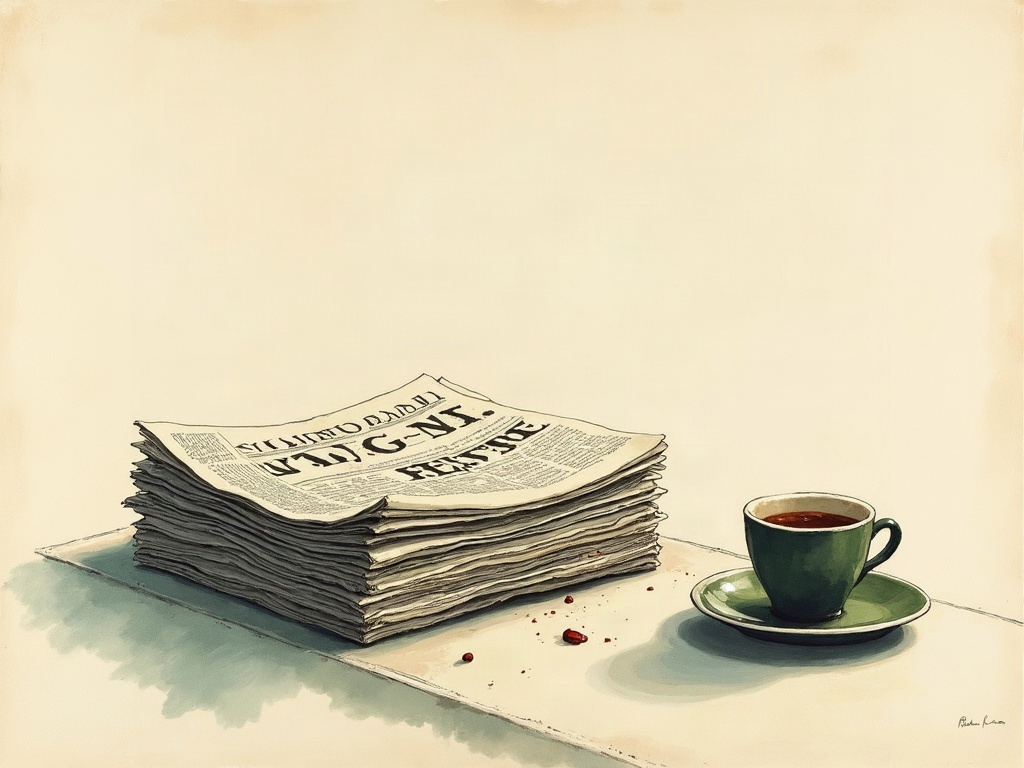
The publicity did exactly what cold data alone never could. It turned an obscure chemistry program into a national conversation about what, precisely, people were being fed. Housewives, grocers, and lawmakers alike began asking the question Wiley had been shouting for years: if the government had to test these chemicals on brave volunteers to learn whether they were safe, what right did anyone have to slip them, unlabeled, into the family dinner?
The Law They Ate Into Existence
The timing was potent. Wiley’s crusade collided with a wave of public disgust at industrial food, sharpened in 1906 when Upton Sinclair’s novel The Jungle exposed the filth of the meatpacking industry in sickening detail. Public outrage, Wiley’s years of evidence, and the determination of President Theodore Roosevelt converged. That same year, Congress passed the Pure Food and Drug Act and the Meat Inspection Act.
For the first time, it became illegal to sell adulterated or misbranded food and drugs across state lines. Manufacturers could no longer hide poisons and fillers behind a silent label. The Bureau of Chemistry that Wiley led was handed the job of enforcing the new rules — and in time that agency would grow into the Food and Drug Administration, one of the most powerful consumer-protection bodies in the world. Wiley became known as the father of the law, the crusading chemist whose basement dinners had helped feed a revolution in public safety.
The impulse to regulate a danger only after it has already hurt people runs all through this era. It took a reeking public-health catastrophe to force London to build modern sewers, as we described in the story of the Great Stink of 1858, and it took years of agony before the world reckoned with industrial chemicals like the ones championed by Thomas Midgley Jr., the inventor who poisoned the sky. Wiley’s achievement was to get ahead of some of that harm, on purpose, with a dinner table and a dozen willing stomachs.
The Uncomfortable Aftertaste
It would be neat to end there, with the hero vindicated and the law passed. The truth is more complicated, and more human. By the standards of modern medical ethics, the Poison Squad trials are deeply troubling. The men gave a kind of consent, but no one could truly have explained the risks they were taking, because that was exactly what the experiment was trying to discover. Deliberately feeding people poison to see what it does is not research anyone would approve today — and the long, slow development of real safeguards for human subjects, like the gradual dawn of radiation safety in an age that treated X-rays as a toy, came only later and at real cost.
Wiley himself was not infallible; some of his conclusions were later disputed, and his war against certain preservatives was fought as much with conviction as with perfect science. Yet the central thing he proved is beyond dispute. People have a right to know what is in their food, and no company should be free to hide a poison in a product and sell it as wholesome.
We remember the Poison Squad because of the oddness of the image — grown men in dress clothes gamely eating formaldehyde for the public good. But the reason the story matters is simpler than that. The next time you turn a package over and read, without a second thought, exactly what is inside it, you are reading a right that a dozen young clerks helped win, one queasy dinner at a time.
Sources & further reading:
Related Reading
- Tarrare: The Soldier Who Could Not Stop Eating
- The Collar Bomb Heist: The Pizza Deliveryman With a Bomb Locked to His Neck