The Doctor Who Discovered Clean Hands and Was Destroyed for It: Ignaz Semmelweis

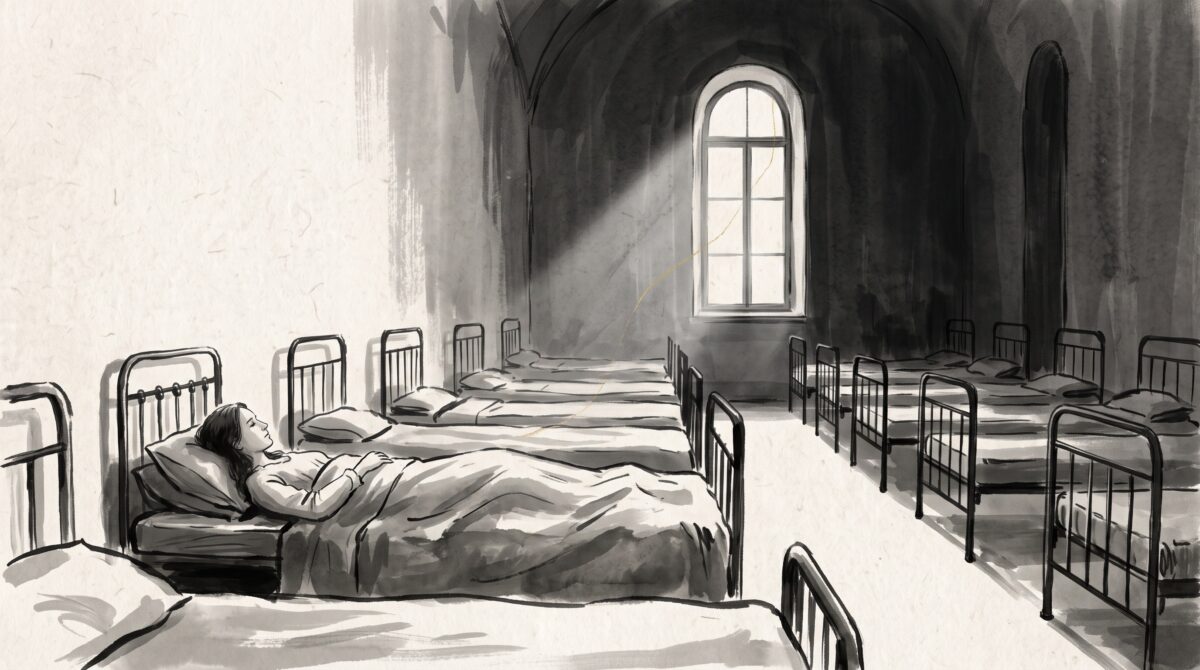
In the great maternity clinic of the Vienna General Hospital, in the middle of the nineteenth century, there was a ward where mothers went to die. Everyone knew it. Pregnant women arriving in labour would fall to their knees and beg to be sent to the other clinic instead, and some, turned away, chose to give birth in the open street rather than be carried through its doors. They were not being superstitious. In that ward, run by doctors and their students, roughly one mother in six left not with a child in her arms but on a mortuary slab. The killer had a name – childbed fever – but no one knew what it was, where it came from, or how to stop it. No one, that is, until a stubborn young Hungarian doctor decided he could not live with the not knowing.
Two wards, one terrible difference
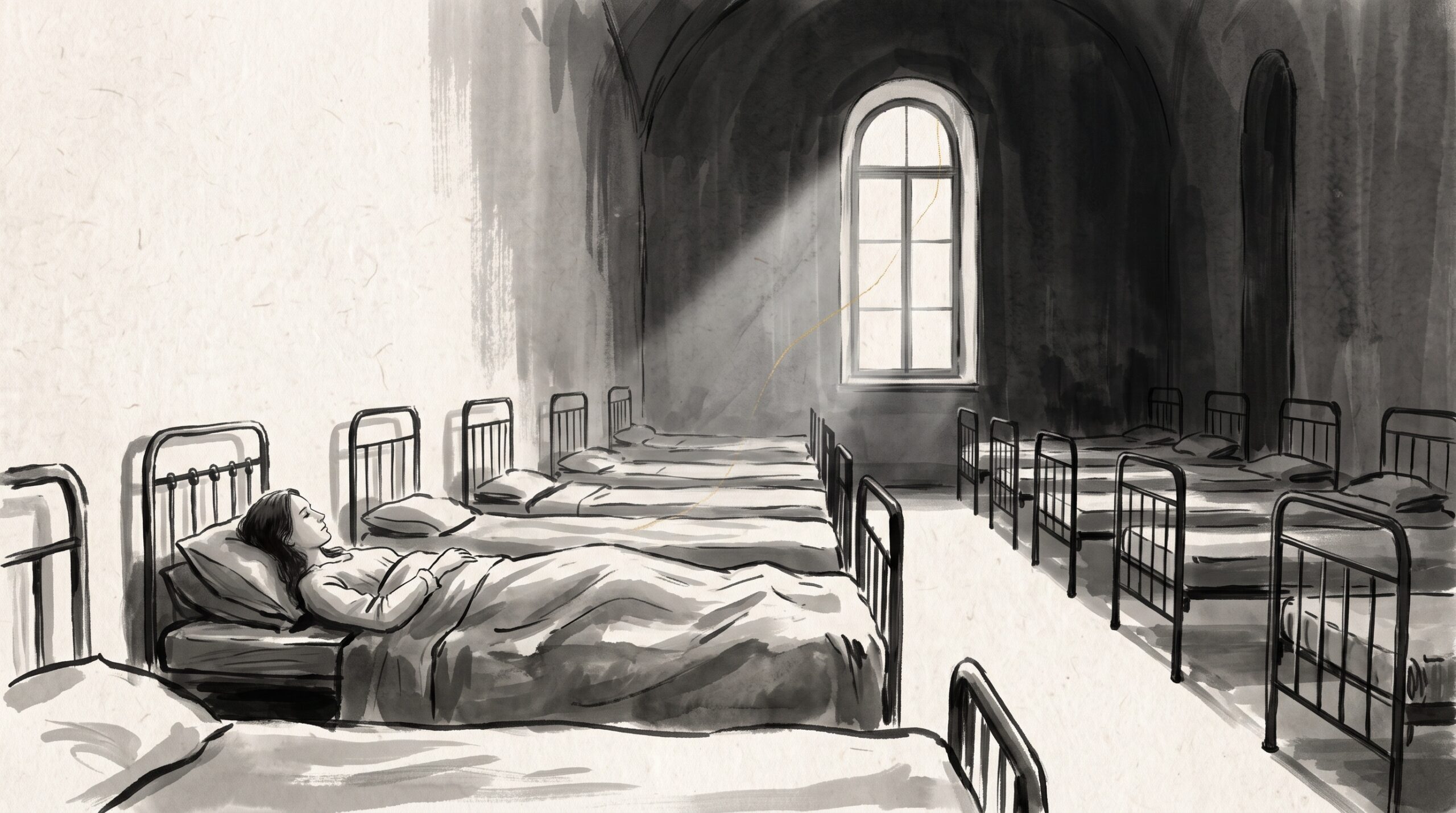
Ignaz Philipp Semmelweis was born near Budapest in 1818, the son of a prosperous grocer, and came to Vienna to study medicine. By 1846 he was an assistant in the First Obstetrical Clinic of the vast city hospital, a place that took in the poor women of Vienna to deliver their babies free of charge. The hospital had two maternity clinics, and they alternated admissions almost at random. On paper they were identical. In their results they were anything but.
The First Clinic, where doctors and medical students trained, lost mothers to childbed fever – puerperal fever – at a rate that sometimes climbed above 18 percent. The Second Clinic, staffed by student midwives, lost around 2 percent. The women knew the numbers better than the professors did, because they could hear it: the priest with his little bell walking the corridors of the First Clinic to give last rites, day after day, while the Second Clinic stayed quiet. Semmelweis could not stop thinking about it. Same building, same air, same women – and one ward killed nine times as many mothers as the other.
A young doctor with an unbearable question
He worked through the explanations of the day and threw them all out. Doctors blamed bad air, or overcrowding, or cosmic and atmospheric influences, or even the shame of the unmarried mothers. But the air was the same in both clinics, and the Second Clinic was just as crowded. Semmelweis tested the theories almost obsessively. When someone suggested the priest and his bell were frightening the women to death, he had the priest change his route. Nothing helped. The mothers in the doctors’ ward kept dying, and he could not find the reason – and to a mind like his, that failure was intolerable.
The death of a friend
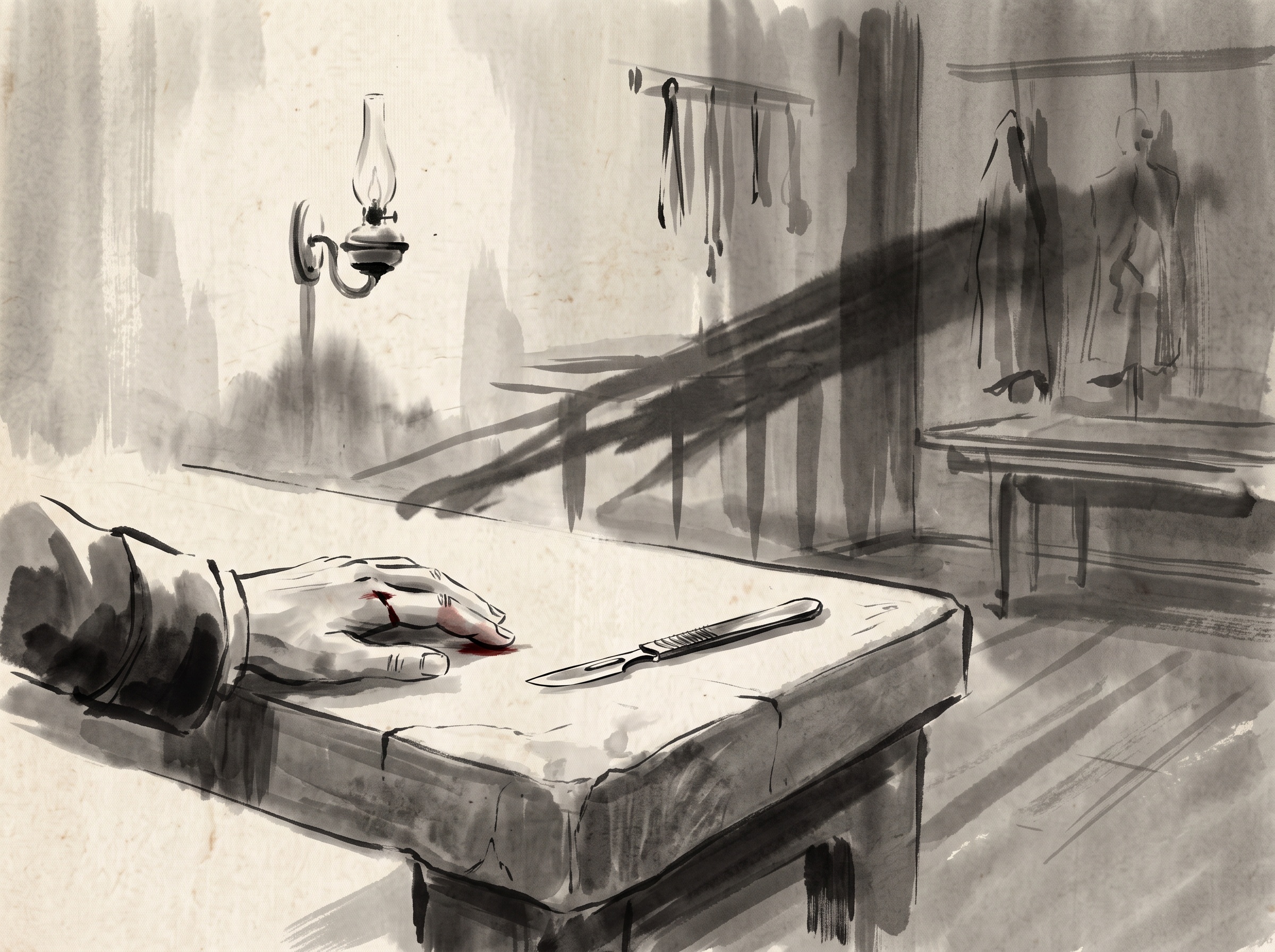
The answer, when it came, arrived through grief. In 1847 a friend and colleague of Semmelweis, the professor Jakob Kolletschka, was cut on the finger by a student’s scalpel during an autopsy. Within days Kolletschka was dead – and when Semmelweis read the report of his illness, the hair on his neck must have stood up. His friend had died of exactly the same devastation seen in the bodies of the mothers: the same inflamed organs, the same spreading corruption. Childbed fever and the fever that killed Kolletschka were, he realised, the same disease.
And that changed everything, because it told him how the sickness travelled. The medical students of the First Clinic spent their mornings dissecting corpses in the mortuary, then walked straight upstairs to examine women in labour with the same unwashed hands. The midwives of the Second Clinic never touched the dead at all. Semmelweis concluded that the students were carrying invisible “cadaverous particles” – some deadly residue of the dissection room – directly into the bodies of the mothers. The doctors themselves, the men sworn to heal, were the carriers. They were killing their own patients.
The chlorine and the vanishing fever
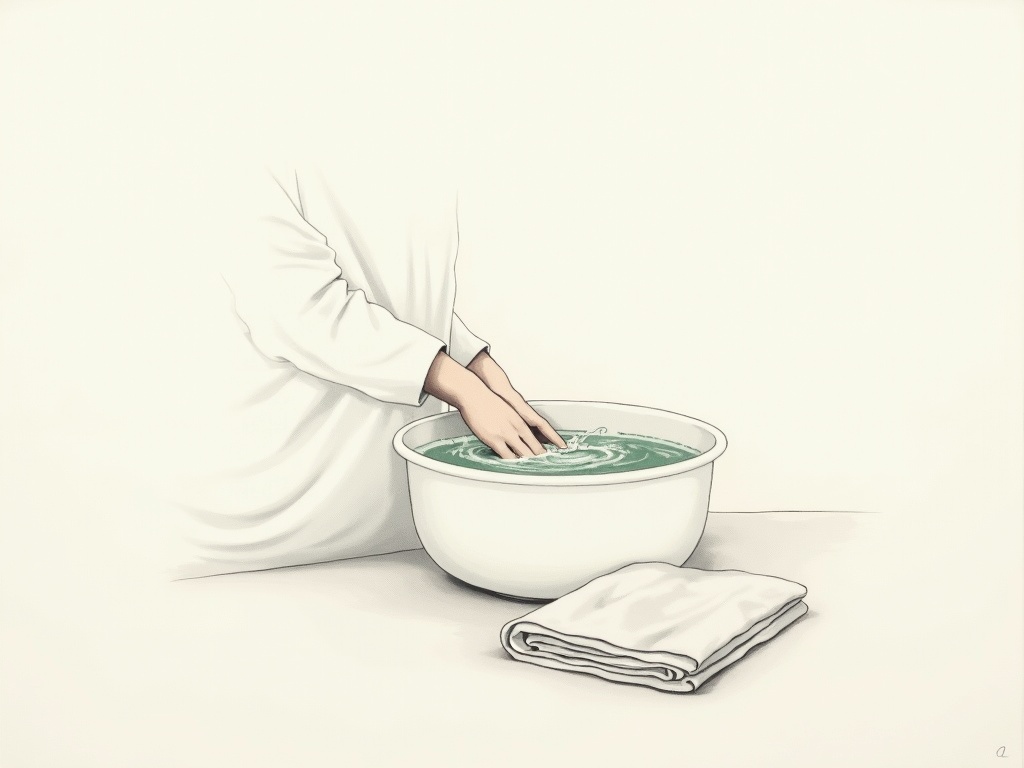
In May 1847 Semmelweis acted. He ordered every doctor and student to scrub their hands in a solution of chlorinated lime – a harsh chemical he chose because it destroyed the clinging smell of the corpses, and if it removed the stench, he reasoned, it might remove the deadly matter too. The order was resented at once. But the result was almost immediate and almost miraculous. The death rate in the First Clinic collapsed. In some months that had been running at 18 percent, mortality fell below 2 percent, and in the best stretches to barely more than 1. Mothers who would have died were simply, quietly, going home with their babies.
He had not discovered why it worked. He knew nothing of bacteria; germ theory was still decades away. He had no elegant explanation, only a basin of chlorine water and a wall of numbers proving that clean hands saved lives. To Semmelweis, the evidence was overwhelming and the moral obligation absolute. To his colleagues, it was an outrage.
The men who would not wash their hands
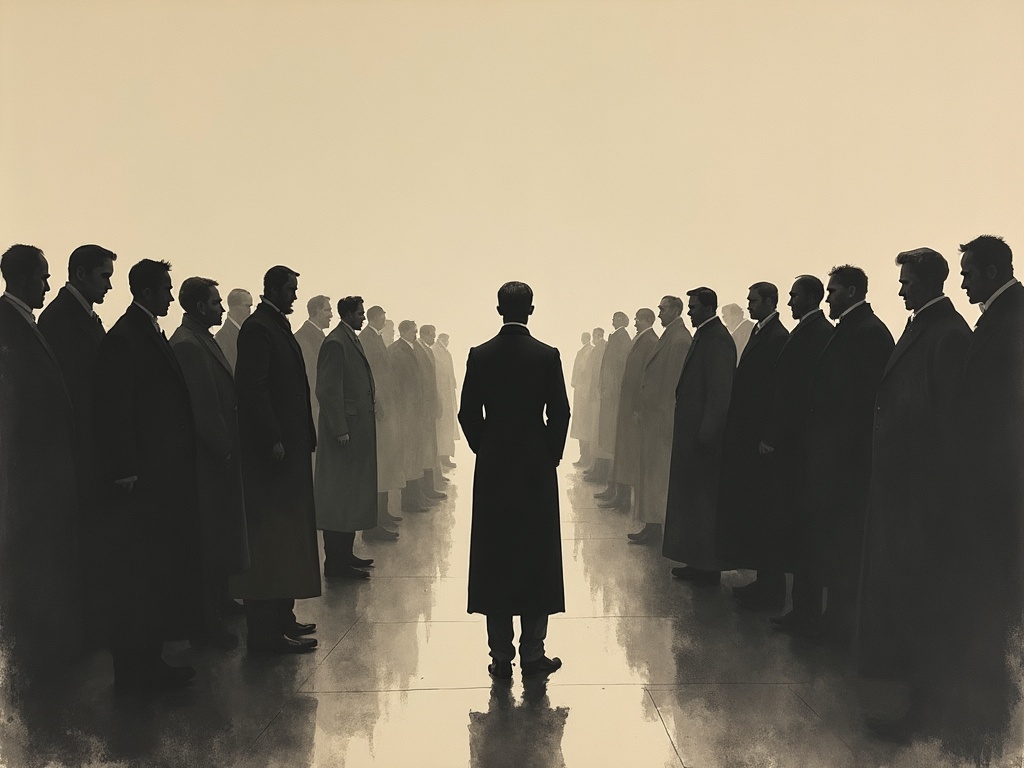
What happened next is the part of the story that is hardest to forgive. The medical establishment did not embrace the man who had cut childbed deaths to almost nothing. It closed ranks against him. His claim carried an unbearable implication: that respected physicians, gentlemen of science, had for years been carrying death on their hands and burying mothers by the thousand. Many doctors were simply insulted. Washing one’s hands like a labourer, on the say-so of a junior Hungarian with no theory to back him up, felt like an accusation – and it was one.
Semmelweis, for his part, was a poor diplomat for his own cause. He published late, argued badly, and as the years passed and the rejections mounted, he grew bitter and furious. He fired off open letters denouncing his critics as murderers, as irresponsible killers with blood on their hands. He was, of course, right – which only made him easier to dismiss as unstable. His Vienna appointment was not renewed, and he returned to Hungary, where he did cut death rates again in a Budapest maternity ward, and where the world still refused to listen.
The asylum

The last act is almost unbearably cruel. As the 1860s wore on, Semmelweis’s behaviour became erratic and his outrage uncontainable. In 1865, whether from a genuine breakdown, exhaustion, or something else, he was lured into a Viennese asylum and committed. When he tried to leave, guards overpowered him, beat him, and confined him in a straitjacket. Within two weeks he was dead, aged forty-seven. The cause was a gangrenous wound on his hand – a spreading infection of the blood, the very kind of contagion he had spent his life trying to defeat. The saviour of mothers died of exactly the thing he had warned the world about, unmourned by the profession that had rejected him.
Only after his death did the tide turn. Within a few years Louis Pasteur’s work on germs gave the world the theory Semmelweis had never been able to supply – proof that invisible living organisms cause disease – and Joseph Lister, building on Pasteur, made antiseptic surgery a triumph. At last there was a name for the cadaverous particles: bacteria. Semmelweis had been right all along, decades before anyone could explain why.
We still carry his name. Psychologists speak of the “Semmelweis reflex” – the instinct to reject a new truth simply because it overturns what we already believe. It is a warning dressed as a compliment, and it points at all of us. Semmelweis’s discovery was as simple as a bar of soap and a basin of water, and it now saves more lives every day than almost any drug ever invented. Yet the men of his time could not accept it, because accepting it meant accepting their own guilt. His story endures not only because he was a genius, but because he is a mirror: proof of how fiercely human beings will defend their pride against an inconvenient truth, and how much it can cost when the person telling that truth is standing entirely alone.
Sources & further reading:
- Ignaz Semmelweis – Wikipedia
- Ignaz Semmelweis | Biography & Facts – Encyclopaedia Britannica
- The tragic story of Ignaz Semmelweis – The Lancet / NCBI