The Somerton Man: The Body on the Beach, the Code No One Could Crack, and the 70-Year Hunt for a Name

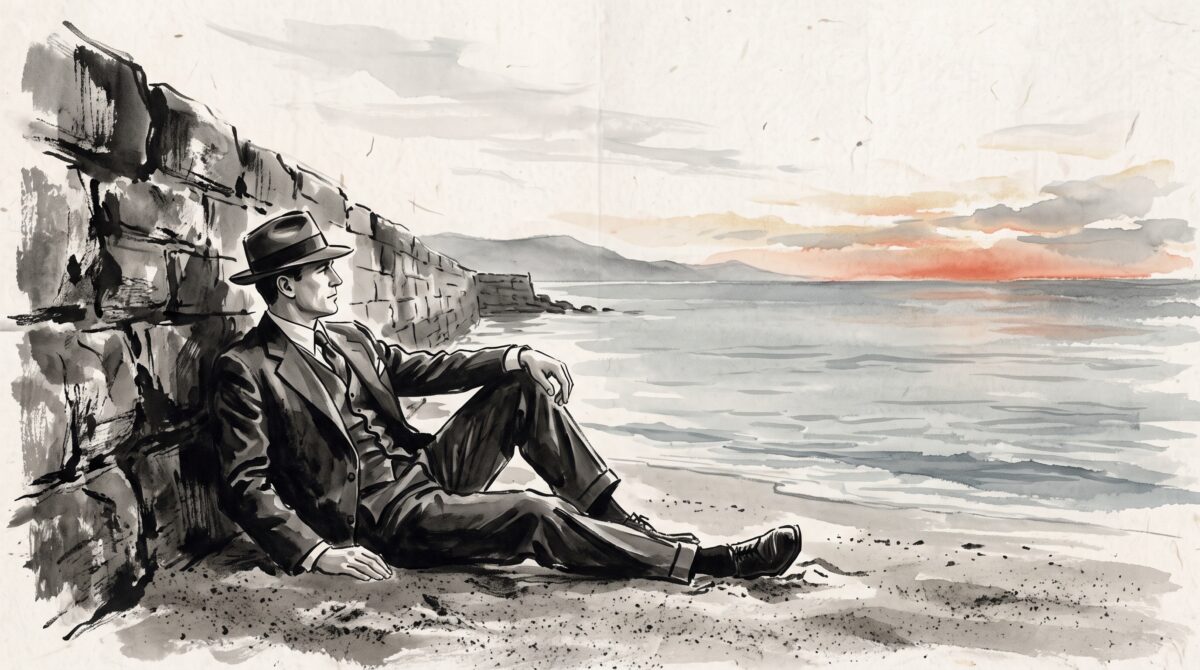
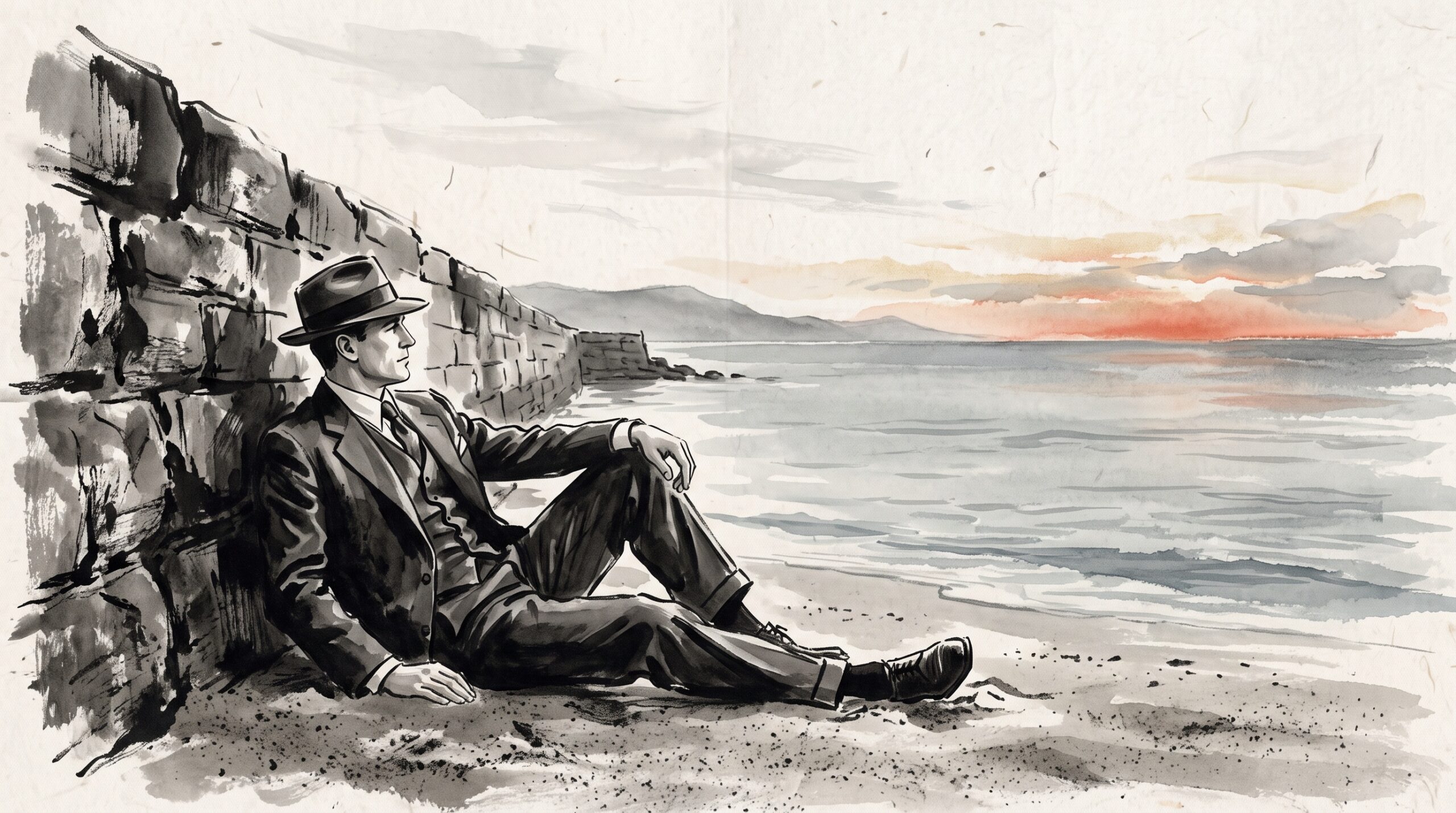
The tide had gone out and come back twice before anyone realised the man leaning against the seawall was never going to move again. It was the morning of 1 December 1948, on Somerton Park beach in Adelaide, South Australia. He was found reclined on the sand, feet crossed, one hand half-raised as if he had drifted off mid-thought. He wore a clean, pressed suit and polished shoes on a warm summer day. An unsmoked cigarette had fallen against his collar.
He carried no wallet, no identity papers, no money. And when police finally examined his clothing, they discovered something stranger still: every label had been carefully cut away. This was a man who had gone to deliberate lengths to leave no name behind. It would take seventy-four years to give him one.
A body that refused to explain itself
The autopsy only deepened the puzzle. The man was fit, in his forties, with the powerful calves of a dancer or a runner. His internal organs were congested and his spleen was grossly enlarged – signs, the pathologist thought, of poisoning. Yet no known poison could be found in his body. The examiner recorded that he was “quite convinced the death could not have been natural,” while admitting he could not say what had killed him.
His pockets held a curated little collection of the ordinary: a bus ticket, an unused rail ticket to a nearby beach, a comb, a packet of chewing gum, a box of matches, and a packet of cigarettes that, oddly, contained a more expensive brand than the label promised. Everything was mundane. Nothing pointed to a name. Police circulated his photograph and fingerprints across Australia and abroad. Not a single match came back.
The suitcase and the missing threads
Weeks later, staff at the Adelaide railway station cloakroom checked an unclaimed suitcase that had been left the day before the man died. Inside was a wardrobe that seemed to belong to him – and once again, almost every maker’s label and name tag had been removed. Whoever had erased his identity had been thorough and unhurried.

There were a few tantalising exceptions. A handful of items bore the name “T. Keane” or “Keane,” but police could find no missing Keane anywhere in the English-speaking world, and eventually concluded the name had been planted or belonged to someone else entirely. The suitcase also held orange waxed thread of an unusual kind – the very same thread that had been used to repair a pocket in the dead man’s trousers. It tied the case to the body, and led nowhere else.
Tamam Shud
The break, when it came, was almost missed. Months into the investigation, a pathologist re-examining the clothing found a tiny fob pocket sewn into the waistband of the trousers – a hidden pocket within a pocket. Rolled up inside was a scrap of printed paper. On it were two words in an elegant typeface: Tamam Shud.
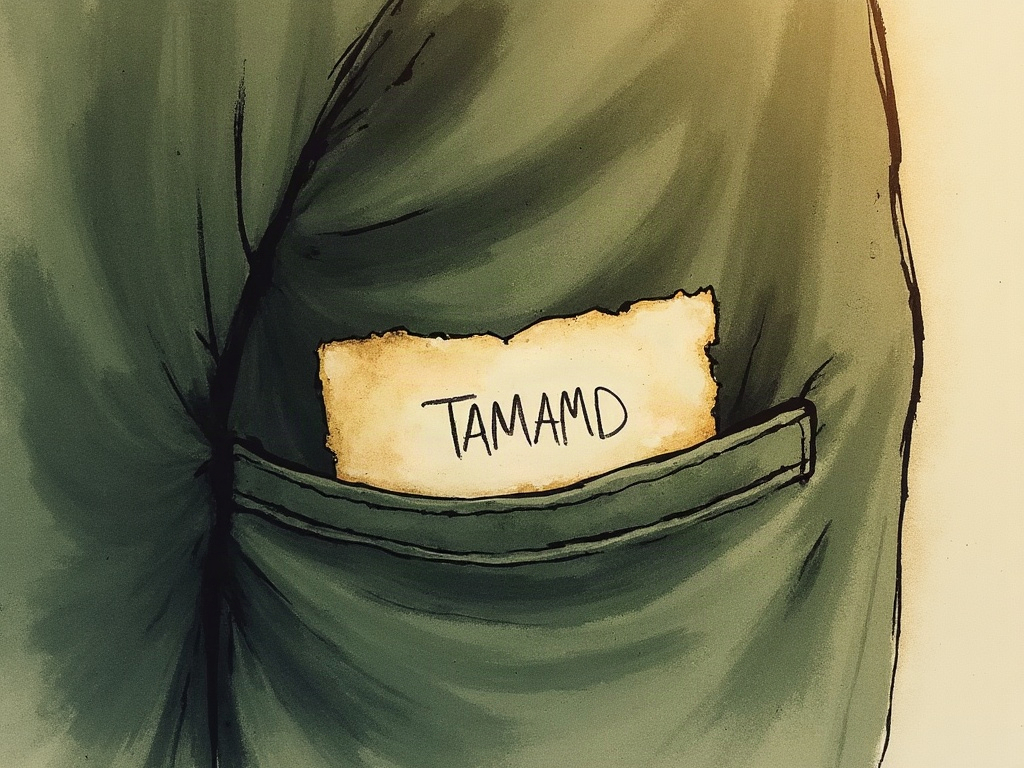
The phrase is Persian. It means “it is ended,” or “finished” – the words that close The Rubaiyat of Omar Khayyam, the medieval Persian poem about living fully in the face of death’s certainty. The scrap had been torn from the final page of a printed edition. Now police needed the book it came from.
Remarkably, they found it. After the case was publicised, a man came forward to say that in the weeks before the death, he had discovered a copy of the Rubaiyat tossed into the back seat of his unlocked car, parked not far from Somerton beach. He had thought nothing of it. When police compared the torn last page of that book to the scrap in the hidden pocket, the tear matched exactly.
The code no one could crack
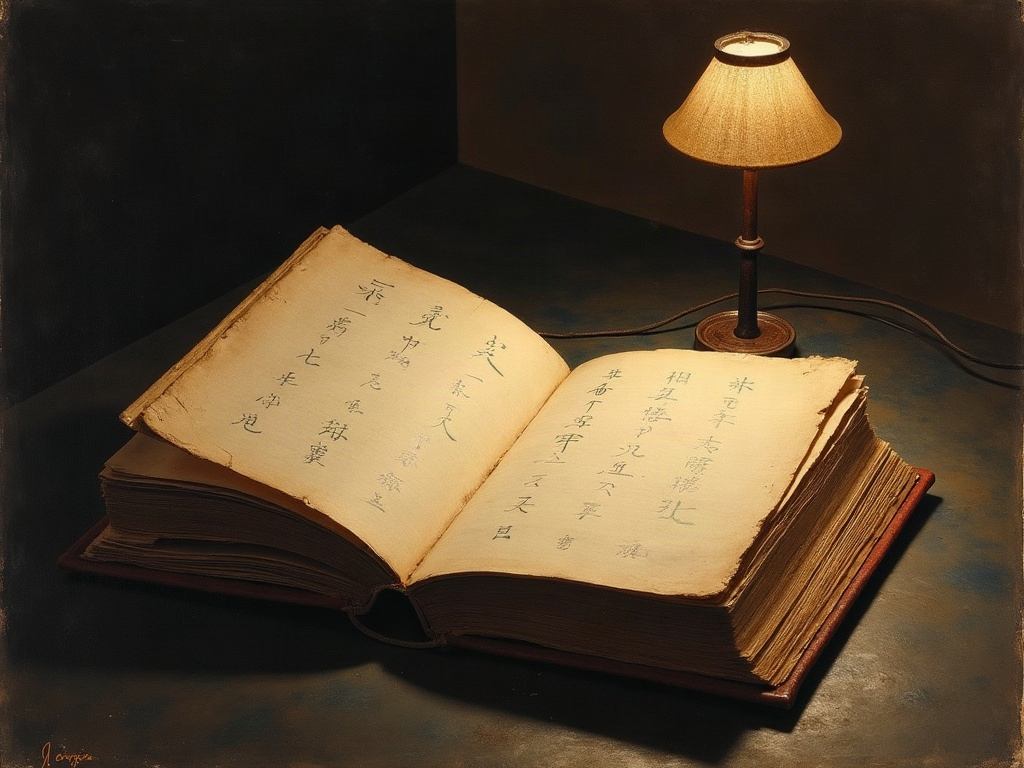
The book gave up two final secrets, and both only tightened the knot. Faintly pencilled on the inside back cover was a string of capital letters, arranged in lines like a message: an apparent code that has never been convincingly decrypted, not by wartime navy cryptographers in 1949 nor by the amateurs and academics who have hammered at it ever since. To this day nobody agrees on whether it is a cipher, the shorthand of a grieving mind, or simply meaningless doodling.
Beneath the letters was a telephone number. It belonged to a young nurse who lived only a few hundred metres from where the body was found. When shown the plaster cast of the dead man’s face, she was reported to have looked away and appeared close to fainting – yet she insisted she did not know him, and took whatever she knew to her grave. For decades she was identified in the case files only by a nickname, “Jestyn.” Her connection to the man has never been explained.
Spy, jilted lover, or nobody at all?
Into that vacuum rushed the theories. The timing – the dawn of the Cold War, a nearby weapons-testing range at Woomera, an untraceable man who had erased his own identity – made a Soviet spy story irresistible. Others imagined a doomed romance, a secret father, a heartbroken traveller who chose the Rubaiyat’s fatalism as his farewell. The Somerton Man became one of the most studied unsolved cases on earth, the subject of books, documentaries, and a decades-long obsession for a University of Adelaide professor named Derek Abbott.
Abbott took the boldest step of all. In 2021, after years of campaigning, authorities exhumed the body. But the real key turned out to have been sitting in a museum the whole time.
A name, at last
When the man was buried in the 1950s, a plaster death mask had been made of his face – and caught in that plaster were strands of his hair. Working with the American forensic genealogist Colleen Fitzpatrick, Abbott extracted DNA from those hairs and built a family tree from distant relatives on genealogy databases, the same technique that had unmasked the Golden State Killer.
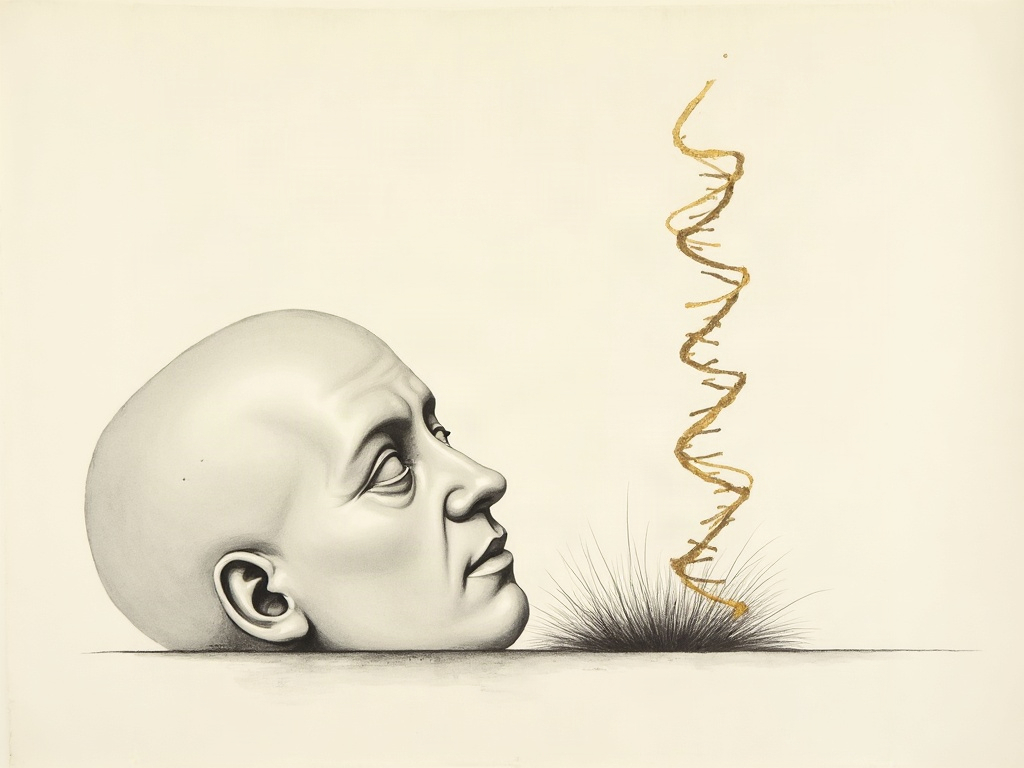
In July 2022, they announced their answer. The Somerton Man, they said, was Carl “Charles” Webb, an electrical engineer and instrument maker born in Melbourne in 1905. He wrote poetry. He had been married, and separated from his wife, who had moved to South Australia. He was, in Abbott’s words, something of a loner. Not a spy. Not a secret agent. A quiet, poetry-writing man who had, for reasons still unknown, travelled to Adelaide and died on a beach with the words “it is ended” hidden against his skin.
South Australia’s authorities have not formally confirmed the identification, and the deepest questions remain open. We still do not know how Carl Webb died, or why he cut the labels from his life, or what the pencilled code meant, or what he was to the young nurse who lived up the road. Giving him a name did not solve the mystery. It only sharpened it.
And perhaps that is why the story still holds us. For seventy-four years, a man lay in a grave marked “unknown” – fully lived, fully human, and utterly erased. It took a death mask, a strand of hair, and a stubborn professor to prove the simplest and most haunting truth of all: that no life is ever really nameless. Someone, somewhere, is always missing. We just have to be patient enough, and kind enough, to keep looking until we can call them home.
Sources & further reading:
- Somerton man mystery ‘solved’ as DNA points to man’s identity, professor claims
- Solving the Somerton man mystery: no Russian spy, just a bit of a loner who wrote poetry?
- Somerton Man
More from the archive
- Exercise Tiger: The Secret D-Day Rehearsal That Killed More Men Than the Beach It Practiced For
- The Man Who Survived Two Atomic Bombs: Tsutomu Yamaguchi at Hiroshima and Nagasaki
- The Law of the Tongue: The Killer Whales of Eden Who Hunted Alongside Humans for Generations