The Cleveland Balloonfest of 1986: How 1.5 Million Balloons Turned Into a Disaster

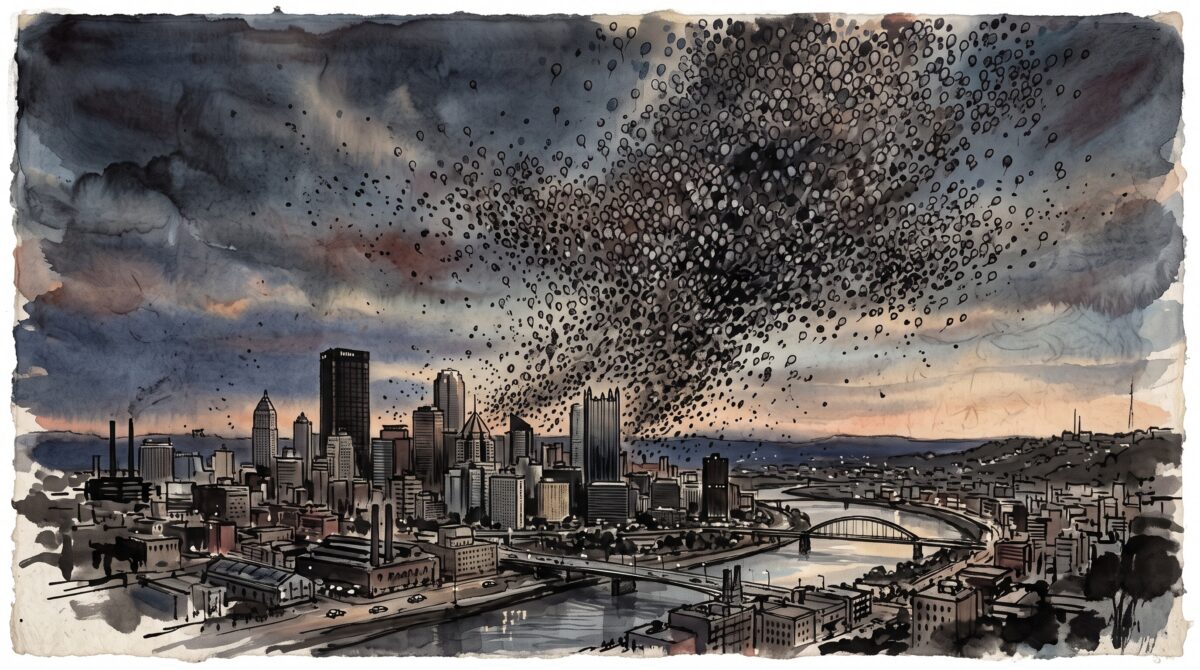
On the afternoon of September 27, 1986, the people of Cleveland tipped their heads back and watched the sky disappear. Roughly a million and a half balloons — red, yellow, blue, every color a child could name — lifted off from the heart of downtown all at once, a churning wall of color that climbed over the skyscrapers and blotted out the light. Cameras rolled. People cheered. For a handful of seconds, it was one of the most breathtaking things anyone there had ever seen.
Then the wind changed, and the most joyful publicity stunt in the city’s history began its fall to earth.
A record worth chasing
The idea had started, as these things do, with good intentions and a hunger for attention. United Way of Cleveland wanted a spectacle — something to rally the city, raise money for charity, and put Cleveland’s name in the record books. The plan was audacious: inflate and release more balloons at once than anyone ever had, shattering the existing world record and giving the city a joyful, photogenic triumph.
The scale was staggering. In the days before the event, a small army of volunteers worked in shifts to hand-fill balloon after balloon with helium, feeding them into an enormous single net rigged above Public Square. By the time they were done, something like 1.5 million balloons strained against the mesh — a trembling, iridescent mountain held down by nothing but netting and anticipation.
The moment it all went up
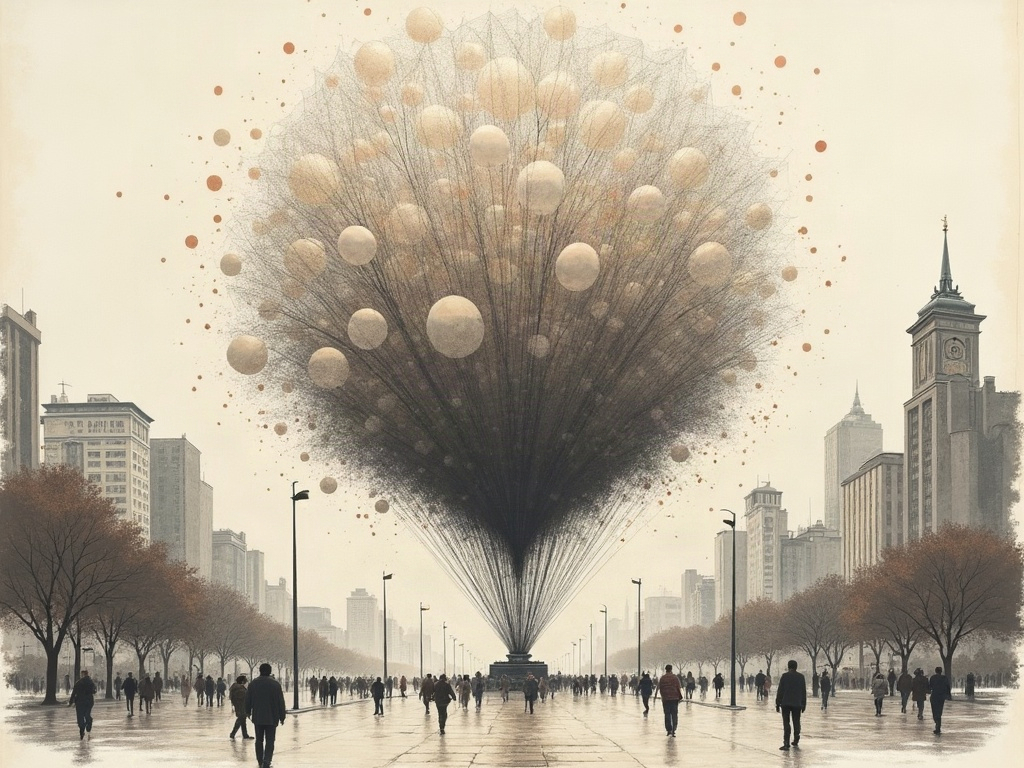
There was a wrinkle the organizers knew about but could not fully outrun: the weather. A cold front with rain was moving in, and the forecast was turning. Rather than risk the whole event unraveling, the team released the balloons ahead of schedule, cutting them loose in a single overwhelming surge.
For an instant it worked exactly as dreamed. The balloons rose in a vast column, a river of color pouring upward over the buildings while crowds roared below. And then physics and weather did what organizers had hoped they would not. Instead of drifting harmlessly up and away to pop and scatter over open country, the balloons hit the incoming cold, rain-laden air. Cooled and weighted with moisture, the enormous mass stopped climbing — and started coming back down. All of it. Over the city, the highways, the airport, and the cold grey expanse of Lake Erie.
When a spectacle becomes a hazard
What fell was not confetti. A million and a half balloons blanketing a working city is a genuine menace. They carpeted downtown streets and snarled traffic as drivers slowed to gape and swerve. They drifted across the runways of the lakefront airport, forcing a temporary shutdown of flight operations because pilots could not safely see or trust the sky in front of them. On a nearby farm, the descending swarm reportedly panicked horses, with lasting injuries that later drew a lawsuit. A celebration meant to last a triumphant few minutes had turned into hours of cleanup and chaos across an entire region.
It is the same grim lesson that runs through so many man-made disasters — the confident spectacle that assumes nothing will go wrong. The hubris echoes the “absolutely fireproof” theatre in the story of the Iroquois Theatre fire, where a building sold as incapable of tragedy delivered one anyway.
The tragedy on the water
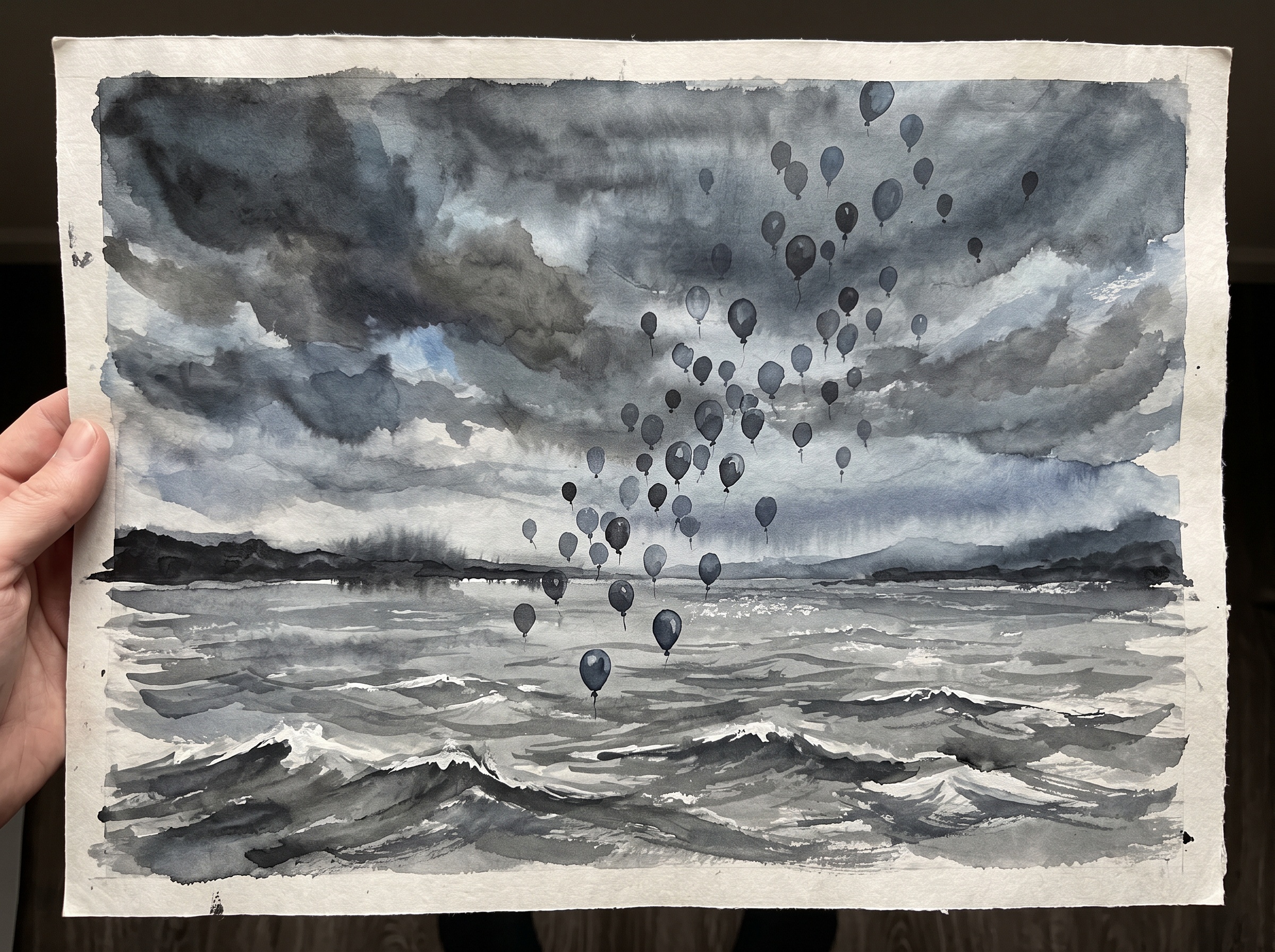
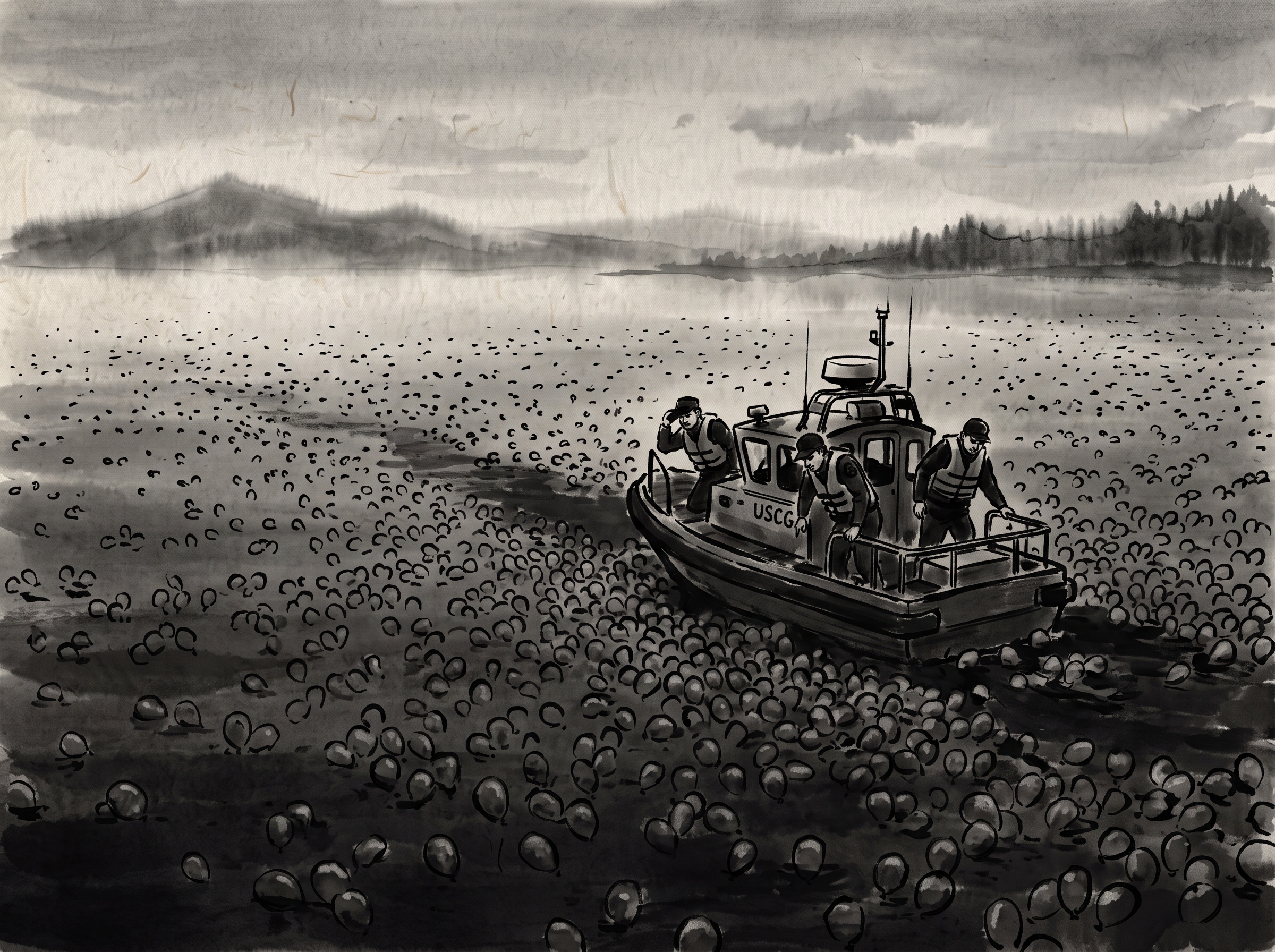
The worst of it was not the traffic or the runways. Out on Lake Erie, the Coast Guard was already searching for two boaters who had gone missing on the water that day. It was a search that depended on spotters scanning the surface for anything that might be a person — a head, a hand, a splash of a life jacket against the waves.
Now that same surface was strewn with a million bobbing balloons. Every one of them was a false target, a spot of color that might be a person and almost certainly was not. The searchers were, in effect, blinded — hunting for two men in a sea of debris that made it nearly impossible to tell a swimmer from a scrap of latex. The two boaters were not found alive; their bodies washed ashore later. What had been launched as a gift to the city had, in its falling, helped smother a rescue.
The reckoning
The lawsuits came quickly — from the widow of one of the lost boaters, from the owner of the injured horses, from a city left to sweep up the mess. United Way had set its record, technically; more balloons had gone up at once than ever before. But no one wanted to celebrate it. The triumph was hollow, wrapped in litigation and grief, and the organization spent far more energy apologizing and settling than basking.
In the end, the record itself became something no one aspired to break. The very idea of a mass balloon release curdled in the public imagination, and Balloonfest ’86 turned into a permanent cautionary tale — the go-to example, cited for decades afterward, of why sending a million balloons into the sky is not the harmless gesture it appears to be. Like the town that keeps burning beneath the ground in the story of the Centralia mine fire, it endures less as an event than as a warning.
What the sky gave back
There is a strange, sad poetry to Balloonfest ’86. It was not born of malice or greed; it was born of a city wanting to feel joy and generosity in a big, public way. And that, perhaps, is what makes it linger. The organizers imagined color rising forever into an open sky. What they got was a reminder that everything you send up must come down — and that when it does, it lands on real streets, real water, and real lives. Cleveland’s grandest gesture of goodwill remains one of history’s most vivid lessons in unintended consequences: the day the city tried to fill the heavens, and the heavens handed it all right back.
Related Reading
- The Cleveland Balloonfest of 1986: How 1.5 Million Balloons Turned Into a Disaster
- The London Beer Flood of 1814: When a Tsunami of Porter Killed Eight People