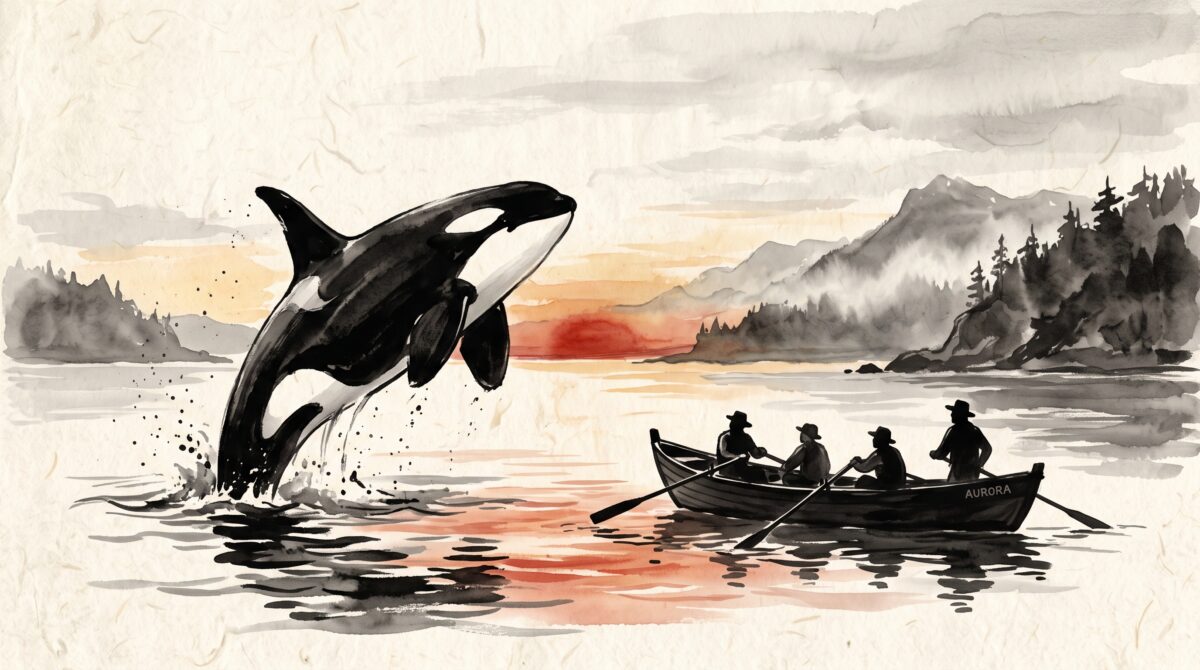
For nearly a century, a pod of killer whales in a bay on Australia’s south coast rounded up other whales and delivered them to human hunters – then waited to be paid in tongue and lips. It was one of the only true hunting partnerships between people and wild predators the world has ever seen.
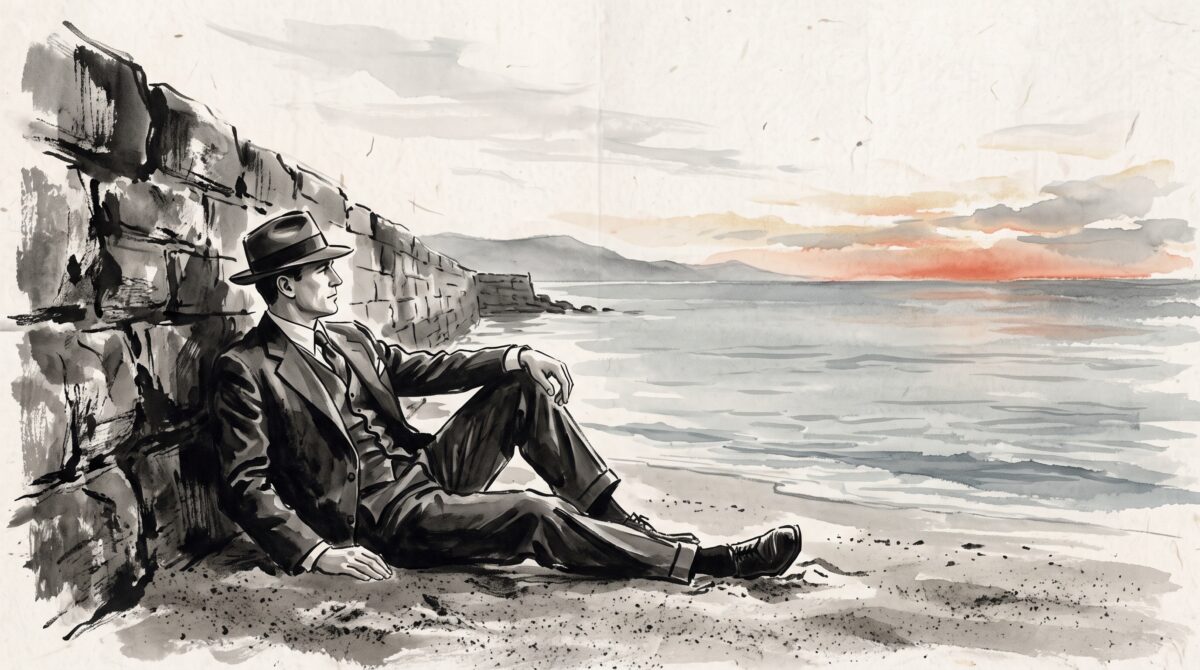
In 1948 a well-dressed man was found dead on an Adelaide beach with no name, no labels in his clothes, and a scrap of paper reading “Tamam Shud” sewn into a hidden pocket. It took 74 years to give him back his name.
In 1629 the pride of the Dutch East India Company struck a reef off Western Australia. What happened to the survivors on those waterless islands was not a tragedy of the sea but of men – one of the darkest mutinies and massacres in history.
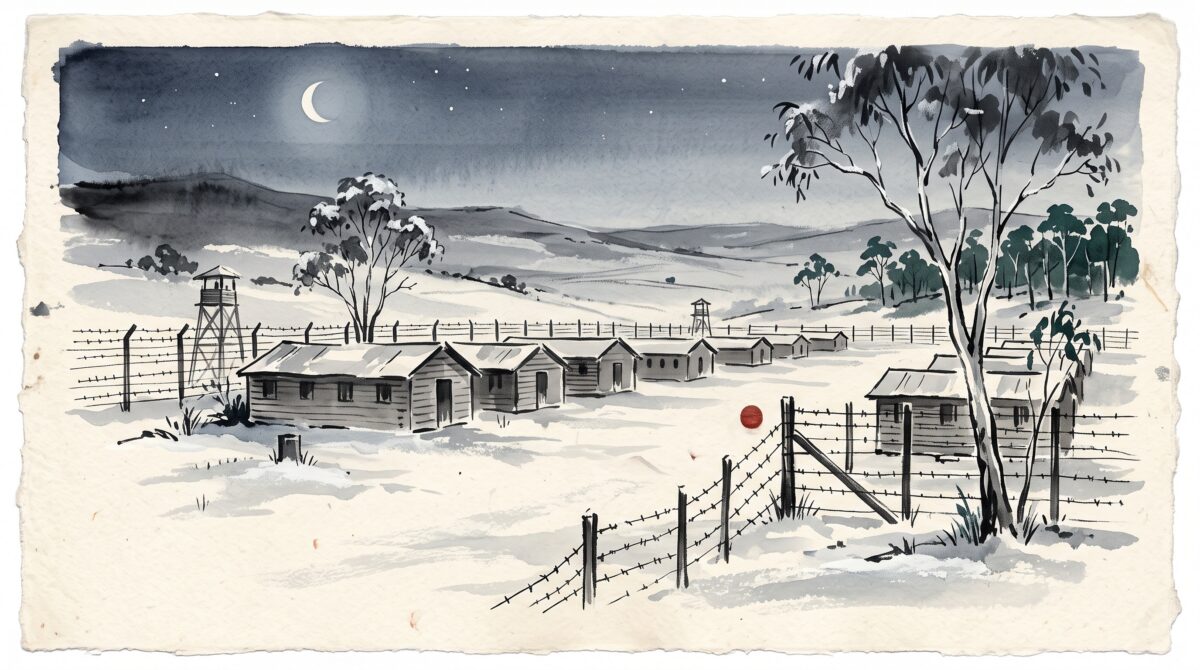
In the freezing early hours of an Australian winter morning in 1944, more than a thousand Japanese prisoners rushed the fences of a POW camp armed with baseball bats and sharpened cutlery. It became the largest prison break of the Second World War.
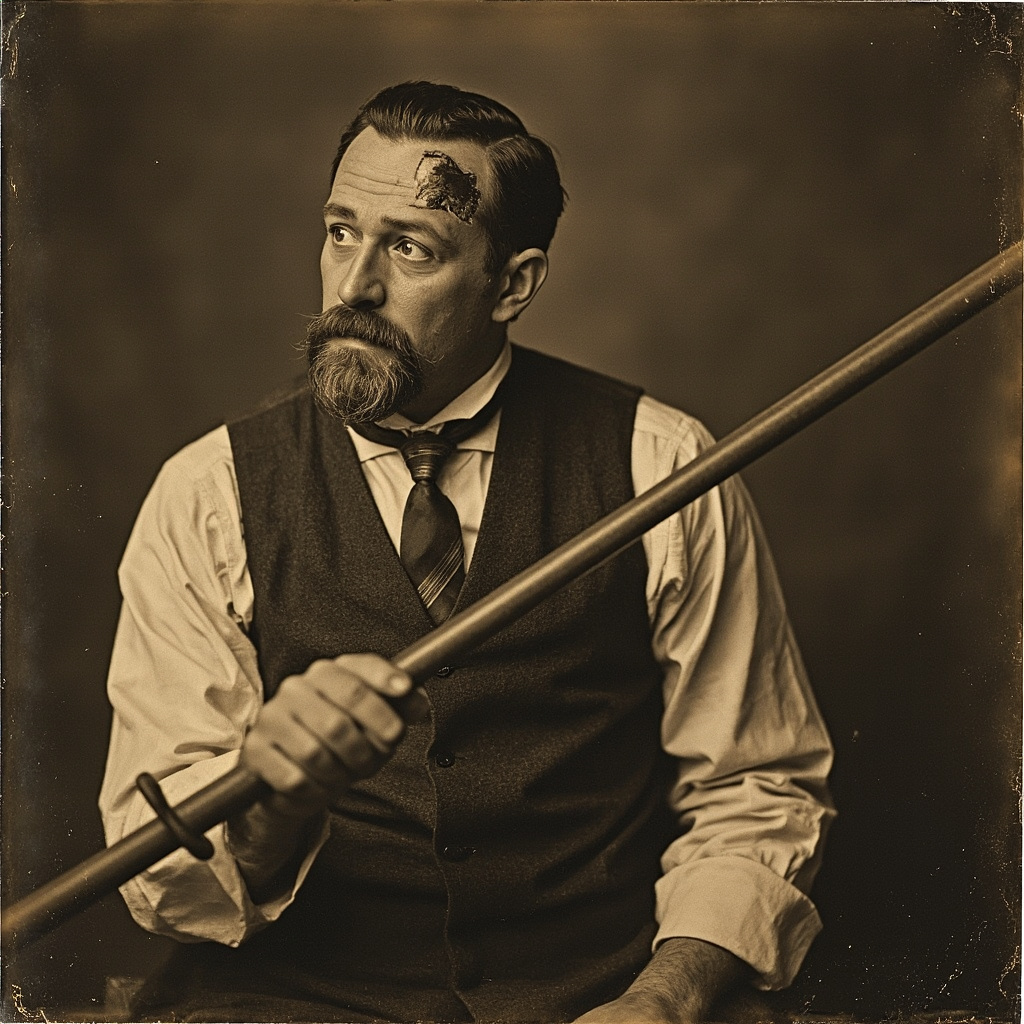
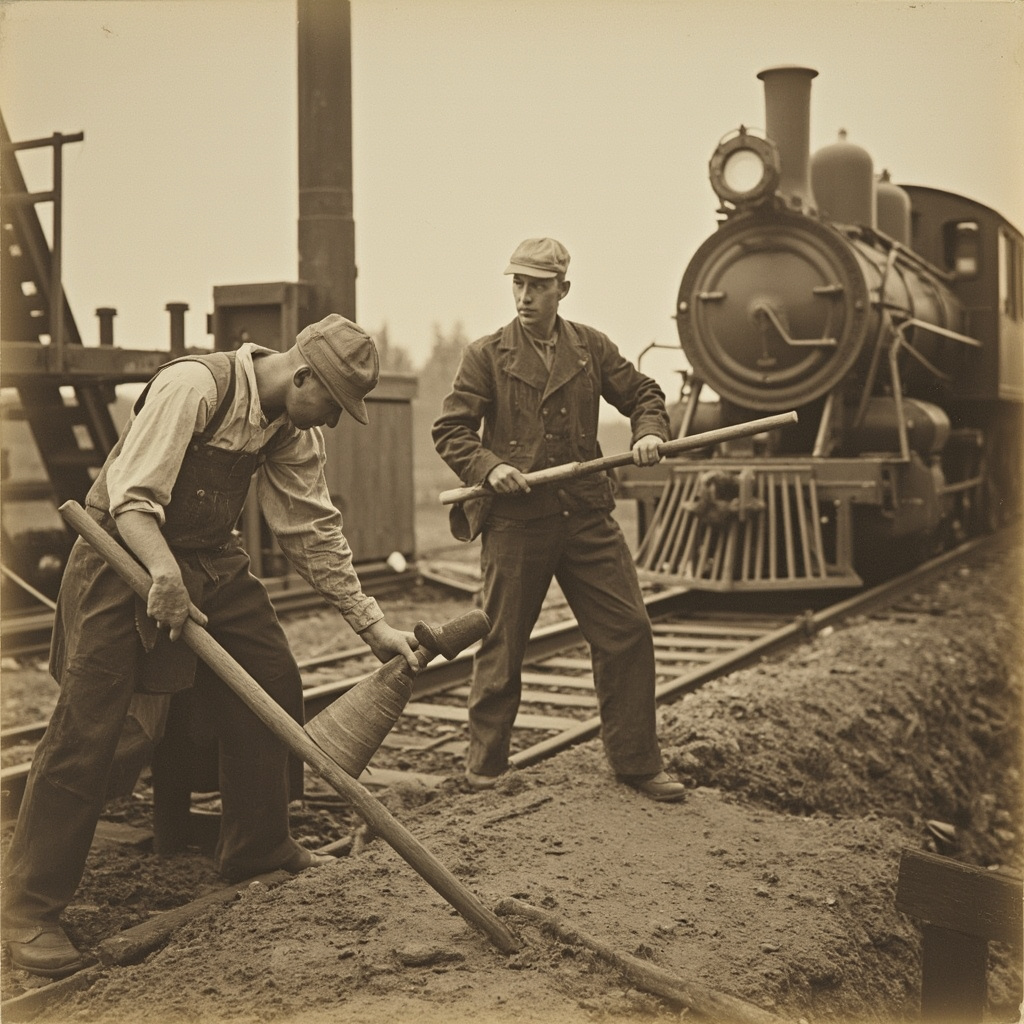
On September 13, 1848, in the quiet town of Cavendish, Vermont, a horrific accident would forever change our understanding of the human brain. Phineas Gage, a 25-year-old railroad foreman, was using a tamping iron to pack explosive powder into a hole when the powder detonated prematurely. The result was almost impossible to believe.
The tamping iron—43 inches long, 1.25 inches in diameter, and weighing over 13 pounds—shot skyward like a missile, penetrated Gage’s left cheek, ripped through his brain, and exited through the top of his skull. Remarkably, Gage didn’t even lose consciousness and remained lucid enough to tell the first doctor on the scene: “Here is business enough for you.”
The Dangerous World of Railroad Construction
In 1848, America was in the midst of a railroad building boom. Construction crews worked with dangerous materials and primitive safety measures that would be unthinkable today. Workers like Gage used tamping irons—long metal rods—to pack explosive black powder into holes drilled in rock. The process was inherently risky, requiring precise timing and careful handling of volatile materials.
Gage was considered one of the most capable and efficient foremen on the Rutland and Burlington Railroad. His supervisor described him as “the most efficient and capable foreman in their employ.” This makes what happened next even more remarkable—if such an experienced professional could suffer such an accident, it highlighted just how dangerous railroad construction truly was.
The Accident That Changed Everything
The accident occurred when Gage was distracted for just a moment. As he was tamping powder into a hole, the iron rod created a spark that ignited the explosive before sand could be added to buffer the blast. The force launched the tamping iron through his skull with devastating precision.
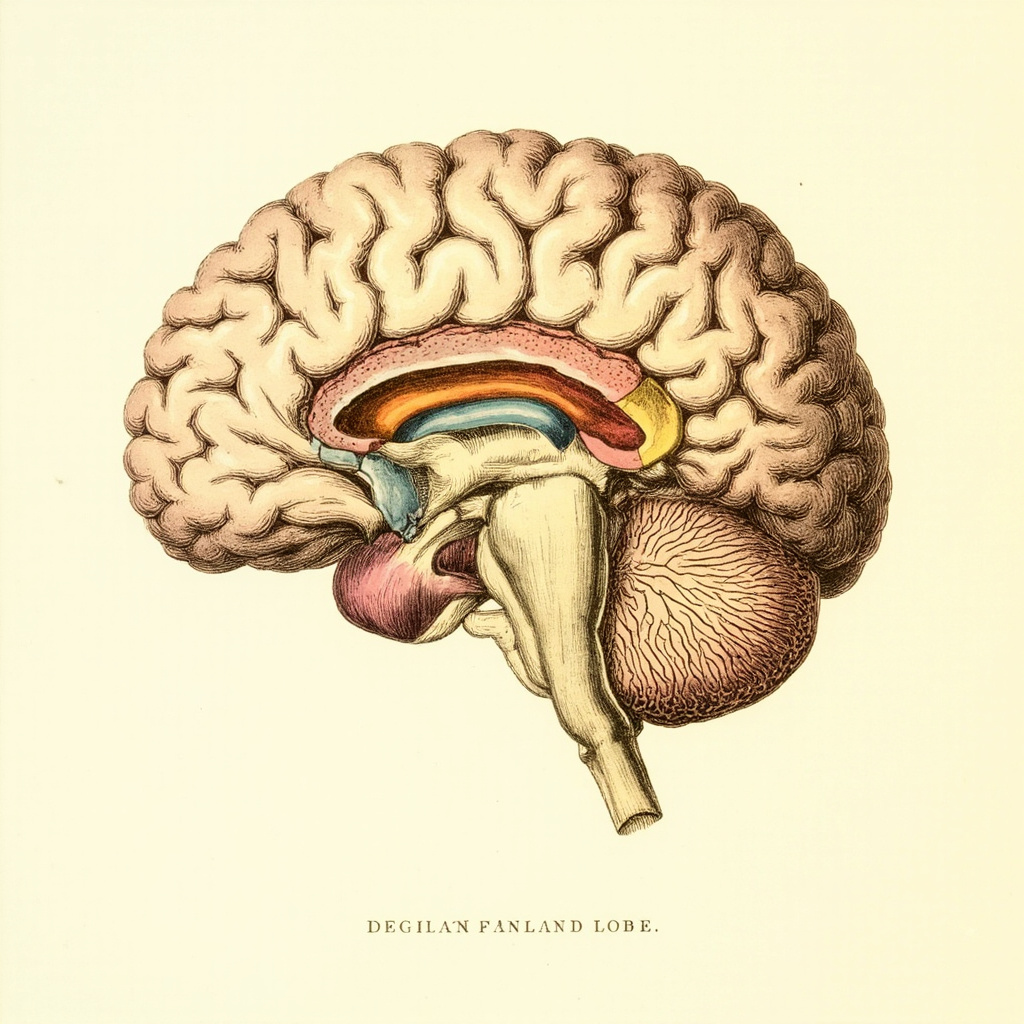
Witnesses couldn’t believe Gage was still alive, let alone conscious and speaking. The rod had destroyed much of his left frontal lobe, but somehow missed major blood vessels and other critical structures. Dr. John Martyn Harlow, the local physician who treated Gage, initially thought his patient couldn’t possibly survive such an injury.
The Personality That Vanished
While Gage’s physical recovery was remarkable, the changes to his personality were even more extraordinary. Before the accident, he had been described as well-balanced, energetic, and a “great favorite” with his men. But the damage to his frontal lobe transformed him completely.
Dr. Harlow observed that Gage was “no longer Gage.” The formerly reliable and socially appropriate man became impulsive, irreverent, and unable to follow through on plans. He couldn’t hold down steady employment and wandered from job to job, sometimes working in circuses where his injury made him a curiosity.
Birth of Modern Neuroscience
Gage’s case became the first documented evidence that specific regions of the brain control personality and behavior. This was revolutionary thinking in the 1850s, when many scientists still believed the brain functioned as a single, undifferentiated organ.
The case provided crucial early evidence for what we now call localization of brain function—the idea that different parts of the brain have specialized roles. Gage’s frontal lobe damage specifically affected what neuroscientists now recognize as executive functions: planning, decision-making, impulse control, and social behavior.
The Mystery of Recovery
Perhaps even more fascinating than the initial injury was Gage’s gradual recovery over the following years. While early accounts emphasized his dramatic personality changes, later evidence suggests he regained much of his social functioning. He eventually found steady work as a stagecoach driver in Chile, a job requiring considerable skill and responsibility.
This recovery challenged simple ideas about brain damage being permanent and opened up early discussions about neuroplasticity—the brain’s ability to reorganize and adapt after injury.
Legacy in Modern Medicine
Phineas Gage’s case continues to influence neuroscience and medicine today. His skull and the tamping iron that pierced it are preserved at Harvard Medical School, where they remain important teaching tools. Modern brain imaging techniques have allowed scientists to create detailed reconstructions of exactly which areas of his brain were damaged.
The case laid groundwork for understanding traumatic brain injury, the development of modern neurosurgery, and our current knowledge of how the frontal lobes control personality and behavior. Every time a neurosurgeon operates on the brain or a psychiatrist treats personality disorders, they’re building on insights that began with a railroad accident in rural Vermont.
The Human Story
Behind the scientific significance was a real person whose life was forever altered by a split-second accident. Gage lived for 12 years after his injury, dying in 1860 from seizures likely related to his brain damage. His case reminds us that behind every medical milestone is a human being who endured something extraordinary.
The story of Phineas Gage proves that sometimes the most important scientific discoveries come from the most unexpected places. A construction accident in a small Vermont town opened a window into the human brain that science is still looking through today.