Lady Death: Lyudmila Pavlichenko and the 309 Shots That Shamed a Room Full of Men

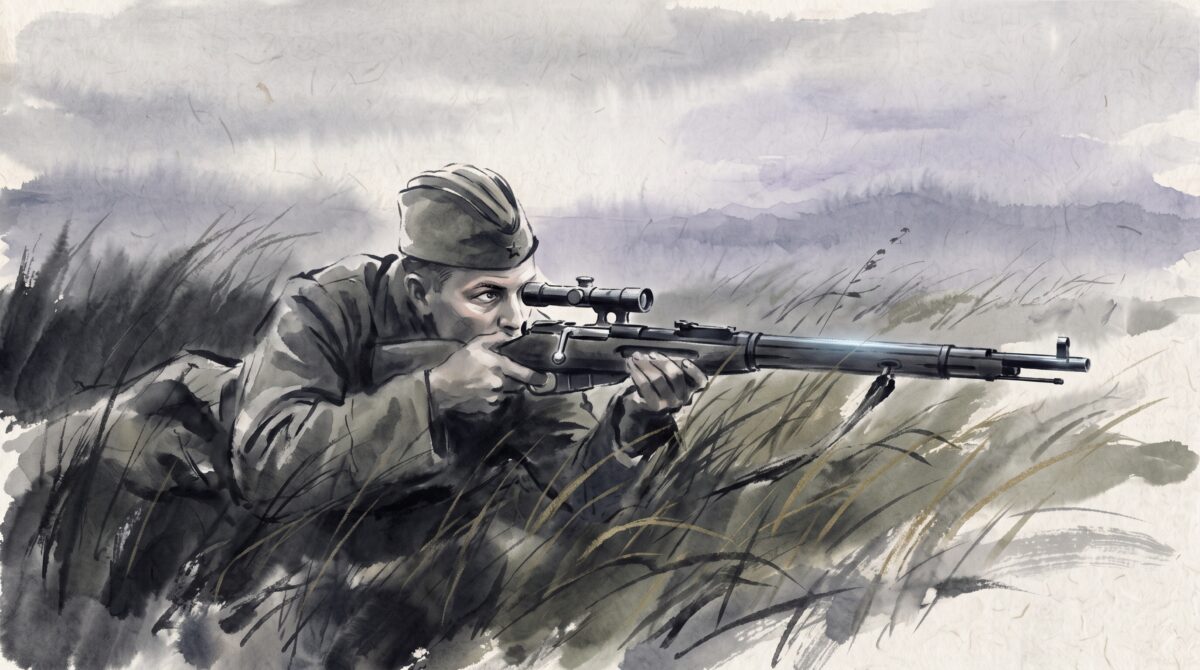
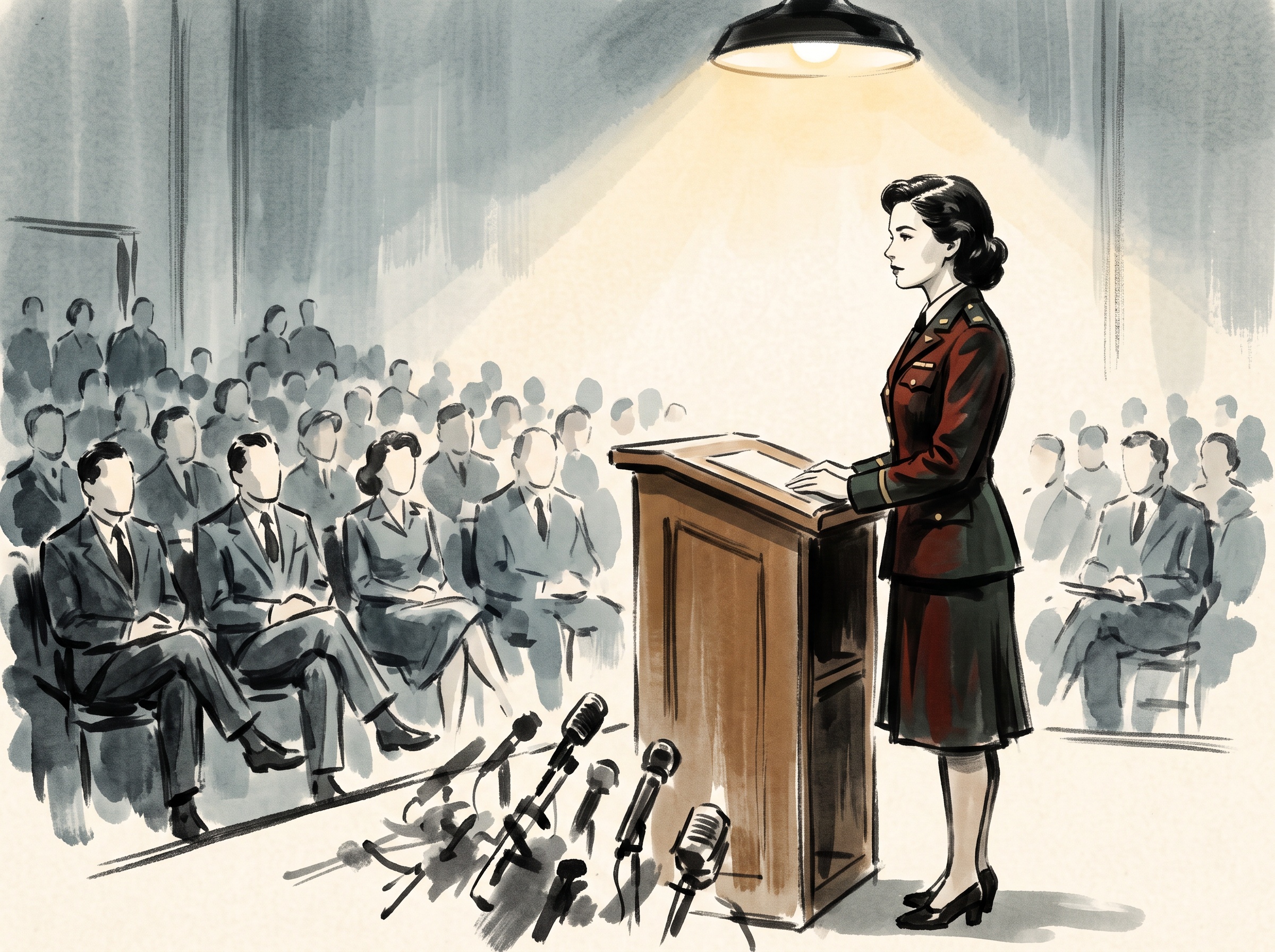
In the autumn of 1942, a slight young woman in a dark Soviet uniform stood before a crowd of American reporters in Chicago. She was twenty-five years old, soft-spoken, and plainly tired of being asked about her hairstyle and whether soldiers were allowed to wear makeup at the front. When she finally spoke the words that would outlive her, the hall went quiet. “Gentlemen,” she said, “I am twenty-five years old, and I have already killed three hundred and nine fascist invaders. Don’t you think, gentlemen, that you have been hiding behind my back for too long?” Her name was Lyudmila Pavlichenko, and she was the deadliest woman ever to carry a rifle into battle.
The Girl Who Picked Up a Rifle to Prove a Point
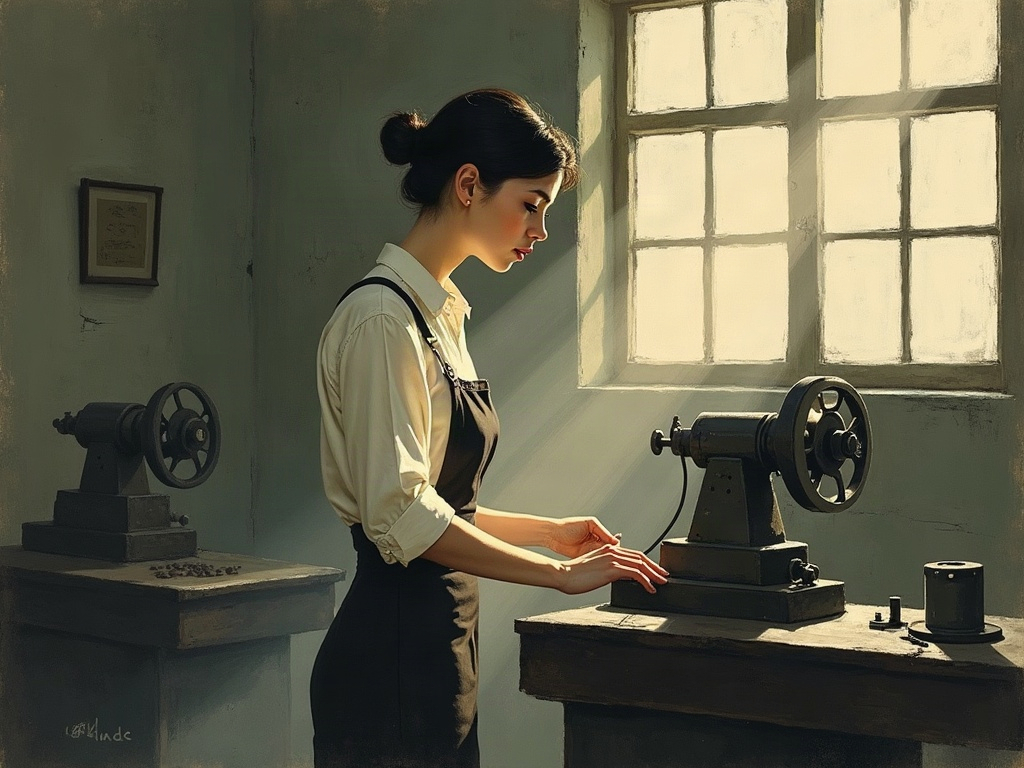
Nothing about her early life pointed toward war. Born in 1916 in the Ukrainian town of Bila Tserkva, then part of the Russian Empire, Lyudmila grew up ordinary and stubborn. Her family moved to Kyiv, where she worked as a grinder at the Arsenal factory, finishing metal on a lathe, and later enrolled at Kyiv University to study history. She intended to become a scholar and a teacher.
The rifle entered her life almost as a dare. As a teenager she heard a neighbour’s boy boasting about his marksmanship and decided she could do better. She joined a local shooting club run by Osoaviakhim, the Soviet paramilitary sports society that trained ordinary citizens in skills the state thought it might one day need. She turned out to have an unnerving gift for it — a steady hand, a cool head, and the patience to wait. She earned a sharpshooter’s badge and a marksmanship certificate, and thought little more of it. It was a hobby, not a destiny.
June 1941: A Country at War
Then, on 22 June 1941, Germany launched Operation Barbarossa and poured three million men across the Soviet frontier. The largest invasion in human history rolled toward Kyiv, and the quiet life of the history student ended overnight. Lyudmila, twenty-four, went to volunteer.
The recruiters tried to steer her toward the nursing corps, as they did with nearly every woman who stepped forward. She refused. She wanted the infantry, and she had the paperwork to prove she could shoot. The story goes that an officer, unconvinced, handed her a rifle and pointed out two enemy soldiers in the distance as an impromptu test. She dropped both. They were never counted in her official tally — she was not yet formally enlisted — but she had made her point. She was assigned to the 25th Rifle Division, the famous “Chapayev” division, as a sniper.
The Patience of a Hunter
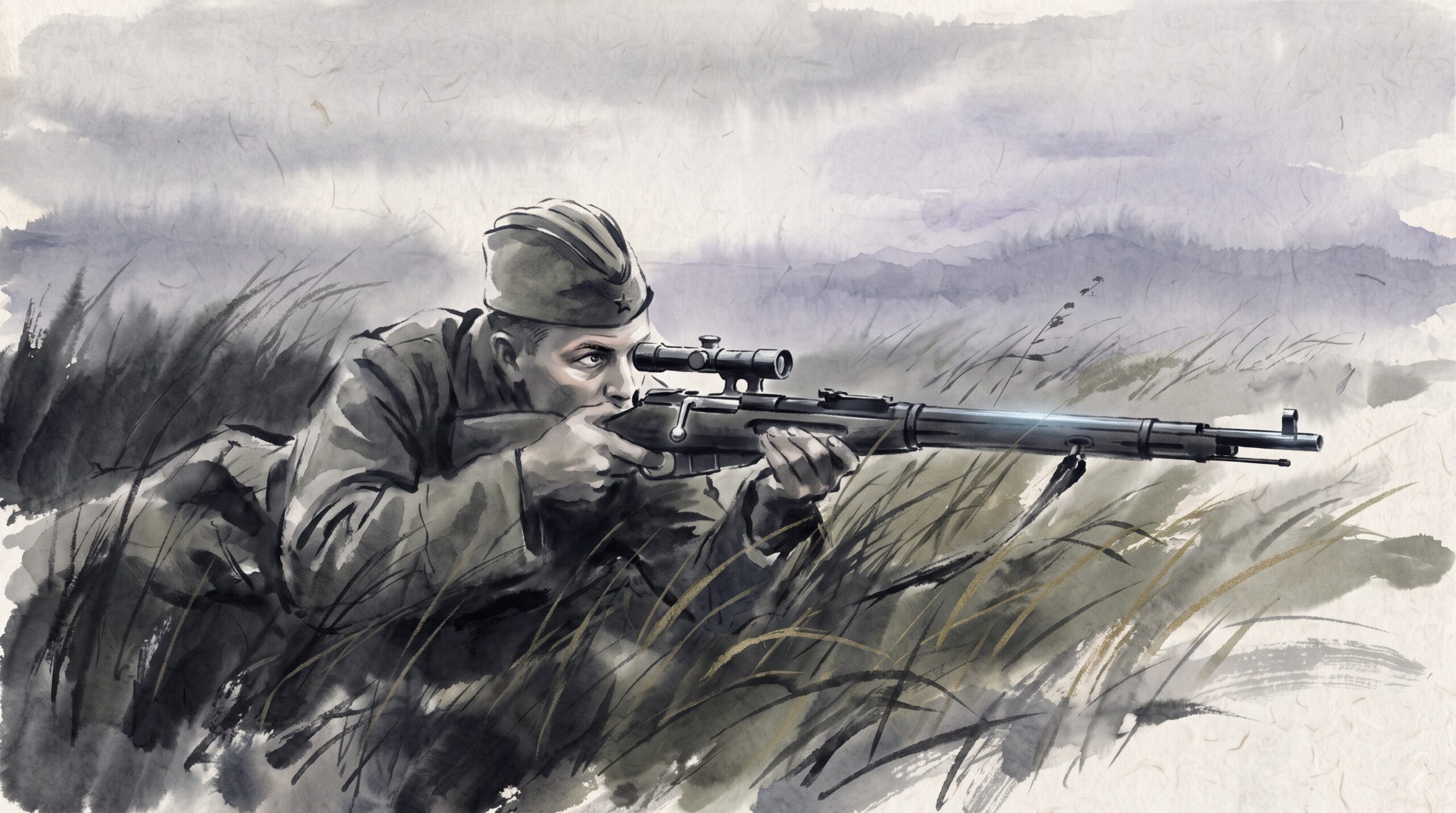
Sniping is not the frantic business of the movies. It is mostly stillness — lying motionless for hours in mud, grass, or rubble, controlling your breath, your heartbeat, even your blinking, waiting for an enemy to expose a head or a shoulder for a second or two. It demands a temperament most soldiers do not have: the ability to be utterly calm while doing something that would make most people shake. Pavlichenko had it in abundance.
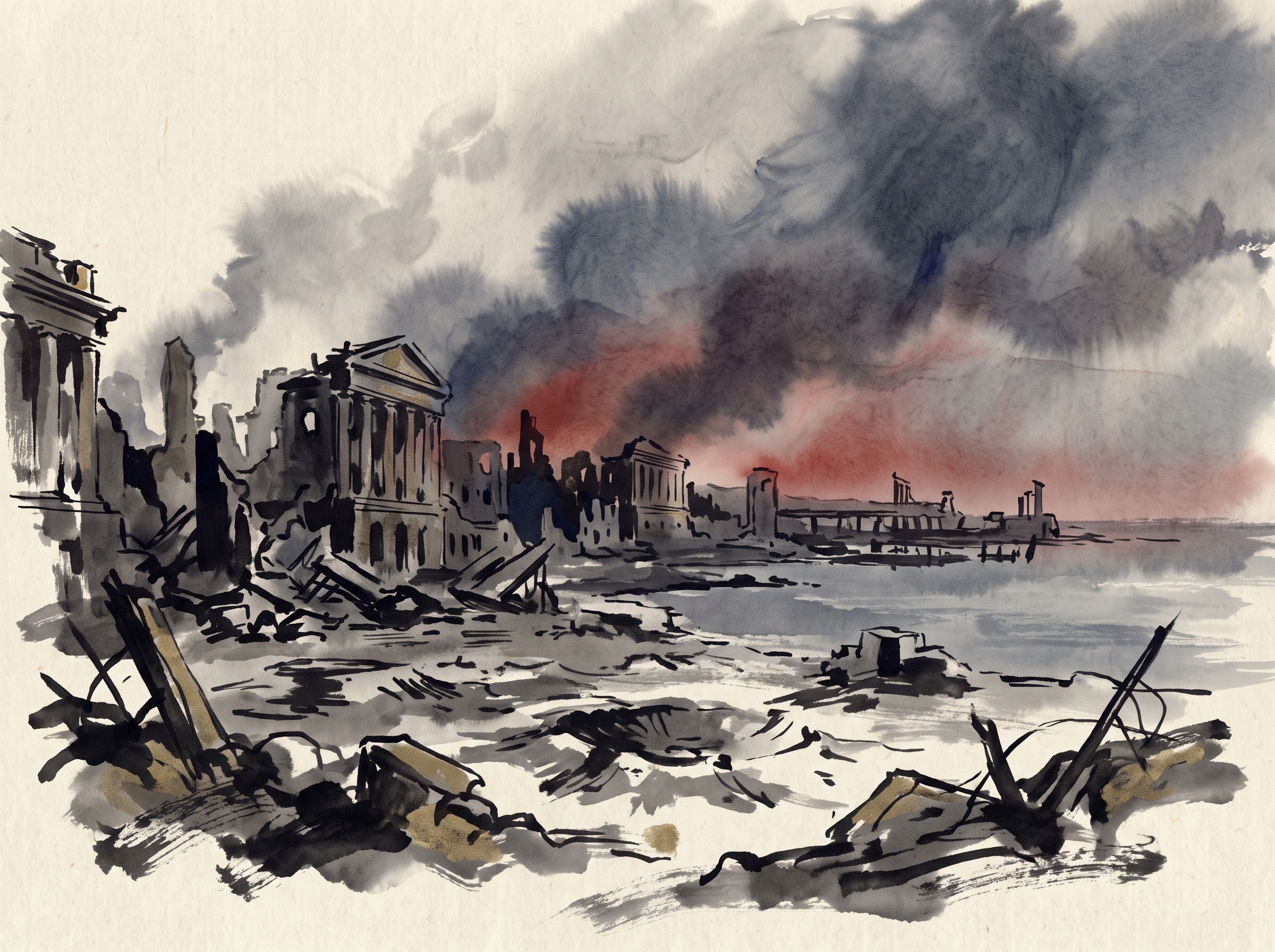
She fought first in the defence of Odessa, the great Black Sea port, through the brutal summer and autumn of 1941. In roughly two and a half months there she was credited with 187 kills. When Odessa finally fell and the division was evacuated by sea, she was sent to the next doomed fortress down the coast: Sevastopol, in the Crimea, where the Red Army dug in for one of the longest and bloodiest sieges of the entire war.
At Sevastopol her reputation grew into legend. She hunted not just ordinary soldiers but enemy snipers — the most dangerous quarry of all, because they were hunting her back. These were silent, hours-long duels of nerve, two invisible marksmen each waiting for the other to twitch. She won them. Of her eventual total, thirty-six of her kills were enemy snipers, each one a man who had been very good at exactly what she did, and who lost. The Germans came to know there was a markswoman on that line, and they tried to find her, shelling her positions and broadcasting threats and bribes over loudspeakers. None of it worked.
309
Her final confirmed tally was 309 enemy soldiers — a number that makes her, by a wide margin, the most successful female sniper in recorded history, and one of the most successful snipers of any gender in the war. The figure is a confirmed count, meaning witnessed and verified; her true total was almost certainly higher.
War does not reward even the best for long. Pavlichenko was wounded four times over the course of her fighting, by rifle fire and shrapnel. In June 1942, as Sevastopol’s defence collapsed, a mortar round burst near her and drove fragments into her face. She was among the specialists the Soviets judged too valuable to lose, and she was evacuated out of the dying fortress by submarine, one of the last out before the city fell. Her war at the front was over. She was twenty-five, and she had been fighting for less than a year.
The Soldier Sent to America
By then she was far too famous to simply convalesce. The Soviet Union was desperate for its Western allies to open a second front in Europe and take the pressure off the Eastern Front, where the USSR was bleeding millions of lives. Someone in Moscow understood that a young, articulate, highly decorated woman sniper was a more persuasive ambassador than any general. In the autumn of 1942 Pavlichenko was sent on a tour of the United States, Canada, and Britain.
She became the first Soviet citizen ever received at the White House, welcomed by President Franklin Roosevelt. More remarkably, she struck up a genuine friendship with the First Lady, Eleanor Roosevelt, who took her on a cross-country tour and, years later, visited her again in Moscow during the thaw of the 1950s. It was an unlikely bond — the patrician American reformer and the Ukrainian sniper — but a real one.
The American press, however, did not quite know what to do with her. Reporters asked whether she wore her hair curled under her helmet, whether Soviet women were permitted makeup at the front, whether the uniform made her look fat. She endured it with visible contempt, and then, in Chicago, she stopped enduring it. Her line about the men hiding behind her back cut straight through the triviality and landed as a genuine challenge: real people were dying by the hundreds of thousands while America debated. The crowd, by most accounts, roared its approval. The American folk singer Woody Guthrie was moved enough to write a song about her, “Miss Pavlichenko,” whose “gun made the fascists fall.”
The Long Quiet After
Pavlichenko never returned to frontline combat. She was promoted to major, decorated as a Hero of the Soviet Union — the nation’s highest honour — and spent the rest of the war training other snipers, passing her deadly patience on to a new generation. Her face appeared on a Soviet postage stamp while she was still alive.
When peace came she did something quietly astonishing for a person with her history: she went back to being who she had meant to be all along. She finished her degree at Kyiv University, became a historian, and worked as a researcher for the Soviet Navy. She had a son. She grew older. The woman the propaganda posters called “Lady Death” lived out an ordinary scholarly life and died in 1974 at the age of fifty-eight — worn, many believed, by the wounds and the strain she carried out of Sevastopol.
Her story sits alongside the other women the Eastern Front forced into roles the world had told them they could never fill — the all-female aircrews of the Night Witches, who bombed the Germans from wood-and-canvas biplanes — and alongside the stranger, braver fringes of that war, from the Polish artillery unit that enlisted a bear to the man who volunteered to be imprisoned in Auschwitz so the world would know what happened there.
What lingers is not the number, chilling as it is, but the shape of the life around it. Lyudmila Pavlichenko did not dream of killing. She was a history student who loved the past, handed a rifle by a war she did not start, who turned out to be frighteningly good at the one task her country most needed. She did it, survived it, said exactly what she thought of the men who watched from safety, and then laid the rifle down and went back to her books. That may be the truest measure of her — not the 309, but the fact that when it was finally over, she chose to spend the rest of her days studying the history of other people’s wars instead of reliving her own.
Sources & further reading:
Related Reading
More from the archive
- The Dyatlov Pass Incident: Nine Hikers Who Fled a Frozen Mountain Into the Dark
- Shanawdithit: The Last of the Beothuk