Kudzu: The Miracle Vine That Was Supposed to Save the South


Drive almost any back road through Georgia, Alabama, or Mississippi in high summer and you will see it: whole hillsides, dead trees, telephone poles, and the sagging shells of abandoned houses, all vanished beneath the same smooth green blanket. The leaves ripple over everything like a slow tide that froze. Locals will tell you, half-joking, to keep the car windows up at night so the vine does not climb inside. They call it the plant that ate the South.
What almost no one along those roads remembers is that the vine was invited. Kudzu did not sneak across the ocean or blow in on a storm. It was carried in, displayed with pride, praised in newspapers, sold through the mail, and finally planted across the region by the millions — with government money and the full blessing of the United States Department of Agriculture. This is the story of how a nation fell in love with a miracle, and how the miracle got loose.

A gift from Japan
Kudzu made its American debut in 1876, at the Philadelphia Centennial Exposition, the great world’s fair thrown to celebrate the country’s hundredth birthday. In the Japanese government’s pavilion, among lacquered screens and bonsai, visitors found a garden shaded by a fast-climbing vine with broad three-part leaves and dangling clusters of purple flowers that smelled, improbably, of grape soda. American gardeners were enchanted.
For the next few decades kudzu lived a respectable life as an ornamental. It reappeared at the 1893 Chicago World’s Fair. Genteel homeowners trained it over porches and pergolas for shade and fragrance. Then, in the early 1900s, a Florida couple named Charles and Lillie Pleas noticed something the flower gardeners had missed: livestock devoured the leaves, and the vine grew back faster than any animal could eat it. They began selling kudzu by mail as a forage crop, and the idea of the pretty Japanese vine as a useful, even valuable, plant took root.
The miracle the South was waiting for
Then came the catastrophe that turned a curiosity into a crusade. Decades of cotton and tobacco farming had stripped the Southern soil bare, and by the 1930s the land was bleeding. Rain carved raw red gullies down hillsides; topsoil that had taken millennia to build washed into the rivers in a single season. Across the plains, the Dust Bowl darkened the sky. A wounded country went looking for a cure, and kudzu — tough, fast, and able to knit a bare slope together with its deep roots — looked like an answer sent from heaven.
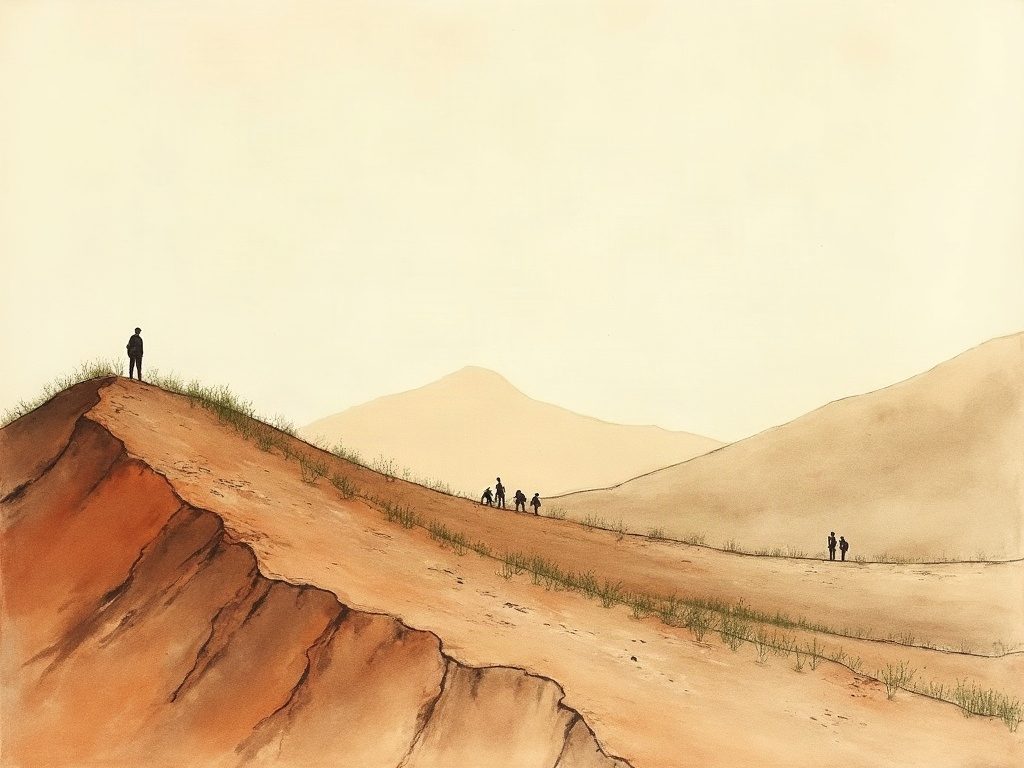
The federal government threw its full weight behind the vine. The newly created Soil Conservation Service, led by the tireless Hugh Hammond Bennett, championed kudzu as the ideal weapon against erosion. Civilian Conservation Corps crews planted an estimated hundred million seedlings across the South. Farmers were paid as much as eight dollars an acre — real money in the Depression — simply to put the vine in the ground. Bennett’s admirers captured the mood of the age in a single breathless line: what, short of a miracle, could you call a plant like this?
The prophet of the vine
Every crusade needs a preacher, and kudzu found one in Channing Cope. A columnist for the Atlanta Constitution and a popular radio voice, Cope broadcast from the porch of his Yellow River Farm south of Atlanta and preached the gospel of the miracle vine to anyone who would listen. He called kudzu “the miracle vine” without a trace of irony and believed it would restore the ruined South to abundance.
Cope did more than talk. Around 1943 he founded the Kudzu Club of America, which at its peak claimed some twenty thousand members, all devoted to spreading the plant as widely as possible. Towns held kudzu queen pageants. Children sang its praises in school. For a brief, strange moment in American history, planting an aggressive foreign vine as fast as humanly possible was treated as an act of patriotism and good sense. The love affair had reached its peak — which, as so often in these stories, was exactly the moment the ground began to shift.
When the miracle turned monster
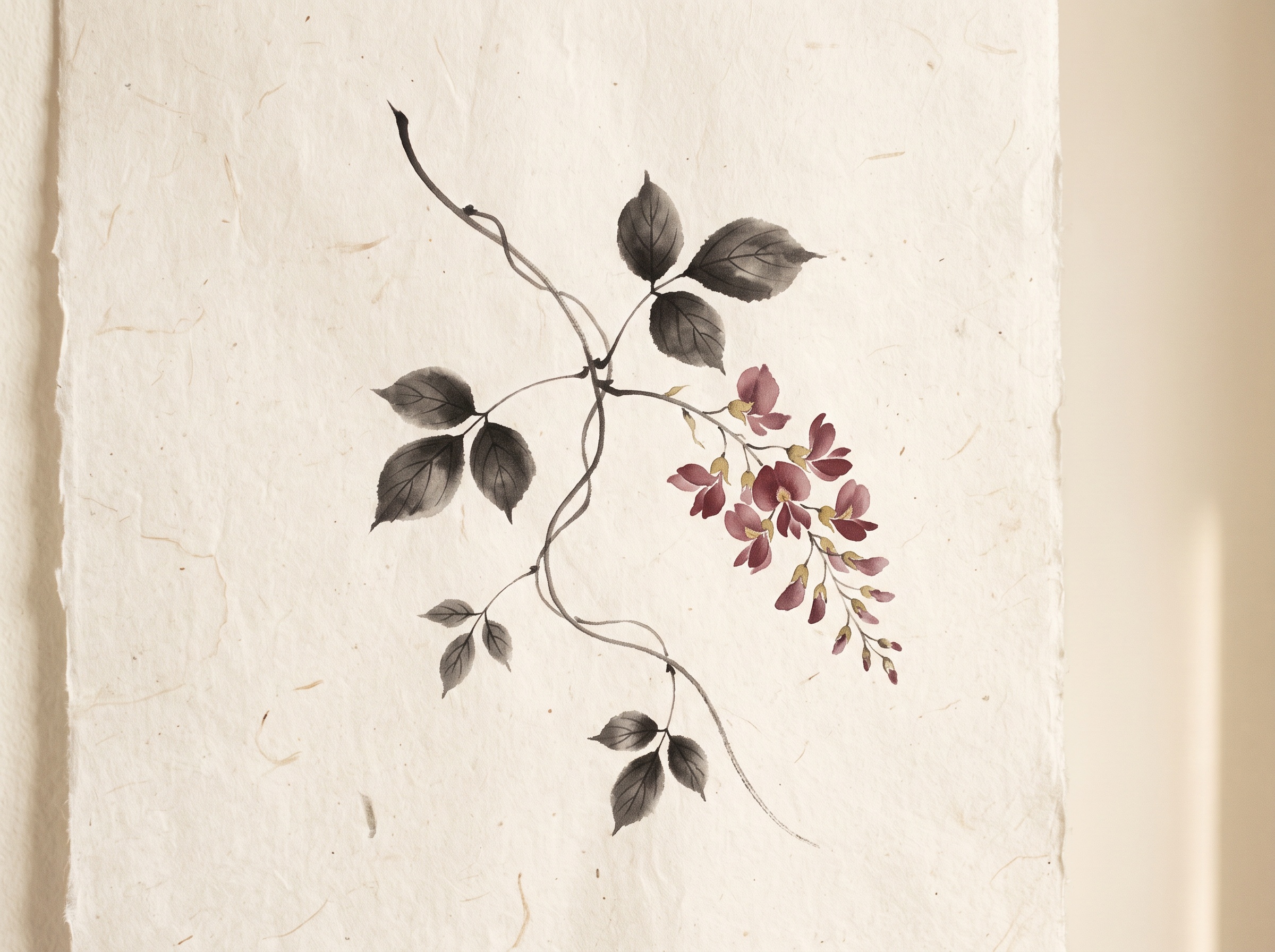
The trouble with a plant that can knit a hillside together in one summer is that it does not know when to stop. In the warm, wet Southern climate — far gentler than the cold Japanese mountains that had once kept it in check — kudzu grew with terrifying enthusiasm. In peak season a single vine can add as much as a foot in a day, sixty feet across a summer, sending runners over anything that stands still. It climbs trees and shades them to death. It smothers fences, swallows barns, and drapes itself over stalled machinery and abandoned homes until the shapes beneath become soft green ghosts.

The same qualities that made kudzu a miracle for bare dirt made it a nightmare for everything else. Farmers who had welcomed it watched it march off their eroded slopes and into their fields, orchards, and woodlots. The government that had paid to plant it slowly changed its mind. In 1953 the Department of Agriculture quietly stopped recommending kudzu as a cover crop. In 1970 it was formally declared a weed. And in 1997 kudzu landed on the federal Noxious Weed list — the same government that had once handed out cash to plant it now spending money to kill it. It was a stark lesson in unintended consequences, and hardly the only time a celebrated cure curdled into a curse; the twentieth century’s own most catastrophic wonder-inventions followed exactly the same arc from applause to alarm.
The vine that never quite ate the South
Here the legend runs ahead of the facts. For decades, kudzu has been described as an unstoppable green tide devouring seven, eight, even nine million acres of the South and swallowing another hundred and fifty thousand acres every year. It is one of those figures everyone repeats and no one checks. And when researchers finally did check, the monster shrank.

As the naturalist Bill Finch laid out in a widely cited investigation for Smithsonian magazine, the best estimates from the U.S. Forest Service put kudzu’s real footprint at closer to 227,000 acres — a fraction of the mythical millions, and spreading far more slowly than the legend claims. Kudzu turns out to be a poor competitor in a mature, shady forest; it thrives in disturbed, sun-soaked edges. The reason it looms so large in the Southern imagination is a trick of visibility: it drapes itself over the roadsides, railway cuttings, and abandoned lots we drive past every day, so it seems to be everywhere, while the deep woods just behind the green curtain often grow on untouched. The vine that ate the South mostly ate the shoulder of the highway — and our imaginations did the rest. It is a familiar pattern in history, where a vivid public fear can outrun the evidence for years, much as the early craze and slow reckoning over a dazzling new technology shows how long it can take for perception to catch up with reality.
Why the miracle vine still matters
Kudzu is not the apocalypse the roadside makes it look. But it is a real and stubborn problem — a genuine invasive that crowds out native plants, breaks budgets, and resists nearly everything short of relentless grazing, cutting, or herbicide. The point of its story is not that the danger was imaginary. It is that the danger was invited, celebrated, and subsidized by people absolutely certain they were doing good.
That is what makes kudzu worth remembering. It is a monument, tangled and green, to the confidence of experts who saw only the upside; to a government that mistook fast growth for a solution; to a whole culture that fell in love with a foreign miracle without asking what it would do once it stopped needing us. The people who planted those hundred million seedlings were not fools. They were frightened, and hopeful, and armed with the best advice of their day. A century later, their good intentions still climb the trees along the highway every summer — a quiet reminder that the cures we celebrate most loudly are exactly the ones we should watch most closely.
Sources & further reading:
- The True Story of Kudzu, the Vine That Never Truly Ate the South — Smithsonian Magazine
- How Kudzu Was Supposed to Save the South — JSTOR Daily
- Kudzu — Encyclopedia of Arkansas
More from the archive
- The Town That Burned in an Hour: The Peshtigo Fire, America’s Deadliest Wildfire, Erased by the Great Chicago Fire
- The Salad Bar Conspiracy: How a Cult Poisoned an Oregon Town to Steal an Election