The Salad Bar Conspiracy: How a Cult Poisoned an Oregon Town to Steal an Election

In late September of 1984, the emergency room in The Dalles, Oregon — a quiet town of some 10,000 people on the banks of the Columbia River — began filling with the violently ill. They came with cramps, fever, nausea, and diarrhea. First a handful, then dozens, then hundreds. Before it was over, more than 750 people had been sickened and dozens hospitalized. It was the largest outbreak of foodborne illness in Oregon’s history, and for a long time no one in the town had the faintest idea that it was not an accident at all, but the first large-scale act of bioterrorism ever committed on American soil.
A Town, a Ranch, and a Growing Unease
To understand what happened, you have to look thirty miles south of The Dalles, to a vast, dusty ranch in the hills of Wasco County. There, beginning in 1981, followers of the Indian mystic Bhagwan Shree Rajneesh had built something extraordinary: a whole city from nothing. Rajneeshpuram grew into a functioning community of thousands of red-clad devotees, with its own roads, farms, shops, and even an airstrip — an ambitious utopian experiment raised on empty land in a remarkably short time.
But utopias have neighbors, and the relationship between the commune and the surrounding county curdled into open hostility. There were fierce disputes over land use, building permits, and political control. To the longtime ranchers and townspeople, the newcomers were an alien and expanding power. To the Rajneeshees, the locals were obstructionists bent on strangling their city through zoning law. As the conflict deepened, the commune’s leadership — increasingly dominated not by the Bhagwan himself but by his fierce, sharp-tongued personal secretary, Ma Anand Sheela — began to think in terms not of coexistence but of conquest.
The Plan Nobody Could Have Guessed
The pressure point they chose was the ballot box. Two seats on the three-member Wasco County Commission were up for election that November. Whoever controlled the county controlled the land-use decisions that governed the commune’s future. The Rajneeshees hatched a two-part scheme of breathtaking cynicism. First, they would import thousands of homeless people from cities across the country to the ranch and attempt to register them as county voters — a effort that ultimately collapsed. And second, more darkly, they would suppress the votes of everyone else.
The method was biological. Members of the commune’s medical and laboratory operation cultured Salmonella Typhimurium — a bacterium that causes severe gastrointestinal illness — and prepared it in liquid form. The idea was chilling in its simplicity: if enough residents of The Dalles were too sick to reach the polls on election day, the commune’s own bloc might swing the county. Before committing to a full-scale attack, they ran a trial.
The Attack
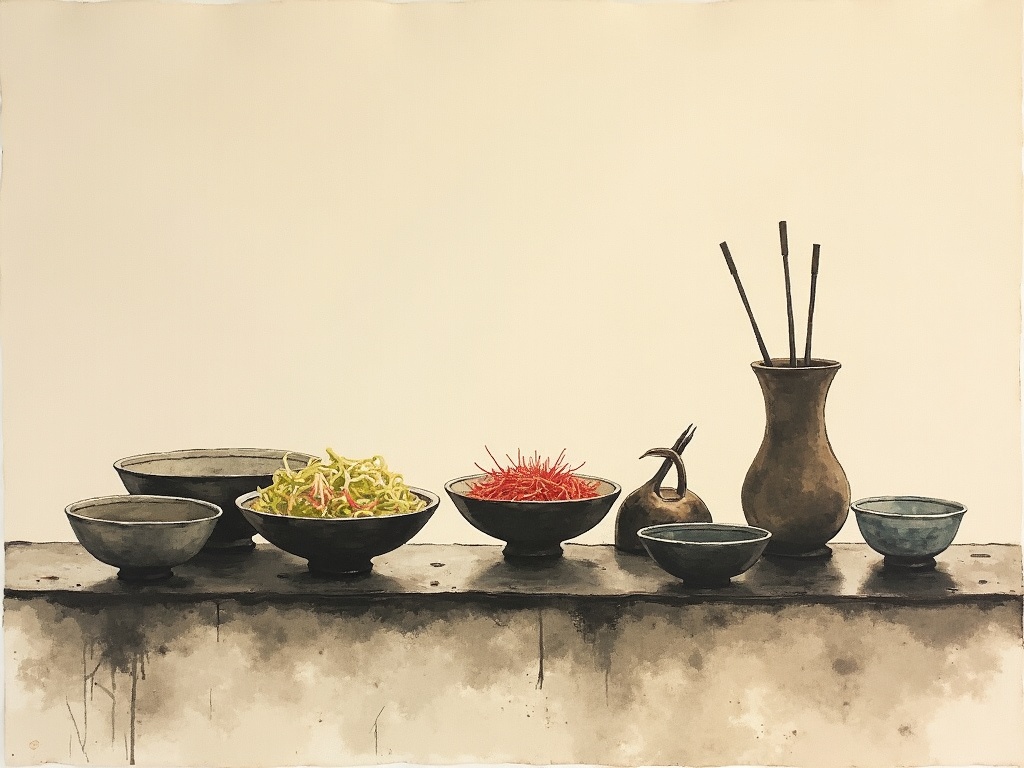
In September, commune members quietly spread the bacterial slurry in and around The Dalles. Their primary vehicle was the salad bar — that open, self-serve fixture of early-1980s American restaurants, where dressings, greens, and toppings sat exposed for hours. Conspirators sprinkled and poured the Salmonella culture onto salad bar items, into dressings, and reportedly into other exposed food and drink at ten local restaurants. Anyone who ate an innocent lunch could carry the invisible dose home.
The result was the wave of illness that swamped the town’s clinics. Public-health investigators descended, and at first the pattern baffled them. The strain of Salmonella was unusual. The outbreak was oddly diffuse, tied to no single kitchen or bad shipment. Health officials, working from the reasonable assumption that outbreaks are accidents, concluded it was most likely caused by poor hygiene among restaurant workers. Deliberate contamination was so far outside anything in the American experience that it was not seriously on the table. The truth would sit hidden for the better part of a year.
How the Truth Came Out
What ultimately exposed the plot was not brilliant detective work but the collapse of the commune itself. As Rajneeshpuram fractured under internal power struggles and legal pressure, the Bhagwan — who had been largely silent for years — turned publicly against Sheela and her inner circle after she and many of her lieutenants fled the country in 1985. He accused them of a startling list of crimes, and among the allegations was the poisoning of The Dalles. Investigators who then searched the ranch found a clandestine laboratory. Inside, they discovered a sample of the very same strain of Salmonella that had sickened the town. The accident theory dissolved. This had been an attack.
Aftermath and Reckoning
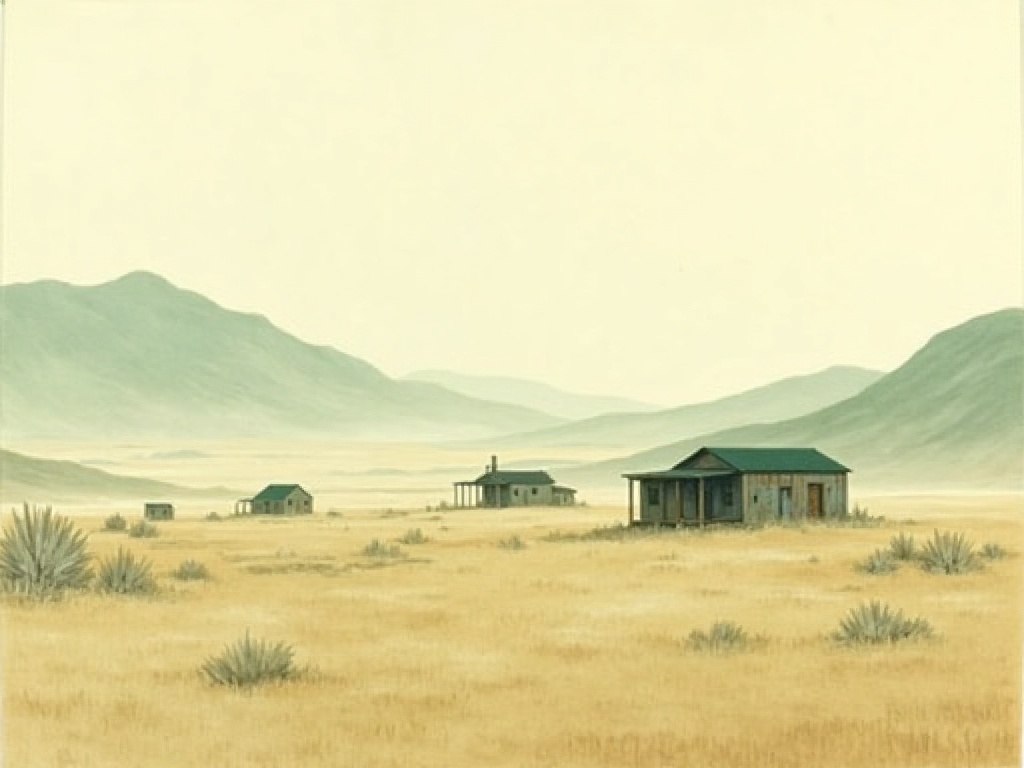
The unraveling was total. Sheela and another key figure were eventually extradited, pleaded guilty to charges including the poisoning, and served time in federal prison before being deported. The Bhagwan, for his part, pleaded guilty to immigration violations, was fined, and left the United States; the city of Rajneeshpuram emptied and was dismantled, its ambitious buildings left to the wind and the sagebrush. And remarkably — a small mercy in an ugly story — not one of the more than 750 people poisoned died. Every victim, so far as the record shows, recovered.
The election, incidentally, was a failure for the commune before the poison could even matter. Turnout among the wider county was strong, and the voter-importation scheme fell apart. The attack achieved nothing but suffering.
Why It Still Matters
The Rajneeshee salmonella attack holds a grim, singular place in history: it remains one of the only confirmed cases of a group using a biological agent to attack a civilian population on American soil, and by scale of people sickened, the largest. For years afterward it was studied quietly by those who plan for public-health emergencies, precisely because of how nearly it succeeded in staying hidden. Its most unsettling lesson is not about exotic weapons but about assumptions: an entire investigation initially missed a deliberate attack because deliberate attacks were simply not something anyone expected. Evil, when it is patient and quiet, can wear the face of an ordinary bad week.
There is something worth sitting with in that. A small town ate lunch, got sick, and healed, never guessing that its misery had been manufactured to steal a county election few outside Oregon would ever have noticed. History is full of grand villainy that announces itself. This was the other kind — the kind that hides in the salad bar, betting that no one will think to look. Someone, eventually, did.
Sources & further reading: