From Swedish Gymnastics to the War Wards: The Untold History of Physiotherapy

Walk into any modern clinic and physiotherapy looks permanent, as if it had always existed — the treatment tables, the resistance bands, the stiff shoulder being patiently taught to move again. Yet the profession is astonishingly young. Two centuries ago there was no such thing. The story of how healing-through-movement became a science runs from an ancient instinct, through a fencing hall in Stockholm, and into the blood-soaked wards of the First World War, where an army of women rebuilt broken men and, in doing so, built a profession.
An ancient instinct
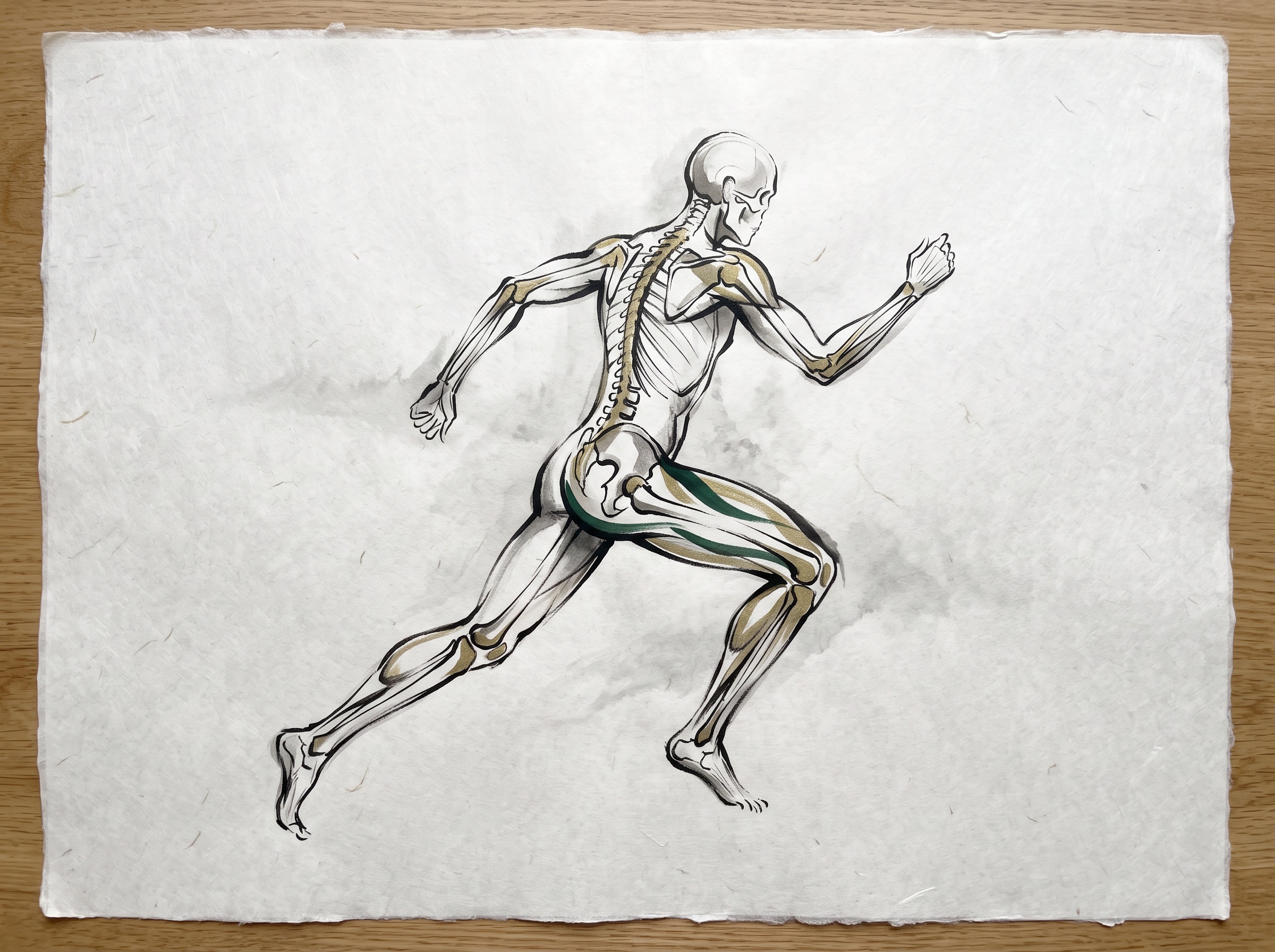
The idea that motion and touch can heal is older than any nation. Physicians in ancient Greece prescribed exercise; Hippocrates wrote of the benefits of rubbing an injured limb, and healers across China, India, and the classical world used massage, water, and movement to ease pain and restore function. For thousands of years this knowledge lived as folk wisdom and scattered medical practice — real, useful, but unsystematic. It was medicine without a method, waiting for someone to give it a spine.
The fencing master who founded a discipline
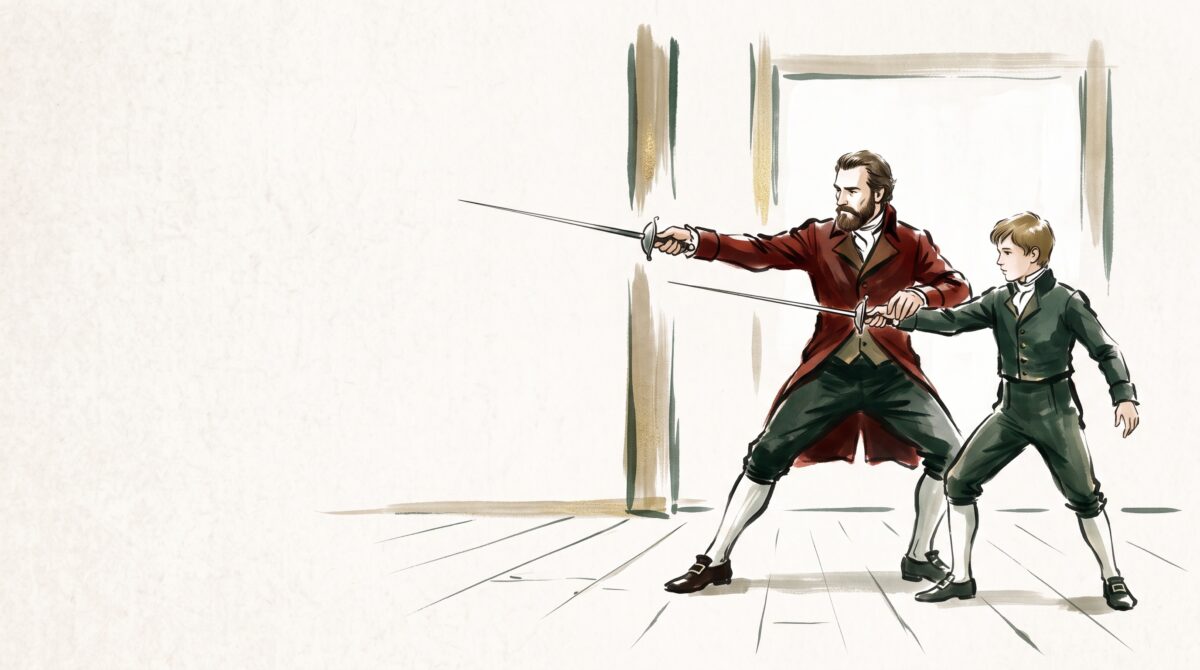
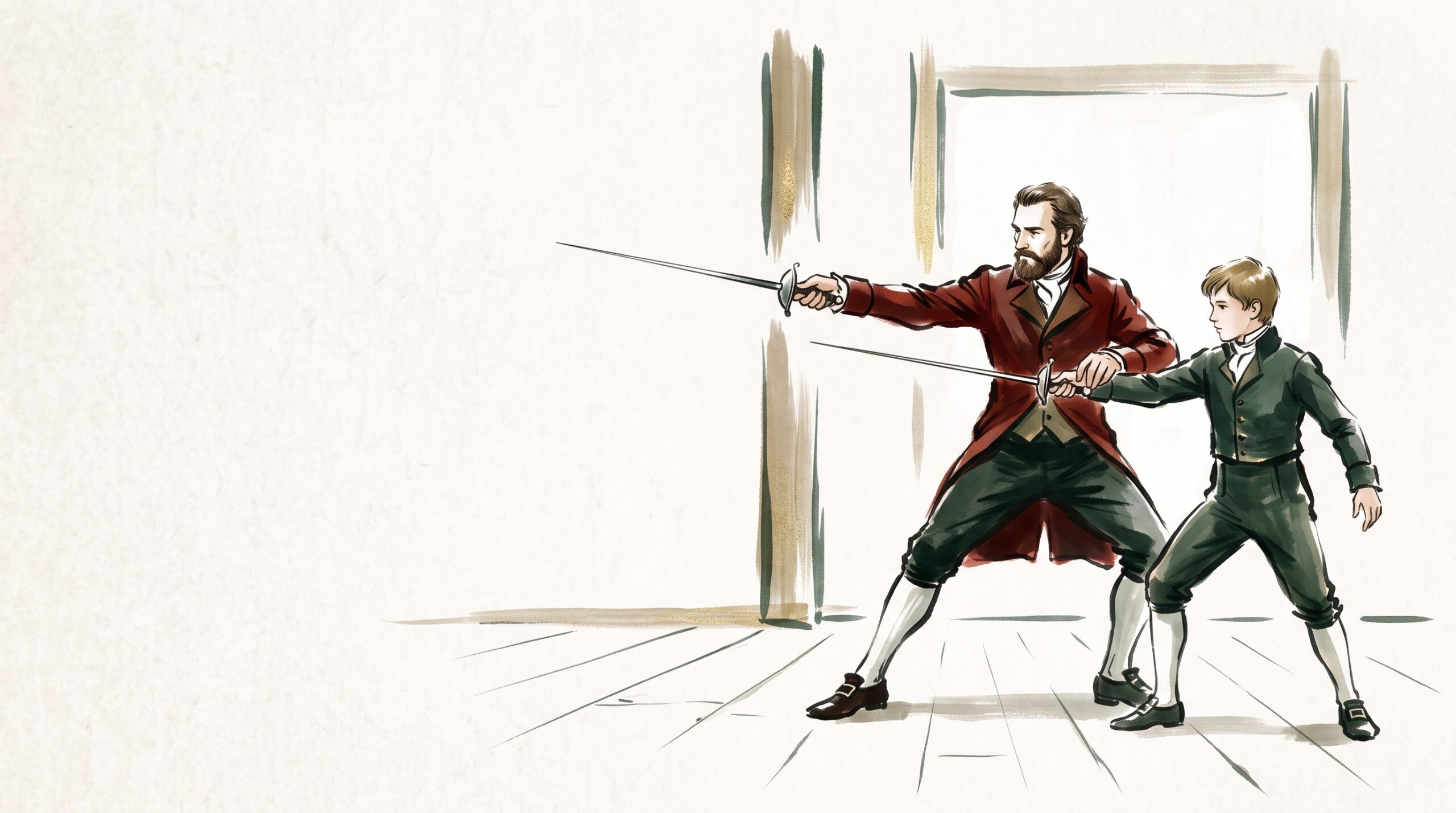
That someone was an unlikely figure: Per Henrik Ling, a Swedish poet and fencing instructor born in 1776. Ling suffered from rheumatism and, so the story goes, found that his fencing drills eased his own aching joints. Fascinated, he began to study anatomy and physiology in earnest, convinced that movement could be prescribed as precisely as any drug — that the body’s own structure should dictate exactly how it ought to be exercised and manipulated.
In 1813 he persuaded the Swedish state to establish the Royal Central Institute of Gymnastics in Stockholm, the world’s first institution to train practitioners in what became known as “Swedish gymnastics” or medical gymnastics. Here, therapeutic movement and manual treatment were taught as a system, with categories, progressions, and underlying principles. For the first time, healing by movement had a school, a curriculum, and graduates. It was the seed of an entire profession.
The system spreads
Ling’s method traveled. Through the 19th century, “Swedish movements” and medical massage spread across Europe and to America, adopted by physicians, masseuses, and gymnasiums alike. In Britain, a group of nurses and masseuses, anxious to separate honest therapeutic massage from the disrepute it had acquired in certain quarters, banded together in 1894 to form the Society of Trained Masseuses — the ancestor of today’s Chartered Society of Physiotherapy. They demanded training, examinations, and a code of conduct. The discipline was professionalizing, insisting on standards and respectability. But it was still a modest, niche pursuit. It would take a catastrophe to transform it.
The war that made a profession
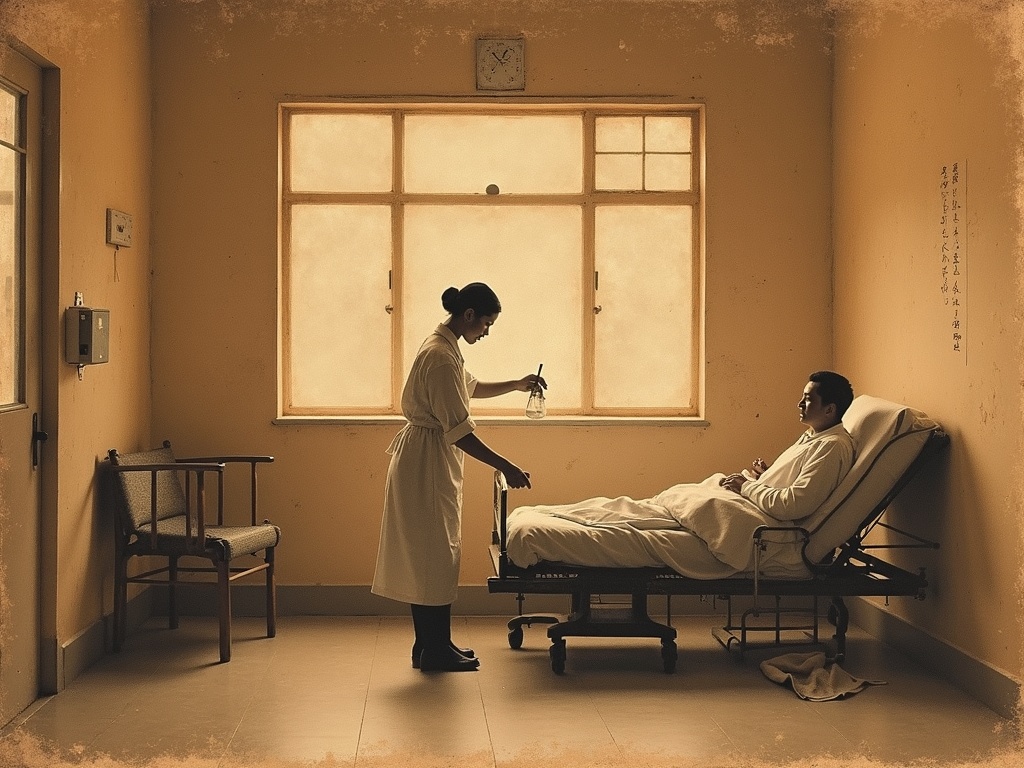
The First World War produced wounded men on a scale the world had never seen — hundreds of thousands maimed, paralyzed, and shattered, many young and otherwise strong, and desperately in need not merely of survival but of recovery. Amputations, nerve damage, shell injuries, and shattered limbs demanded something more than a surgeon and a bed. They demanded rehabilitation: the patient, skilled, hands-on work of coaxing wasted muscles and frozen joints back to life.
To meet the need, women were recruited and trained in large numbers. In the United States they were called reconstruction aides — women who worked in military hospitals massaging, exercising, and re-educating the bodies of wounded soldiers. Figures like Mary McMillan, often regarded as a founder of American physical therapy, led this work, turning wards of despairing casualties into places of measurable progress. In Britain, Canada, Australia, and beyond, similar corps of therapists did the same. What had been a specialist curiosity became, almost overnight, an essential arm of military medicine.
From the wards to a recognized profession
The war ended, but the need did not. The soldiers who had been rebuilt went home; the therapists who rebuilt them had proven, beyond argument, that structured rehabilitation worked. The interwar decades brought professional associations, formal qualifications, and hospital departments. Then came the polio epidemics of the early 20th century, which put physiotherapists at the center of another great struggle — helping paralyzed children and adults regain movement — and cemented the profession’s place in public health.
Through the rest of the century the field matured into something Ling would scarcely recognize in scale, yet would instantly recognize in spirit: a clinical science grounded in anatomy and evidence, spanning orthopedics, neurology, cardiac and respiratory care, sports medicine, and beyond. The intuition had become a discipline governed by research and measured outcomes.
Why the story still matters
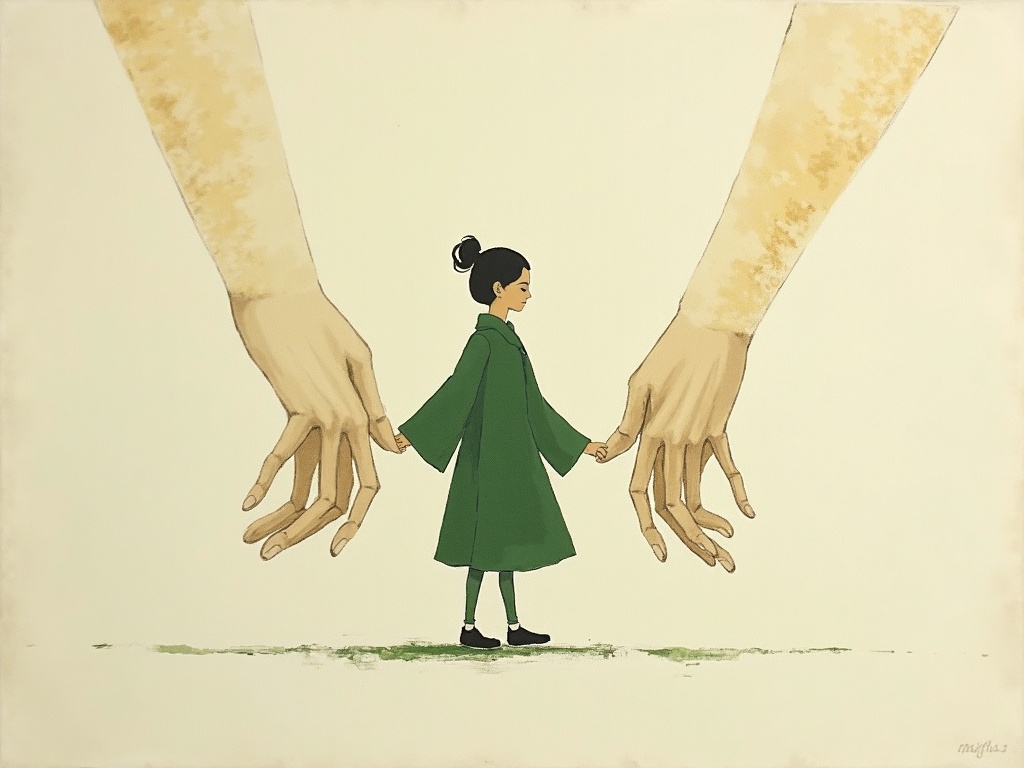
There is something quietly moving in this lineage — a rheumatic fencing master who suspected that movement was medicine, a society of masseuses who demanded to be taken seriously, and a generation of women who proved it in the worst wards of the worst war the world had yet known. Every time a physiotherapist today guides a patient through a first tentative step after surgery, or teaches an aging shoulder to reach again, they are the living end of that thread.
Physiotherapy reminds us that some of the most humane advances in medicine came not from a single dazzling discovery but from patient, unglamorous, hands-on work — and from people willing to insist that the body, given the right movement at the right time, wants to heal. Two hundred years on, that conviction is as true as it ever was.
More from the archive
- Tarrare: The Soldier Who Could Not Stop Eating
- The Romans Invented Self-Healing Concrete That Outlasted Our Modern Technology by 2,000 Years
- The Doctor Who Discovered Clean Hands and Was Destroyed for It: Ignaz Semmelweis