“We Are Holding Our Own”: The Last Voyage of the Edmund Fitzgerald

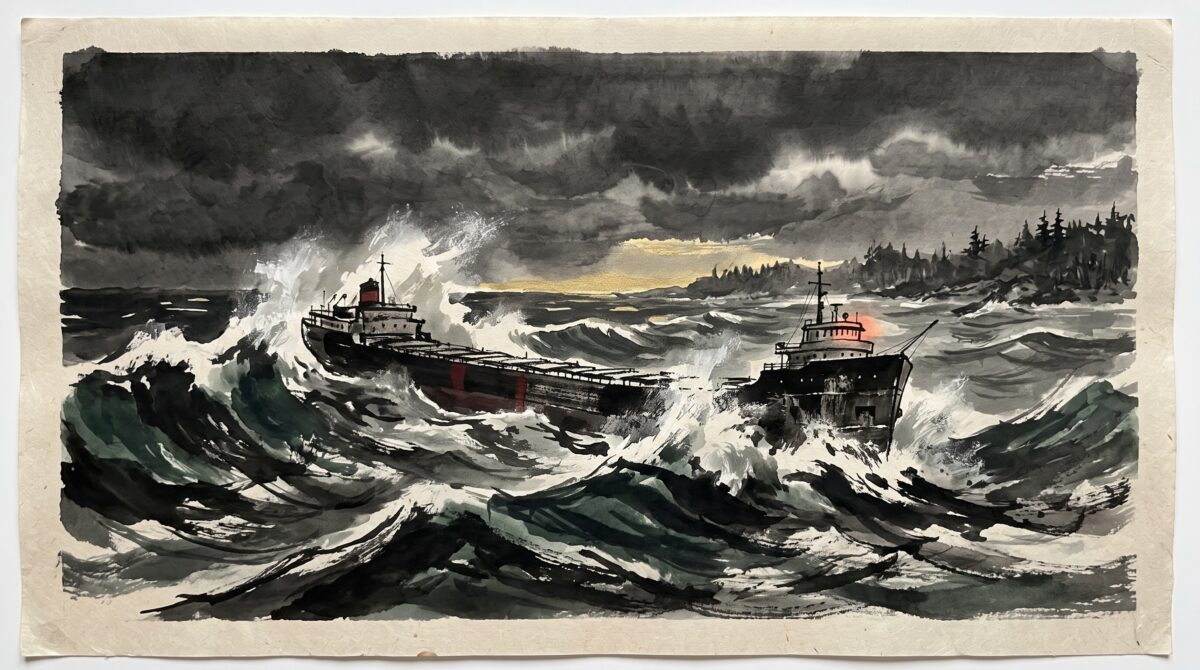
The gales of November came early in 1975. On the afternoon of the 9th, a freighter longer than two football fields eased out of Superior, Wisconsin, her cavernous holds packed with 26,000 tons of taconite iron-ore pellets bound for the mills near Detroit. Her captain, Ernest McSorley, was a seasoned mariner nearing retirement, and Lake Superior had been kind to him for decades. Within thirty hours, the great ship and every soul aboard would be gone — and no one alive would ever fully know why.
Queen of the Lakes
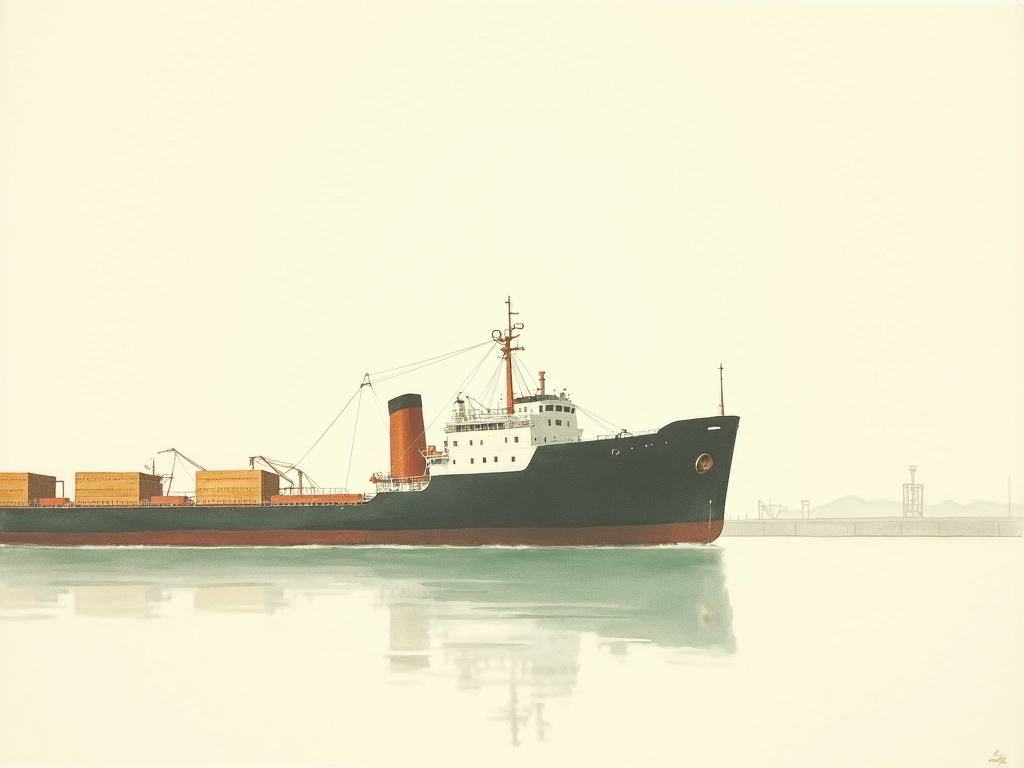
When the SS Edmund Fitzgerald slid down the ways in 1958, crowds gathered to watch. At 729 feet, she was for a time the largest ship on the Great Lakes — a floating steel giant that earned the affectionate title “queen of the lakes.” She was built for a single unglamorous purpose: to haul iron ore, endlessly, from the mines of Minnesota and Wisconsin to the hungry furnaces of the industrial east.
For seventeen years she did exactly that, setting seasonal haulage records and becoming a familiar, almost beloved sight along the lakes. Sailors called her “Big Fitz” and “the Pride of the American Side.” She was fast, she was huge, and she was reliable. To the men who worked her decks and the shore crews who watched her pass, she seemed less like a machine than a fixture of the water itself — permanent, unsinkable.
Into the Teeth of the Storm
The forecast on November 9 warned of weather, but November storms are the price of doing business on the lakes, and the Fitzgerald had ridden out plenty. She was not alone: a second freighter, the Arthur M. Anderson, was making the same crossing, and the two captains agreed to travel a northern route in loose company, hoping the shoreline would blunt the worst of the wind.
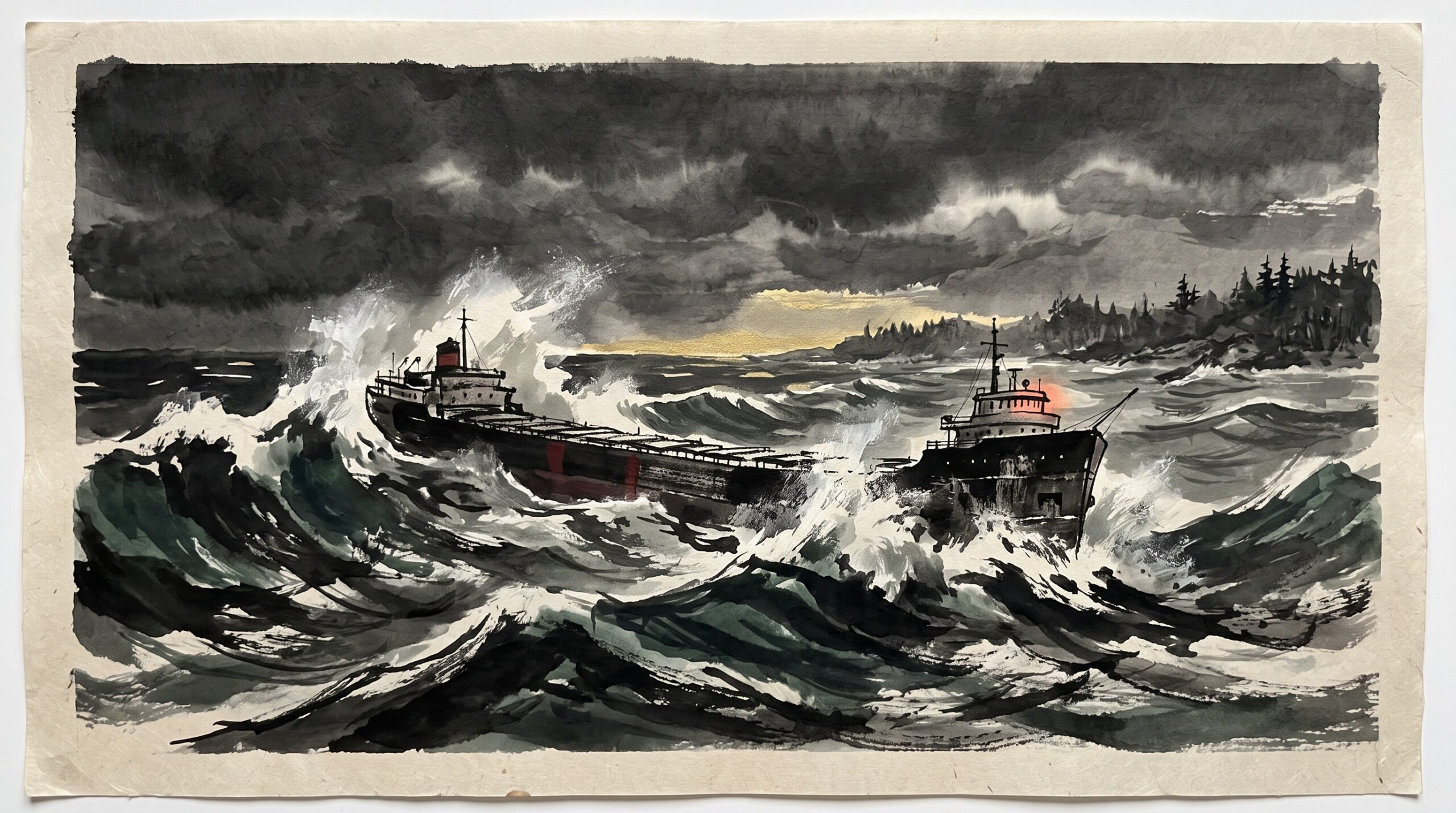
The worst, when it came, was almost beyond reckoning. By the afternoon of November 10, Lake Superior had transformed into something monstrous. Winds screamed to hurricane force, with gusts near 90 miles per hour. Waves rose 25, 30, even 35 feet, marching in from the northwest like moving hills of black water. Snow blinded the pilothouse windows. This was no ordinary autumn blow; it was one of the fiercest storms the lake had seen in a generation.
Trouble on the Water
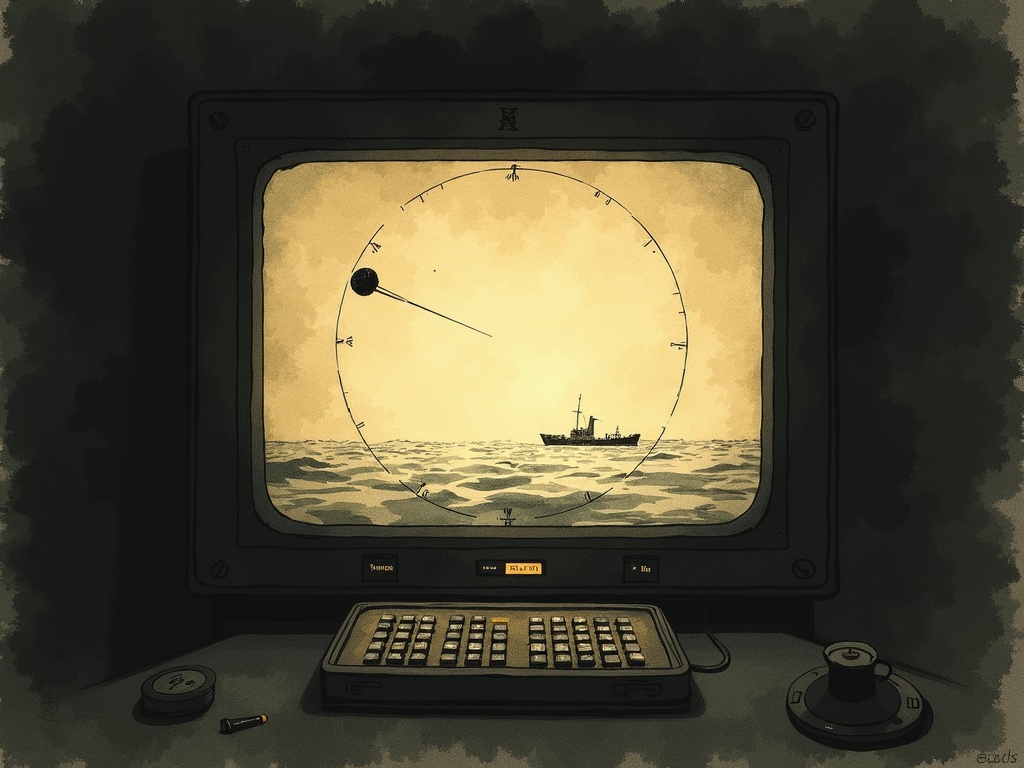
As the afternoon wore on, McSorley began radioing the Anderson with a mounting list of troubles. The Fitzgerald had taken topside damage — a fence railing down, vents lost, and worst of all, a list, the telltale lean of a ship taking on water somewhere she should not. Both of her pumps were running hard. Then her radar failed, leaving McSorley effectively blind in a whiteout, forced to navigate by the Anderson’s guidance from miles behind.
Yet McSorley’s voice, by every account, stayed steady. He asked the Anderson to keep tabs on him. He reported one of the worst seas he had ever been in. And near the end, when the Anderson’s mate asked how the Fitzgerald was making out with her problems, McSorley gave the reply that would echo for decades: “We are holding our own.”
Gone in an Instant
Those were among the last words anyone heard from the Edmund Fitzgerald. It was around 7:10 in the evening on November 10. A heavy snow squall swept between the two ships, blotting the Fitzgerald from view. When it cleared minutes later, the Anderson’s crew peered into the dark and saw nothing — no running lights, no silhouette, no answering call on the radio. The giant that had filled their radar screen for hours was simply not there.
She had gone down in about 530 feet of water, roughly 17 miles from the sheltering arms of Whitefish Bay — agonizingly close to safety. There had been no mayday, no distress flare, no time. Whatever took her took her in seconds, so fast that 29 experienced sailors never keyed a radio or launched a boat. When rescue efforts finally reached the area, they found only debris, oil slicks, and empty lifeboats torn apart. Not one of the 29 men was ever recovered.
The Riddle of the Deep
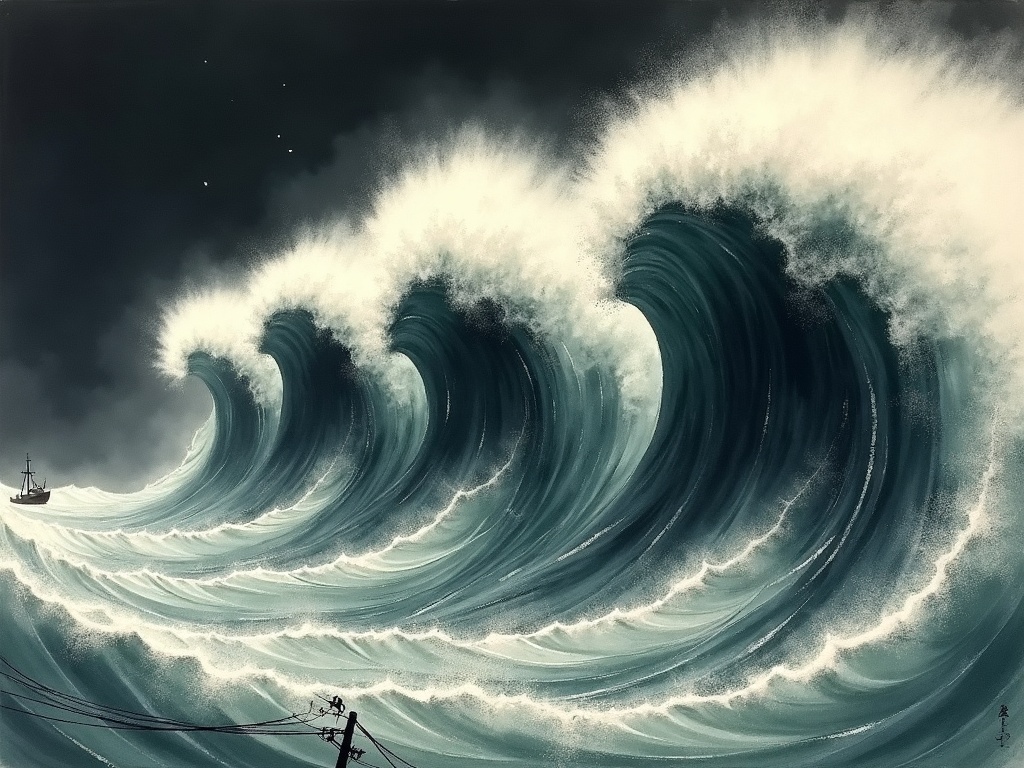
Why did she sink? Half a century later, the question still has no settled answer, only competing theories argued by investigators, engineers, and old lake sailors. Some point to the hatch covers: if the great steel lids over her cargo holds failed or leaked, she could have flooded progressively until, heavy and low, she plunged bow-first without warning. Others blame the “three sisters” — a set of three towering rogue waves said to roll across Superior in quick succession, capable of burying a ship’s deck under tons of water she could not shed in time.
Still others suspect she struck or scraped a shoal near Caribou Island, tearing her hull, or that the sheer stress of the storm broke her spine and snapped her in two. When divers and submersibles later surveyed the wreck, they found her lying on the cold lakebed in two massive pieces — consistent with a ship that broke apart, though whether that happened on the surface or as she sank remains disputed. The lake keeps its secret.
The Song and the Bell
What might have faded into a footnote of maritime history became instead the most famous shipwreck in the story of the Great Lakes. The next year, folk singer Gordon Lightfoot read a magazine account of the disaster and set it to music. “The Wreck of the Edmund Fitzgerald,” released in 1976, became a haunting hit, carrying the names of the lost far beyond the shores of Superior and etching the tragedy into the public memory of a continent.
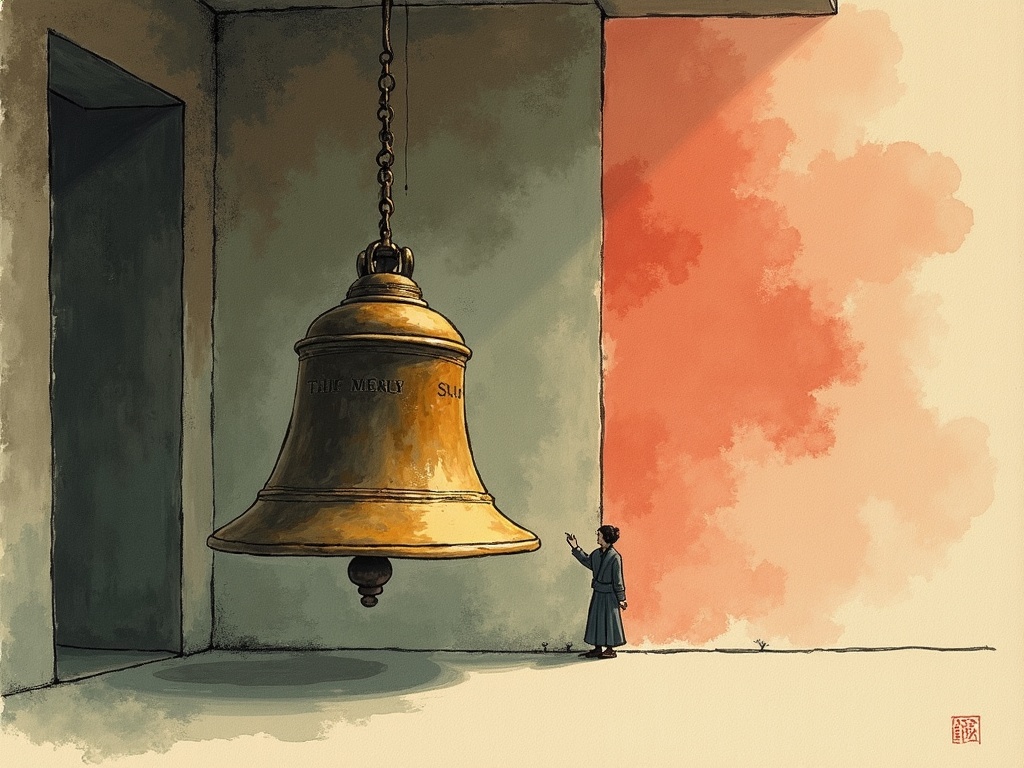
But the most enduring memorial is quieter. In 1995, a dive expedition recovered the ship’s bronze bell from the wreck and replaced it on the hull with a new one engraved with the names of the crew. The original bell now rests at a Great Lakes maritime museum, and each year it is rung 29 times — once for every man lost. At the Mariners’ Church of Detroit, a bell has tolled the same solemn count, a slow procession of chimes for fathers, sons, and shipmates who sailed into the storm and never came back.
Why It Still Matters
It is easy, from dry land, to imagine the Great Lakes as gentle inland waters. The Edmund Fitzgerald reminds us otherwise. She was the biggest, the strongest, the pride of the fleet — and the lake took her anyway, in the time it takes to lose sight of a friend through falling snow. Her wreck is a monument to the limits of human confidence against the raw power of nature.
Yet what lingers most is not the mystery of the hatch covers or the argument over rogue waves. It is the men. Twenty-nine of them, ordinary workers doing a hard job in a hard season, who said they were holding their own and then were gone. Half a century on, the bell still tolls for them — not to solve the riddle of how they died, but to insist that they lived, and that they mattered. That is why we still tell the story: because remembering is the last thing we can do for the sailors the lake never gave back.
Sources & further reading:
Related Reading
- The Eastland Disaster: The Ship That Capsized at the Dock and Drowned 844 in the Chicago River
- Miss Unsinkable: The Stewardess Who Walked Away From the Titanic, the Britannic, and the Sea Itself
- The Flannan Isles Mystery: The Night Three Lighthouse Keepers Vanished