The Black Donnellys

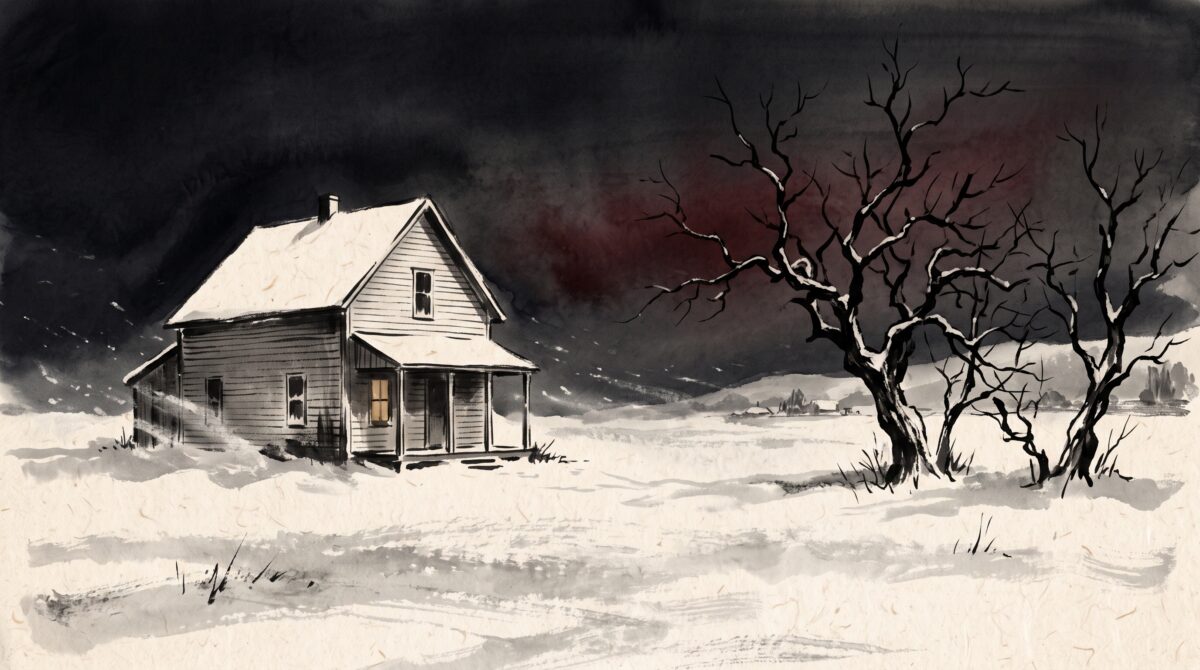
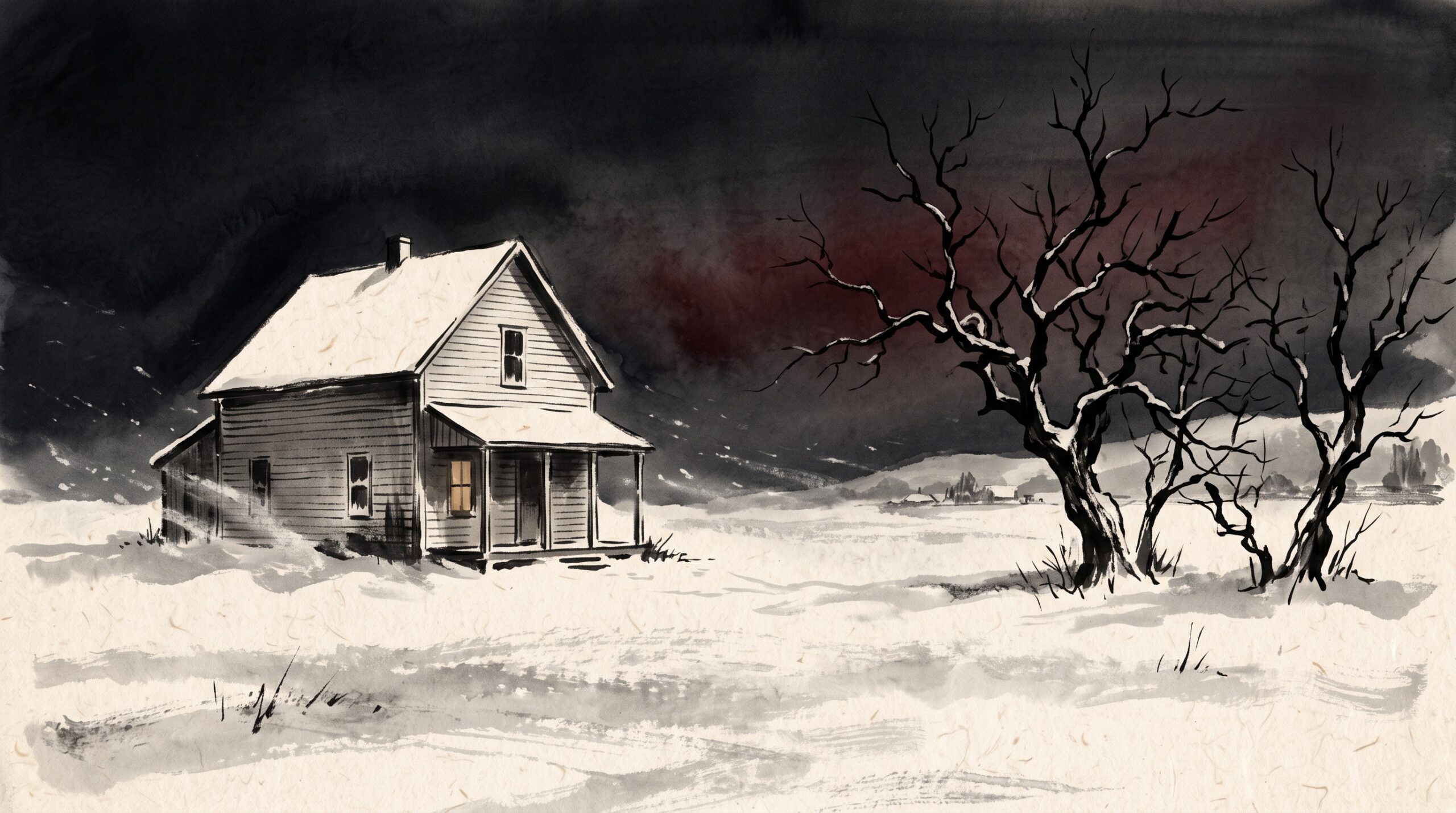
On a bitter February night in 1880, in a snow-locked corner of Ontario called Biddulph Township, a family answered a knock at the door and vanished from the world by morning. What was left behind was blood on the floorboards, a farmhouse burning against the dark, and a question that has never been fully answered: how does an entire community agree to murder its neighbours and then, for two full years of trials, agree to remember nothing at all?
The family were the Donnellys. History would call them the Black Donnellys, and their story begins not in Canada but in the green, quarrelsome hills of Ireland.
A Grudge That Crossed an Ocean
James Donnelly and his wife Johannah came from County Tipperary, a place where rival factions had feuded for generations — clans and parishes that brawled at fairs and markets over land, honour, and grudges so old no one could name their beginning. When famine and hardship pushed the Donnellys across the Atlantic in the 1840s, they did not leave those loyalties behind. They packed them like seed grain.
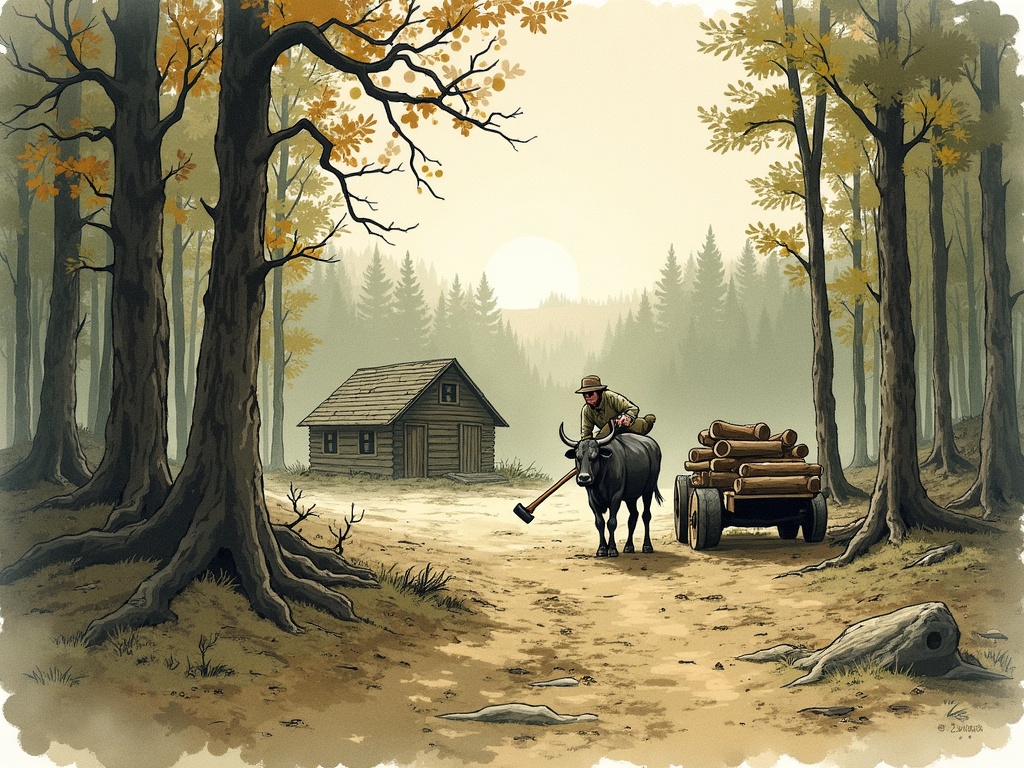
They settled near the village of Lucan, hacking a farm out of the hardwood bush. But in the rush for land, James claimed a lot and only ever paid for half of it, and that half-settled title became a splinter that would fester for decades. Their neighbours were largely other Tipperary Irish, and the old-country divisions — layered over with disputes about property lines, stagecoach routes, and who owed whom a beating — took frighteningly easy root in the new soil.
Blood at the Logging Bee
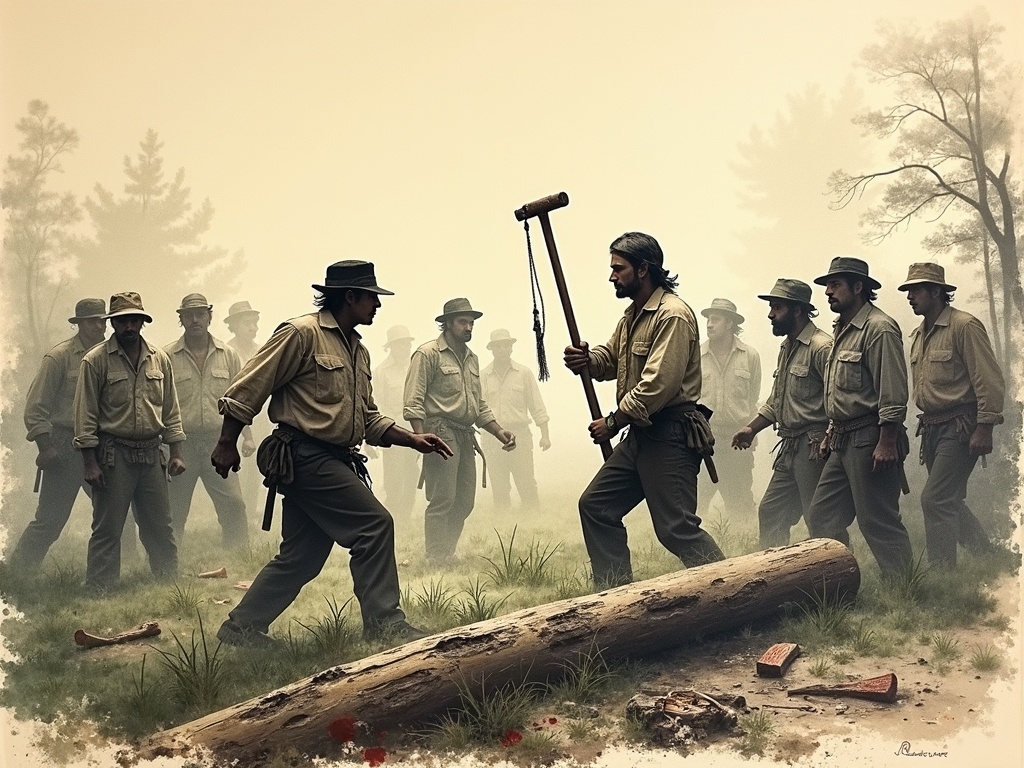
The feud turned lethal in 1857. At a communal logging bee, drink and old animosity collided, and James Donnelly killed a neighbour named Patrick Farrell with a blow to the head. Donnelly went on the run, hidden by his family for months, before surrendering. He was sentenced to hang.
Then something remarkable happened: a petition circulated, mercy was granted, and the death sentence was commuted to seven years in prison. Johannah kept the farm and the growing brood of sons alive alone while her husband served his time. When James finally came home, he returned to a household of hard young men who had learned that the Donnellys survived by giving no ground and taking every insult personally.
The Reign of the Sons
There were seven Donnelly sons, and by the 1870s their reputation had curdled into legend. Barns burned. Horses were found mutilated. Rivals were thrashed on lonely roads. Some of it the Donnellys certainly did; a great deal more was surely blamed on them because blaming the Donnellys had become a local reflex.
The family also ran a stagecoach line between Lucan and London, and the competition on that route was waged with fists, sabotage, and slashed harnesses. Witnesses against them had a way of losing their nerve before trial. Juries acquitted. To their enemies, this looked less like innocence than like a family that had made itself untouchable — a clan that laughed at the law because the law could never quite lay a hand on them.
Fear, left to simmer that long, does not stay fear. It becomes resolve.
The Peace Society
By the late 1870s a group of Biddulph men had had enough. Gathered around the local Catholic parish and its priest’s frustration with the endless lawlessness, they formed a vigilance committee — a self-appointed brotherhood that took, with grim irony, the name of a Peace Society. Its members swore oaths and pledged to bring the Donnellys to heel by whatever means the courts had failed to provide.
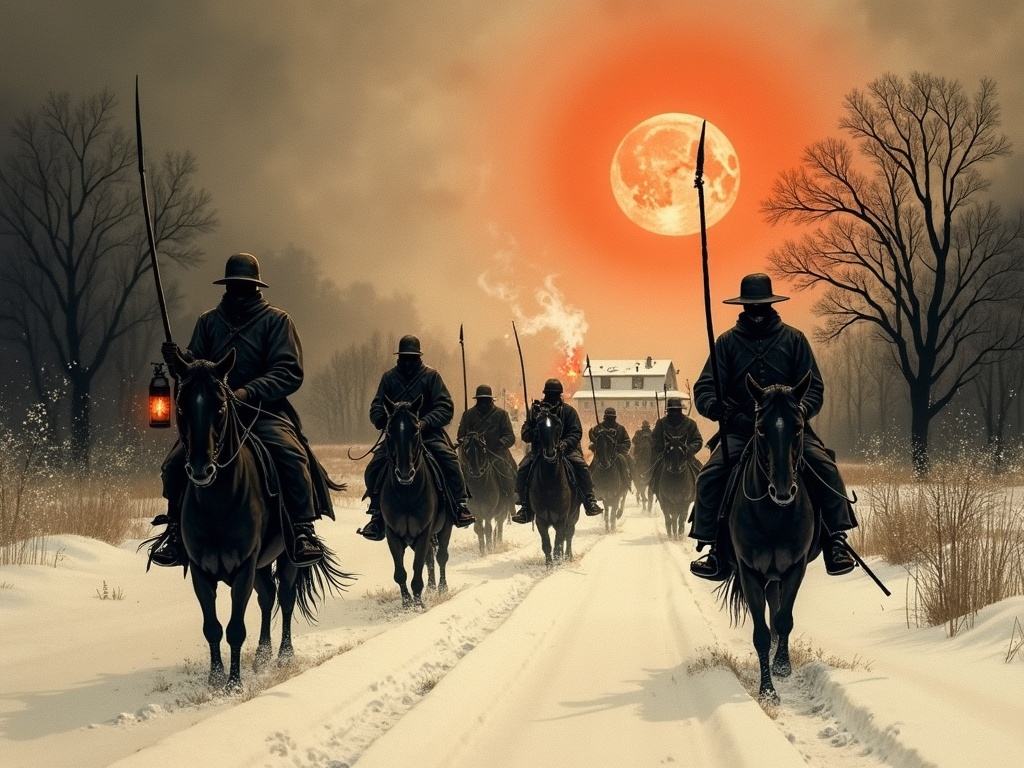
At its centre was a man named James Carroll, a local constable who wore a badge of real authority and a personal hatred of the family in equal measure. Warrants were sworn out. Petty charges were laid. And on the night of 3 February 1880, the committee met at the Cedar Swamp Schoolhouse, drank to steady their nerves, and set out across the frozen fields with clubs and lanterns.
The Night of 4 February 1880
Staying in the Donnelly house that night was a boy named Johnny O’Connor, barely eleven, keeping company while a family member was away. He would become the single most important witness in Canadian criminal history.
Carroll entered first, under the pretence of an arrest, and clapped handcuffs on one of the sons. Then the mob poured through the door. In minutes they beat James Donnelly, his wife Johannah, their son Tom, and their visiting niece Bridget to death with spades, clubs, and a pitchfork. They set the house alight to bury the crime in ashes. Johnny O’Connor hid beneath a bed, then crawled out through the smoke and fled barefoot across the snow to raise the alarm.
The killers were not finished. They rode on to the home of another son, William, meaning to end the bloodline entirely. William was not there — but his brother John came to the door and was cut down on the threshold by a shotgun blast meant for someone else. Five Donnellys dead before dawn, and a whole township that had, in some sense, agreed it should happen.
The Silence That Followed
Johnny O’Connor named names. He had watched by firelight and he did not forget. Six men, Carroll among them, were charged and brought to trial, and for two years the courts of Ontario tried to convict them. It should have been simple. It was impossible.
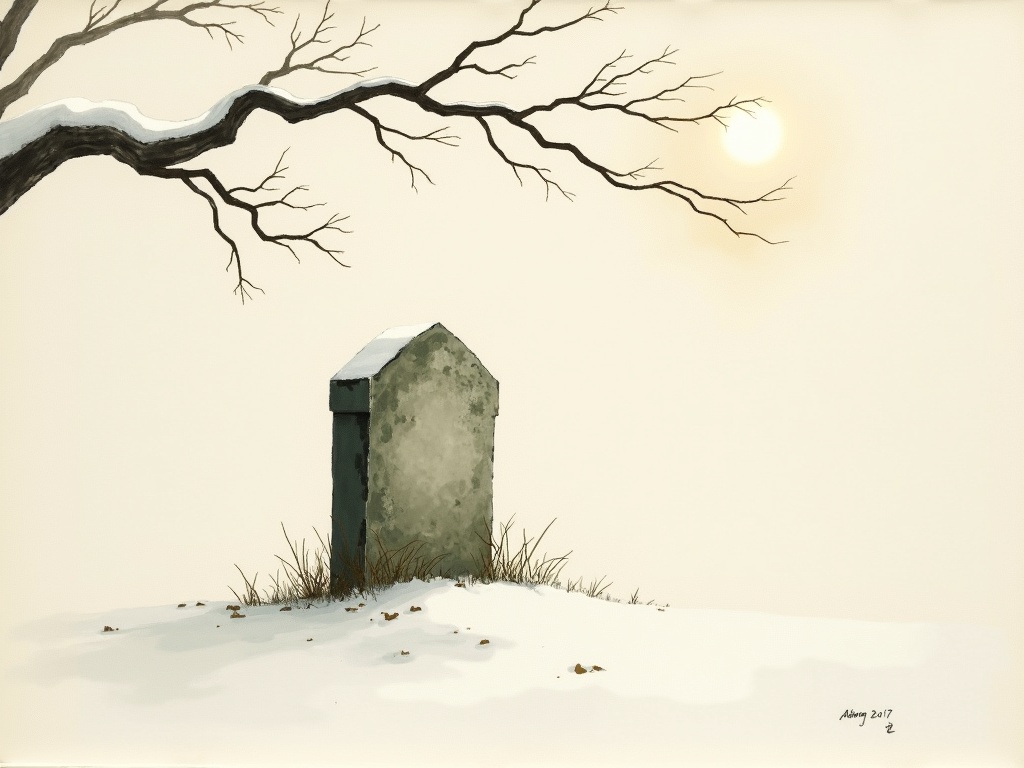
Witnesses developed convenient blindness. Alibis multiplied. The community that had built the mob now built a wall around it, and the jury would not — could not — convict its own. In the end, not a single person was ever found guilty of killing five people. The Donnellys were buried in St. Patrick’s cemetery, and in time a headstone rose over them bearing the blunt, unforgiving word the law had refused to speak: MURDERED.
What lingers about the Black Donnellys is not the violence — the nineteenth century had violence to spare — but the silence that swallowed it. A community can carry a grudge so long that it forgets the grudge and remembers only the hatred. It can decide, quietly and collectively, that some people are outside the protection of the law, and then it can look a courtroom in the eye and feel no shame. The Donnellys were no saints; they gave as good as they got for thirty years. But the deeper horror of that February night is how ordinary the killers were, and how easily their neighbours agreed never to have seen a thing. That is the part of the story that should still keep us up at night — not the mob at the door, but the town that swore it was asleep.
Sources & further reading:
- Black Donnellys — Wikipedia
- Timeline of the Black Donnellys — Wikipedia
- History — Lucan Area Heritage & Donnelly Museum
More from the archive
- Shanawdithit: The Last of the Beothuk
- The Hinterkaifeck Murders: The Farm Where the Killer Lived in the Attic
- How the Black Death Set the Stage for the Peasants’ Revolt