The Good Maharaja Who Saved Hundreds of Polish Orphans

In the spring of 1942, a battered ship put in on the coast of western India carrying a cargo the great powers of the world had spent three years refusing to touch: children. Hundreds of them, Polish, hollow-cheeked, many without shoes, most without parents, all of them survivors of a journey that had already killed thousands of others like them. They had crossed half the earth — from the pine forests of Poland to the frozen camps of Siberia, down through Central Asia and across the sea — and at nearly every stop, a border or a government had turned them away.
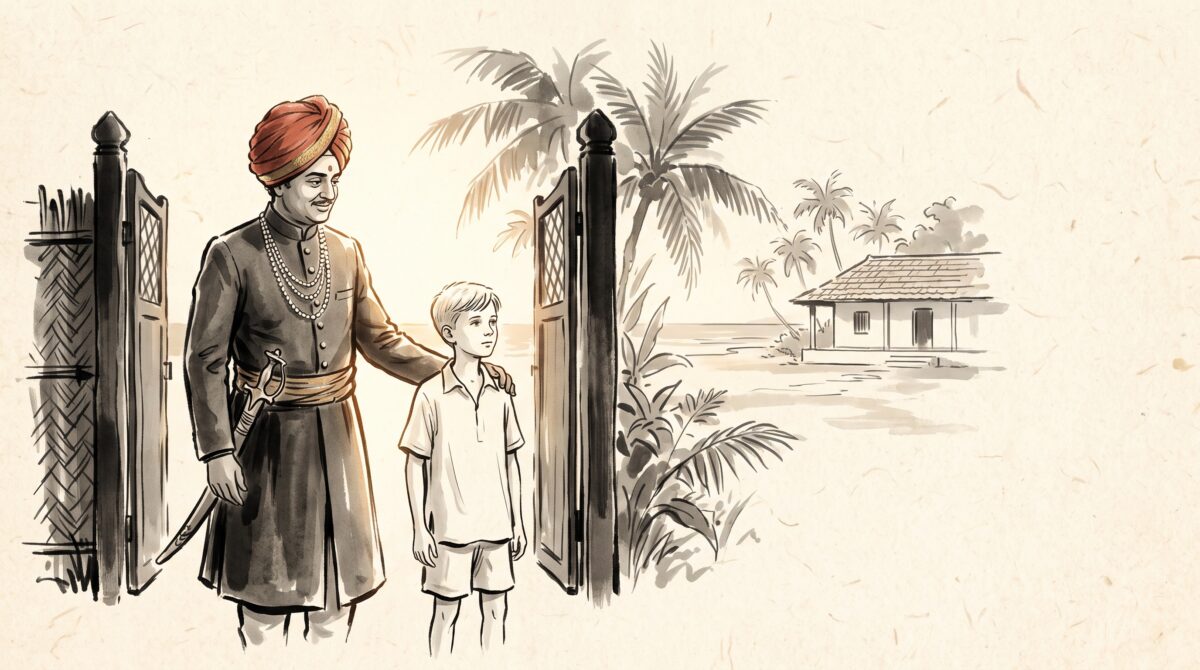
Then a small brown-skinned man in a turban walked down to meet them, looked at the frightened faces, and said something no official had said in years. He told them they were home.
A Country Torn in Two
Their ordeal had begun in September 1939, when Poland was invaded from the west by Nazi Germany and, weeks later, from the east by the Soviet Union. The two powers carved the country between them like a carcass. In the Soviet-held east, Stalin’s government set about erasing Poland as a nation. Anyone who might one day resist — officers, teachers, landowners, foresters, civil servants and their families — was branded an enemy of the state.
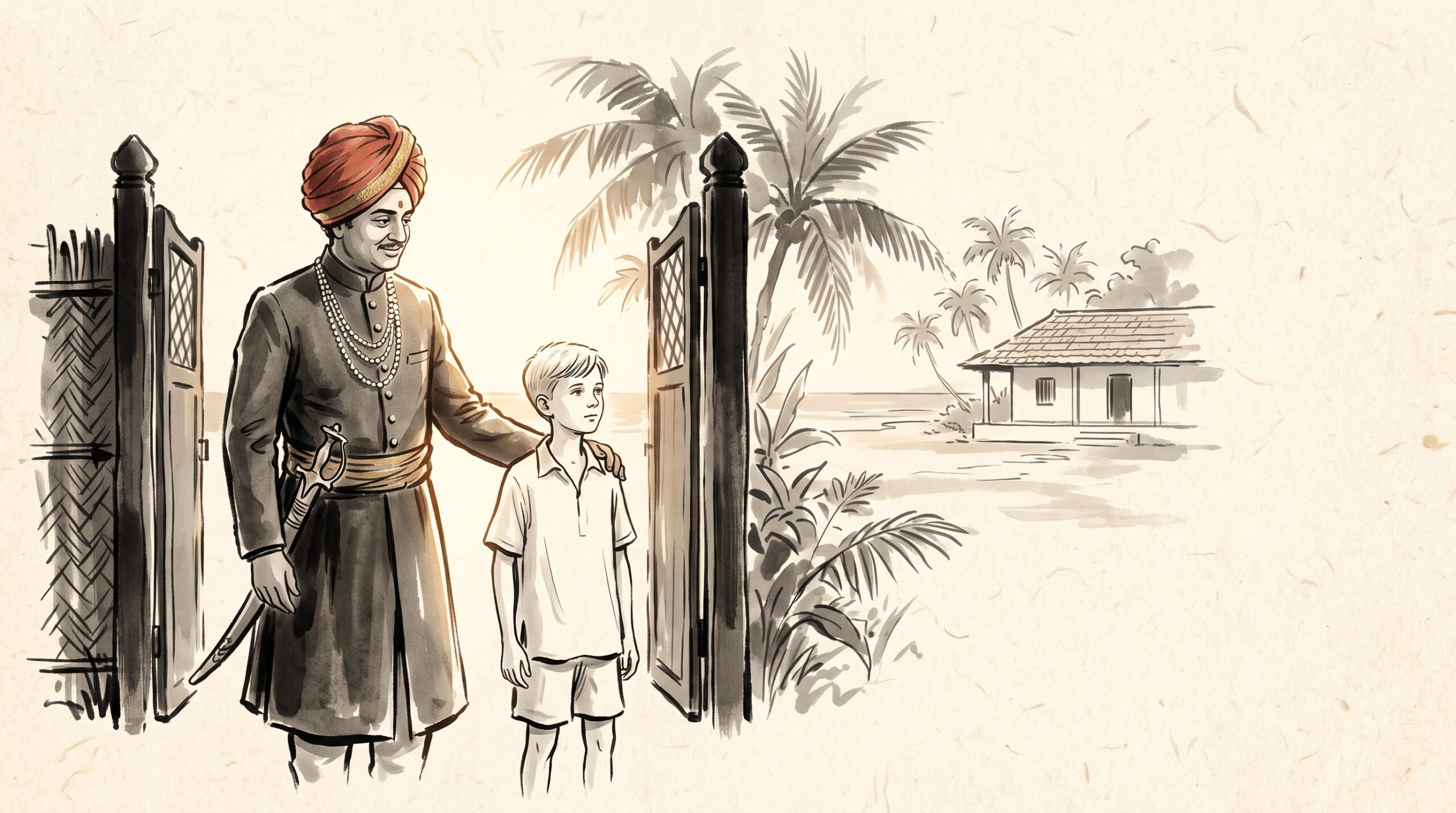
What followed was mass deportation on a scale hard to imagine. Whole families were roused from their beds in the dead of night, given minutes to gather what they could carry, and herded into unheated cattle wagons. The trains rolled east for weeks toward the labour camps and special settlements of Siberia and the Central Asian steppe. Cold, hunger, and disease thinned the passengers before they ever arrived. Hundreds of thousands of Polish citizens vanished into that vast interior, and a great many of them were children.
The Long Way Out
Fate turned in 1941. When Germany broke its pact and invaded the Soviet Union, Stalin abruptly needed Poland as an ally rather than a victim. An amnesty was declared for the deported Poles, and a Polish army began forming on Soviet soil. As soldiers gathered, so did a tide of civilians — the sick, the widowed, and above all the orphaned children — who attached themselves to that army as their only hope of escape.
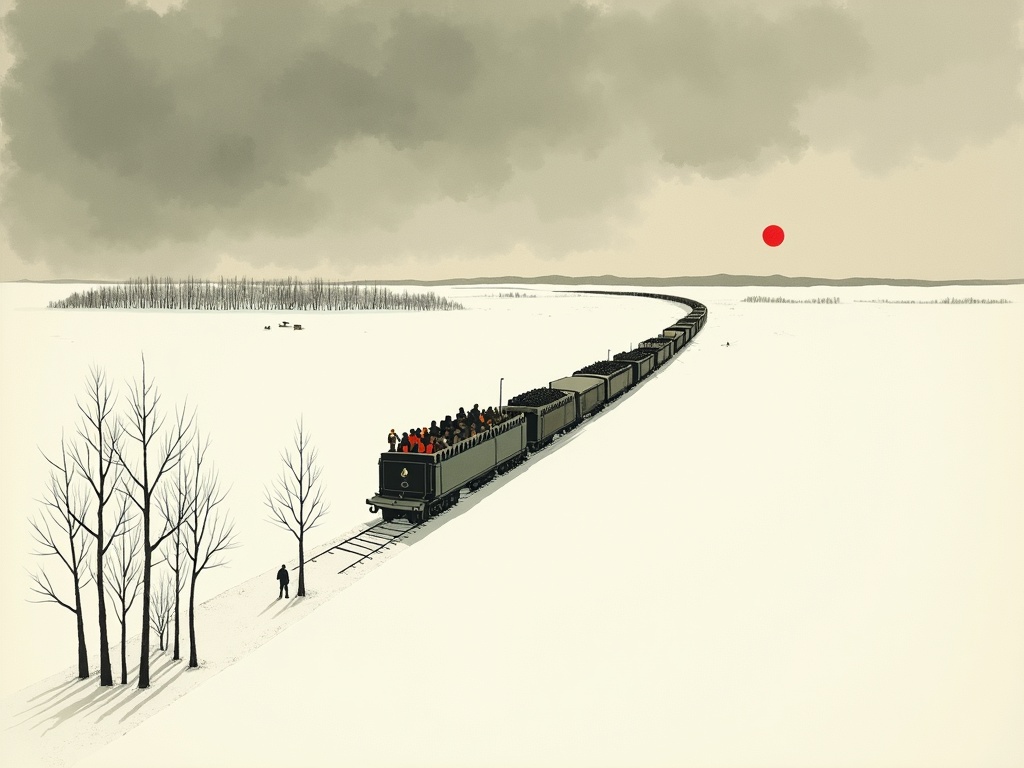
They streamed south and out of the Soviet Union through Persia, a ragged exodus of the starving. Many were the sole survivors of their families; some no longer knew whether their parents were alive or dead. They needed somewhere — anywhere — to go. But the world in 1942 was at war and in no mood for charity. One country after another found reasons to keep its doors shut. These were not soldiers or diplomats. They were simply children nobody wanted.
The Prince Who Said Yes
The man who changed their fate ruled a place most of the refugees had never heard of. Jam Saheb Digvijaysinhji Ranjitsinhji Jadeja was the Maharaja of Nawanagar, a small princely state on the Kathiawar Peninsula in what is now Gujarat. He was the nephew of the legendary Ranjitsinhji, one of the greatest cricketers who ever lived, and he had been raised with an old-fashioned sense that rank was a duty rather than a privilege.
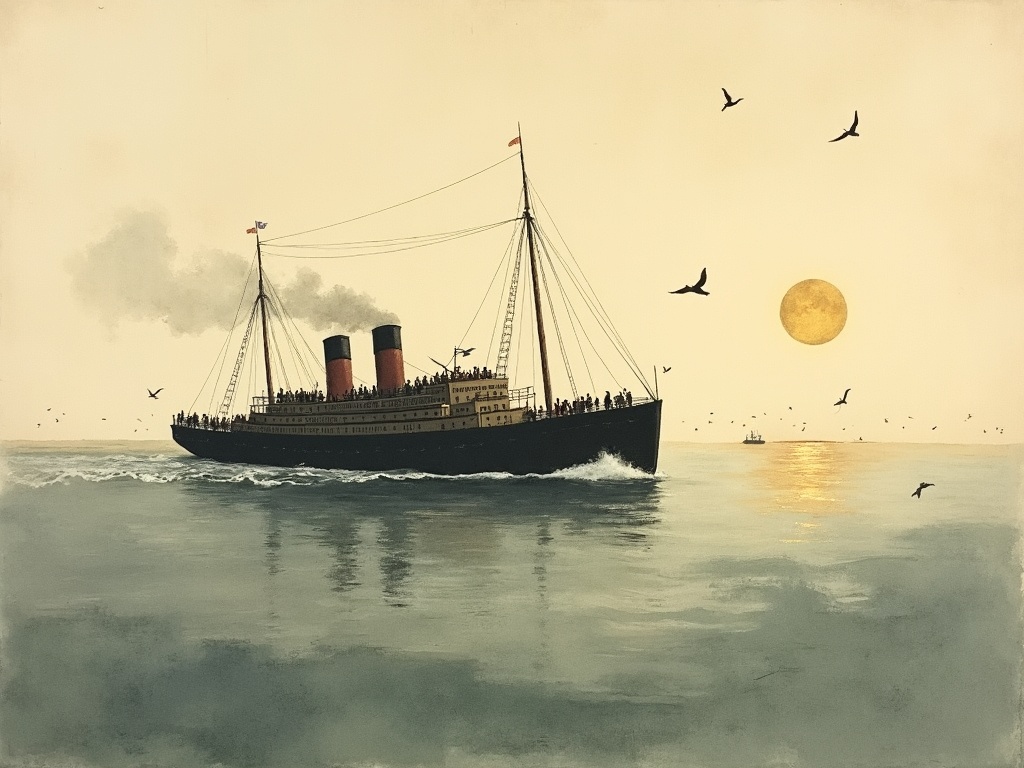
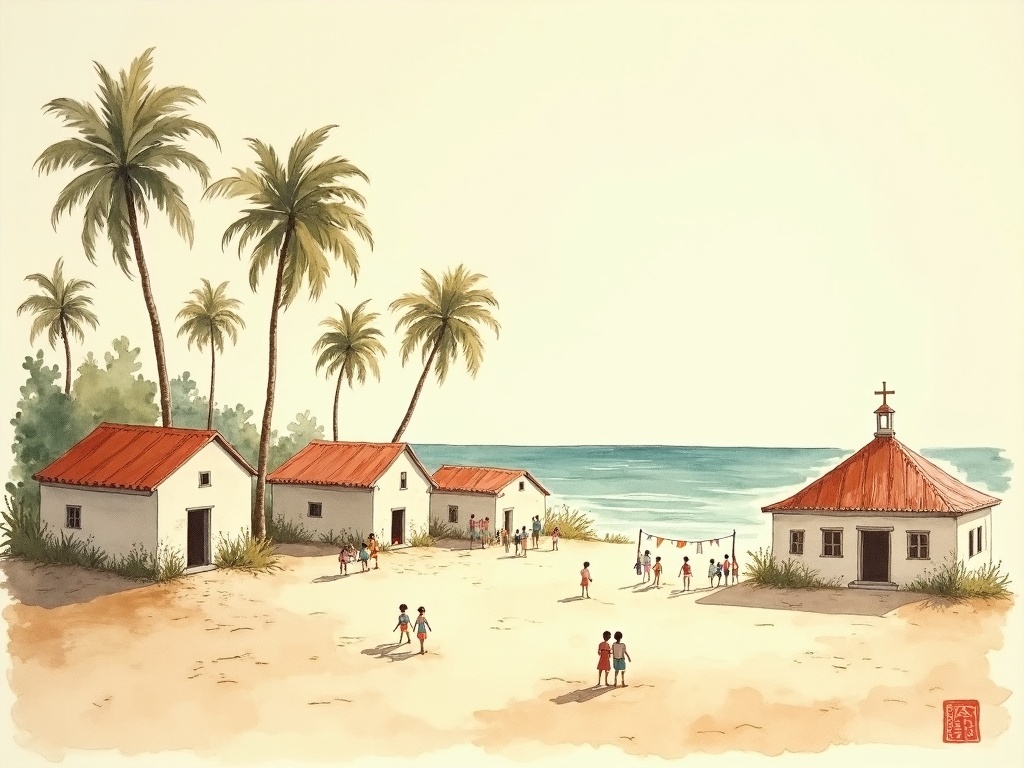
When word reached him that Polish children had nowhere to go, he did not deliberate about politics or ask what he might get in return. He offered his land. On the coast at Balachadi, near his own summer palace, he built a camp of simple bungalows among the palms and the sea breeze, and he sent for the children. Somewhere between roughly 640 and a thousand of them would pass through it over the years that followed, living there from 1942 until 1946.
They arrived as broken as human beings can be. What the Maharaja gave them was not merely food and a roof, but the one thing the war had stripped away — the feeling of being cherished.
“You Are Nawanagaris Now”
He did not treat them as a problem to be managed. He treated them as his own. In words the survivors would repeat for the rest of their lives, he told them: “You are no longer orphans. From now, you are Nawanagaris, and I am Bapu — father — of all the people of Nawanagar, including you.”
And he meant it. He learned a little Polish so he could speak with them. He visited the camp often, walking among the children, who took to calling him Bapu in return. He understood that saving a child means more than keeping it alive, so he built a world where a Polish childhood could continue. He arranged for Polish teachers so lessons went on in their own language. He saw that a chapel was raised so their Catholic faith had a home. He had cooks prepare food closer to what they remembered from Poland, sparing their unsettled stomachs the shock of unfamiliar spice. Scouting troops formed, sports were played, a small orchestra even took shape. For years, on a shore thousands of miles from home, a fragment of Poland was allowed to grow up in peace.
Homes That No Longer Existed
When the war ended, the story could not simply resolve into a happy return. The Poland these children had been torn from was gone. Its borders had shifted, its government had fallen under Soviet control, and for many of them the villages and families they dreamed of no longer existed. Some were eventually reunited with surviving relatives scattered across the globe; others made new lives in Britain, in the Americas, wherever the winds of the postwar world carried them. The camp at Balachadi wound down and closed in 1946.
But the children never forgot the man who had called himself their father. Across the decades they carried the memory of Balachadi like a warmth against the cold of everything else they had endured. They held reunions. They told their own children and grandchildren about the prince in the turban who had opened his gates when the mighty nations of the earth had bolted theirs. Gratitude, in their case, did not fade with time — it deepened into legend.
A Debt Poland Never Forgot
Digvijaysinhji died in 1966, but the story he had made refused to die with him. As the survivors aged, they and their descendants worked to see his kindness formally honoured, and slowly a grateful country responded. In 2011 Poland posthumously awarded him the Commander’s Cross of the Order of Merit of the Republic of Poland. In Warsaw, a public space was named Skwer Dobrego Maharadzy — Good Maharaja Square — and a Polish school was named in his honour, so that children who never lived through the war would still learn the name of the man who had saved children just like them.
There is a particular kind of heroism in this story that is easy to overlook because it made no noise. In the years when Balachadi filled with lost children, the most powerful governments on earth were commanding armies, drawing borders, and calculating advantage — and where those calculations left no room for a few hundred parentless Poles, the doors stayed shut. The rescue came instead from a minor prince of a small state, acting on nothing grander than the conviction that a child in front of you is your responsibility. He asked for no strategic gain and received none. He simply looked at what the great powers had chosen to ignore, and chose otherwise. That is what the Good Maharaja left behind: proof that when the strong avert their eyes, it can fall to the quietly decent to remember that the smallest and most helpless among us are, all of them, somebody’s children — and, if we choose, our own.
Sources & further reading:
- This Indian Maharaja Saved Hundreds of Polish Orphans During World War II — Smithsonian Magazine
- Digvijaysinhji Ranjitsinhji Jadeja — Wikipedia
More from the archive
- Lost in the Taiga: The Family That Vanished Into Siberia for 40 Years and Never Knew World War II Happened
- Mansa Musa and the Hajj That Broke the Gold Markets of a Continent
- Wojtek the Bear — The Polish Soldier Bear of World War II