Robert Smalls: The Enslaved Pilot Who Stole a Confederate Warship and Sailed Himself to Freedom

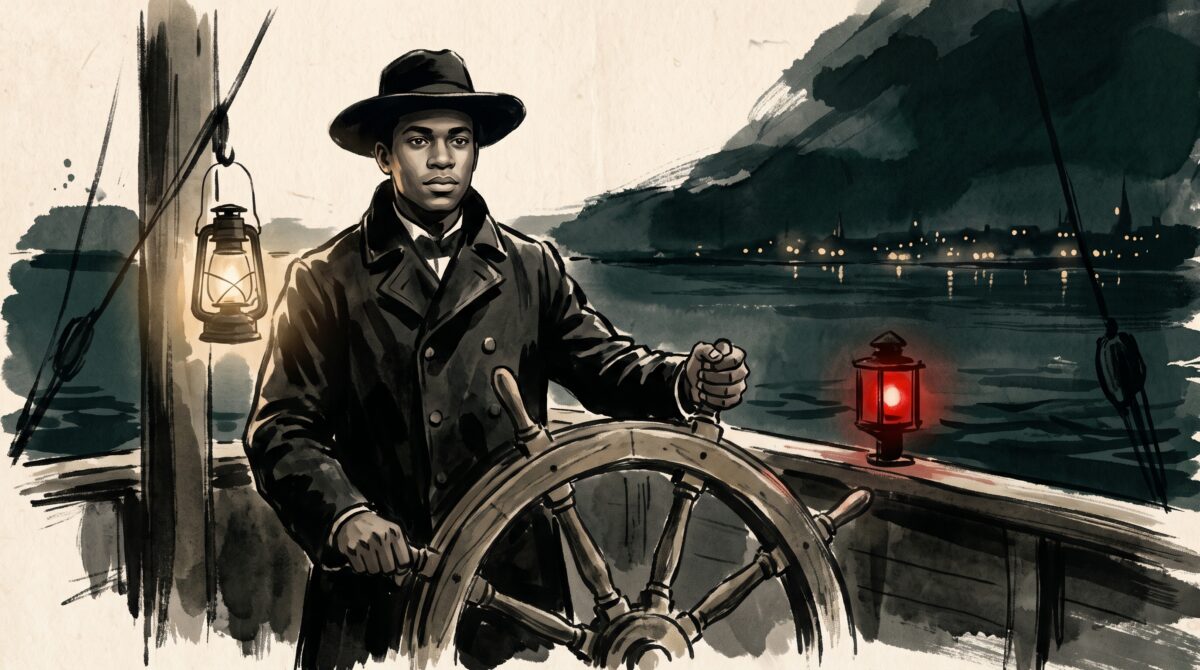
It was still dark over Charleston on the morning of May 13, 1862, when a side-wheel steamer called the Planter eased away from her wharf and out into the harbor. There was nothing unusual in that. The Planter was a Confederate armed transport, and she moved guns and men around the harbor almost every day. What was unusual stood at her wheel: a twenty-three-year-old enslaved man named Robert Smalls, wearing the captain’s straw hat pulled low, steering a rebel warship toward the open sea with his wife and children hidden below.
By sunrise he would be a free man, a Union hero, and one of the most audacious figures of the entire Civil War. But first he had to get past every gun in Charleston.
A Pilot Who Was Not Supposed to Exist
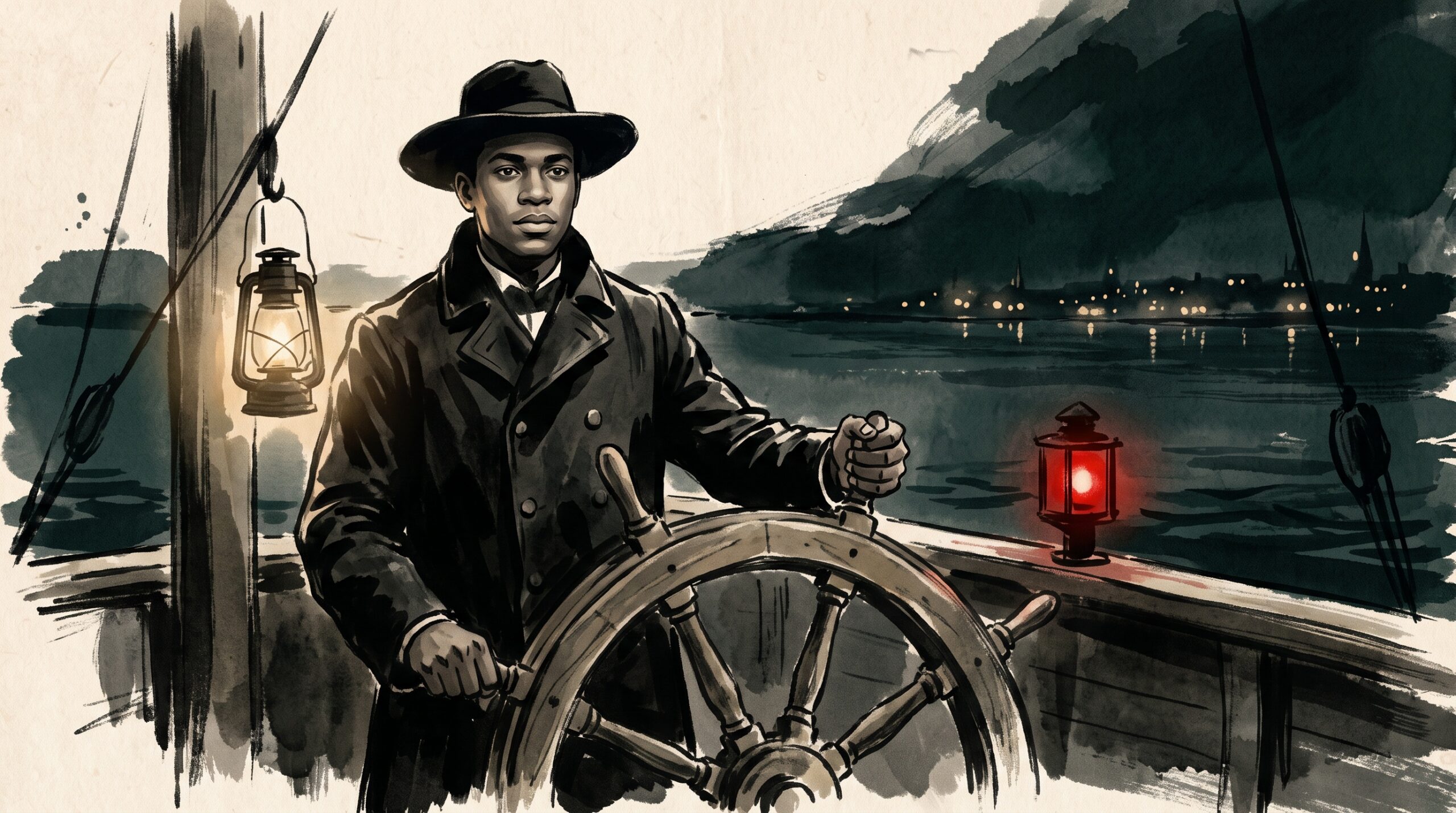
Robert Smalls was born into slavery in Beaufort, South Carolina, in 1839. As a boy he was hired out in Charleston, working the docks and then the water itself — rigging sails, loading cargo, and eventually taking the wheel. The law said an enslaved man could not hold the title of pilot. In practice, Smalls did the pilot’s job, guiding ships through the harbor’s shifting channels so expertly that white officers trusted him with the helm of the Planter.
That trust was their mistake. Smalls studied everything: the sandbars, the tides, the positions of the Confederate batteries, and — most important of all — the secret steam-whistle signals a ship had to sound to be waved safely past each fort. He filed it all away, and he waited.
The Night the Officers Went Ashore
The opportunity came when the Planter‘s three white officers broke standing orders and spent the night ashore, leaving the enslaved crew aboard alone. Smalls had been quietly planning for weeks. This was the night.
In the small hours he raised steam, and the crew slipped the family members they had hidden nearby aboard — their wives and children, who had everything to lose. The plan was simple and almost unthinkably dangerous: sail the Planter out of the harbor as if on routine business, past the forts, and keep going until they reached the Union ships blockading the coast. If anyone recognized the deception, the guns of Fort Sumter alone could tear the little steamer to splinters.
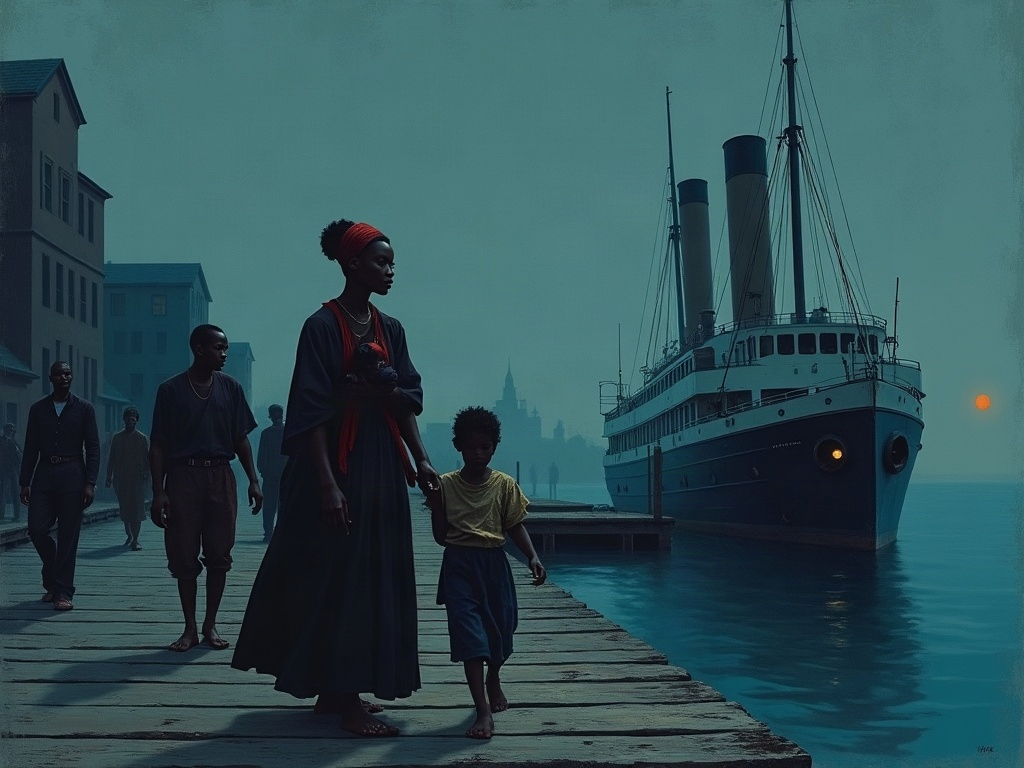
Smalls put on the captain’s hat and even copied the officer’s habit of standing with his arms folded in the wheelhouse, his posture doing the disguising his face could not.
Past the Guns of Charleston
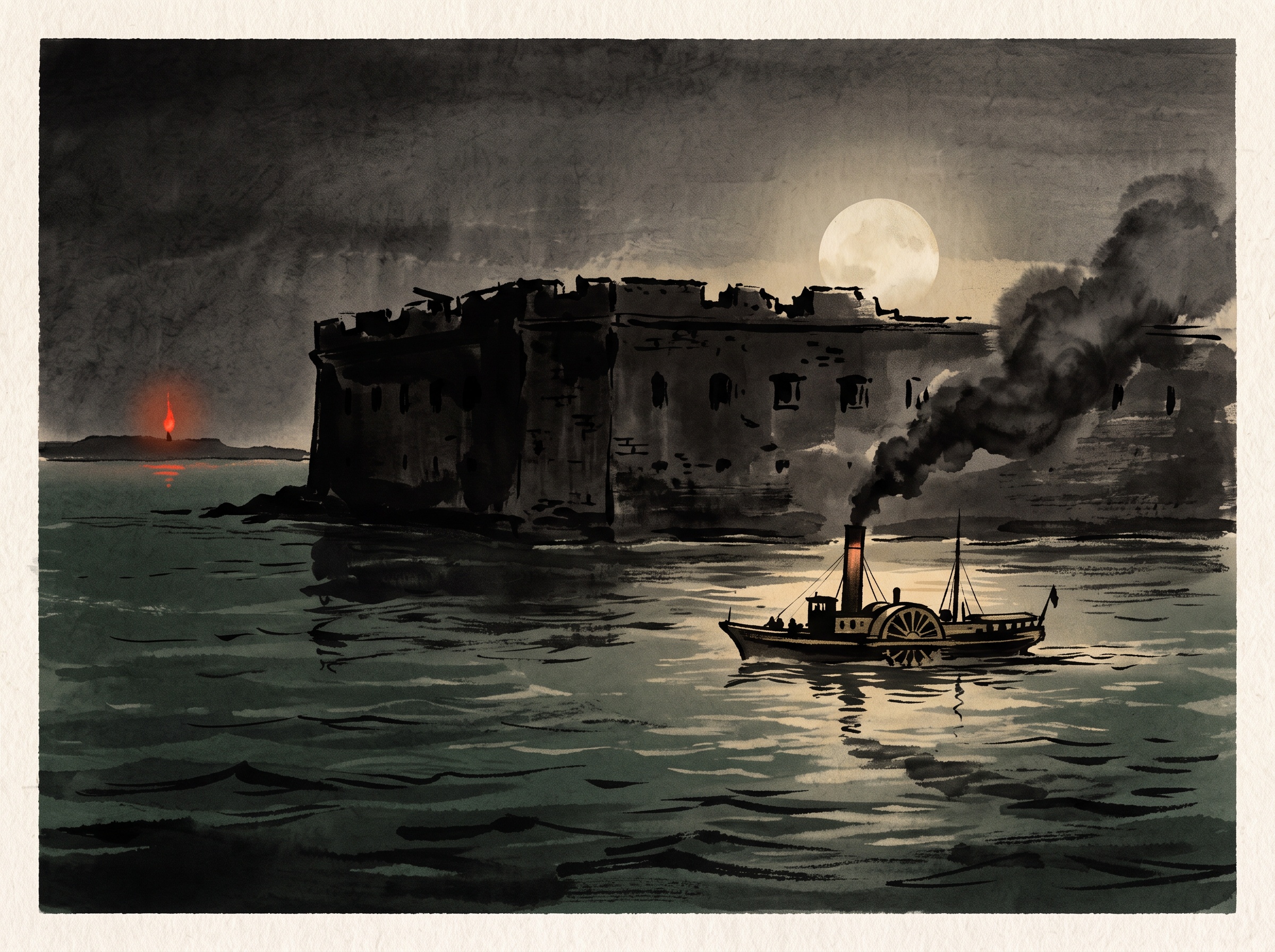
What followed was a slow, agonizing bluff across the dark water. At each Confederate checkpoint the Planter approached, Smalls reached up and sounded the steam whistle in the precise coded sequence he had memorized. Fort Johnson let him pass. Then came Fort Sumter itself, the great brick fortress whose bombardment a year earlier had opened the war.
Smalls gave the signal. The sentries, seeing a familiar ship moving on familiar business, waved the Planter through. Only once she was safely beyond range did he dare to change course and run for the sea. Like the lone soldier who makes one decision that changes everything — the kind of nerve Stanislav Petrov showed on the night he refused to start World War III — Smalls had staked every life aboard on a single, flawless performance.
Into the Blockade
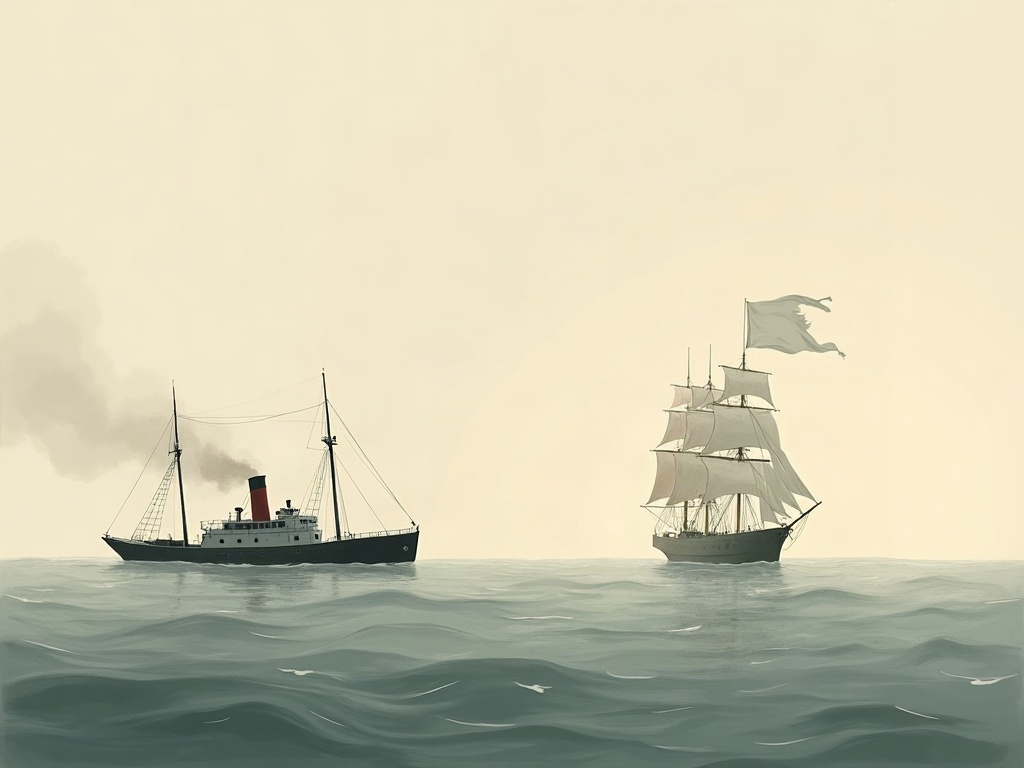
Now came the second danger. To the Union sailors on blockade duty, the Planter was simply an enemy warship steaming straight at them in the dawn light — a target. As the fleet came into view, Smalls hauled down the Confederate and state flags and ran up a plain white bedsheet his wife had brought aboard, the universal sign of surrender.
A lookout on the USS Onward spotted it just in time, and the warship held her fire. When Union officers boarded, Smalls reportedly greeted them with the line that would follow him for the rest of his life: he had brought the Planter out, he said, thinking she “might be of some use to Uncle Abe.”
He had handed the United States not just a ship, but its cargo of artillery and — far more valuable — a Confederate code book revealing the placement of mines and defenses throughout Charleston harbor.
From Fugitive to Congressman
Overnight, Robert Smalls became famous across the North. His exploit was seized on as living proof that Black men would fight, and fight brilliantly, for their own freedom. Smalls traveled to Washington and met personally with Abraham Lincoln, pressing the case for enlisting Black soldiers into the Union army — an argument that helped move the policy forward.
He did not simply tell the story; he kept living it. Smalls piloted the Planter for the Union for the rest of the war and, by several accounts, became the first Black man to captain a vessel in United States service. It is a sharp counterpoint to the men history remembers for betrayal rather than courage — the story of how America’s most infamous traitor, Benedict Arnold, died in lonely exile is the mirror image of the loyalty Smalls chose at enormous personal risk.
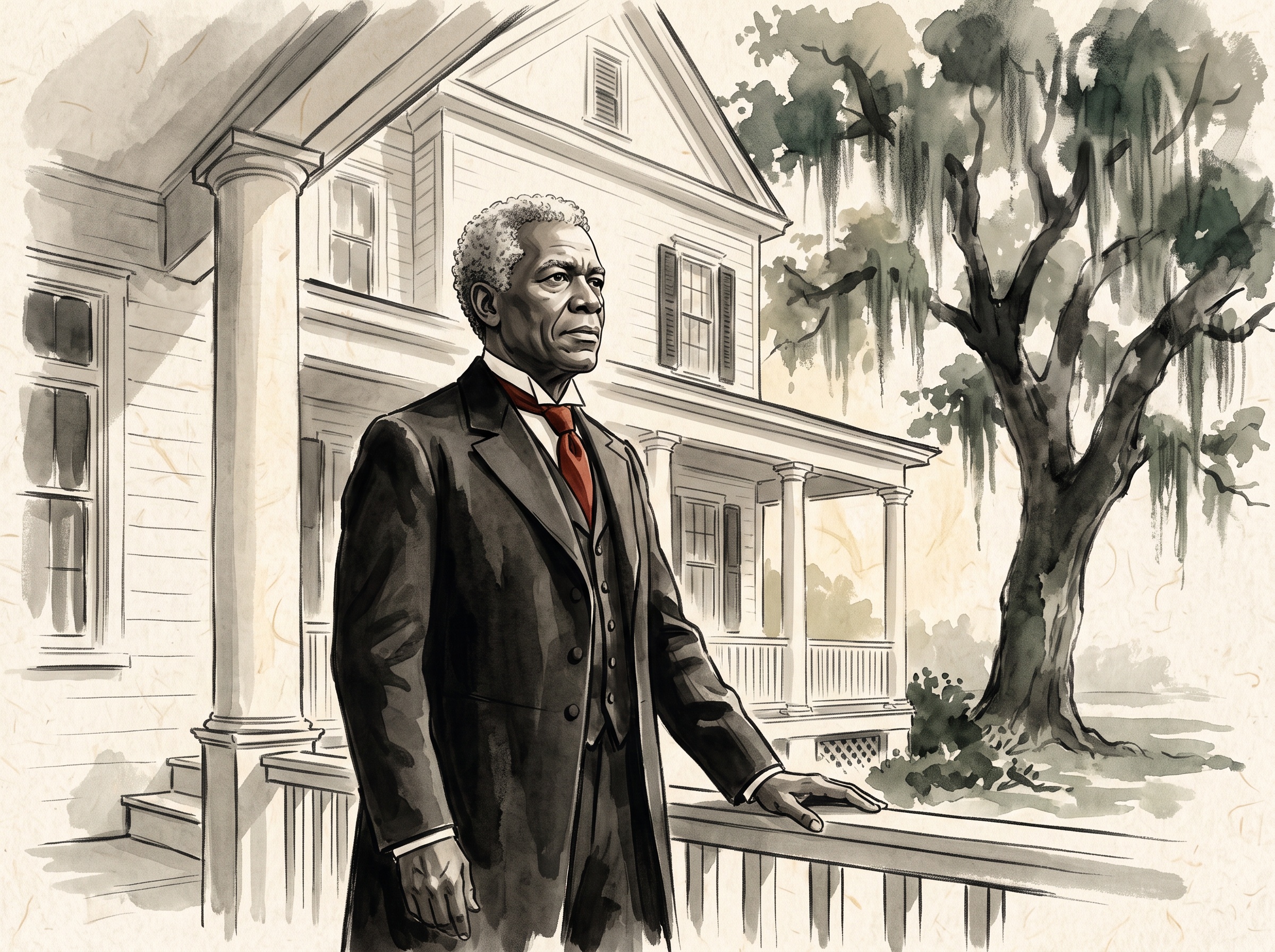
When the war ended, Smalls returned to Beaufort and bought the very house where he had once been enslaved. He learned to read and write, opened a school, and entered politics during Reconstruction, winning election to the South Carolina legislature and then to the United States House of Representatives, where he served five terms. He spent those years fighting for public education and the rights of the people who, like him, had been born owning nothing — not even themselves. His climb from bondage to Congress echoes other hard struggles over who gets to rule and who gets ruled, such as the overthrow of Hawaii’s last queen, Lili’uokalani.
Why Robert Smalls Still Matters
Robert Smalls died in Beaufort in 1915, in that same house, a free and honored man. He had been born a piece of someone else’s property and died a former congressman who had shaped the laws of the nation.
His whole extraordinary life turned on a few hours of absolute nerve in the dark — on the willingness to bet everyone he loved on a straw hat, a steam whistle, and a bedsheet. It is tempting to call it luck. It was not. It was a man who had spent years quietly learning exactly how the machine that imprisoned him worked, so that when the one chance came, he could steer it straight out to sea. That is why his story still matters: freedom, for Robert Smalls, was not given. He went and took the wheel.
Sources & further reading:
Related Reading
More from the archive
- The Batavia: Shipwreck, Mutiny, and the Bloodiest Massacre on Australia’s Shore
- The Sultana: America’s Worst Maritime Disaster, and the Nation That Barely Noticed