The Dance of Death: The Sinking of the SS Mendi and the Men History Forgot


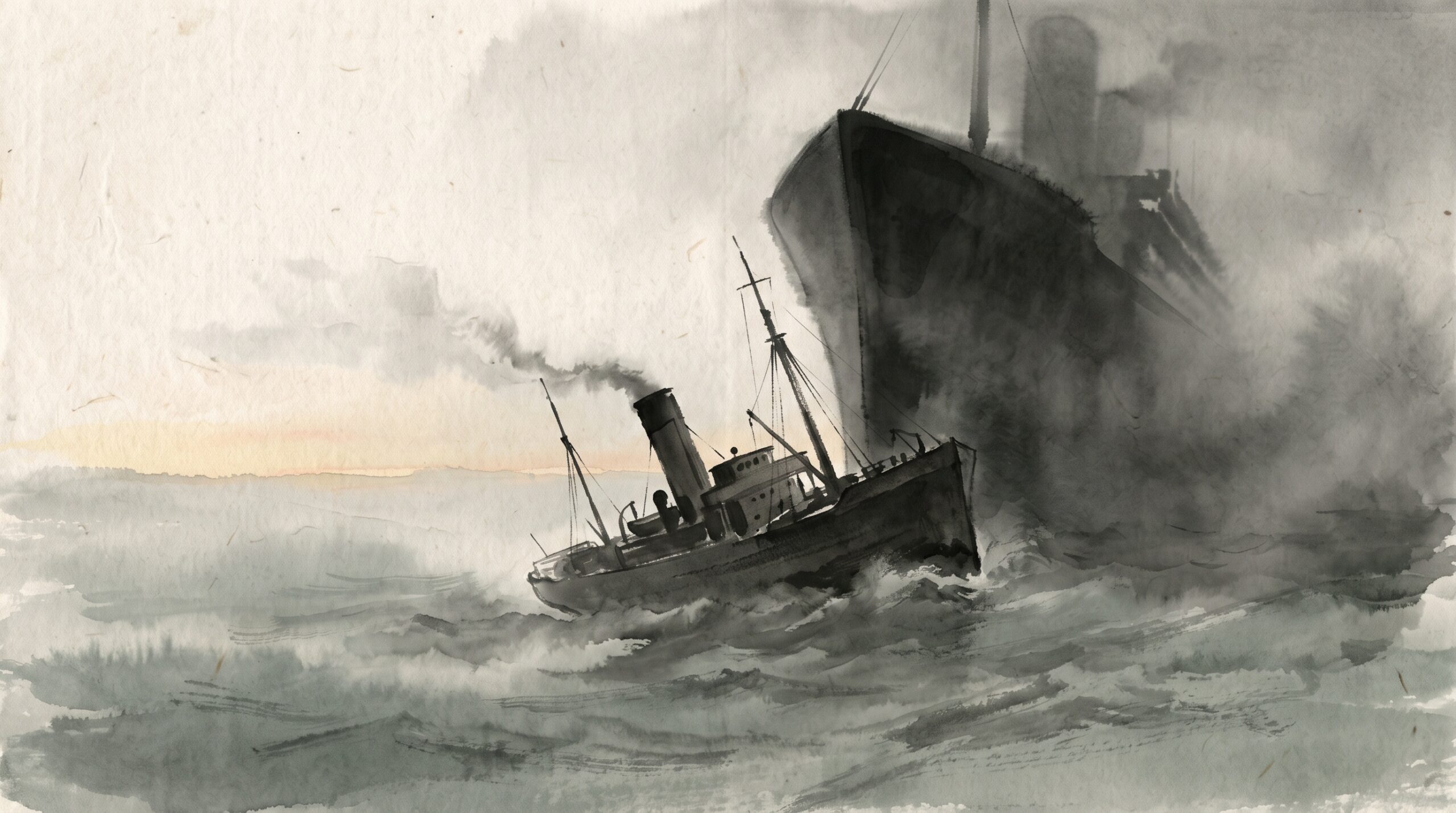
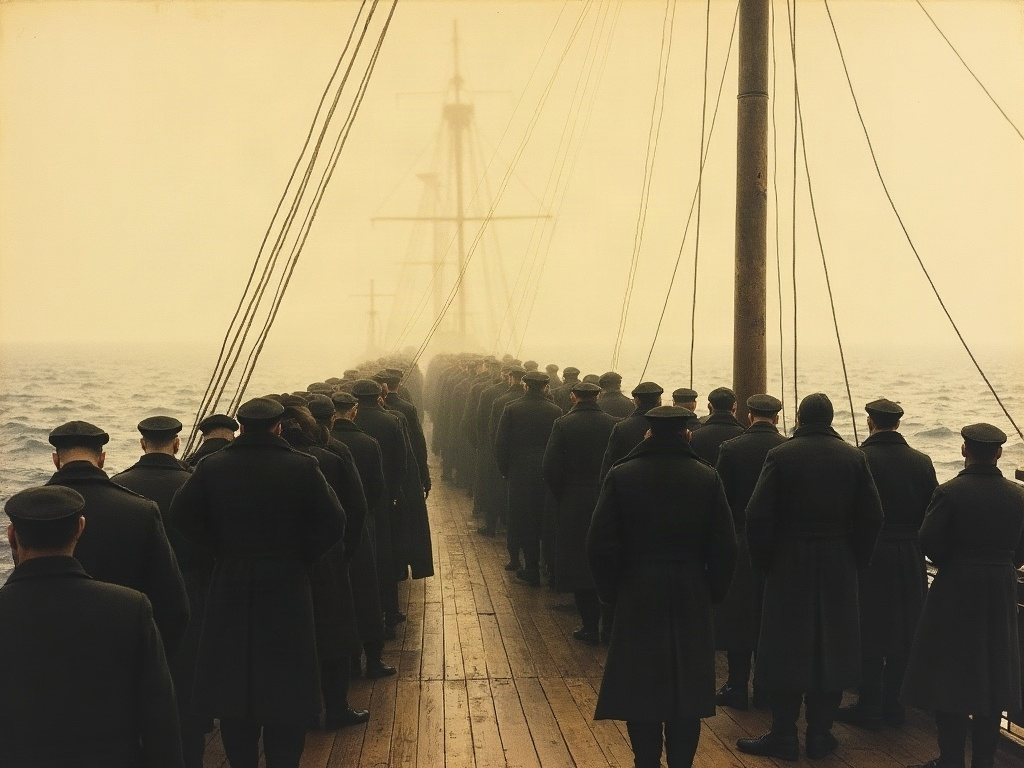
In the last dark hour before dawn on 21 February 1917, a troopship crept through a wall of Channel fog off the Isle of Wight. Aboard the SS Mendi were more than 800 men of the South African Native Labour Corps — Black South Africans who had crossed two oceans to serve their empire, not with rifles, which they were forbidden to carry, but with picks and shovels behind the trenches of France. Most had never seen the sea before this voyage. Few could swim. They were asleep in the crowded holds when, out of the fog, the blunt steel bow of another ship came on at full speed and tore the Mendi open along her side. Within twenty-five minutes she would be gone, and with her one of the worst single losses of life South Africa suffered in the entire First World War.
The men the empire would not arm
They had volunteered under a bitter arrangement. South Africa, then a young Union governed by white authority, would send Black labourers to the Western Front — but only as non-combatants. They would dig, haul, load ships and lay railway track, and they would do it under guard, housed in fenced compounds, forbidden weapons and largely kept apart from the war they were feeding. Many joined anyway: for the wage, for the promise of seeing the world, and for the quiet hope that loyal service might win their people a fairer hearing at home. The Mendi’s contingent had sailed from Cape Town in January, up the length of Africa’s coast to Plymouth, and was now on the final leg to the French port of Le Havre. They were, in every sense, almost there.
A bow out of the fog
The ship that struck them was the SS Darro, a large empty mail steamer nearly three times the Mendi’s size, running fast through the same fog toward Le Havre. By the findings of the later inquiry, the Darro was travelling at excessive speed for the conditions, sounding no proper fog signals to warn other vessels, and keeping a poor lookout. She rammed the Mendi almost square amidships on the starboard side, opening a wound no ship could survive. Cold water flooded the forward holds where men still slept, killing some outright. The Mendi at once began to list and settle. In the darkness, the fog and the panic, boats could not be swung out fast enough; many of the men, roused from sleep into a sinking ship, came up onto a deck already tilting toward the sea.
The dance of death
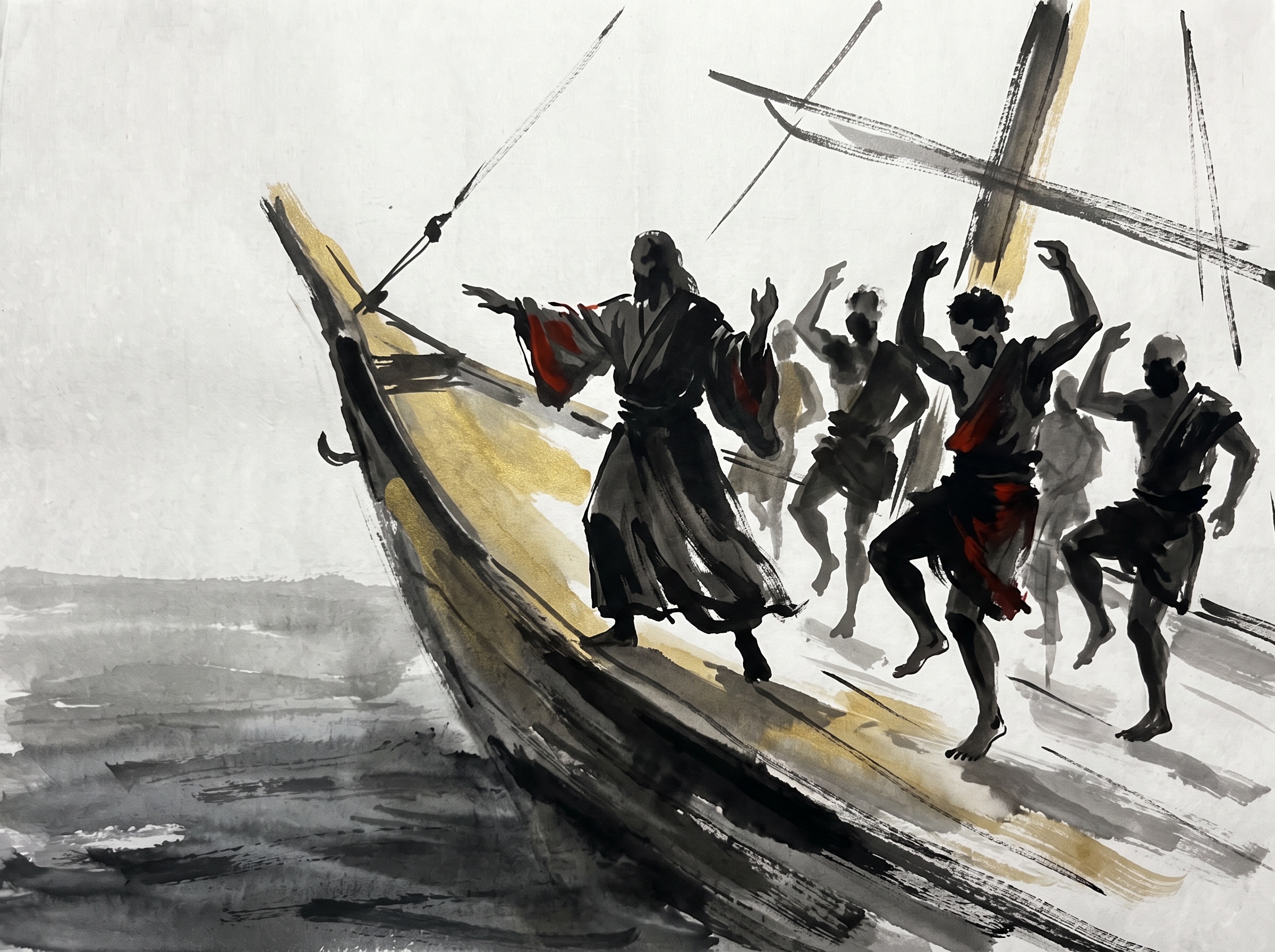
What happened next has become the heart of the story, carried down first by survivors and then into the memory of a nation. As the deck canted beneath their feet and it grew plain that most would not be saved, the men’s chaplain, the Reverend Isaac Wauchope Dyobha, is said to have raised his voice above the noise and steadied them. Death was here, he told them, but they should meet it as men and as brothers, whatever their nation — Xhosa, Zulu, Swazi, Pondo, Basotho. They had been made to leave their spears at home, he said, but their voices were still their own. And so, by the accounts that survived, the doomed men kicked off their heavy boots and, barefoot on the sloping iron deck, stamped and swayed together in a slow, thunderous rhythm as the ship went down — a dance of death, drilled in the face of the sea. Whether every word of Wauchope’s speech is history or has softened into legend, the barefoot dance was remembered by those pulled living from the water, and it turned a mass drowning into something closer to a last act of dignity.
The ship that sailed away
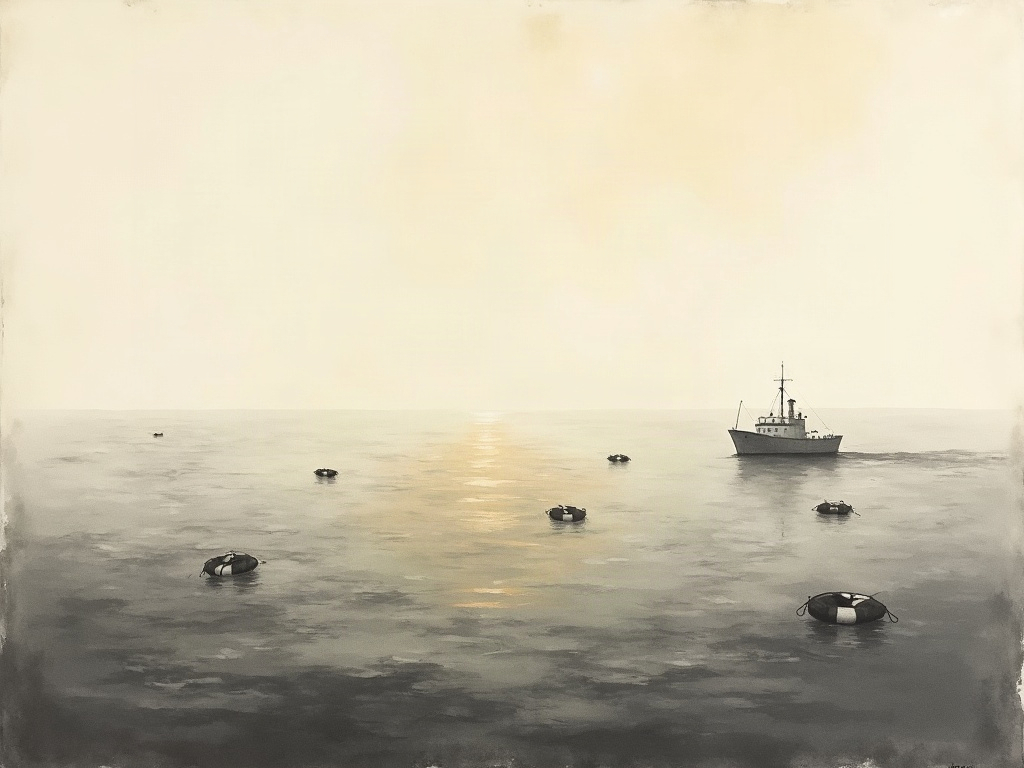
There was a final cruelty. After the collision the Darro, largely undamaged, stood off in the fog and lowered no boats to help. Her captain, Henry Winchester Stump, left the rescue to a small escorting destroyer that could not possibly reach everyone in time. Men clung to wreckage and to one another in water cold enough to kill in minutes; those who could not swim, and there were many, slipped under one by one. In all, 646 men died, the overwhelming majority of them Black South African labourers, along with some of the ship’s crew. When the inquiry finally examined Stump’s conduct, it found him seriously at fault for the Mendi’s loss and for failing to render aid — and suspended his master’s certificate for a single year. It was a punishment that fit neither the scale of the disaster nor the silence that followed it. Cover-ups and quiet burials of inconvenient wartime deaths were not unique to the Mendi; the same instinct hid tragedies like the secret D-Day rehearsal that killed hundreds of American soldiers off an English beach and was kept quiet for decades.
Seventy years of silence
The Mendi should have entered history at once as a story of courage. Instead it was allowed to sink twice. The men had been non-combatants, denied the medals and the martial glory heaped on white soldiers, and their families received little recognition and less compensation. As South Africa hardened into the apartheid era, the memory of Black men who had served and died for the state became politically awkward, and the official world let it fade. For most of the twentieth century the Mendi was remembered chiefly in the townships and communities the dead had come from, kept alive in poems, hymns and the annual mourning of families who had never stopped counting their loss. It was a forgetting with a purpose, the same machinery that erased other victims of power — the way the deadliest attacks on Indigenous peoples, like the massacre America managed to leave out of its own history books, could vanish simply because no one with authority wished to remember them.
Why the Mendi came back
Only with the end of apartheid did the ship rise again in the national memory. A democratic South Africa reclaimed the Mendi as a founding story of shared sacrifice across every people of the country, exactly as Wauchope had called out on the deck.
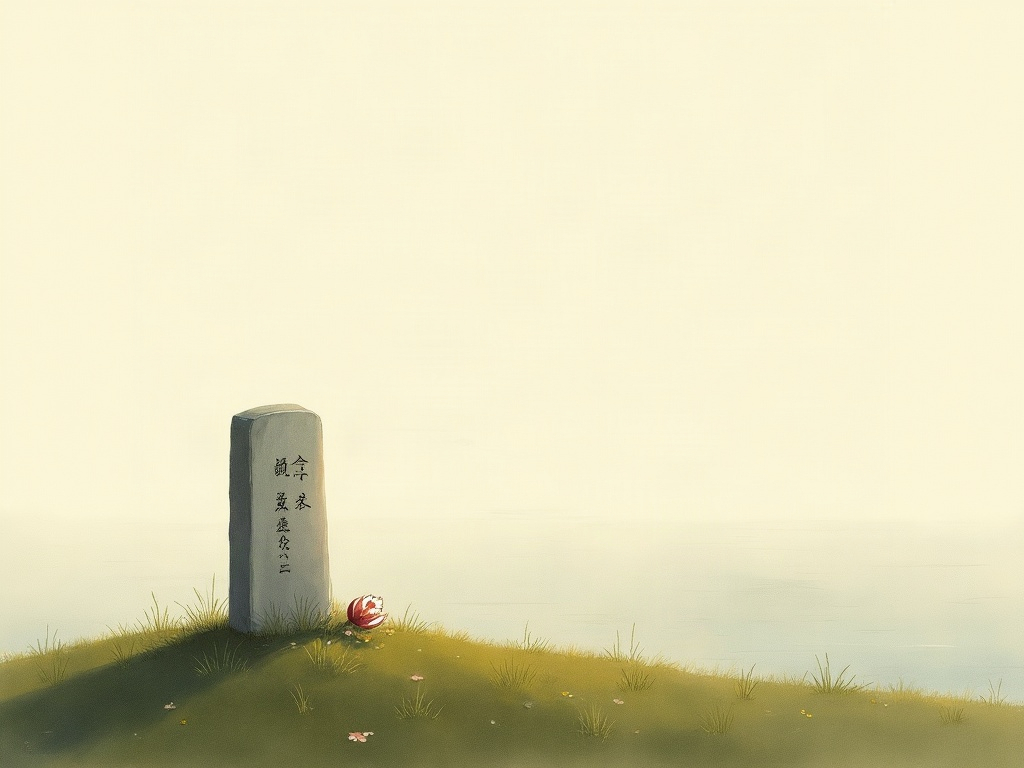
Nelson Mandela invoked the disaster; the government created the Order of Mendi for Bravery, now the highest honour the state can bestow for courage, so that the name of a lost troopship became a byword for grace under the worst of fate. Memorials rose at Soweto, at New Brighton, at Atteridgeville and across the sea in England, and on the centenary in 2017 the two nations mourned together over the wreck itself, which lies still on the Channel floor as a war grave. The sea keeps its dead as jealously as it keeps other famous ships — the ones remembered, at last, in stories like the stewardess who survived the Titanic and the sinking of her sister ship in these same waters.
What lingers is the image on that tilting deck: men who had been given no weapons and offered no glory, who had every reason to feel abandoned by the country that sent them, choosing in their last minutes not to scream or scramble but to stand together and dance. They were told all their lives that they were less. In the freezing dark, going down, they answered that they were brothers and sons of Africa — and made the manner of their dying the one thing no empire could take from them. It took their country seventy years to listen. The least the rest of us can do is not look away again.
Sources & further reading:
Related Reading
- Exercise Tiger: The Secret D-Day Rehearsal That Killed More Men Than the Beach It Practiced For
- Robert Smalls: The Enslaved Pilot Who Stole a Confederate Warship and Sailed Himself to Freedom
- 133 Days at Sea: The Sailor Who Refused to Die on a Wooden Raft