The Greatest Literary Hoax in History: How George Psalmanazar Invented an Entire Civilization

In 1704, London society was captivated by an extraordinary visitor from the exotic island of Formosa (modern-day Taiwan). George Psalmanazar, a blonde-haired, blue-eyed young man, regaled fashionable drawing rooms with tales of his homeland’s bizarre customs: aristocrats who breakfasted on viper’s blood, students who practiced ritual infant sacrifice, and elaborate religious ceremonies involving human hearts.

There was just one problem: George Psalmanazar was completely fabricating everything. He was actually a Frenchman who had never set foot in Asia, and his “memoir” would become one of history’s most audacious and successful literary hoaxes.

The Birth of a Fake Native

The man we know as George Psalmanazar was born around 1679, likely in southern France. His real name remains unknown to this day. As a young man, he wandered across Europe as a beggar and petty criminal, inventing increasingly elaborate backstories to survive.

Ancient book with mysterious text

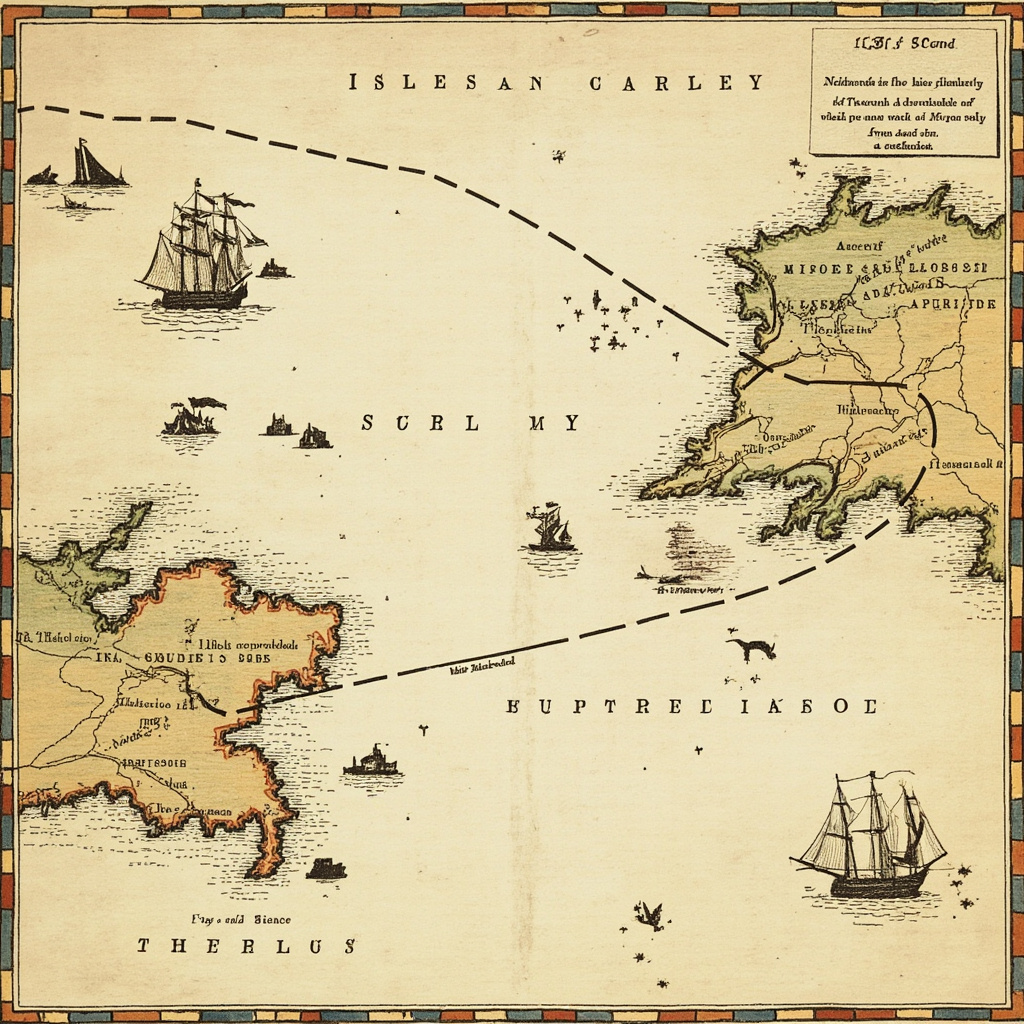
His stroke of genius came when he decided to pose as a pagan from the mysterious island of Formosa. In the early 18th century, Taiwan was largely unknown to Europeans, making it the perfect canvas for his imagination. He created an entire language, complete with its own alphabet, and memorized an intricate mythology about Formosan culture.

Conquering London Society

When Psalmanazar arrived in London in 1703, he was an immediate sensation. His pale European features should have given him away, but he cleverly explained this by claiming that upper-class Formosans lived underground to avoid the sun. He supported himself by teaching his invented “Formosan” language and was even invited to lecture at Oxford University.

The Anglican Church embraced him enthusiastically, seeing him as proof of successful missionary work. Psalmanazar claimed to have been converted from paganism by a Scottish military chaplain, and his exotic background made him a perfect poster child for Christian evangelism.

The Fantastic World of Fake Formosa

In 1704, Psalmanazar published “An Historical and Geographical Description of Formosa,” which became an immediate bestseller. The book detailed a civilization that was simultaneously sophisticated and barbaric, exactly what European readers expected from a distant Asian culture.

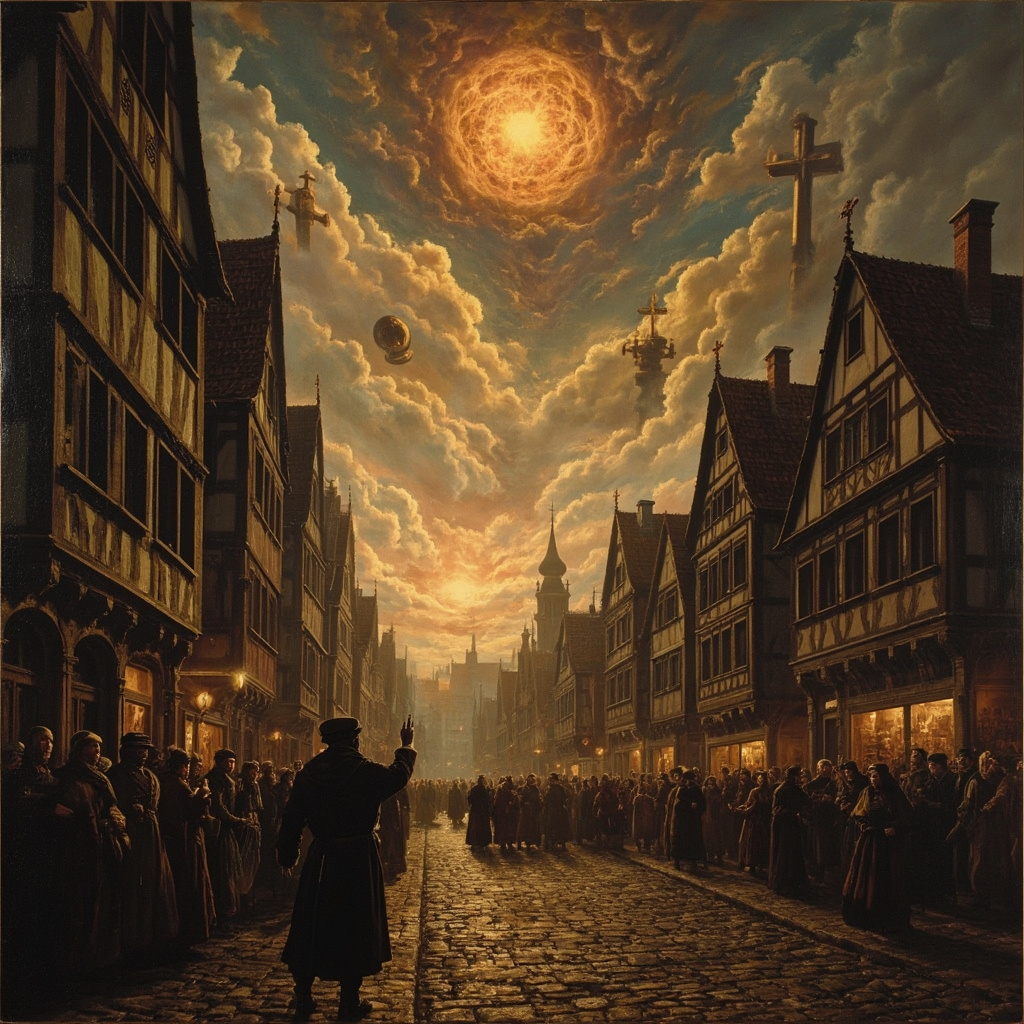
Elaborate fictional ritual scene

According to Psalmanazar’s vivid imagination:

  • Formosan nobles consumed the blood of snakes for breakfast as a delicacy
  • The island practiced annual human sacrifice, with 18,000 young boys’ hearts offered to gods
  • Formosan architecture featured underground cities with elaborate ventilation systems
  • The culture had a complex calendar system and unique religious practices
  • Women wore distinctive clothing that covered their entire bodies except their faces

Psalmanazar even created a complete “Formosan” alphabet and language, producing translations of prayers and religious texts. His linguistic invention was so convincing that scholars studied it seriously.

Questions Begin to Mount

Despite his initial success, cracks began to appear in Psalmanazar’s elaborate fiction. Jesuits who had actually visited Asia questioned his descriptions. His inability to provide consistent details about climate and geography raised suspicions. Most damaging was his claim that Formosa was a Japanese colony—real travelers knew it was controlled by China.

When confronted with these inconsistencies, Psalmanazar proved remarkably creative at explaining them away. He claimed that real travelers had only visited coastal areas, while he knew the “true” interior culture. He suggested that Jesuit accounts were deliberately falsified to make their missionary work seem more difficult than it actually was.

The Confession and Redemption

By 1706, the questions had become too persistent to ignore. Gradually, Psalmanazar withdrew from public attention. He never made a full public confession, but around 1728, he privately admitted the hoax to friends and began a new life as a serious theological writer.

Remarkably, instead of becoming a pariah, Psalmanazar earned respect for his scholarship and repentance. He became friends with literary luminaries including Dr. Samuel Johnson, who considered him one of the most remarkable men he had ever met. Johnson praised Psalmanazar’s learning and integrity, apparently never holding the elaborate deception against him.

Legacy of the Great Pretender

George Psalmanazar died in 1763, taking his real identity to the grave. Even in his posthumously published memoirs, he refused to reveal his true name or origins, maintaining one last mystery about his remarkable life.

His hoax succeeded for several reasons that tell us much about 18th-century European attitudes:

  • Complete ignorance about East Asian cultures made verification impossible
  • European fascination with “exotic” peoples created a ready audience
  • Religious motivations made church authorities eager believers
  • The era’s scholarly methods lacked rigorous fact-checking standards

Modern scholars recognize Psalmanazar as a master manipulator who understood exactly what his audience wanted to hear. His fake Formosa reflected European prejudices and fantasies about Asian cultures more than any real place.

The George Psalmanazar affair remains one of history’s most successful confidence tricks—a reminder that even educated people can be remarkably gullible when confronted with an elaborate lie that confirms their existing beliefs.

The Woman Who Convinced England She Gave Birth to Rabbits: Mary Toft’s Outrageous 1726 Hoax

In the autumn of 1726, a bizarre medical sensation gripped Georgian England. Mary Toft, an illiterate servant from the small Surrey town of Godalming, claimed she had given birth to a litter of rabbits. The story was so extraordinary that it reached the court of King George I himself, fooling some of the finest medical minds of the age and creating one of history’s most audacious hoaxes.

The Unlikely Beginning

Mary Toft was a 25-year-old married woman living in modest circumstances when her incredible tale began. In September 1726, she contacted John Howard, a local surgeon and man-midwife, claiming to have given birth to animal parts. What started as a local curiosity quickly spiraled into a national obsession that would embarrass the medical establishment and captivate the public imagination.

King George I receiving news of Mary Toft's rabbit births

Royal Attention and Medical Examination

The story gained such traction that King George I dispatched his own court physicians to Surrey to investigate. Samuel Molyneux, a respected astronomer and politician, along with several distinguished doctors including Nathanael St. André, the royal surgeon-anatomist, traveled to examine Mary Toft personally.

Over the course of several weeks, Mary appeared to deliver multiple rabbit parts in front of these learned men. The medical professionals were initially convinced, writing detailed reports about this unprecedented phenomenon that seemed to challenge everything they knew about human reproduction.

The Hoax Unraveled

Mary Toft’s deception was elaborate but ultimately flawed. She had been secretly inserting dead rabbit parts into her birth canal, then pretending to give birth to them during examinations. The scheme required careful timing and considerable physical discomfort, but for weeks it worked perfectly.

18th century Godalming village scene

The Investigation Intensifies

As the case gained notoriety, Mary was eventually brought to London for further examination. It was here that her elaborate ruse began to crumble. Suspicious doctors kept her under constant surveillance, making it impossible for her to continue the deception.

The breakthrough came when investigators discovered that someone had been purchasing rabbits from local markets near wherever Mary was staying. Confronted with this evidence and facing increasingly intense scrutiny, Mary Toft finally confessed to the hoax in December 1726.

Consequences and Legacy

The revelation sent shockwaves through Georgian society. Several prominent doctors who had vouched for the authenticity of Mary’s births found their reputations severely damaged. The case became a cautionary tale about the dangers of accepting extraordinary claims without proper scientific skepticism.

Mary Toft was briefly imprisoned but eventually released. She returned to obscurity in Surrey, where she died in 1763. The scandal she created had lasting effects on medical practice, encouraging more rigorous standards of evidence and investigation.

Cultural Impact

The Mary Toft affair became the subject of numerous satirical pamphlets, poems, and even a famous etching by William Hogarth. The incident highlighted the gullibility of even educated people when faced with sensational claims, and it remains one of history’s most successful medical hoaxes.

The case also revealed much about 18th-century attitudes toward women, medicine, and the nature of scientific authority. It demonstrated how desperately people wanted to believe in miraculous explanations for unexplained phenomena, even when simpler, more logical explanations were available.

Lessons from History

Mary Toft’s rabbit birth hoax serves as a timeless reminder of the importance of skeptical thinking and rigorous investigation. In an age where misinformation can spread rapidly, her story resonates as a warning about the dangers of accepting extraordinary claims without extraordinary evidence.

The incident also shows how social and economic desperation can drive people to extraordinary lengths for attention and potential financial gain. Mary Toft may have been illiterate and poor, but she possessed the cunning to fool some of the most educated men of her time, proving that intelligence and wisdom are not always found where society expects them.

The War of Jenkins’ Ear: When a Pickled Body Part Started an International Conflict

In the annals of bizarre historical events, few can match the sheer absurdity of a war that began with a severed ear preserved in a bottle. The War of Jenkins’ Ear (1739-1748) stands as one of history’s most unusual conflicts, sparked by a gruesome encounter between a British sea captain and Spanish coast guards that would ultimately plunge two empires into nearly a decade of warfare.

The Incident That Changed History

Captain Robert Jenkins was a British merchant sailor whose life took a dramatic turn during what should have been a routine voyage in the Caribbean. In 1731, Spanish coast guards boarded his ship, the Rebecca, as part of their ongoing efforts to enforce trade restrictions in their colonial waters. During the confrontation, the Spanish officers allegedly severed Jenkins’ ear—though historical accounts remain murky about the exact circumstances and whether it was truly cut off by the Spanish or lost in a tavern brawl.

Spanish coast guards boarding British merchant ship

What happened next would prove far more significant than the injury itself. Jenkins, in a move that would make even the most dramatic storyteller proud, preserved his severed ear in a bottle of brine and returned to England with his grisly trophy.

Parliament and the Power of Propaganda

When Jenkins arrived in London, his pickled ear became an instant sensation. The House of Commons summoned him to appear before Parliament, where he dramatically produced the preserved appendage. When asked what he had done during the assault, Jenkins delivered what would become one of history’s most memorable quotes: “I commended my soul to God and my cause to my country.”

The public reaction was explosive. The ear became a symbol of Spanish brutality and British resilience, capturing the nation’s imagination in a way that dry diplomatic protests never could. Anti-Spanish sentiment reached a fever pitch, with citizens demanding that the government take action against what they saw as an intolerable insult to British honor.

From Ear to War

Prime Minister Robert Walpole, initially reluctant to escalate tensions, found himself under enormous pressure from both Parliament and the public. The incident provided the perfect pretext for those who had long sought conflict with Spain, particularly over lucrative trade disputes in the Caribbean and South America.

Admiral Vernon attacking Spanish fortress at Portobelo

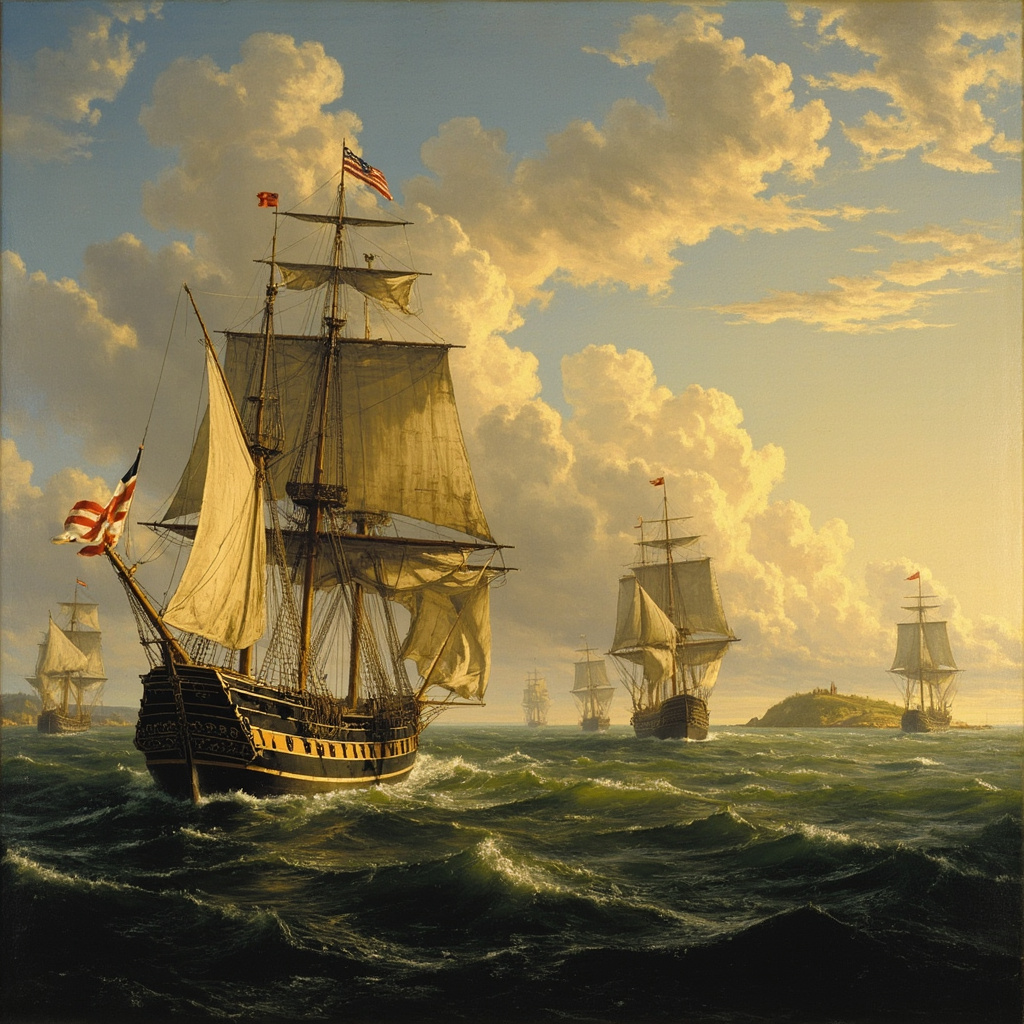
In 1739, Britain formally declared war on Spain. The conflict quickly expanded beyond its bizarre origins, encompassing battles across multiple continents and eventually merging with the larger War of Austrian Succession. One of the war’s early victories came when Admiral Edward Vernon successfully attacked the Spanish fortress at Portobelo in modern-day Panama, a triumph that briefly made him a national hero.

The Reality of Colonial Warfare

Despite its unusual beginning, the War of Jenkins’ Ear proved to be a serious and costly conflict. British forces launched ambitious campaigns in the Caribbean, attempting to seize key Spanish territories and disrupt their lucrative colonial trade. However, the realities of 18th-century warfare—disease, logistical challenges, and determined Spanish resistance—made these campaigns far more difficult than anticipated.

The war saw significant naval battles, sieges of fortified ports, and complex diplomatic maneuvering as other European powers were drawn into the conflict. What began as a matter of national honor over a severed ear evolved into a struggle for colonial supremacy that would reshape the balance of power in the Americas.

Legacy of the Absurd

The War of Jenkins’ Ear officially ended with the Treaty of Aix-la-Chapelle in 1748, though its resolution was largely overshadowed by the broader European conflict it had become entangled with. The territorial and economic outcomes were mixed, with neither Britain nor Spain achieving their primary objectives.

What makes this conflict truly remarkable is not its military outcomes but its origins. It stands as a perfect example of how a single dramatic incident—whether completely true or embellished for political purposes—can escalate into international warfare. The power of Jenkins’ pickled ear to inflame public opinion demonstrates the complex relationship between propaganda, public sentiment, and political decision-making in the 18th century.

Questions That Remain

Historians continue to debate the veracity of Jenkins’ account. Was his ear truly severed by Spanish officers, or was it lost in a more mundane fashion? Did Jenkins embellish his story for dramatic effect, or were the Spanish guards particularly brutal that day? These questions may never be definitively answered, but they hardly matter in the broader context of the war’s significance.

What cannot be disputed is the remarkable fact that a preserved body part in a bottle became one of the most effective pieces of war propaganda in British history. Jenkins’ ear achieved something that countless diplomatic negotiations had failed to accomplish—it gave the British public a visceral, emotional reason to support war with Spain.

The Most Famous Ear in History

The War of Jenkins’ Ear serves as a fascinating case study in how the most bizarre and seemingly trivial incidents can have profound historical consequences. It reminds us that history is not always shaped by grand ideological struggles or rational political calculations—sometimes, it’s influenced by the theatrical presentation of a pickled ear to a room full of outraged parliamentarians.

In an age before photography or mass media, physical evidence like Jenkins’ preserved ear carried enormous symbolic weight. It transformed an abstract diplomatic dispute into something tangible and emotionally powerful that ordinary citizens could understand and rally behind.

Today, the War of Jenkins’ Ear stands as perhaps history’s most memorably named conflict, a reminder that truth can indeed be stranger than fiction. While other wars are remembered for their battles, leaders, or consequences, this one will forever be known for the pickled ear that started it all—making Robert Jenkins’ severed appendage undoubtedly the most famous ear in human history.

When Vesuvius Turned a Human Brain Into Glass: The Strangest Archaeological Discovery of 2025

In a discovery that sounds like something from a science fiction novel, researchers have finally solved a 2000-year-old mystery that has baffled scientists since 2020: how did a young man’s brain literally turn to glass during the eruption of Mount Vesuvius?

The volcanic catastrophe that buried Herculaneum and Pompeii in 79 AD preserved countless artifacts and human remains under layers of ash. But among all the extraordinary finds, one stood out as particularly bizarre – the vitrified brain tissue of a young man found lying in his bed, his neural matter transformed into a glass-like substance.

The Mystery That Stumped Scientists

Cross-section of vitrified brain tissue showing glass-like crystalline structure

When archaeologists first discovered this phenomenon in 2020, they were completely baffled. Human tissue simply doesn’t turn to glass under normal circumstances. The transformation requires specific conditions of extreme heat followed by rapid cooling – a process called vitrification.

For glass to form from organic tissue, the brain would need to be heated so rapidly that it liquefied, then cooled fast enough to prevent crystals from forming as it solidified. This seemed impossible given what scientists knew about volcanic eruptions.

Solving the Glass Brain Puzzle

A team of researchers published their groundbreaking explanation in 2025, revealing the precise sequence of events that created this unique preservation. Their analysis showed that the young man’s brain tissue was heated to an astounding 510°C (950°F) before undergoing rapid cooling.

The key insight was understanding the different phases of the Vesuvian eruption:

  • The Initial Ash Cloud: A superheated blast of volcanic material that reached temperatures far exceeding normal pyroclastic flows
  • Rapid Cooling: The ash cloud cleared quickly, allowing immediate temperature drop
  • Tissue Explosion: The intense heat caused water in the brain to evaporate instantly, causing the tissue to fragment into tiny pieces
  • Vitrification: These fragments cooled so rapidly they formed glass rather than crystals

A Unique Window Into Ancient Catastrophe

Mount Vesuvius volcanic eruption showing pyroclastic flows and ash clouds

This discovery provides unprecedented insight into the exact conditions experienced by Herculaneum’s residents during their final moments. Unlike the slower-moving pyroclastic flows that followed, the initial ash cloud was a blast of superheated gas and particles moving at incredible speeds.

The young man likely died instantly from the extreme heat, never knowing that his remains would become one of archaeology’s most puzzling discoveries nearly 2000 years later. His vitrified brain tissue represents the first and only known example of natural human tissue vitrification from a volcanic eruption.

Scientific Significance

Beyond its shock value, this discovery has important implications for understanding:

  • Volcanic Processes: How different phases of eruptions create varying preservation conditions
  • Archaeological Preservation: New possibilities for what organic materials might survive under extreme conditions
  • Ancient Life: Direct evidence of the temperatures and forces experienced during historical catastrophes

The research team’s work demonstrates how modern scientific techniques can unlock secrets hidden for millennia. By analyzing the molecular structure of the vitrified tissue, they were able to reconstruct the precise sequence of thermal events that occurred in seconds during that terrible day in 79 AD.

This remarkable find reminds us that history often preserves its most extraordinary secrets in the most unexpected ways – sometimes literally turning human experience into glass that can be studied across the centuries.

Ancient Egypt Had Power Tools: The 6,000-Year-Old Rotary Drill That Predates the Pharaohs

Long before the first pharaohs ruled Egypt, ancient craftsmen were using sophisticated rotary drills that would have impressed any modern workshop. A recent archaeological discovery has revealed that Egyptians were using advanced drilling technology as early as 4000 BC—2,000 years earlier than previously thought.

The Tiny Tool That Rewrote History

In 1924, archaeologists discovered what appeared to be a simple copper awl in a man’s burial at Badari Cemetery in Upper Egypt. For nearly a century, this tiny 63-millimeter tool weighing just 1.5 grams sat in Cambridge’s Museum of Archaeology and Anthropology, mistakenly catalogued as a basic pointed instrument with leather wrapped around it.

But a new study by researchers from Newcastle University and the Academy of Fine Arts in Vienna has revealed the truth: this was actually a sophisticated bow drill component showing clear evidence of rotary motion. The telltale signs were there all along—fine scratches, rounded edges, and a curved tip created by spinning motion.

Revolutionary Technology Hidden in Plain Sight

The leather pieces attached to the artifact weren’t just wrapping—they were part of a bow drill system. The bow moves back and forth, causing the shaft to spin rapidly, creating a drilling action that’s both faster and more precise than hand-twisting. Think of it as the ancient equivalent of a power drill.

“Egyptian magnificent art concealed ordinary technology such as this, which was essential to their crafts,” notes lead author Dr. Martin Odler. While bow drills appear in later tomb art from around 1500 BC, this discovery pushes the technology back more than 2,000 years.

More Than Just Copper

Chemical analysis revealed that this wasn’t ordinary copper. The drill was made from a sophisticated alloy containing copper with arsenic, nickel, lead, and silver. This unusual combination made the tool harder and shinier than pure copper, while also hinting at extensive trade networks across the Eastern Mediterranean.

The presence of these exotic metals suggests that even 6,000 years ago, Egypt was connected to far-flung trading partners who supplied specialized materials for advanced manufacturing.

The Pre-Pharaonic Innovation Boom

This discovery adds to a growing body of evidence that pre-dynastic Egypt (before 3100 BC) was far more technologically sophisticated than previously imagined. These early Egyptians were innovating with:

  • Precision drilling techniques for jewelry and furniture
  • Advanced metallurgy and alloy creation
  • Long-distance trade networks
  • Specialized craft production

The drill would have been used for creating holes in wood, stone, and other materials—essential for furniture making, jewelry production, and architectural projects. Its small size suggests it was designed for delicate, precision work rather than heavy construction.

Technology That Shaped Civilization

While Egyptian tomb art often focused on grand scenes of pharaohs and gods, it was innovations like the rotary drill that truly built Egyptian civilization. These “ordinary” technologies enabled the precise craftsmanship that would later produce the wonders of the pyramids and the intricate artifacts we associate with ancient Egypt.

The next time you use a power drill, remember: you’re using technology that ancient Egyptians pioneered 6,000 years ago, long before the first pyramid rose from the desert sands. Sometimes the most revolutionary discoveries come in the smallest packages.

The Tanganyika Laughter Epidemic: When Uncontrollable Laughter Spread Like a Disease

In 1962, something extraordinary and bizarre happened in the newly independent nation of Tanganyika (now Tanzania). What began as innocent giggles between three schoolgirls in a remote mission school would spiral into one of history’s most unusual epidemics—an outbreak of uncontrollable laughter that affected over 1,000 people across 18 months.

This wasn’t just any ordinary case of classroom humor getting out of hand. The Tanganyika Laughter Epidemic, as it came to be known, forced 14 schools to close and baffled medical experts who struggled to understand how laughter could spread like a contagious disease.

The Outbreak Begins

On January 30, 1962, at a mission-run boarding school for girls in the village of Kashasha, near Lake Victoria, three students began laughing during their lessons. What started as typical teenage giggling quickly transformed into something far more serious.

Map showing the location of Kashasha and affected areas near Lake Victoria in 1960s Tanzania

The laughter was not the joyful kind one might expect. Students reported they could not control themselves—they would laugh continuously for hours, sometimes days, accompanied by crying, fainting, and respiratory problems. The affected girls were unable to concentrate on their studies, despite desperate attempts by teachers to restore order.

Within weeks, 95 of the school’s 159 pupils, aged 12-18, were affected. The symptoms lasted anywhere from a few hours to 16 days, with an average duration of about seven days. Remarkably, none of the teaching staff were affected, leading to speculation about the psychological nature of the outbreak.

The Epidemic Spreads

As the situation at Kashasha became impossible to manage, school officials made the difficult decision to close the institution on March 18, 1962, after 48 days of chaos. But closing the school didn’t contain the epidemic—it actually helped it spread.

When the affected students returned to their home villages, they brought the mysterious condition with them. The outbreak spread to Nshamba in the Muleba District, about 55 miles west of Bukoba, where several of the Kashasha girls lived. In April and May 1962, 217 mostly young villagers experienced laughing attacks over 34 days.

Illustration depicting the psychological concept of mass hysteria and social contagion

The epidemic continued to leap from community to community. In June, the Ramashenye girls’ middle school was hit, affecting 48 students. Additional schools and villages, including Kanyangereka, also reported cases. The Kashasha school itself attempted to reopen on May 21, only to see 57 more pupils affected in a second wave of the outbreak.

The Scale of the Crisis

By the time the epidemic finally burned itself out 18 months later, the numbers were staggering:

  • 14 schools were forced to close
  • Over 1,000 people were affected
  • All cases occurred within a 100-mile radius of Bukoba
  • The vast majority of victims were young people, particularly girls

Understanding the Phenomenon

Medical investigators quickly ruled out infectious diseases, poisoning, or other physical causes. Instead, they classified the outbreak as a case of mass psychogenic illness (MPI), also known as mass hysteria—a psychological phenomenon where physical symptoms spread through a group without an underlying medical cause.

Several factors made the population particularly vulnerable to such an outbreak:

Social and Cultural Stress

Tanganyika had just gained independence in 1961, creating significant social upheaval. Students reported feeling increased pressure from teachers and parents who now had higher expectations in the newly independent nation. The transition from colonial rule to self-governance created uncertainty and anxiety throughout society.

Adolescent Psychology

The fact that most victims were teenage girls was not coincidental. Adolescents are particularly susceptible to mass psychogenic illness due to their developmental stage, need for peer acceptance, and limited coping mechanisms for stress. The strict, authoritarian environment of mission schools may have intensified these pressures.

Cultural Factors

Linguist Christian F. Hempelmann noted that mass psychogenic illness typically affects people with limited power or voice in their society. For young women in 1960s East Africa, attending strict missionary schools during a time of rapid social change, the unconscious expression of stress through physical symptoms may have been one of the few available outlets.

The Science Behind the Spread

Modern understanding of mass psychogenic illness helps explain how the laughter epidemic could spread so effectively. The condition typically spreads through:

  • Visual observation: Seeing others experiencing symptoms
  • Social bonds: Stronger relationships increase susceptibility
  • Shared stressors: Common sources of anxiety or pressure
  • Suggestion: Expectation that symptoms will occur

The boarding school environment, with its close living quarters and intense social bonds, created perfect conditions for this type of psychological contagion.

Historical Context and Similar Cases

The Tanganyika Laughter Epidemic was not unique in history. Similar outbreaks of mass psychogenic illness have occurred throughout human history, often during times of social stress or change. Other notable cases include:

  • The Dancing Plague of 1518 in Strasbourg
  • The Salem Witch Trials of 1692-1693
  • Various fainting epidemics in schools and factories
  • Modern cases of mass psychogenic illness in schools worldwide

What made the Tanganyika case unique was its scale, duration, and the specific symptom of uncontrollable laughter.

Legacy and Lessons

The Tanganyika Laughter Epidemic offers valuable insights into the power of psychological suggestion and the importance of understanding social and cultural factors in mysterious health outbreaks. It demonstrates how real physical symptoms can arise from psychological causes, and how quickly such conditions can spread in close-knit communities.

The case is still studied today by psychologists, sociologists, and medical professionals as a prime example of mass psychogenic illness. It serves as a reminder that in times of social upheaval and stress, communities can be particularly vulnerable to collective psychological phenomena.

Perhaps most importantly, it shows us that laughter—usually a sign of joy and human connection—can sometimes be a symptom of deeper social and psychological distress. The girls of Kashasha were not laughing because they were happy; they were laughing because they had no other way to express the overwhelming pressures of their rapidly changing world.

The Tunguska Event: When a Mystery Explosion Flattened 830 Square Miles of Siberian Forest

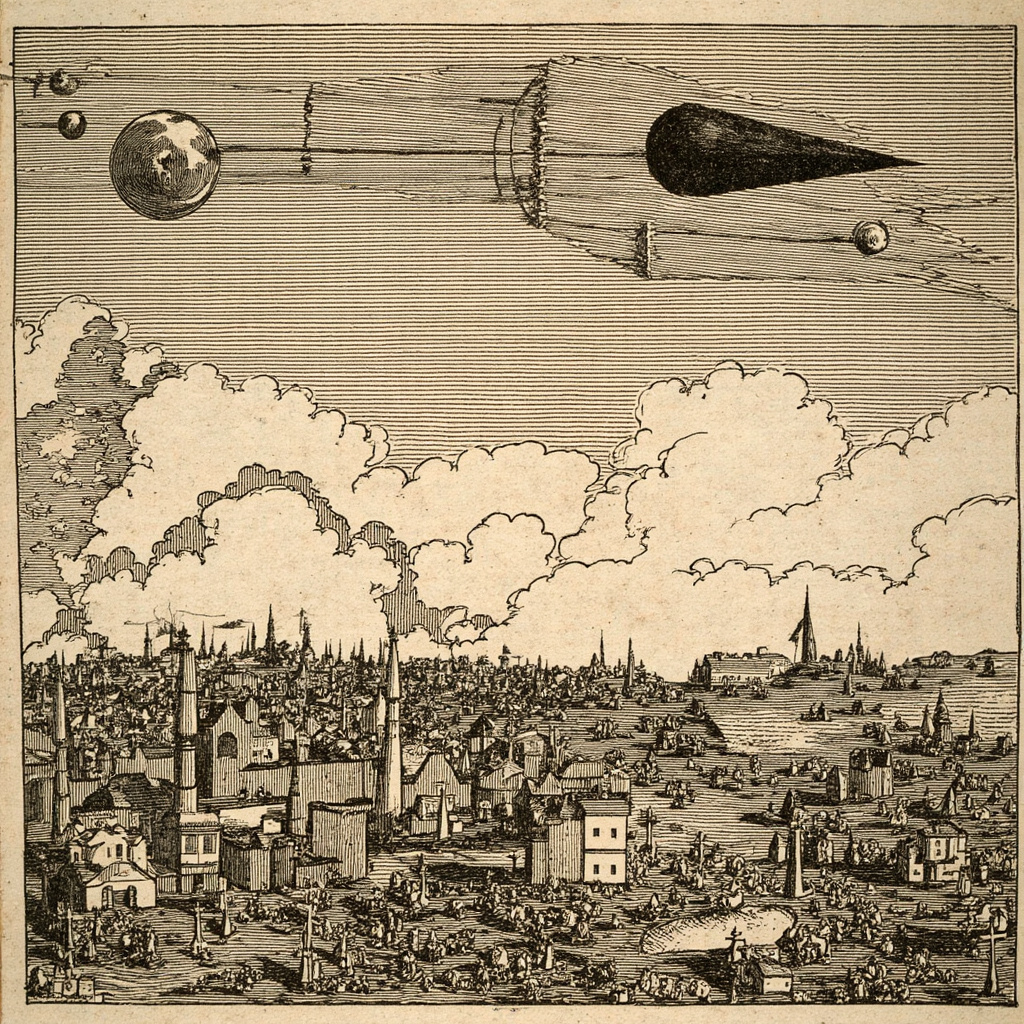
On June 30, 1908, at precisely 7:15 AM local time, something extraordinary happened in one of the most remote corners of Siberia. A massive explosion occurred in the skies above the Tunguska River, flattening over 830 square miles of pristine forest and creating one of history’s most enduring mysteries.

The few Evenki reindeer herders who witnessed the event described seeing a brilliant fireball trailing smoke across the morning sky, followed by a flash brighter than the Sun itself. The thunderous roar that followed was heard hundreds of miles away, and those closest to the blast reported being knocked unconscious and thrown through the air by the shockwave.

The Devastating Power of the Unknown

What makes the Tunguska Event so remarkable isn’t just its scale, but the complete absence of a crater. The explosion, estimated to have occurred about 6 miles above the Earth’s surface, released energy equivalent to 1,000 times the atomic bomb dropped on Hiroshima. Yet when scientists finally reached the site decades later, they found no meteorite fragments, no crater—just an apocalyptic scene of destruction.

Scientists examining the flattened Tunguska forest

Seismic instruments across Russia detected tremors from the blast, and the atmospheric disturbance was so significant that it was recorded by monitoring stations as far away as England. In the immediate area, an estimated 80 million trees were knocked down in a distinctive radial pattern extending outward from the blast’s epicenter.

The Long Wait for Science

Perhaps most frustrating for modern researchers is that no scientific expedition reached the Tunguska site for nearly two decades. The remote location, World War I, the Russian Revolution, and subsequent civil war all conspired to delay investigation of what may have been the most significant cosmic impact event in recorded history.

When Soviet geologist Leonid Kulik finally reached the site in 1927—19 years after the event—he was astounded by what he found. Despite nearly two decades having passed, the devastation remained clearly visible. Trees near the epicenter stood like ghostly sentinels, stripped of bark and branches but somehow still upright, while millions of other trees lay flattened in all directions.

A Pattern Written in Destruction

Later aerial surveys revealed the true scope of the destruction: a butterfly-shaped pattern of devastation that told the story of the explosion’s path through the atmosphere. The pattern showed that the object had approached from the southeast at an angle of approximately 30 degrees before exploding above the forest.

Diagram showing the butterfly-shaped destruction pattern of the Tunguska Event

Modern scientists believe the Tunguska Event was caused by an asteroid roughly 130 feet in diameter that completely disintegrated in Earth’s atmosphere before reaching the ground. This explains the absence of a crater and meteorite fragments—the object essentially vaporized, releasing all its energy as an airburst explosion.

The Lucky Coincidence

In a stroke of cosmic fortune, the Tunguska explosion occurred over one of the most sparsely populated regions on Earth. Had the same asteroid arrived just four hours and 47 minutes later, Earth’s rotation would have positioned St. Petersburg, then the capital of Imperial Russia, directly in the blast’s path. Instead of flattening empty forest, the explosion would have obliterated a city of 1.7 million people.

Legacy of the Siberian Mystery

The Tunguska Event fundamentally changed how scientists think about cosmic threats to Earth. It demonstrated that even relatively small asteroids could cause catastrophic regional damage and highlighted the importance of monitoring near-Earth objects. Today, NASA’s Planetary Defense Coordination Office and missions like DART (Double Asteroid Redirection Test) trace their origins back to lessons learned from that morning in Siberia over a century ago.

While the mystery of Tunguska has largely been solved through decades of scientific investigation, it remains a powerful reminder of our planet’s vulnerability to cosmic impacts. The flattened forest has long since regrown, but the story of that June morning continues to fascinate researchers and the public alike—a testament to one of nature’s most spectacular and fortunate near-misses in recorded history.

The Erfurt Latrine Disaster: When 60 Nobles Met Their End in Medieval Germany’s Most Bizarre Tragedy

In the annals of history, few disasters are as simultaneously tragic and absurd as the Erfurt Latrine Disaster of 1184. What should have been a routine royal assembly in medieval Germany instead became one of the most unusual mass casualties in European history, when approximately sixty nobles plummeted to their deaths through a collapsing floor—directly into a latrine cesspit below.

Medieval royal assembly at Erfurt

The Fatal Assembly

On July 26, 1184, King Henry VI of Germany convened a Hoftag (court day) in the German city of Erfurt, located in what was then part of the Holy Roman Empire. The assembly was held within the Petersberg citadel, a fortified complex that served as both a religious center and administrative hub. Noble lords, church officials, and prominent citizens gathered to discuss matters of state and regional governance.

The meeting took place in a grand hall on the second floor of the building. As was typical for medieval architecture, the structure featured wooden floors supported by timber beams. Directly below this assembly hall lay the building’s latrine facilities—essentially a large cesspit used for waste disposal.

The Catastrophic Collapse

As the assembly proceeded, the combined weight of dozens of nobles, their retinues, and furnishings proved too much for the aging wooden floor. Without warning, the entire structure gave way, sending the gathered dignitaries crashing through the floor and plummeting into the sewage pit below.

Contemporary chronicles describe the scene as horrific. Those who survived the initial fall found themselves trapped in a deep cesspit filled with human waste, struggling to stay afloat in the putrid conditions. The lucky few who managed to avoid the collapse or climb out faced the grim task of attempting rescues in the most unsanitary circumstances imaginable.

Aftermath of the latrine disaster

The Royal Exception

Remarkably, King Henry VI himself survived the disaster. Historical accounts suggest he was positioned in a part of the hall that remained structurally sound, possibly near a stone wall or on a section supported by stronger beams. This stroke of fortune likely changed the course of European history, as Henry would later become Holy Roman Emperor and play a crucial role in the politics of his era.

Medieval Sanitation and Architecture

The Erfurt disaster highlights the precarious nature of medieval urban planning and sanitation systems. In the 12th century, waste disposal was a constant challenge in growing cities. Buildings often featured communal latrines positioned over pits, streams, or even moats. The proximity of these facilities to living and meeting spaces, while practical for daily use, created obvious structural and health hazards.

Wooden construction, while common and cost-effective, was particularly vulnerable to rot, insect damage, and structural failure over time. The combination of heavy loads, poor ventilation, and the corrosive effects of waste gases likely weakened the floor supports at Erfurt over many years before the final collapse.

Historical Impact and Legacy

Beyond its immediate tragedy, the Erfurt Latrine Disaster had significant political ramifications. The deaths of so many local nobles created a power vacuum in the region, leading to succession disputes and political instability. King Henry VI had to navigate these challenges while consolidating his authority in the affected territories.

The event also became a cautionary tale about medieval construction practices and urban planning. While building codes as we know them didn’t exist, the disaster likely influenced subsequent architectural decisions in German cities, leading to more careful consideration of structural load-bearing capacity and waste management systems.

A Lesson in Historical Perspective

The Erfurt Latrine Disaster serves as a stark reminder that history is full of unexpected turns that can seem almost comical from our modern perspective, yet were undeniably tragic for those involved. It illustrates how technological limitations, combined with practical necessities, could create dangerous situations that seem obvious in hindsight but were simply part of daily medieval life.

This bizarre chapter in German history demonstrates that even the most mundane aspects of daily life—in this case, waste disposal—could become the stage for significant historical events. The sixty nobles who perished in that Erfurt cesspit became unwitting participants in one of history’s most unusual disasters, a reminder that fate can strike in the most unexpected and undignified ways.

Today, the site of the Petersberg citadel still stands in Erfurt, though the specific building where the disaster occurred no longer exists. The event remains a fascinating footnote in medieval German history—a tale that perfectly encapsulates the unpredictable, often absurd nature of human experience throughout the ages.

The Great Emu War: When Australia Lost a Battle to Birds

In one of history’s most unusual military conflicts, the Australian military faced off against an unlikely enemy in 1932: emus. What became known as the Great Emu War was a wildlife management operation that turned into a national embarrassment when massive flocks of the large, flightless birds proved more resilient than the soldiers sent to stop them.

The Problem: Post-War Farmers vs. Native Wildlife

Following World War I, the Australian government settled thousands of discharged veterans on farming land in Western Australia’s wheat belt, particularly around the Campion district. These new farmers faced an unexpected challenge: huge flocks of emus that migrated through their crops, devastating entire wheat fields.

Emus in wheat fields

The emus, standing up to six feet tall and weighing over 100 pounds, could destroy crops with alarming efficiency. Groups of up to 20,000 birds would sweep through farming areas, trampling and consuming vast amounts of wheat. The farmers, already struggling economically in the post-war period, faced financial ruin.

Military Intervention: The War Begins

By October 1932, the situation had become so dire that farmers petitioned the government for military assistance. Minister for Defence Sir George Pearce approved a military operation, deploying soldiers from the Royal Australian Artillery armed with Lewis machine guns.

Major Gwynydd Purves Wynne-Aubrey Meredith was put in command of the operation, which officially commenced on November 2, 1932. The plan seemed straightforward: use military precision and firepower to reduce the emu population to manageable levels.

Military officer with Lewis gun

The Birds Fight Back

What the military planners hadn’t anticipated was the emus’ remarkable tactical abilities. The birds proved to be elusive targets, scattering quickly when they heard the soldiers approaching. Their natural speed—up to 30 miles per hour—and their ability to zigzag made them extremely difficult to hit with machine gun fire.

Even more frustrating for the soldiers, the emus seemed to develop countermeasures. They would post sentries while feeding, and at the first sign of military vehicles, the entire flock would disperse in different directions. Some reports described the birds as having an almost military-like organization in their retreat patterns.

Embarrassing Results

Despite weeks of operations and the expenditure of thousands of rounds of ammunition, the military campaign proved largely ineffective. Estimates suggest that only about 986 emus were confirmed killed during the entire operation, while the overall population remained largely unaffected.

The media quickly picked up on the military’s struggles, dubbing the conflict the “Emu War.” Newspapers across Australia and internationally reported on the army’s inability to defeat a flock of birds, turning the operation into a source of national embarrassment.

Strategic Withdrawal

By December 10, 1932, the military officially withdrew from the combat area. Major Meredith reportedly stated that the emus “were worthy opponents” and had “won on points.” The operation was deemed unsuccessful, and the government refused subsequent requests for military intervention against wildlife.

Alternative Solutions

Following the military failure, the government turned to other methods of emu control:

  • Bounty systems that paid farmers for each emu killed
  • Construction of emu-proof fencing
  • Conventional pest control methods

These civilian-led efforts proved more effective than the military operation, though the emu problem persisted for years.

Legacy of the Great Emu War

The Great Emu War has become one of Australia’s most famous historical oddities. It serves as a reminder that sometimes the most unusual challenges can defeat even well-equipped military forces. The conflict is frequently cited in discussions about wildlife management, military strategy, and the unpredictable nature of animal behavior.

Today, the Great Emu War is remembered more for its comedy than its tragedy. It has inspired books, documentaries, and countless internet memes, ensuring that this bizarre chapter of Australian history continues to entertain new generations. The war stands as proof that in the contest between human ingenuity and nature’s resilience, the outcome is never guaranteed—even when one side has machine guns.

The Woolly Mammoths That Outlived the Pyramids

Most people believe woolly mammoths disappeared around 10,000 years ago at the end of the last Ice Age. This popular misconception overlooks one of history’s most surprising facts: some woolly mammoths actually survived thousands of years longer, roaming the Earth while ancient civilizations were building their greatest monuments.

The last surviving population of woolly mammoths lived on Wrangel Island, a remote Arctic island off the coast of Siberia. These remarkable creatures survived until approximately 3,700 years ago – centuries after both the Great Pyramid of Giza and Stonehenge were completed.

Wrangel Island habitat of the last woolly mammoths

The Last Mammoth Sanctuary

Wrangel Island, located in the Arctic Ocean about 140 kilometers off the Siberian coast, became an isolated refuge for woolly mammoths when rising sea levels cut it off from the mainland around 12,000 years ago. This isolation created a unique ecosystem where a small population of mammoths continued to thrive long after their mainland cousins had vanished.

The island’s mammoth population was relatively small, estimated at only a few hundred individuals at most. Despite their isolation, they managed to maintain a viable breeding population for thousands of years. These were not just surviving mammoths – they were evolving. The island population showed signs of dwarfism, a common adaptation among isolated island species.

Timeline of Coexistence

To put this remarkable survival into perspective, consider what was happening in human civilization while these mammoths still roamed:

  • 4,500 years ago: Great Pyramid of Giza completed
  • 4,000-5,000 years ago: Stonehenge construction
  • 3,700 years ago: Last woolly mammoth dies on Wrangel Island
  • 3,200 years ago: Tutankhamun rules Egypt

Timeline showing mammoths surviving alongside ancient civilizations

Discovery and Scientific Evidence

This extraordinary timeline was only discovered through careful scientific investigation. In the 1990s, researchers found mammoth remains on Wrangel Island that were far younger than expected. Carbon dating revealed teeth and bones that were only 3,700 years old – startlingly recent in geological terms.

Further genetic analysis confirmed these were indeed woolly mammoths, not a different species. The DNA evidence showed they were descendants of the mainland mammoth populations but had developed distinct genetic characteristics due to their isolation.

Why Did They Finally Disappear?

The exact cause of the Wrangel Island mammoths’ final extinction remains debated among scientists. Possible factors include:

  • Climate change affecting their Arctic environment
  • Genetic bottlenecking due to small population size
  • Human arrival on the island (though evidence is limited)
  • Disease or environmental catastrophe

The most likely explanation involves a combination of these factors. Small, isolated populations are inherently vulnerable to extinction events that larger populations might survive.

A Different Perspective on Extinction

The survival of Wrangel Island mammoths challenges our understanding of extinction patterns and timeline. It demonstrates that species can persist in refugia long after their main populations disappear, sometimes for millennia.

This discovery has important implications for modern conservation efforts. It shows that even small, isolated populations can maintain themselves for extended periods under the right conditions. It also highlights the importance of protecting isolated habitats that might harbor the last survivors of threatened species.

The next time you see images of ancient pyramids or read about early civilizations, remember: woolly mammoths were still trumpeting their calls across the Arctic tundra, a living link to the Ice Age persisting in our Bronze Age world.