The War of Jenkins’ Ear: When a Pickled Body Part Started an International Conflict

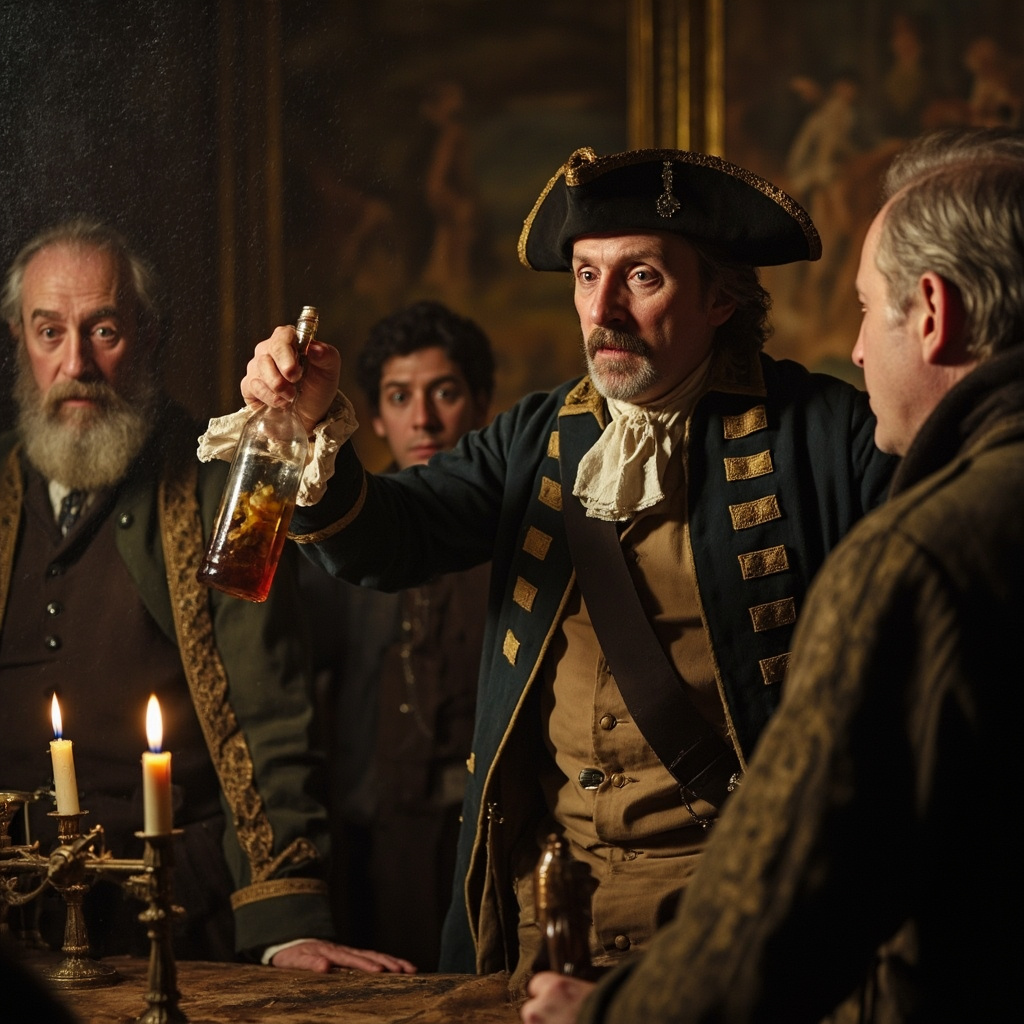
In the annals of bizarre historical events, few can match the sheer absurdity of a war that began with a severed ear preserved in a bottle. The War of Jenkins’ Ear (1739-1748) stands as one of history’s most unusual conflicts, sparked by a gruesome encounter between a British sea captain and Spanish coast guards that would ultimately plunge two empires into nearly a decade of warfare.
The Incident That Changed History
Captain Robert Jenkins was a British merchant sailor whose life took a dramatic turn during what should have been a routine voyage in the Caribbean. In 1731, Spanish coast guards boarded his ship, the Rebecca, as part of their ongoing efforts to enforce trade restrictions in their colonial waters. During the confrontation, the Spanish officers allegedly severed Jenkins’ ear—though historical accounts remain murky about the exact circumstances and whether it was truly cut off by the Spanish or lost in a tavern brawl.
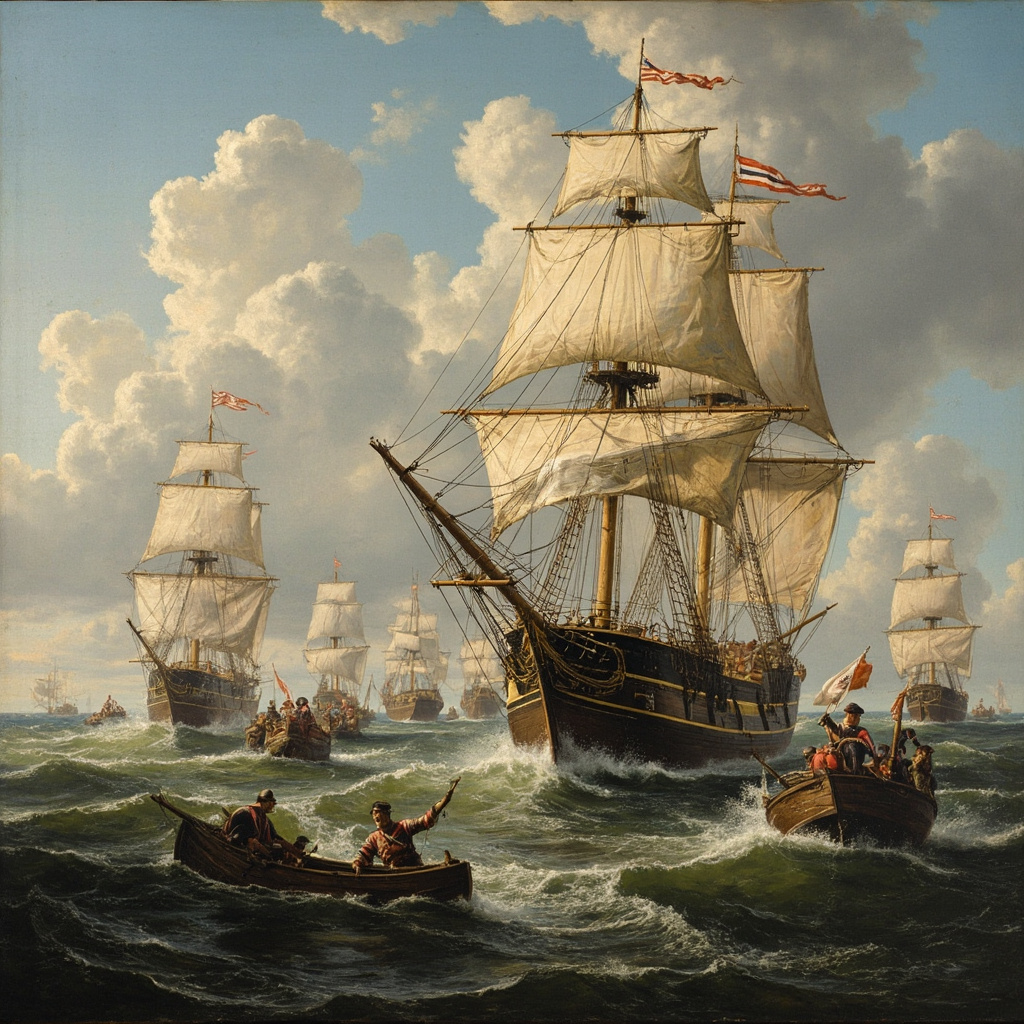
What happened next would prove far more significant than the injury itself. Jenkins, in a move that would make even the most dramatic storyteller proud, preserved his severed ear in a bottle of brine and returned to England with his grisly trophy.
Parliament and the Power of Propaganda
When Jenkins arrived in London, his pickled ear became an instant sensation. The House of Commons summoned him to appear before Parliament, where he dramatically produced the preserved appendage. When asked what he had done during the assault, Jenkins delivered what would become one of history’s most memorable quotes: “I commended my soul to God and my cause to my country.”
The public reaction was explosive. The ear became a symbol of Spanish brutality and British resilience, capturing the nation’s imagination in a way that dry diplomatic protests never could. Anti-Spanish sentiment reached a fever pitch, with citizens demanding that the government take action against what they saw as an intolerable insult to British honor.
From Ear to War
Prime Minister Robert Walpole, initially reluctant to escalate tensions, found himself under enormous pressure from both Parliament and the public. The incident provided the perfect pretext for those who had long sought conflict with Spain, particularly over lucrative trade disputes in the Caribbean and South America.
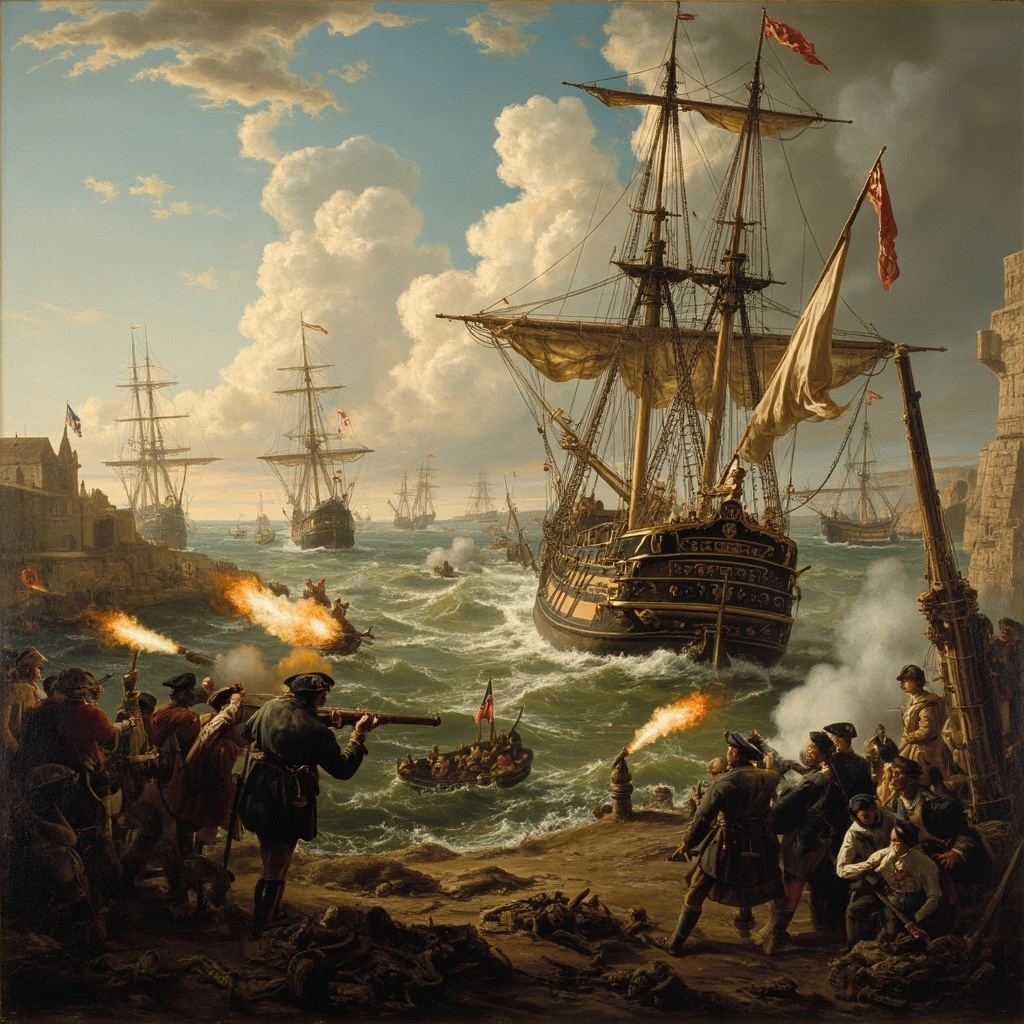
In 1739, Britain formally declared war on Spain. The conflict quickly expanded beyond its bizarre origins, encompassing battles across multiple continents and eventually merging with the larger War of Austrian Succession. One of the war’s early victories came when Admiral Edward Vernon successfully attacked the Spanish fortress at Portobelo in modern-day Panama, a triumph that briefly made him a national hero.
The Reality of Colonial Warfare
Despite its unusual beginning, the War of Jenkins’ Ear proved to be a serious and costly conflict. British forces launched ambitious campaigns in the Caribbean, attempting to seize key Spanish territories and disrupt their lucrative colonial trade. However, the realities of 18th-century warfare—disease, logistical challenges, and determined Spanish resistance—made these campaigns far more difficult than anticipated.
The war saw significant naval battles, sieges of fortified ports, and complex diplomatic maneuvering as other European powers were drawn into the conflict. What began as a matter of national honor over a severed ear evolved into a struggle for colonial supremacy that would reshape the balance of power in the Americas.
Legacy of the Absurd
The War of Jenkins’ Ear officially ended with the Treaty of Aix-la-Chapelle in 1748, though its resolution was largely overshadowed by the broader European conflict it had become entangled with. The territorial and economic outcomes were mixed, with neither Britain nor Spain achieving their primary objectives.
What makes this conflict truly remarkable is not its military outcomes but its origins. It stands as a perfect example of how a single dramatic incident—whether completely true or embellished for political purposes—can escalate into international warfare. The power of Jenkins’ pickled ear to inflame public opinion demonstrates the complex relationship between propaganda, public sentiment, and political decision-making in the 18th century.
Questions That Remain
Historians continue to debate the veracity of Jenkins’ account. Was his ear truly severed by Spanish officers, or was it lost in a more mundane fashion? Did Jenkins embellish his story for dramatic effect, or were the Spanish guards particularly brutal that day? These questions may never be definitively answered, but they hardly matter in the broader context of the war’s significance.
What cannot be disputed is the remarkable fact that a preserved body part in a bottle became one of the most effective pieces of war propaganda in British history. Jenkins’ ear achieved something that countless diplomatic negotiations had failed to accomplish—it gave the British public a visceral, emotional reason to support war with Spain.
The Most Famous Ear in History
The War of Jenkins’ Ear serves as a fascinating case study in how the most bizarre and seemingly trivial incidents can have profound historical consequences. It reminds us that history is not always shaped by grand ideological struggles or rational political calculations—sometimes, it’s influenced by the theatrical presentation of a pickled ear to a room full of outraged parliamentarians.
In an age before photography or mass media, physical evidence like Jenkins’ preserved ear carried enormous symbolic weight. It transformed an abstract diplomatic dispute into something tangible and emotionally powerful that ordinary citizens could understand and rally behind.
Today, the War of Jenkins’ Ear stands as perhaps history’s most memorably named conflict, a reminder that truth can indeed be stranger than fiction. While other wars are remembered for their battles, leaders, or consequences, this one will forever be known for the pickled ear that started it all—making Robert Jenkins’ severed appendage undoubtedly the most famous ear in human history.