The Cadaver Synod: When the Catholic Church Put a Dead Pope on Trial

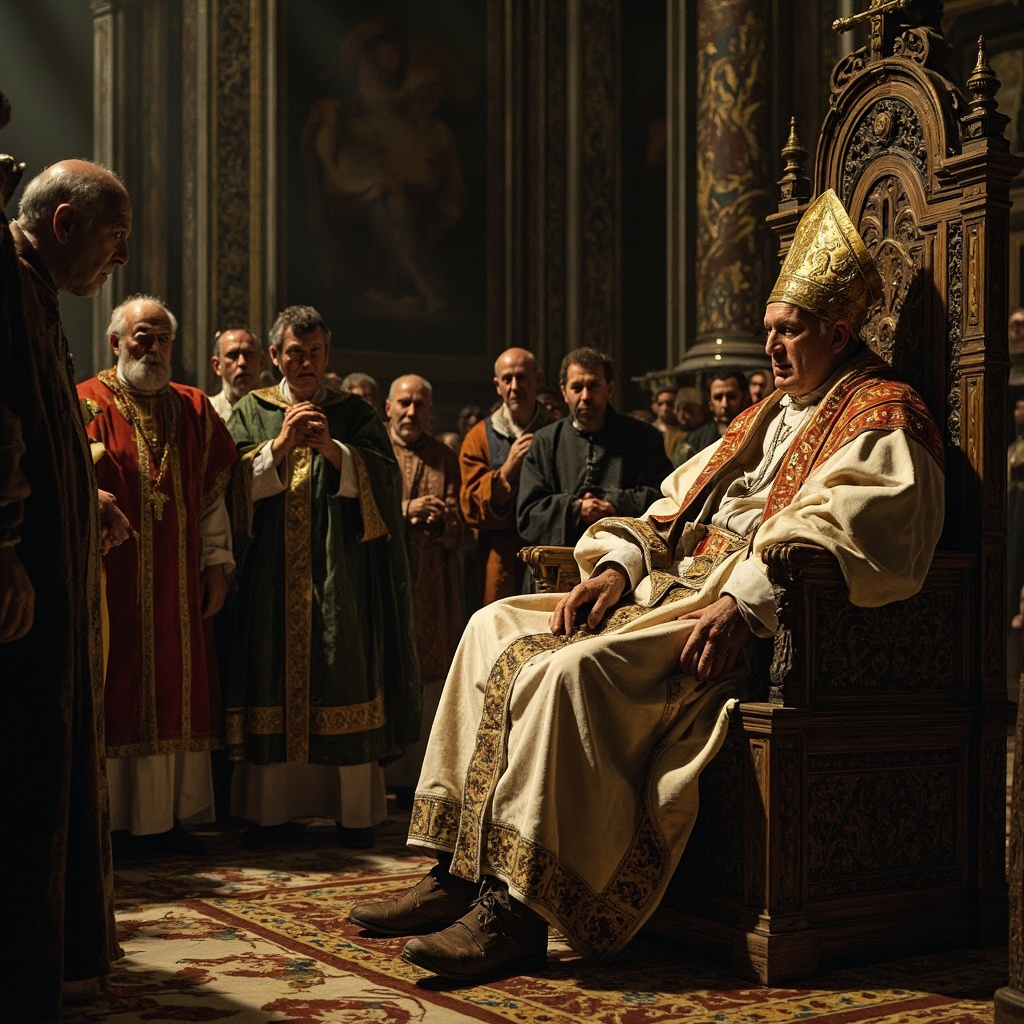
In January 897 AD, one of the most macabre spectacles in church history unfolded in Rome’s Basilica of St. John Lateran. Pope Stephen VI ordered the exhumation of his predecessor, Pope Formosus, who had been dead for nine months, to stand trial for alleged crimes committed during his papacy. This bizarre event became known as the Cadaver Synod—literally “the trial of the corpse.”
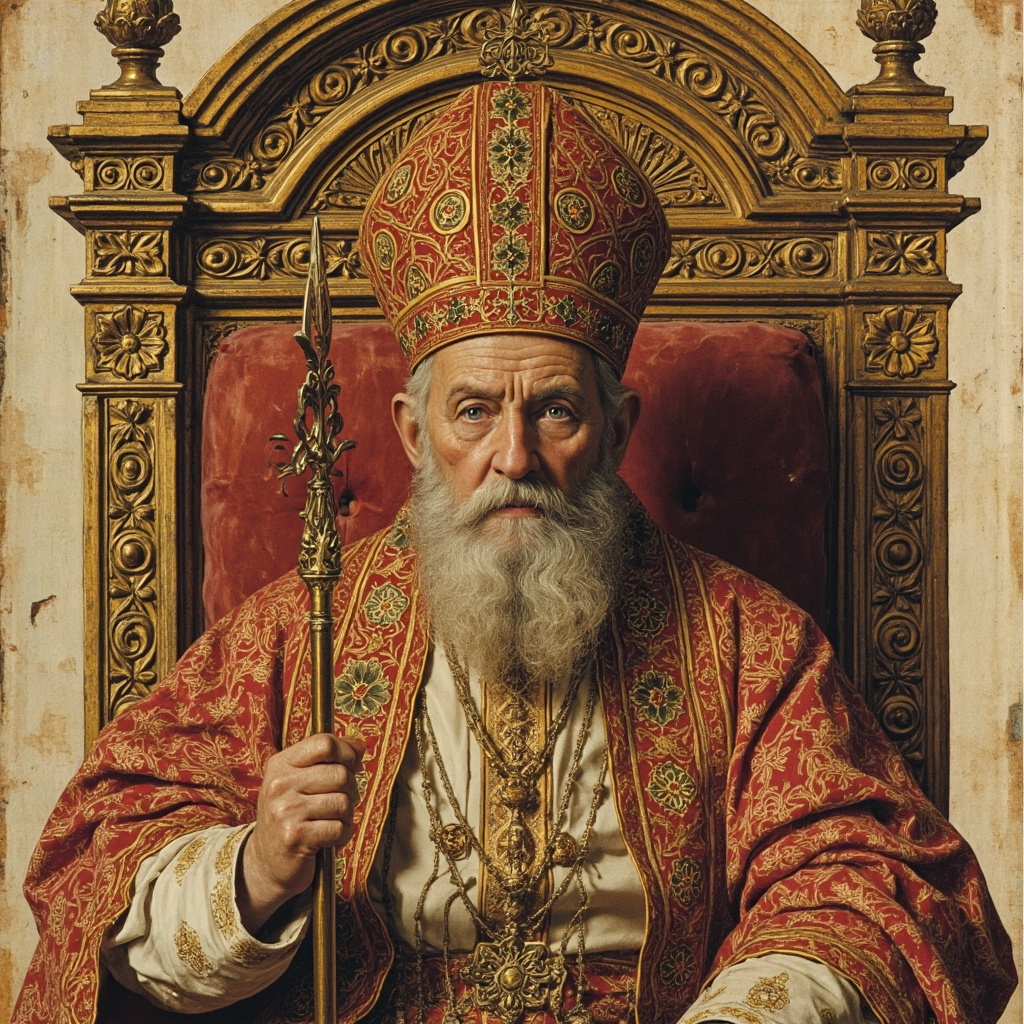
Pope Formosus had ruled from 891 to 896 AD during one of the most turbulent periods in papal history. The late 9th century saw the papacy caught in violent political machinations between rival Italian noble families and foreign powers seeking control over Rome. Formosus, whose name ironically means “handsome” in Latin, had made powerful enemies by supporting Arnulf of Carinthia’s claim to the Holy Roman Empire over the preferred candidate of the Spoleto faction.
The Macabre Trial Begins
Stephen VI, likely under pressure from the powerful Spoleto family, ordered Formosus’s tomb opened. The decomposed remains were dressed in full papal vestments, propped up on the papal throne, and assigned a deacon to speak for the defendant—since the corpse could hardly defend itself.
The charges against the deceased pope were serious: illegally assuming the papacy, committing perjury, and violating church law by moving between bishoprics. Stephen VI ranted at the silent corpse, demanding answers to questions that would never come. The predetermined verdict was guilty on all counts.
Divine Justice or Political Revenge?
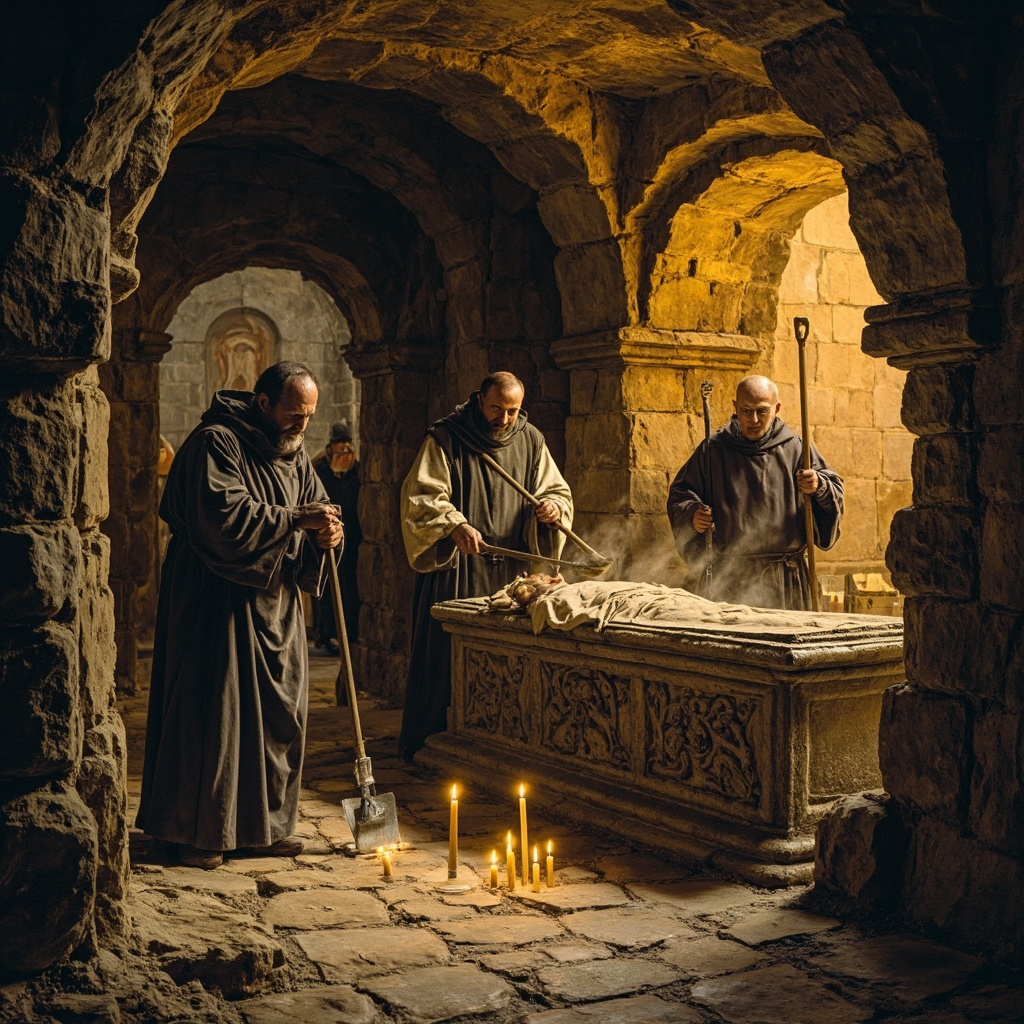
The punishment was swift and symbolic. Formosus’s papal vestments were stripped away, the three fingers of his right hand used for benedictions were severed, and all his papal acts were declared null and void. The mutilated corpse was then thrown into the Tiber River, though it was later retrieved by a monk and given proper burial.
The Roman populace, already disgusted by the political chaos plaguing the papacy, were horrified by Stephen VI’s grotesque spectacle. The trial backfired spectacularly—within months, a popular uprising led to Stephen VI’s imprisonment. He was strangled in prison later that year, meeting the same violent end that had befallen several popes during this dark period.
Legacy of the Cadaver Synod
The Cadaver Synod stands as perhaps the most extreme example of medieval church politics. Stephen VII, who succeeded Stephen VI, promptly reversed the trial’s verdict and restored Formosus’s papal dignity. But the damage to papal prestige was immense—the spectacle demonstrated how thoroughly secular politics had corrupted the highest office in Christendom.
Modern historians debate whether Stephen VI was driven by genuine theological concerns or was merely a puppet of noble families seeking to delegitimize Formosus’s political alliances. What remains undisputed is that the Cadaver Synod represents one of the most bizarre and disturbing episodes in papal history—a moment when political vendetta trumped basic human dignity and religious propriety.
The trial of Pope Formosus’s corpse serves as a stark reminder that even the most sacred institutions can be corrupted by earthly power struggles, turning religious authority into a grotesque theater of political revenge.