The Dancing Plague of 1518: When Strasbourg Couldn’t Stop Moving

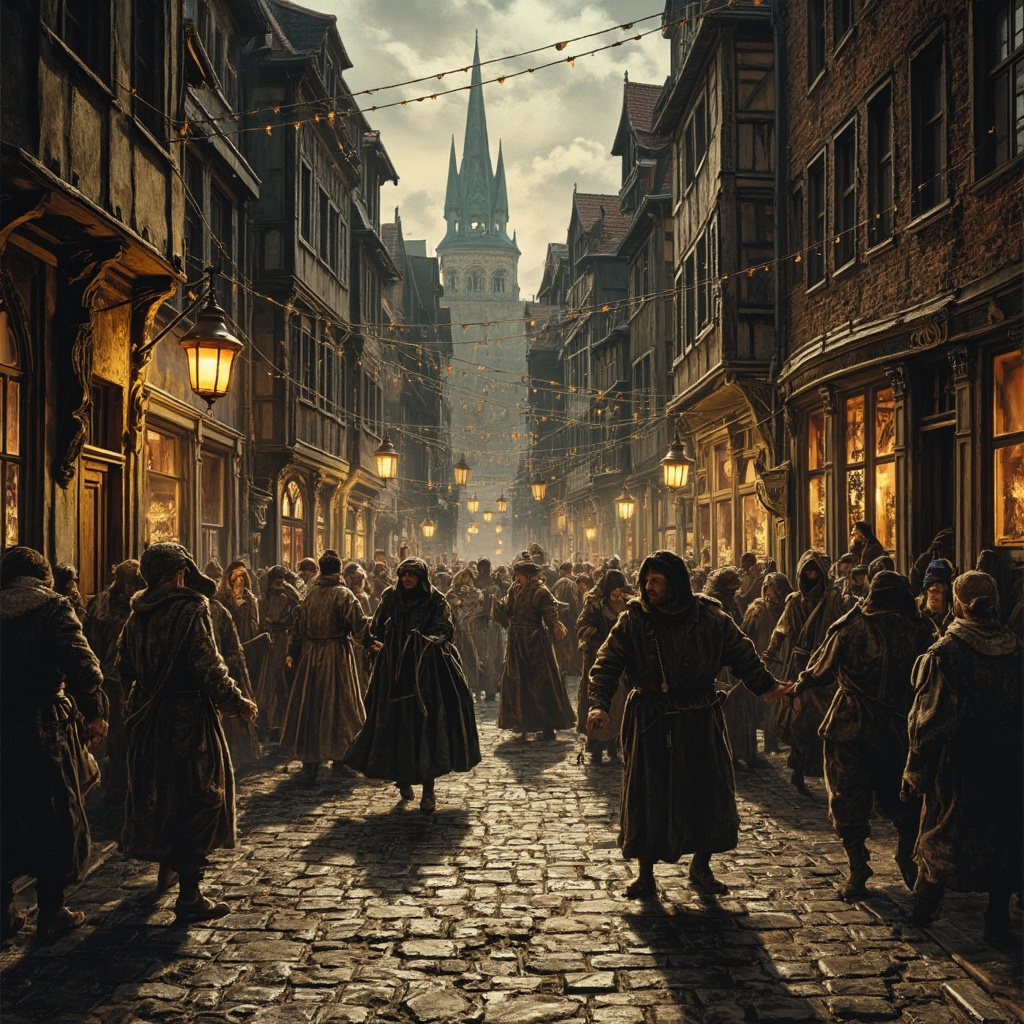
In the summer of 1518, the city of Strasbourg witnessed one of history’s most bizarre and terrifying epidemics. It wasn’t the plague or cholera that gripped the population—it was an uncontrollable urge to dance.
The Outbreak Begins
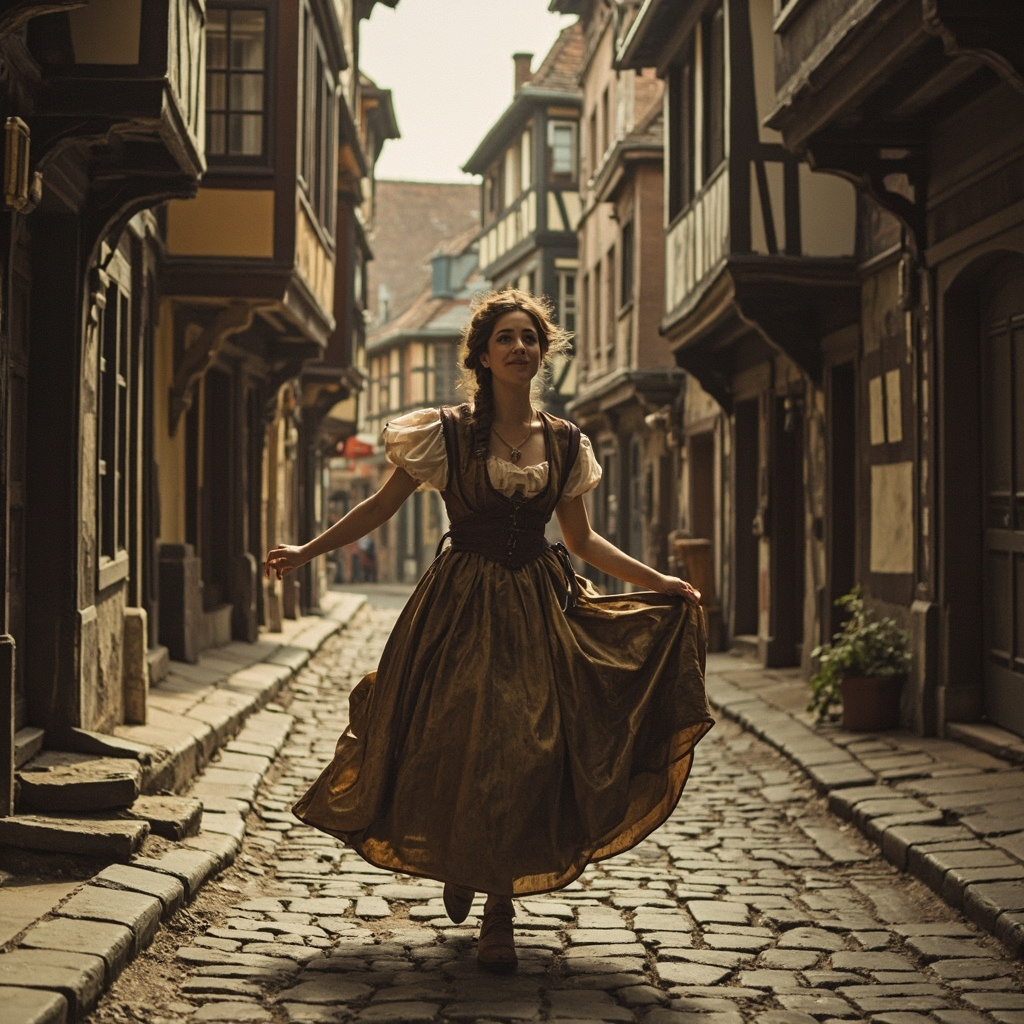
On July 14, 1518, a woman known as Frau Troffea stepped onto the narrow cobblestone streets outside her half-timbered home and began to dance. What started as seemingly innocent movement quickly turned sinister as she continued dancing frantically for hours without stopping, eventually collapsing from exhaustion.
But this was only the beginning. Within days, dozens of other residents joined her in this compulsive dancing. By the end of the month, the number had swollen to around 400 people, all dancing uncontrollably in the streets of Strasbourg.
The City’s Response
Local authorities and physicians initially believed that the best cure for the dancing mania was more dancing. They constructed stages and hired professional musicians, thinking that if the afflicted danced continuously, they would eventually recover.
This approach backfired spectacularly. Instead of curing the dancers, it seemed to intensify their condition and attract even more people to join the frenzied crowds.
Theories and Explanations
Modern historians and medical experts have proposed several theories to explain this strange epidemic:
- Mass Psychogenic Illness: Also known as mass hysteria, this psychological phenomenon can cause groups of people to develop similar symptoms without a physical cause.
- Ergot Poisoning: Consumption of rye bread contaminated with ergot fungus could have caused hallucinations and convulsions similar to dancing.
- Religious Extremism: Some believe the dancing was connected to religious fervor and the cult of Saint Vitus, who was associated with dancing.
- Social Stress: Strasbourg was experiencing economic hardship, disease, and social tension, which may have manifested in this collective outbreak.
The End of the Epidemic
The dancing plague finally ended in early September 1518, after lasting about two months. The authorities eventually abandoned their strategy of encouraging more dancing and instead took the afflicted to a shrine dedicated to Saint Vitus, where they were encouraged to pray for relief.
Historical records suggest that some dancers died from heart attacks, strokes, or exhaustion, though the exact number of fatalities remains unclear.
A Window into Medieval Life
The Dancing Plague of 1518 offers us a fascinating glimpse into medieval society and the power of collective behavior. It demonstrates how social stress, religious beliefs, and group psychology could combine to create extraordinary and seemingly impossible events.
While we may never know the exact cause of this strange epidemic, it remains one of history’s most captivating mysteries—a time when an entire city literally couldn’t stop dancing.